Costa Rica

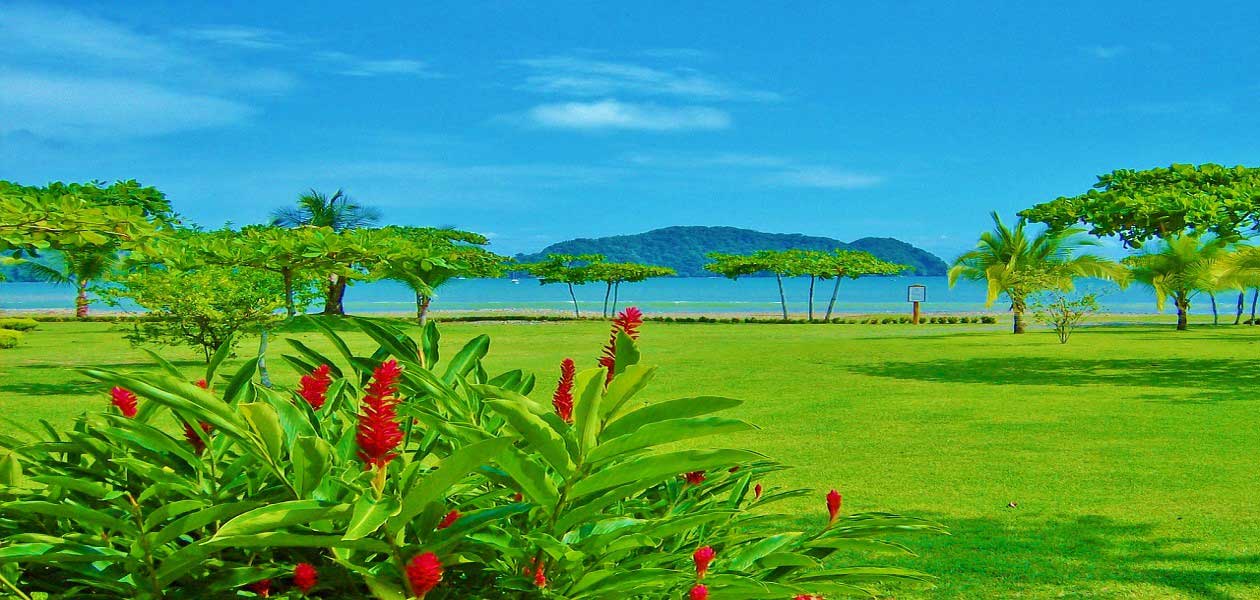
Costa Rica is a Central American country of 51,180 km² with about 5.3 million people, bordered by Nicaragua to the north and Panama to the south-east, with the Caribbean on one side and the Pacific on the other. A spine of volcanic mountains runs down the middle, and between its ranges sits the Valle Central — a high, temperate basin holding San José, Cartago, Heredia and Alajuela, and with them most of the population. Either side of it the land drops through cloud forest to hot coastal lowlands.
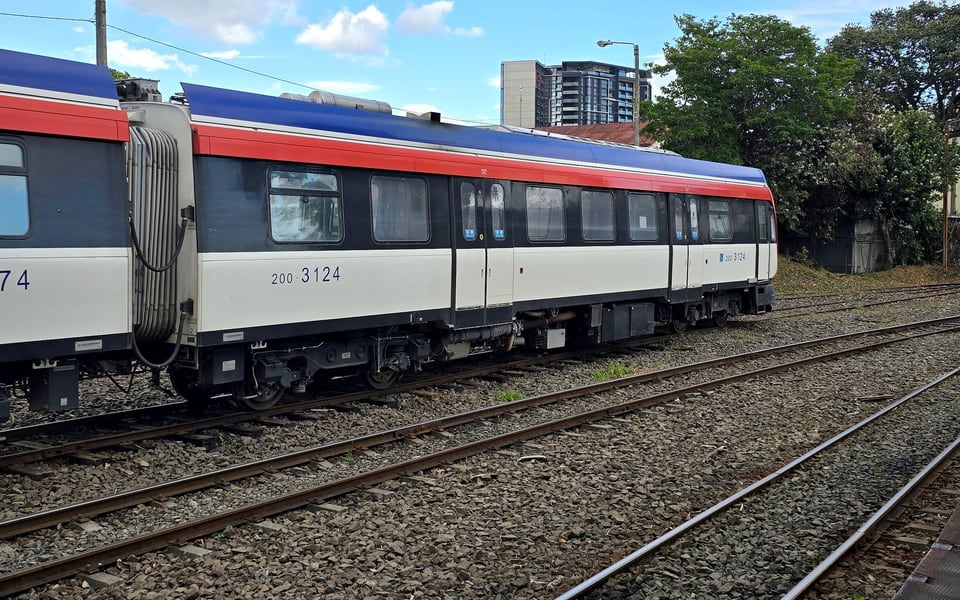
The railway today is a commuter network in that one valley. INCOFER, the state railway institute, runs 1,067 mm narrow-gauge services between San José and Cartago, out to Heredia and Alajuela, and on a western route through Pavas and Belén. That is the honest picture, and it is a smaller one than the country's railway history suggests: the line down to Limón through the rainforest, the celebrated Jungle Train, was damaged by the earthquake of 1991 and went with the rest of the network when INCOFER's operations were suspended in 1995. Only the Valle Central came back.
Rail journeys in Costa Rica
Good to know
Does the Jungle Train to Limón still run?
No. The Ferrocarril al Atlántico, which ran from San José down through the rainforest to the Caribbean coast at Limón, was damaged by the earthquake of 1991 and stopped for good when INCOFER's operations were suspended in 1995. It appears in a great deal of older travel writing, which is why it is worth stating plainly. Excursions are occasionally advertised on fragments of the old alignment; those are a separate thing and worth verifying carefully before booking.
What can you actually travel on today?
INCOFER's commuter services in the Valle Central: San José to Cartago, San José out through Heredia to Alajuela, and a western route from Curridabat through Pavas to Belén. They are everyday transport for commuters rather than scenic trains, with peak-focused timetables — the shape of the service matters more than the first and last departure.
Which of them is worth a visitor's time?
San José to Cartago, because of what is at the other end: the ruins of Santiago Apóstol, the country's principal pilgrimage church, and the road up the Irazú volcano. It runs fourteen times a day on weekdays, takes about fifty minutes for 20.5 kilometres, costs a flat ₡710, and spends much of the way running down the middle of the street.
Is there a rail pass?
No. Costa Rica is outside the international pass schemes, and INCOFER fares are low enough that one would serve no purpose.
Why is the network so small for a country with so much railway history?
Because the two great lines were built to move coffee and bananas to the coasts, not to carry people between towns, and when road transport took the freight the justification went with it. What survived is the section with the densest population — the central valley — which is why Costa Rica now has a commuter railway on a country's worth of abandoned alignment.