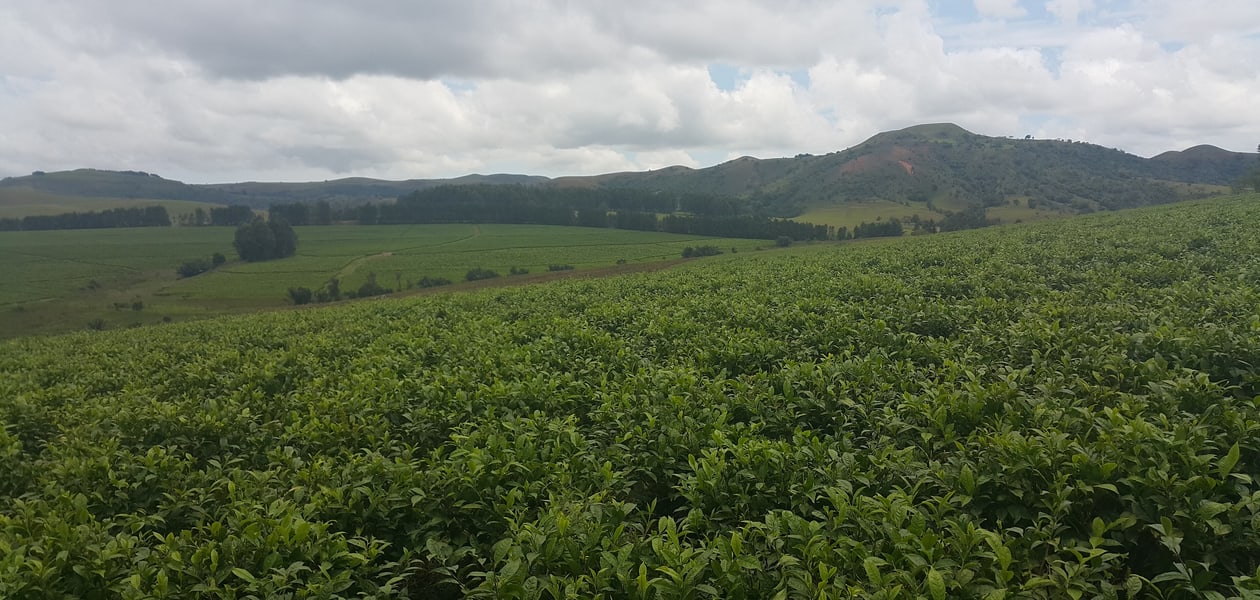
Nigeria
Ebere Jude Ekemezie / Wikimedia Commons · CC BY-SA 4.0 · cropped
Nigeria is the most populous country in Africa and the sixth most populous in the world: more than 242 million people in 923,769 km², with the federal capital at Abuja and by far the largest city at Lagos, on the Gulf of Guinea. Benin lies to the west, Niger to the north, Chad to the north-east and Cameroon to the east. The Niger and the Benue meet at Lokoja in the centre and divide the country into three, and the land runs from mangrove and delta on the coast through rainforest and the Jos Plateau to Sahelian scrub at the northern frontier.
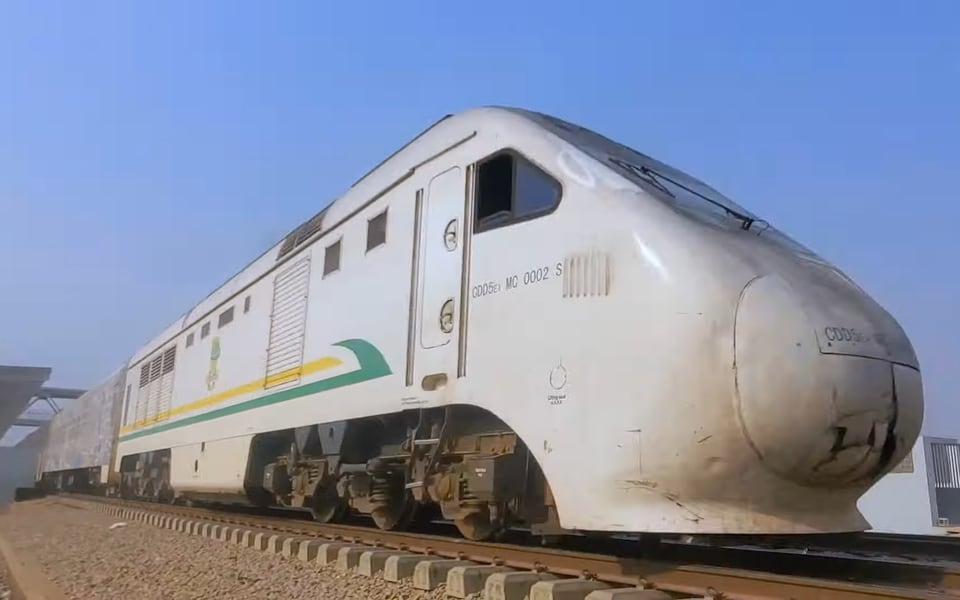
There are two railway systems here of two different ages and two different gauges. The colonial network is 1,067 mm Cape gauge, about 3,505 km of it, begun in 1891 between Lagos and Ibadan and now in poor condition through long under-maintenance. Alongside it a standard-gauge system has been built in pieces since 2016 — 669 km so far — and it is where the modern passenger trains run. Everything is operated by the federal Nigerian Railway Corporation, which carried 3.21 million passengers in 2022.
Rail journeys in Nigeria
Good to know
Which lines carry modern passenger trains?
The standard-gauge ones. NRC's own passenger-services page names long-distance express workings from Lagos to Ibadan, Abuja to Kaduna and Warri to Itakpe, with air-conditioned first class and restaurant cars. The Lagos–Ibadan line is the first completed segment of a planned corridor running the length of the country to Kano.
Why build new lines instead of repairing the old ones?
Because the Cape-gauge network could not carry the traffic. Long under-maintenance had left it slow and unreliable, and by 2019 the single working standard-gauge line from Abuja to Kaduna was generating as much revenue as the whole Cape-gauge system combined. Federal policy is to replace most of the Western Line with standard gauge and to rehabilitate the Eastern Line at the existing gauge.
Is English enough?
Yes. English is Nigeria's official language and the language of the railway — timetables, fare tables, station announcements and the operator's website are all in English. Hundreds of other languages are spoken, with Hausa, Yoruba and Igbo the largest, and Nigerian Pidgin is very widely used in daily life.
Are there rail passes for Nigeria?
No. Nigeria belongs to no pass scheme and there is no national multi-journey ticket. Seats are bought per train, and NRC publishes its fares by class on its own site — which is rarer among African operators than it ought to be.