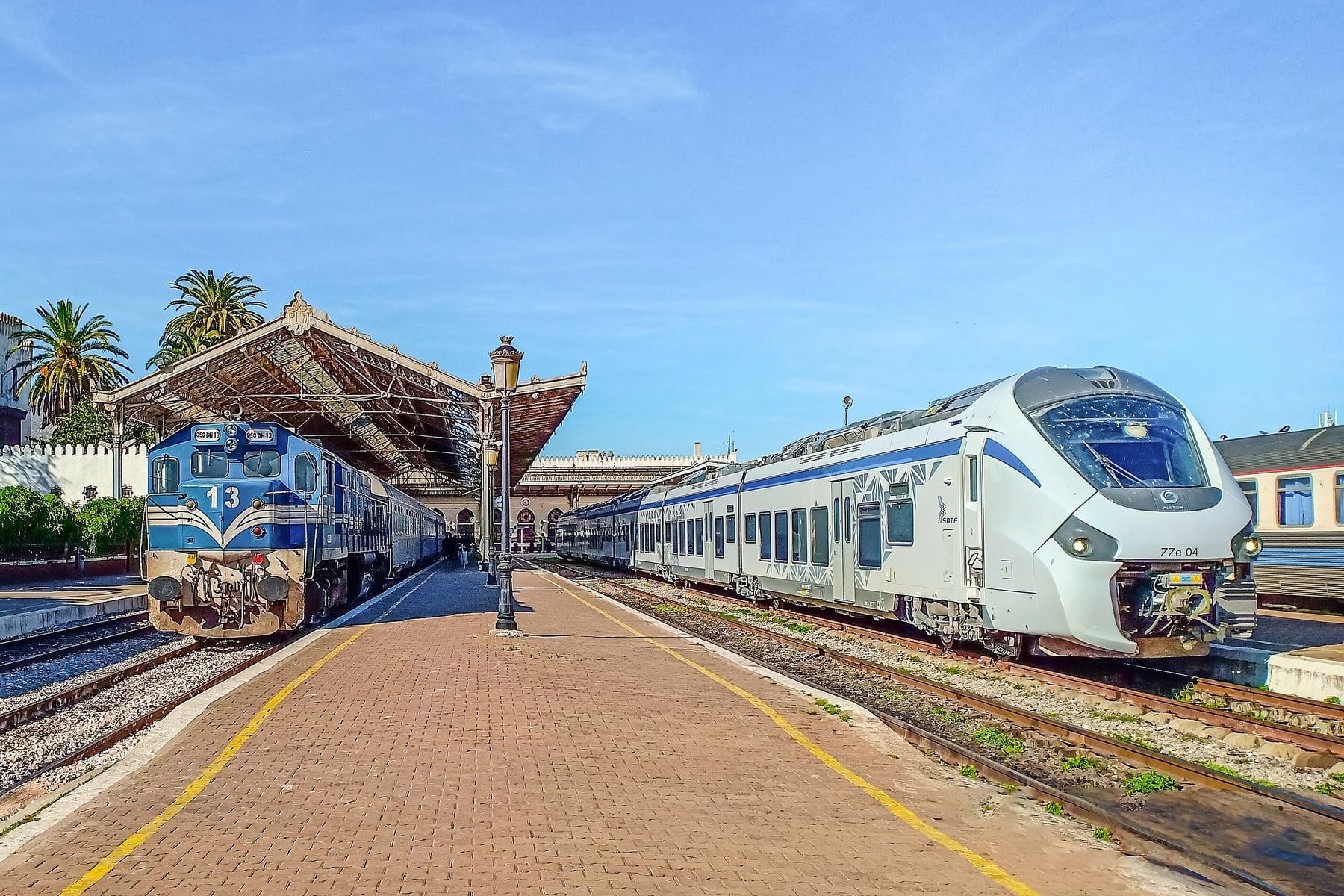
Algiers to Oran
Réda JUNIOR / Wikimedia Commons · CC BY 2.0 · 2018 · cropped
- DistanceAbout 420 km, Algiers Agha to Oran
- Duration4 h 38 to 4 h 53 by Coradia; 5 h 45 to 6 h 15 by the loco-hauled trains
- Best seasonMarch to June and September to November · the train runs daily all year
Introduction
Algeria's first passenger railway ran out of Algiers in September 1862, as far as Blida, and nine years later it reached Oran. The line it became is still the spine of the country's network: 420 kilometres west along the populated north, from the capital to the second city, across the Mitidja, over the hills of the Tell and down the long valley of the Chelif. Four trains a day run each way, and the first leaves Agha station in Algiers before six in the morning.
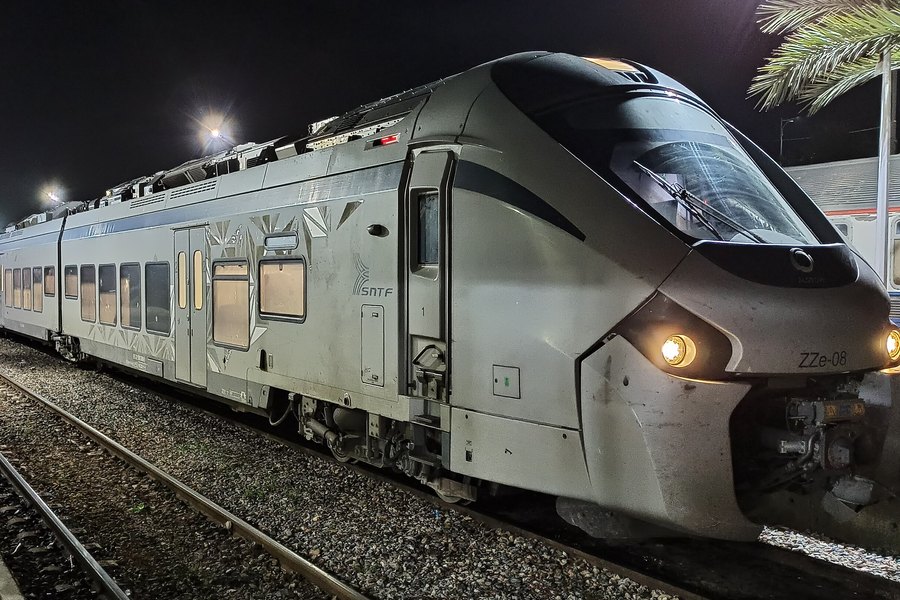
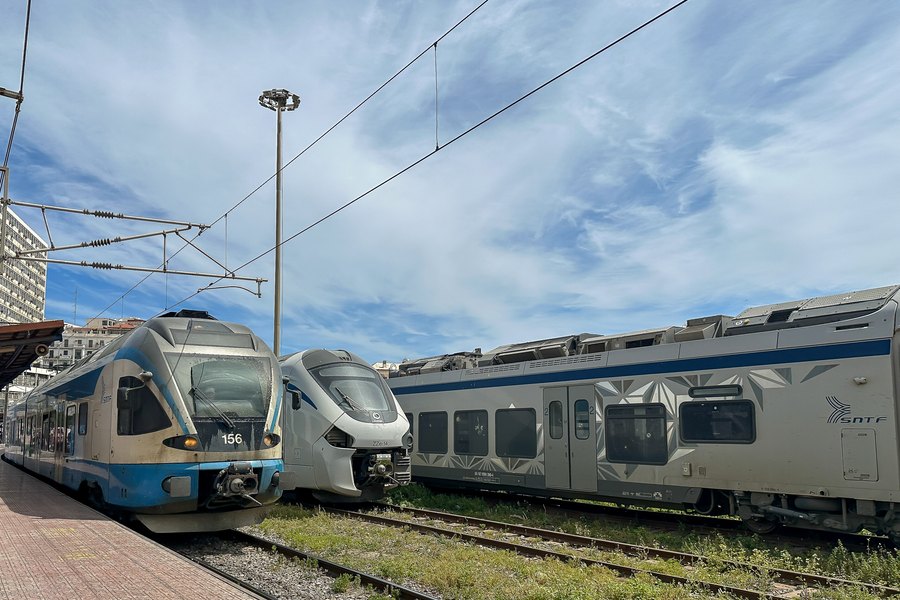
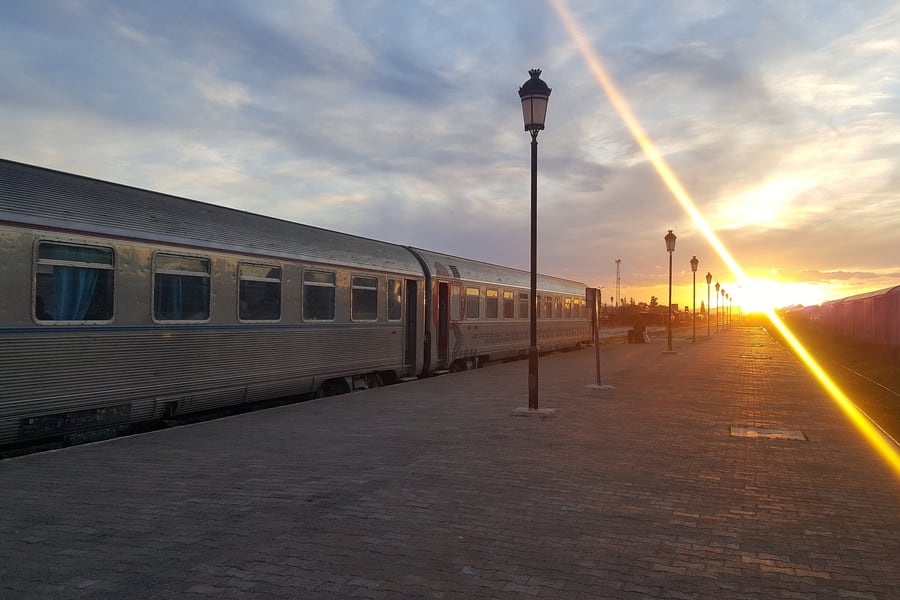
Two kinds of train share the work. The fast ones are Alstom Coradias, six-car units built in France for 160 km/h, which have run the route since March 2018 and take a little over four and a half hours with a handful of stops. The others are SNTF's loco-hauled "trains confort", slower by an hour or more, cheaper, and calling at most of the towns between — El Affroun, Khemis Miliana, El Attaf, Oued Rhiou, Sig. Either way the fare is small: 1,860 dinars for the best seat on the fastest train.
It is not a mountain railway or a scenic special. It is the main line of a large country, used by the people who live along it, and a day on it shows the northern Tell from one end to the other — with the Casbah of Algiers behind you and the fort of Santa Cruz above Oran at the end.
The Journey
The westbound trains start at Agha, a kilometre and a half along the line from the old terminus at Algiers station, and run out through the eastern suburbs to El Harrach before swinging south-west onto the plain. This first stretch, as far as El Affroun, is double track and electrified — it carries the capital's suburban trains as well — and it is the busiest railway in the country.
The Mitidja is flat, green and intensively farmed, with the wall of the Blidean Atlas to the left. Blida comes at kilometre 50, the town at the foot of the mountains and the end of the very first section of line, opened in 1862. At El Affroun, kilometre 68, the overhead wires stop.
Over the hills and into the Chelif valley
Beyond El Affroun the railway does its only real climbing. For about fifty kilometres it winds up from roughly 100 metres to 500 and back down to 250, by Boumedfaa and Hoceinia, before coming out at Khemis Miliana. This was the last gap to be closed: Khemis Miliana — then called Affreville — was reached from the west in September 1870, and the 29 kilometres to Boumedfaa that joined the two halves opened on 1 May 1871. Miliana itself is the old town on the mountainside above the station.
From here the line follows the Chelif, Algeria's longest river, down a wide farming valley. The 77 kilometres from Khemis Miliana to Chlef are double track. Aïn Defla, El Attaf and Chlef are the main calls; then Oued Rhiou and Relizane, where the line turns west for Oran.
The run into Oran
Relizane to Oran was the first part of the western half to open, in November 1868, and from Yellel onwards the line is double track again. Mohammadia, Sig and Oued Tlelat come in quick succession — Oued Tlelat is where the line to Béchar and the Sahara branches off — and then the train runs in to Oran station, under the Murdjajo, the mountain that stands over the city.
What pulls it
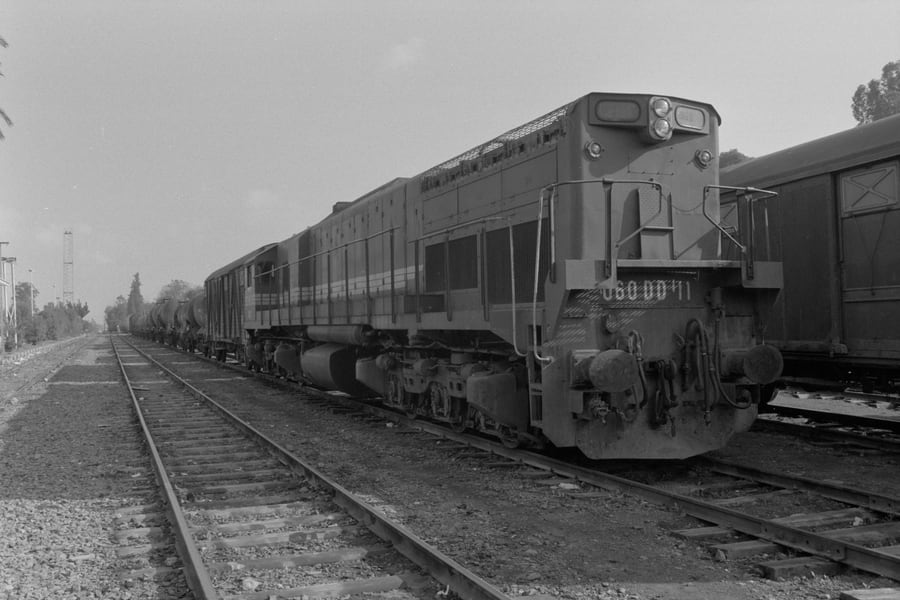
The Coradia is the train most people want. SNTF ordered seventeen of these Alstom units, built at Reichshoffen in Alsace: six cars, 110 metres long, 254 seats, air-conditioned, with a catering area, and bi-mode — able to run on diesel or on 25 kV electric power. They are good for 160 km/h, though average speeds on the line are nearer 80 to 90. The trains confort are conventional coaches behind a diesel locomotive, slower but with more stops — like the set standing behind 060-DH-13 beside the Coradia in the photograph at the top of this page.
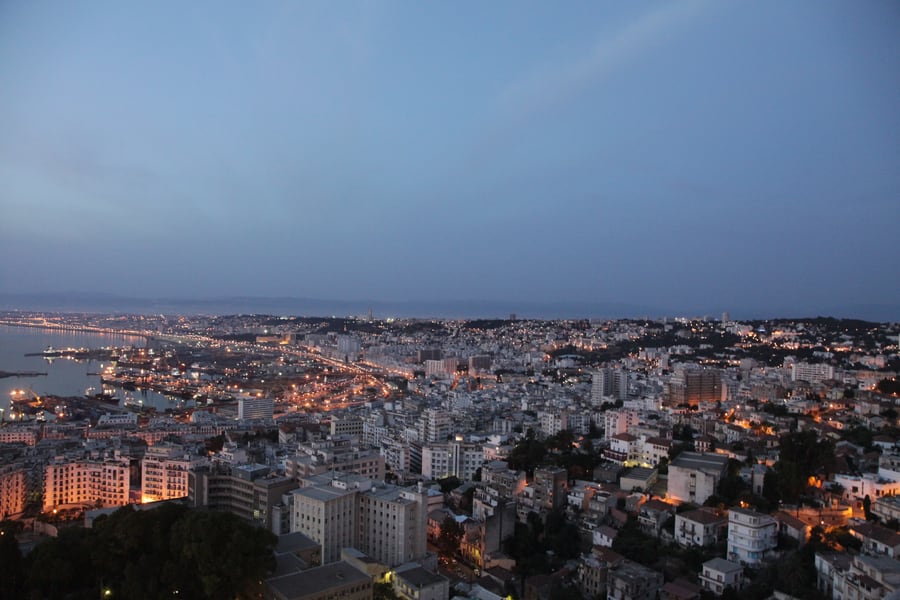
Along the route
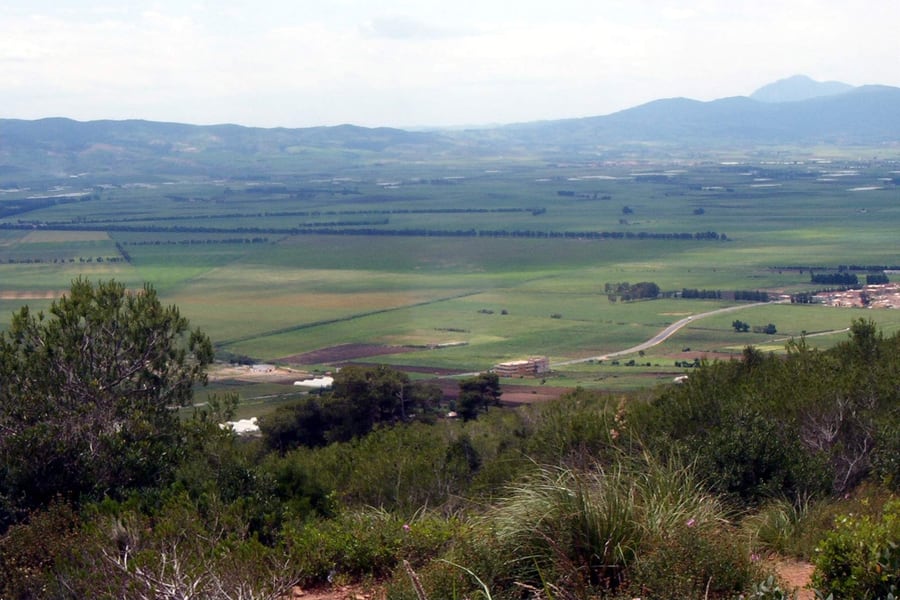 Yelles / Wikimedia Commons · CC BY-SA 3.0 · 2005 · cropped
Across the Mitidja
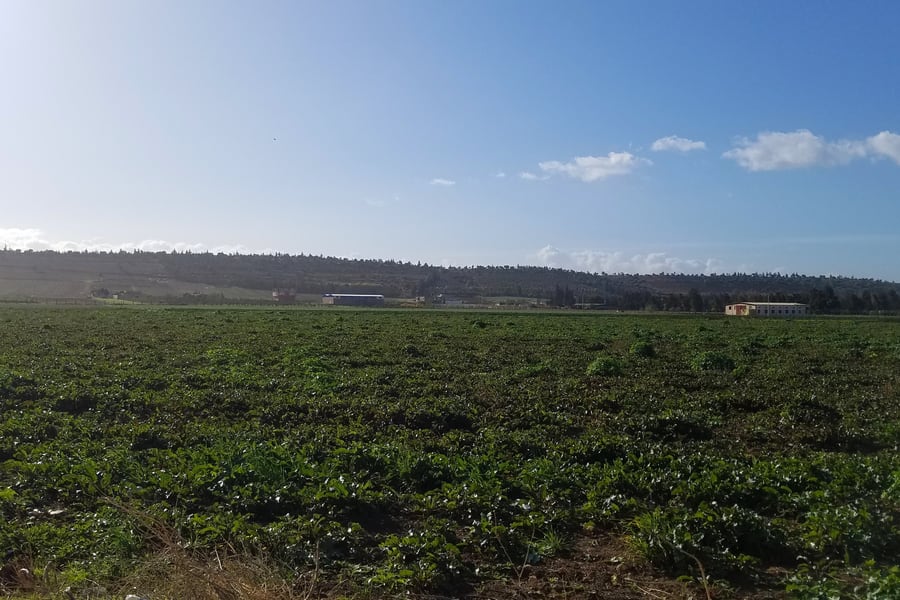
Between El Harrach and El Affroun the line crosses the Mitidja, a plain about a hundred kilometres long below the Blidean Atlas — the breadbasket of Algiers, in citrus to the east and vines to the west.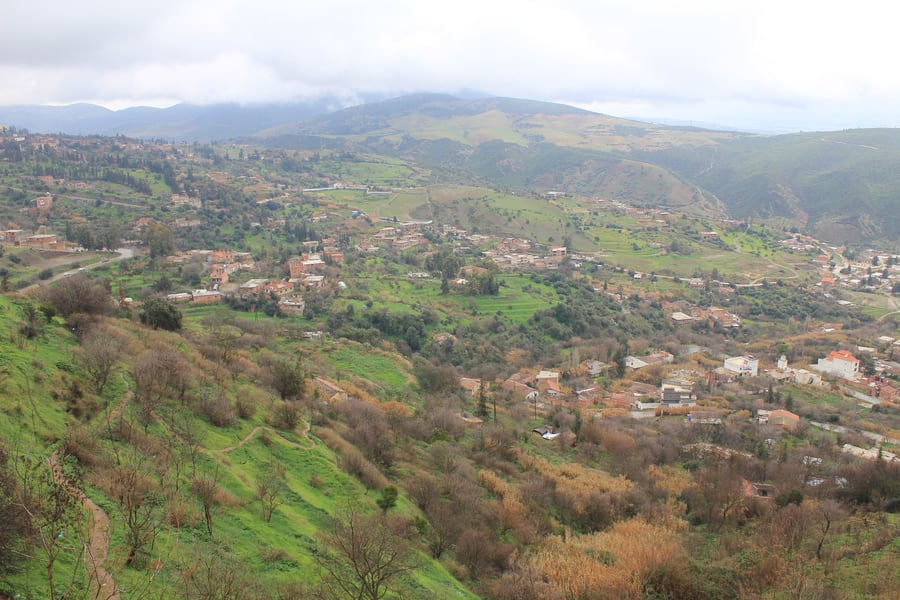 Xiaotong Gao / Wikimedia Commons · CC BY-SA 3.0 · 2015 · cropped
The climb to Khemis Miliana
Past El Affroun the wires end and the railway climbs into the hills, from about 100 metres to 500 and back down to 250. It is the only real gradient on the line, fifty kilometres of it, and the green country of the Zaccar.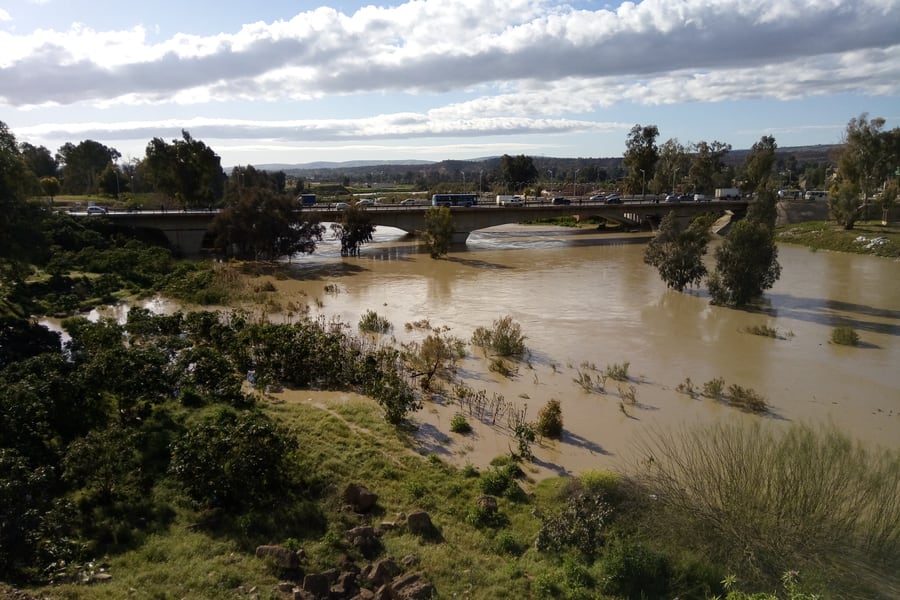 Soba 2022 / Wikimedia Commons · CC BY-SA 4.0 · 2018 · cropped
The Chelif valley
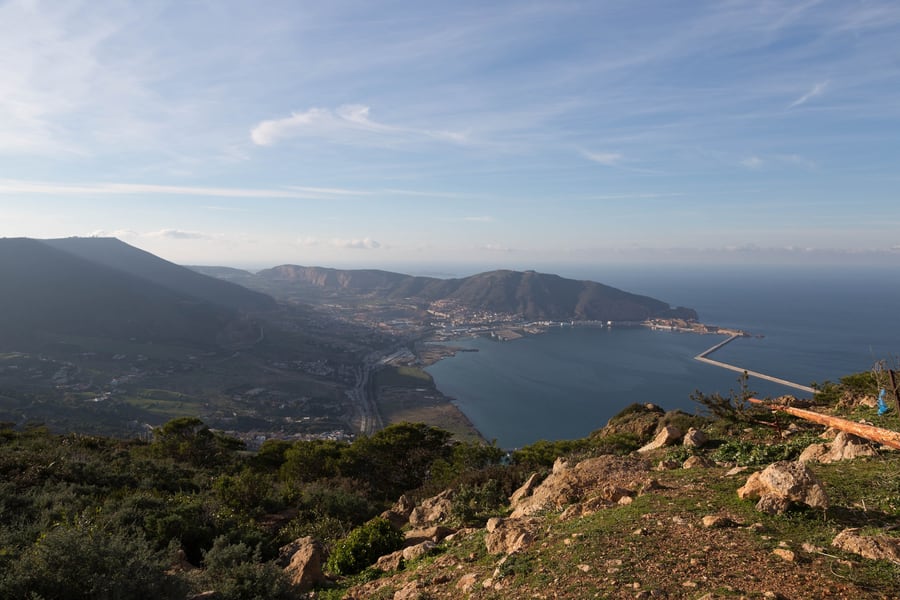
From Khemis Miliana the line follows the Chelif, at 700 kilometres the longest river in Algeria, down through Aïn Defla and Chlef towards Relizane. The 77 kilometres from Khemis Miliana to Chlef are double track.A bit of history
Culture & experiences along the way
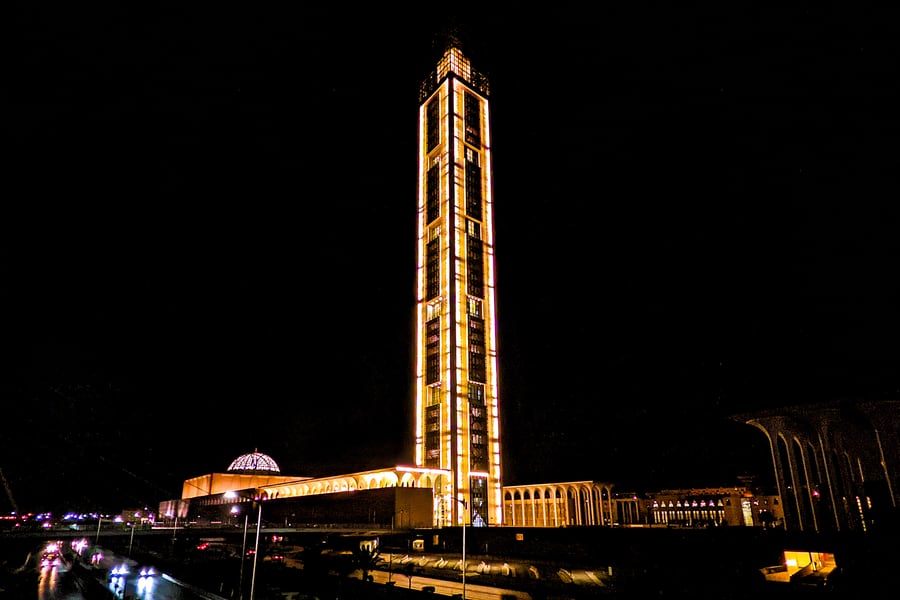 Abdellah zou / Wikimedia Commons · CC BY-SA 4.0 · 2022 · cropped
Djamaa El Djazaïr
In the Mohammadia district of Algiers, overlooking the Mediterranean, stands the Great Mosque of Algiers, opened in 2019, whose minaret rises 265 metres — the tallest in the world. The complex holds a museum of Islamic art, and the minaret has an observation deck at the top, looking out over the whole city.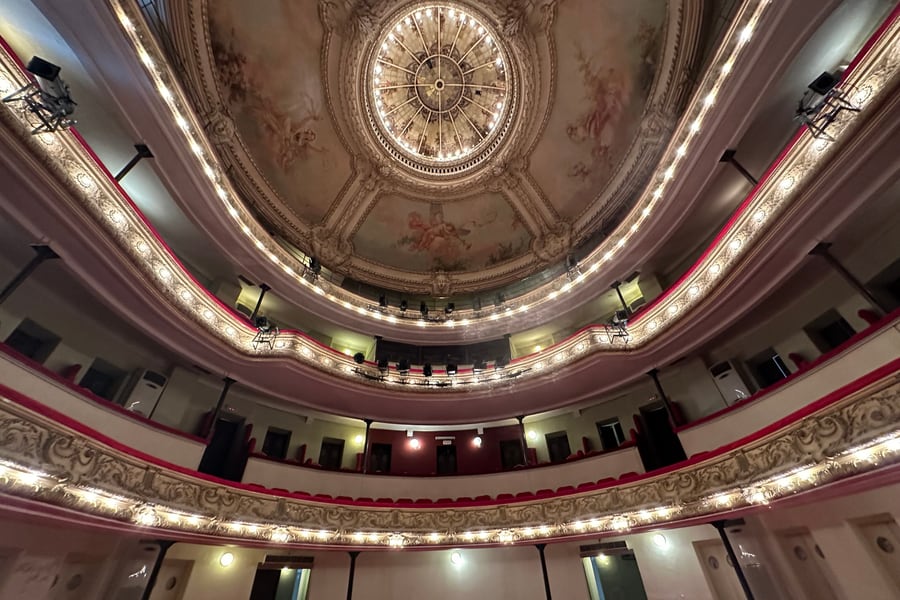 Rachid Hamatou / Wikimedia Commons · CC BY-SA 4.0 · 2023 · cropped
A night at the Théâtre régional d'Oran
Oran's municipal theatre was inaugurated in October 1908 and now carries the name of Abdelkader Alloula, the playwright who wrote in the Algerian Arabic of the street and was murdered in Oran in 1994. Its tiered auditorium under a painted dome is still a working regional theatre.Timetables
Four trains a day run in each direction, two Coradias and two loco-hauled trains confort. Every one starts or ends at Agha in Algiers, not at the old Algiers terminus by the port.
Algiers to Oran
| Train | Type | Algiers Agha | Blida | Chlef | Relizane | Oran |
|---|---|---|---|---|---|---|
| 1001 | Train confort | 05:50 | 06:42 | 09:24 | 10:36 | 12:05 |
| AM | Coradia | 08:00 | 08:44 | 10:25 | 11:30 | 12:38 |
| 1003 | Train confort | 14:00 | 14:50 | 17:18 | 18:32 | 20:01 |
| 1005 | Coradia | 17:00 | 17:44 | 19:42 | 20:34 | 21:49 |
Oran to Algiers
| Train | Type | Oran | Algiers Agha |
|---|---|---|---|
| 1002 | Train confort | 06:00 | 11:45 |
| MA | Coradia | 08:00 | 12:38 |
| 1004 | Train confort | 14:00 | 20:01 |
| 1006 | Coradia | 17:00 | 21:53 |
The trains run every day, with two exceptions: AM does not run on Wednesdays and MA does not run on Fridays, so on those days there is one Coradia in that direction instead of two. The Coradias also call at Aïn Defla and Mohammadia; the trains confort stop at many more, including El Harrach, El Affroun, Khemis Miliana, El Attaf, Oued Fodda, Oued Rhiou, Sig and Oued Tlelat.
As of November 2026, from SNTF's own timetable search. SNTF's site is sntf.dz (opens in a new tab); it could not be opened from outside Algeria while this page was written, and these times were read from its search engine through a third-party front end. Check them at the station before travelling — the arrival times in particular have moved more than once since the Coradias came in.
Tickets
Fares are set by SNTF and quoted in Algerian dinars. Algiers to Oran costs 1,860 in first class and 1,360 in second on a Coradia, and 1,200 and 900 on a train confort. Both classes are on every train.
Buy at the station counter. SNTF does take reservations online for its main-line trains, but payment there is by Algerian CIB bank card, so for a visitor the counter is the practical way to buy — the day before, if you can.
Book your tickets
Coradia, first class
Algiers to Oran · 1,860 dinars
The fastest train on the line, with a catering area on board.
via sntf.dzCoradia, second class
Algiers to Oran · 1,360 dinars
The same four and a half hours for five hundred dinars less.
via sntf.dzTrain confort
Algiers to Oran · 1,200 first · 900 second
The slower loco-hauled trains, which call at more of the towns along the way.
via sntf.dzRail Passes
No rail pass covers Algeria. Interrail and Eurail stop at the European shore of the Mediterranean, and no North African railway is in either network; SNTF has no pass of its own for visitors, so every journey is an ordinary ticket.
Nothing is lost by that here. First class on the fastest train from Algiers to Oran is 1,860 dinars for 420 kilometres, among the lowest long-distance fares on this site, and a pass could never pay for itself.
As of November 2026, from Interrail's own list of One Country Passes.
Places to Visit
Both ends of the line are cities worth days of their own, and two of the towns between reward a break in the journey. They are listed here from east to west, in the order the train meets them.
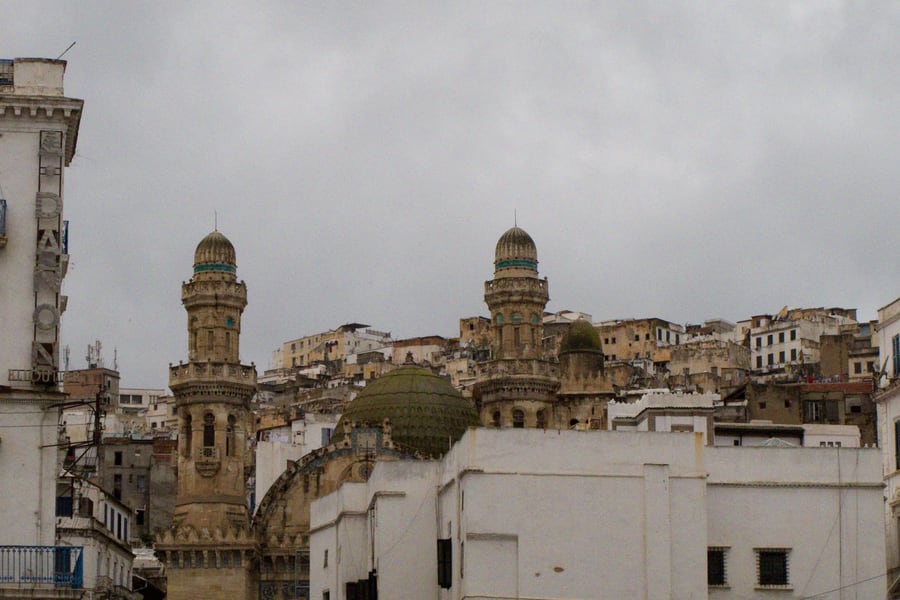 Poudou99 / Wikimedia Commons · CC BY 3.0 · 2010 · cropped
The Casbah of Algiers
The old town climbs the hill above the port in a tangle of white terraces, stairways and covered alleys, founded by the Zirids in the tenth century and the seat of power under the Ottoman regency. A UNESCO World Heritage Site since 1992, it keeps Ottoman palaces, old mosques, hammams and souks, and some fifty thousand people still live in it.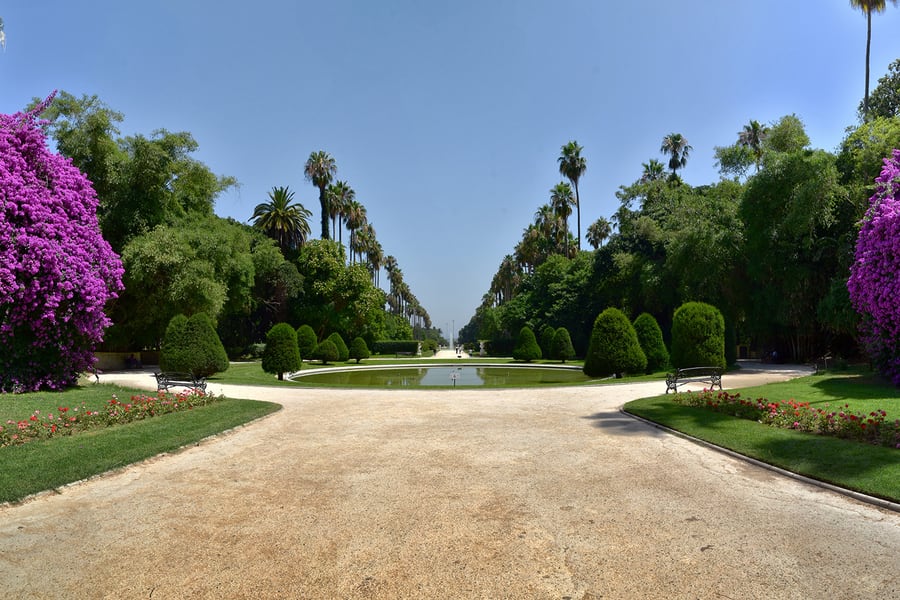 Billal Haddadi / Wikimedia Commons · CC BY-SA 4.0 · 2017 · cropped
The Jardin d'Essai du Hamma
Laid out in 1832 as a trial garden for the plants of every continent, the Hamma garden now covers 32 hectares below the Musée national des Beaux-Arts, with avenues of washingtonia palms, dragon trees, ficus and bamboo, a French garden and an English one with its own lake. The Algiers metro has a station at its gate.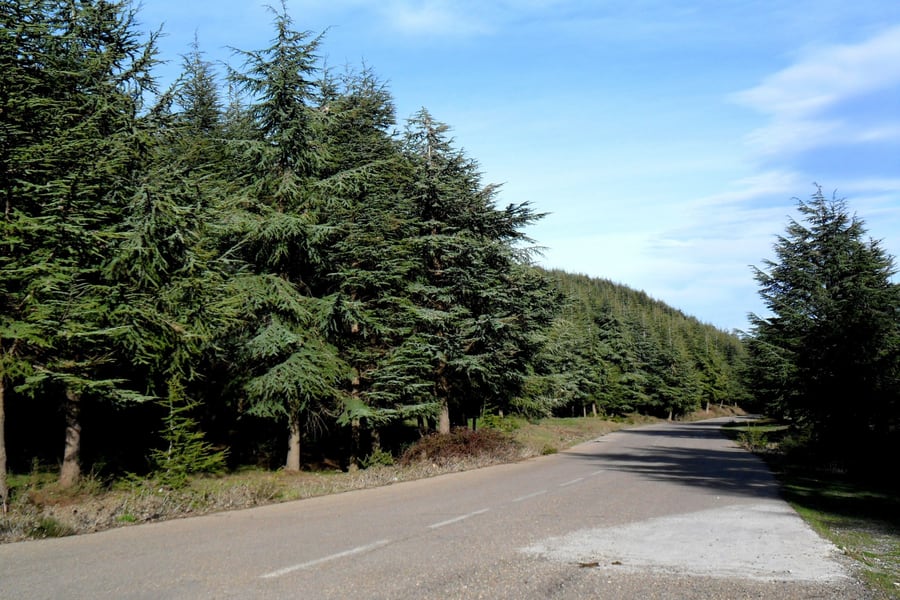 habib kaki / Wikimedia Commons · CC BY 3.0 · 2011 · cropped
Blida and the cedars of Chréa
Blida sits at the foot of the Blidean Atlas, and the mountain above it is Chréa National Park, created in 1997: nearly 37,000 hectares of Atlas cedar and more than 1,200 species of plants and animals, the Barbary macaque among them, with a ski station that is one of the few in Africa to run on natural snow.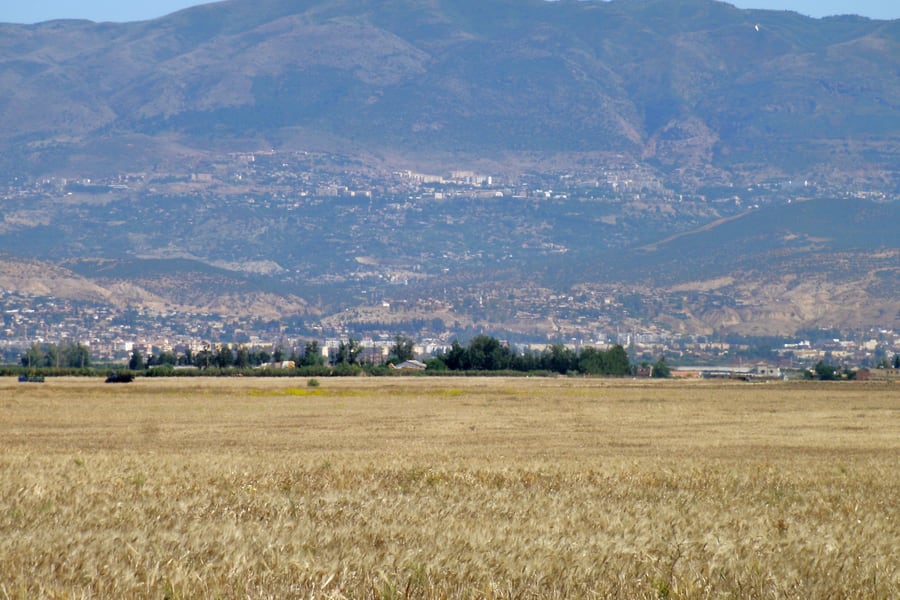 Yelles / Wikimedia Commons · CC BY-SA 3.0 · 2013 · cropped
Miliana
Above Khemis Miliana station, on a rocky shelf on the slopes of the Zaccar, sits the old town the Zirid prince Bologhine founded in the tenth century on the ruins of Roman Zucchabar. Its old quarter is a protected heritage site, and the town looks straight down over the plain and the Chelif valley the train has just crossed.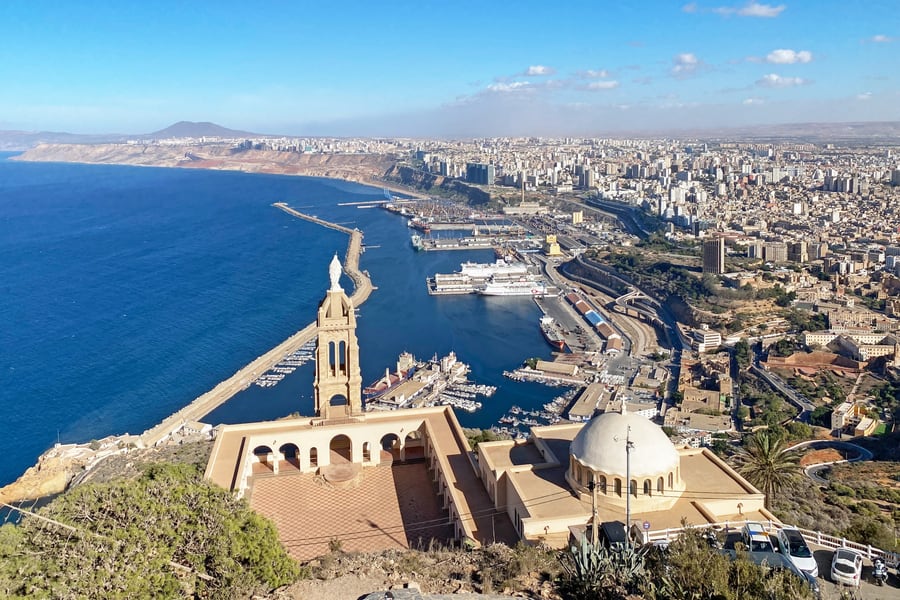 Bernard Gagnon / Wikimedia Commons · CC BY 4.0 · 2025 · cropped
Santa Cruz, above Oran
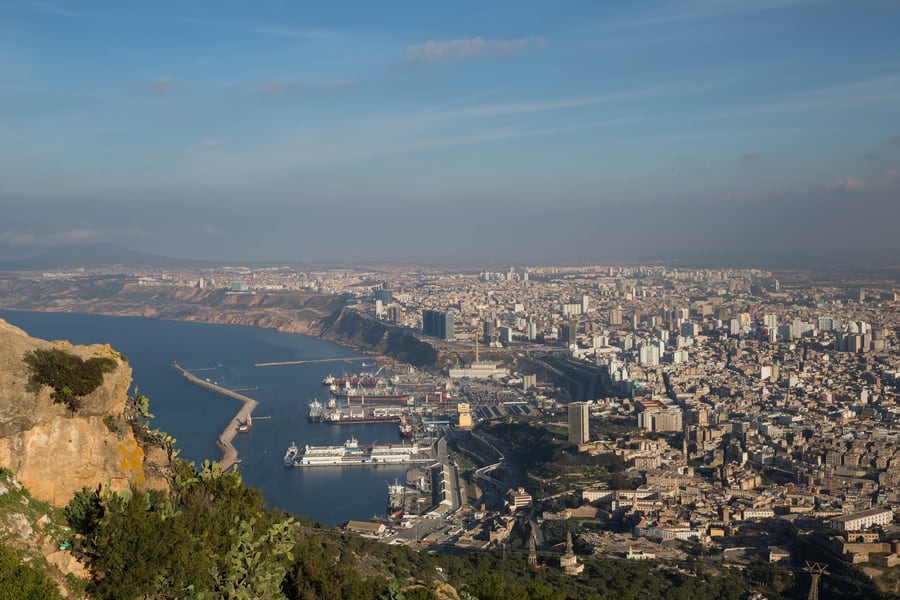
On the crest of the Murdjajo, at about 400 metres, the Spanish built the fort of Santa Cruz between 1577 and 1604. Below it stands the chapel raised in 1850 after the cholera epidemic of 1849, since enlarged into a basilica with a belvedere. The view takes in the whole of Oran, its port and the gulf.Where to Sleep
The timetable makes this a daytime journey with no night on board, so the question is only which end to sleep at. In Algiers the 05:50 departure means a bed within easy reach of Agha station. In Oran the Coradia arrives at 12:38, in time for a full afternoon in the city.
Where to stay
 Rachid Hamatou / Wikimedia Commons · CC BY-SA 4.0 · 2023 · cropped
Hôtel El Djazaïr
The former Saint George, in Algiers since 1889
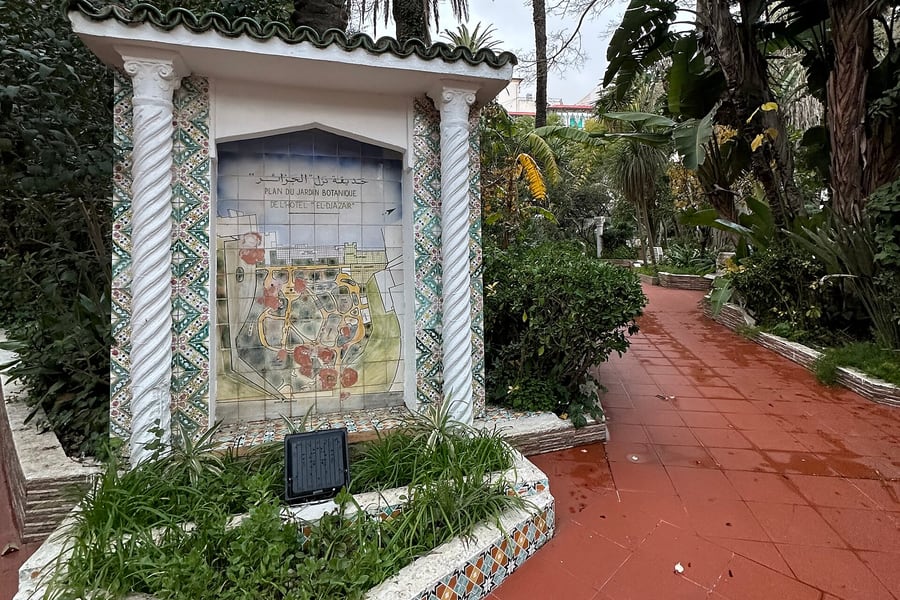
Built on an Ottoman-era palace above the city, with 287 rooms and a 7,000 m² botanical garden.
Check Availability (opens in a new tab, on chaineeldjazair.com)via chaineeldjazair.com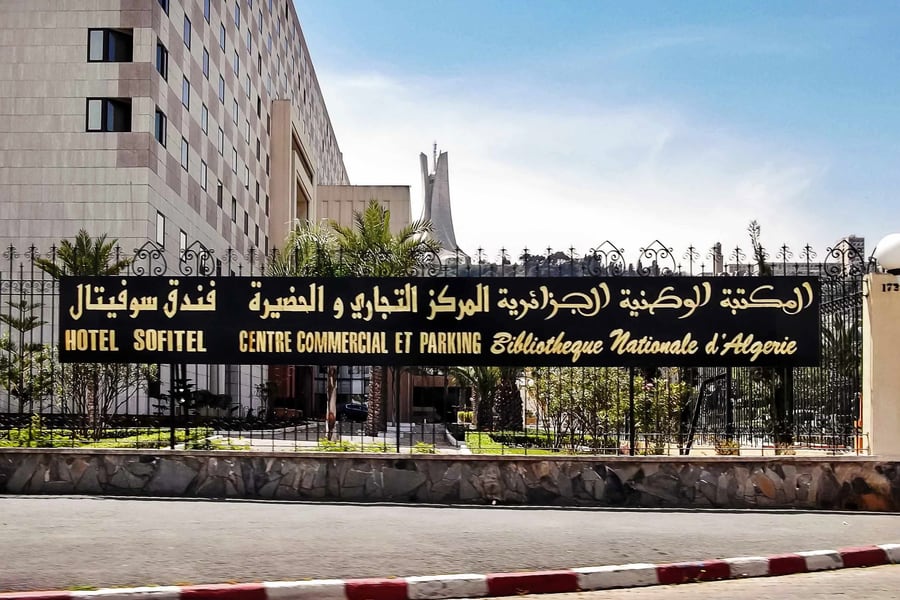 habib kaki / Wikimedia Commons · CC BY 3.0 · 2014 · cropped
Sofitel Algiers Hamma Garden
Beside the Jardin d'Essai
On rue Hassiba Ben Bouali, next door to the Jardin d'Essai botanical garden.
Check Availability (opens in a new tab, on sofitel.accor.com)via sofitel.accor.com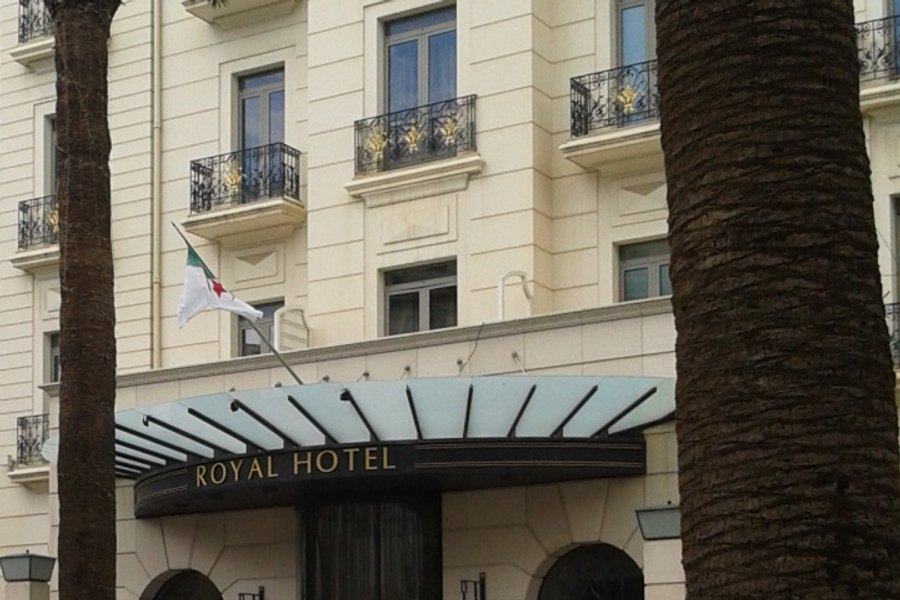 وهراني / Wikimedia Commons · CC BY-SA 3.0 · 2013 · cropped
Royal Hotel Oran
On Boulevard de la Soummam since 1920
A hotel since 1920, beside the Place du 1er Novembre in the centre of Oran.
Check Availability (opens in a new tab, on mgallery.accor.com)via mgallery.accor.comPractical information
Start at Agha. The long-distance trains to Oran leave from Agha station, not from Algiers station by the port; SNTF's own timetable search returns nothing for Oran if you search from "Alger".
Pick the train for the day you want. The 08:00 Coradia arrives in Oran at 12:38 with the afternoon free; the 05:50 train confort takes the slow road and calls at the small towns of the Chelif valley. On a Wednesday there is no morning Coradia from Algiers, and on a Friday none from Oran.
Allow for delays. The timetable is a plan rather than a promise, and trains on this line have been known to arrive well over an hour late. Do not build a tight onward connection on an arrival time.
Going further. Oued Tlelat, the last stop before Oran on the trains confort, is where the line to Béchar branches off; the overnight train south to the Sahara leaves from Oran itself.
Questions or corrections
Planning this trip and stuck on something, or spotted a time, fare or detail that has changed? Send us a message about Algiers to Oran. We read every one, and we update this page when something has changed.