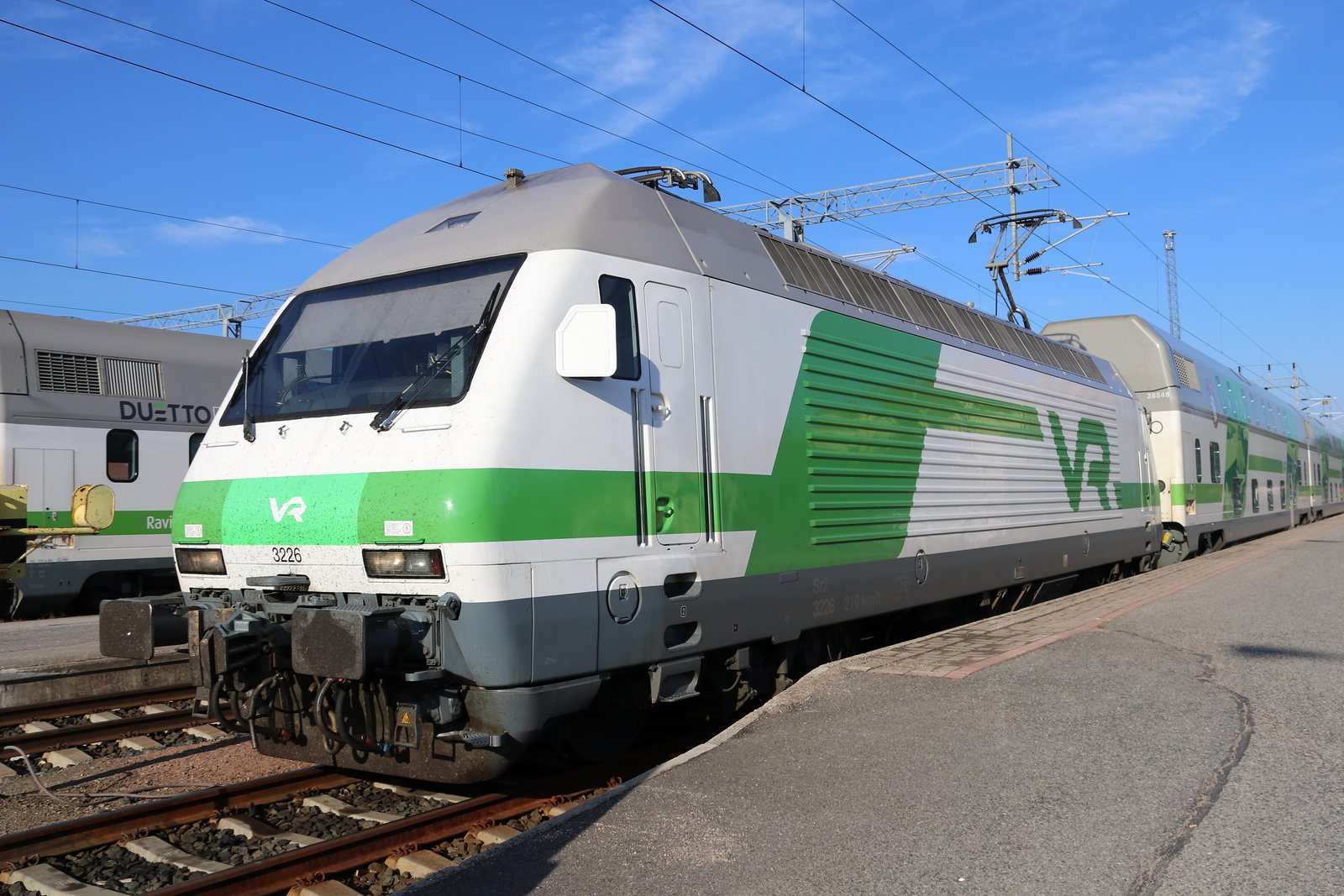
The Santa Claus Express
CC-BY-SA-4.0 Markus Giger (commons.wikimedia.org) · Wikimedia Commons · cropped
- DistanceHelsinki–Rovaniemi · about 930 km
- DurationOvernight · about 12 hours
- Best seasonDecember–March (snow & aurora); June–July (midnight sun)
Introduction
There is no better way to reach the Arctic than to go to bed in one city and wake up in another world. The Santa Claus Express is Finland's overnight train to Lapland — a double-decker sleeper that leaves Helsinki in the evening and, twelve hours and nearly a thousand kilometres later, sets you down in Rovaniemi, on the line of the Arctic Circle, in the snow and the low northern light.
It is a proper night train, and a comfortable one. You sleep in a cabin rather than a seat — the modern double-deck sleeping cars have lower-deck rooms with a washbasin, upper-deck rooms with their own shower and WC, and old-style three-berth compartments — with a restaurant car for dinner as the southern forests slide past the window. You can even load your car onto the special carrier wagons and drive Lapland at the far end, without the long haul north.
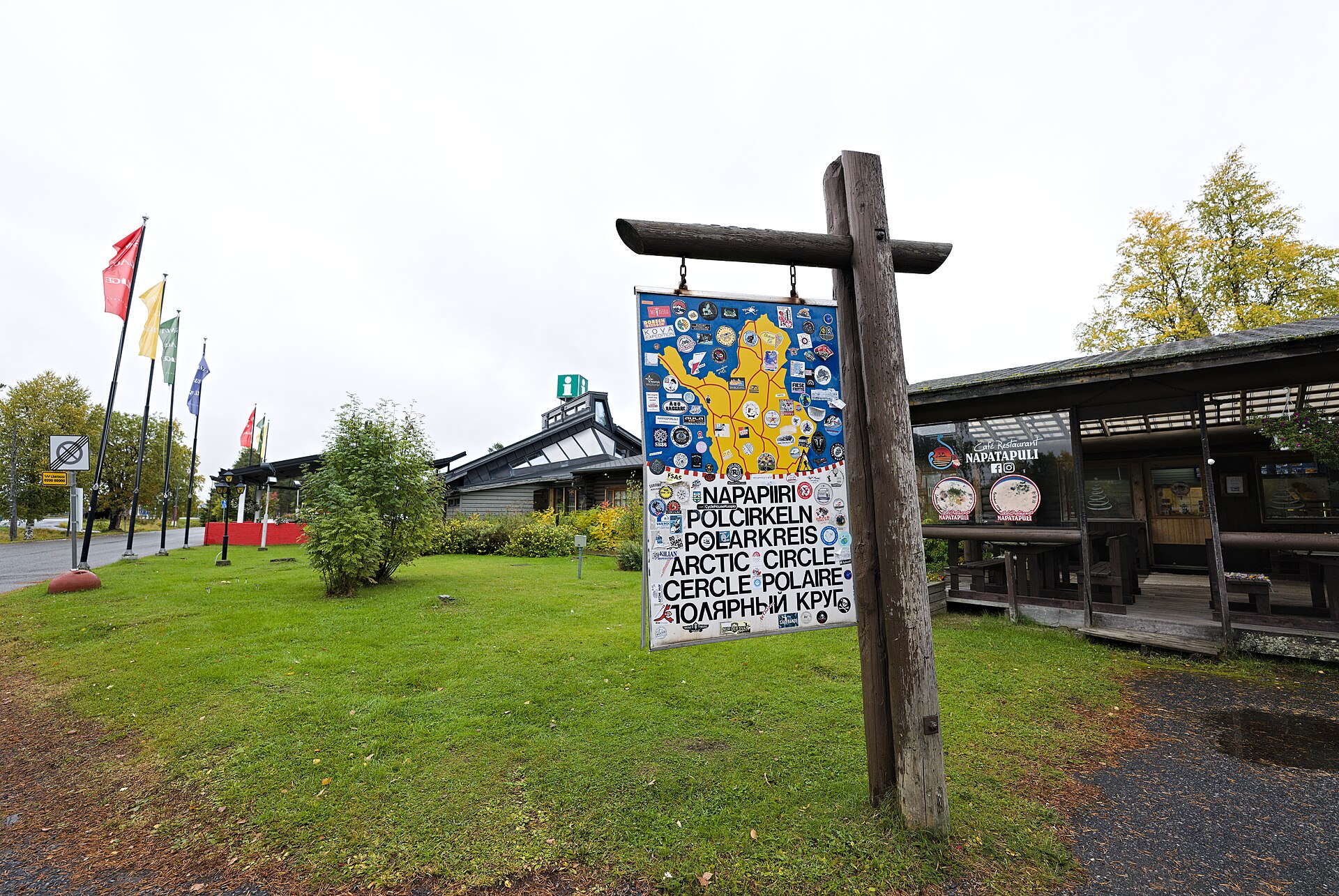
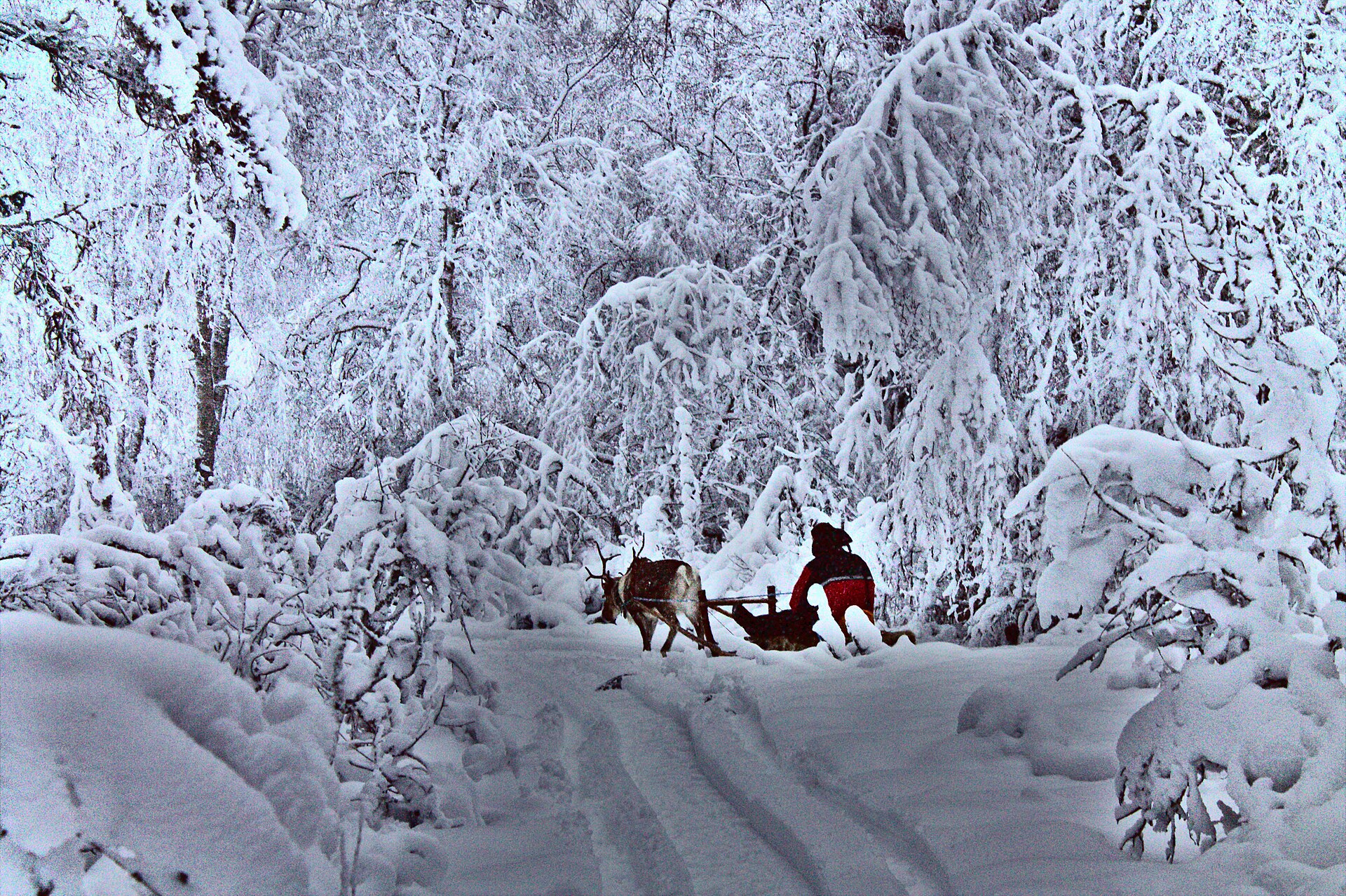
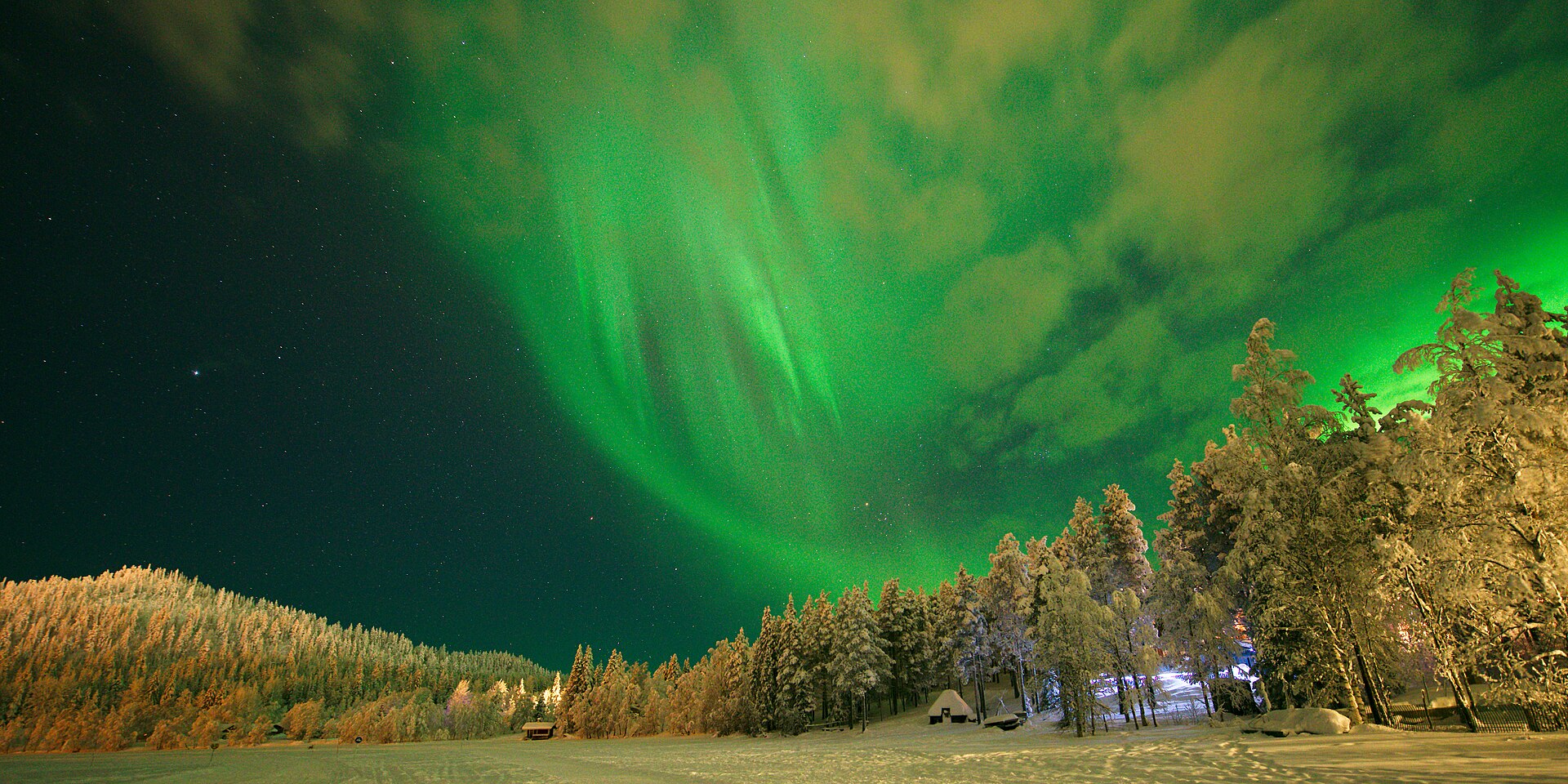
And the far end is the draw. Rovaniemi calls itself the official home town of Santa Claus, and the Santa Claus Village on the Arctic Circle is open all year. But the real magic is the land itself: reindeer and husky teams, frozen forest, the northern lights overhead in winter and the midnight sun that never sets in summer. The train is how Finns have reached it for generations — and still the finest way to arrive.
The Journey
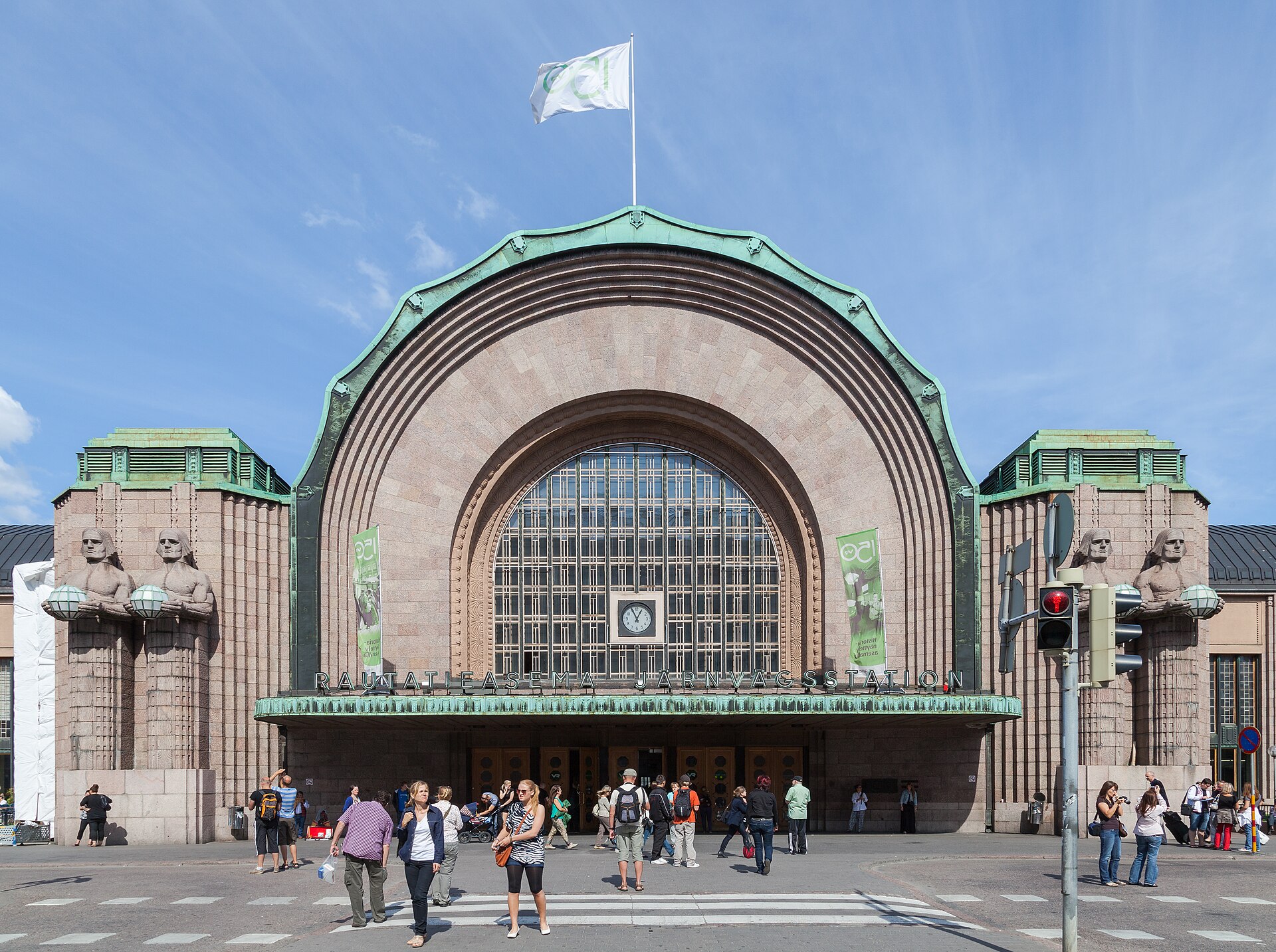
The journey begins under the great granite arches of Helsinki Central Station, one of the finest railway buildings in the world, in the early evening. You find your cabin, stow your bag, and as the train pulls out the city lights give way to the lake-and-forest country of southern Finland. Dinner is in the restaurant car — and then, somewhere around Tampere, you climb into your berth and let the train carry you north.
You sleep through the long middle of Finland — the lakes, the endless spruce, the crossing at Oulu on the Gulf of Bothnia — and wake to a changed world. The forest is shorter and whiter, the light is low and blue, and the stations have Sámi names. Soon after dawn the train slows for Rovaniemi, and you step down into the cold, dry air of Lapland, inside the Arctic Circle.
For all the romance, it is also a supremely practical train. Finns use it constantly — to reach the ski slopes, to visit family in the north, to get their car to Lapland on the carrier wagons without driving two days each way. In the depths of the ski season as many as five night trains run north from Helsinki each evening.
A few things worth knowing about the run:
- It is a VR double-decker night train, Helsinki (and Turku) to Rovaniemi, about 930 km, roughly 12 hours overnight.
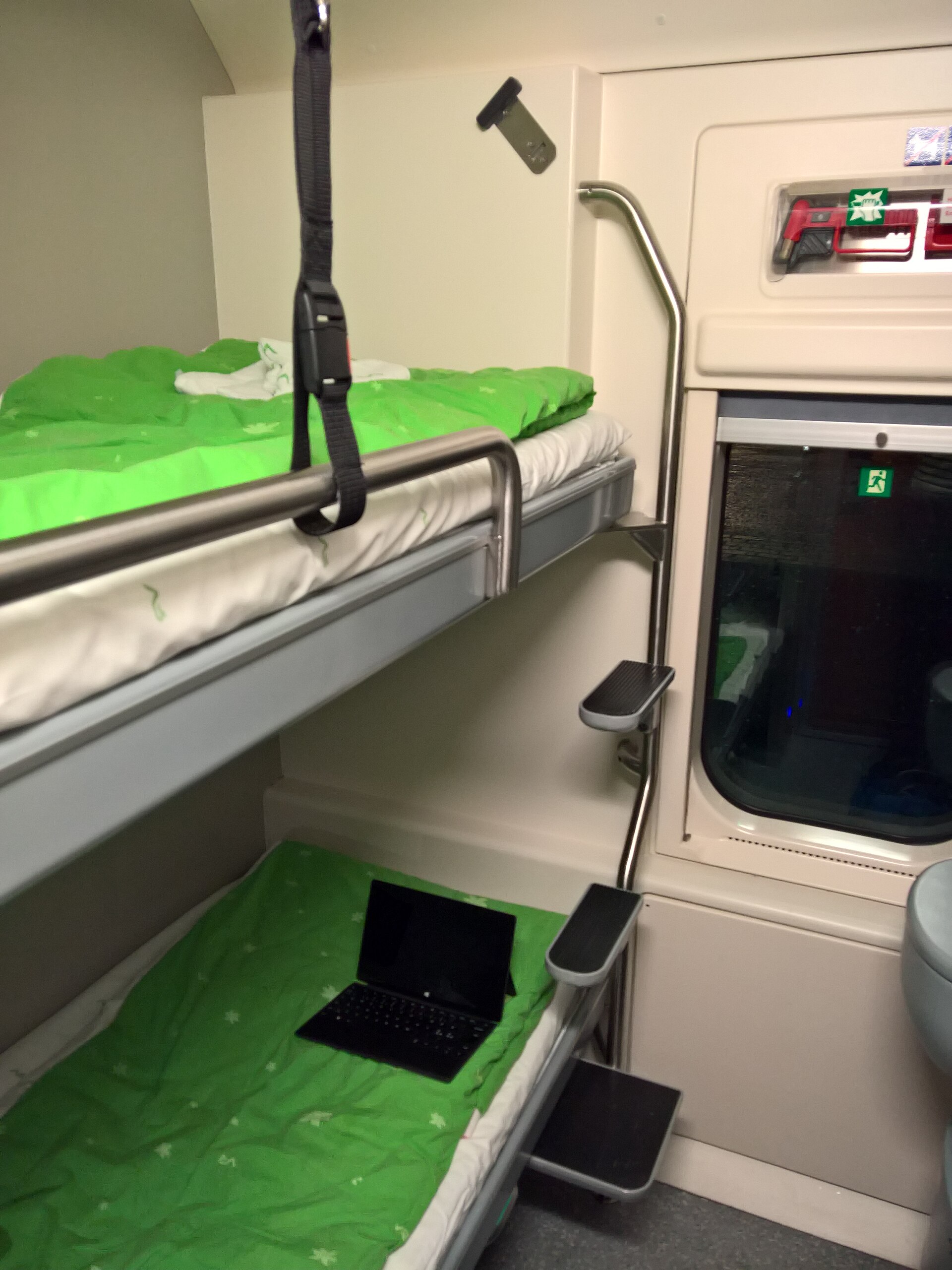
- You sleep in a cabin — lower-deck (washbasin), upper-deck (private shower & WC), or a nostalgic three-berth — with a restaurant car aboard.
- The train carries cars and motorcycles on special wagons.
- Book early for the December–March peak, when the whole country heads north for Christmas and the ski season.
Come in winter for the snow, the reindeer and the aurora; come in high summer for the midnight sun. Either way, the pleasure is the same: you go to sleep in the south and wake up in the Arctic.
Along the route
Leonhard Lenz / Wikimedia Commons · CC0Overnight to the Arctic Circle
This is the great romance of the train: you board in the capital in the evening, eat dinner as the southern forests slide by, sleep as the train works north, and wake inside the Arctic Circle — 930 km and a whole climate away, in the snow and the low Arctic light.Diego Delso, delso.photo, License CC BY-SA · Wikimedia CommonsBoard in Helsinki, wake in Lapland
The train leaves Helsinki Central in the evening and runs the length of Finland through the night, past Tampere and Oulu, reaching Rovaniemi soon after dawn. There is a restaurant car for dinner, and you can even bring your car on the special carrier wagons.Leonhard Lenz / Wikimedia Commons · CC0The home of Santa Claus
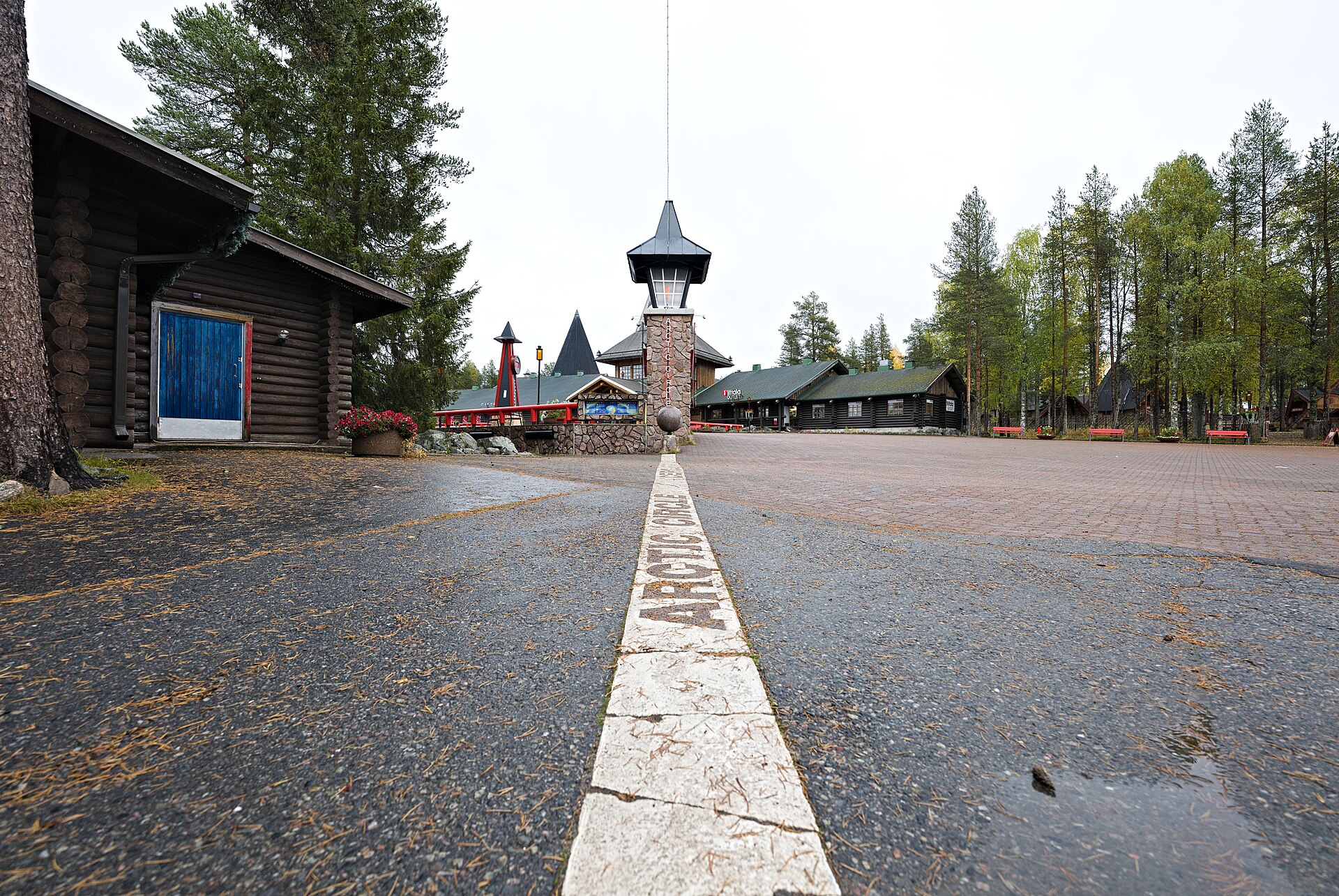
Rovaniemi bills itself as the official home town of Santa Claus, and the Santa Claus Village on the Arctic Circle just outside town is open all year — Father Christmas, the post office, huskies and reindeer. Kitsch, yes, but the train makes it a genuine Arctic pilgrimage.A bit of history
Culture & experiences along the way
Aleksi Kinnunen / Wikimedia Commons · CC BY-SA 4.0A cabin for the night
You sleep in a proper cabin, not a seat: two berths, clean linen and a window onto the dark forest. The double-deck sleeping cars come in three kinds — lower-deck cabins with a washbasin, upper-deck cabins with their own shower and WC, and nostalgic three-berth compartments — so you wake rested for Lapland.MattiKSinisalo / Wikimedia Commons · CC BY-SA 3.0Rovaniemi, capital of Lapland
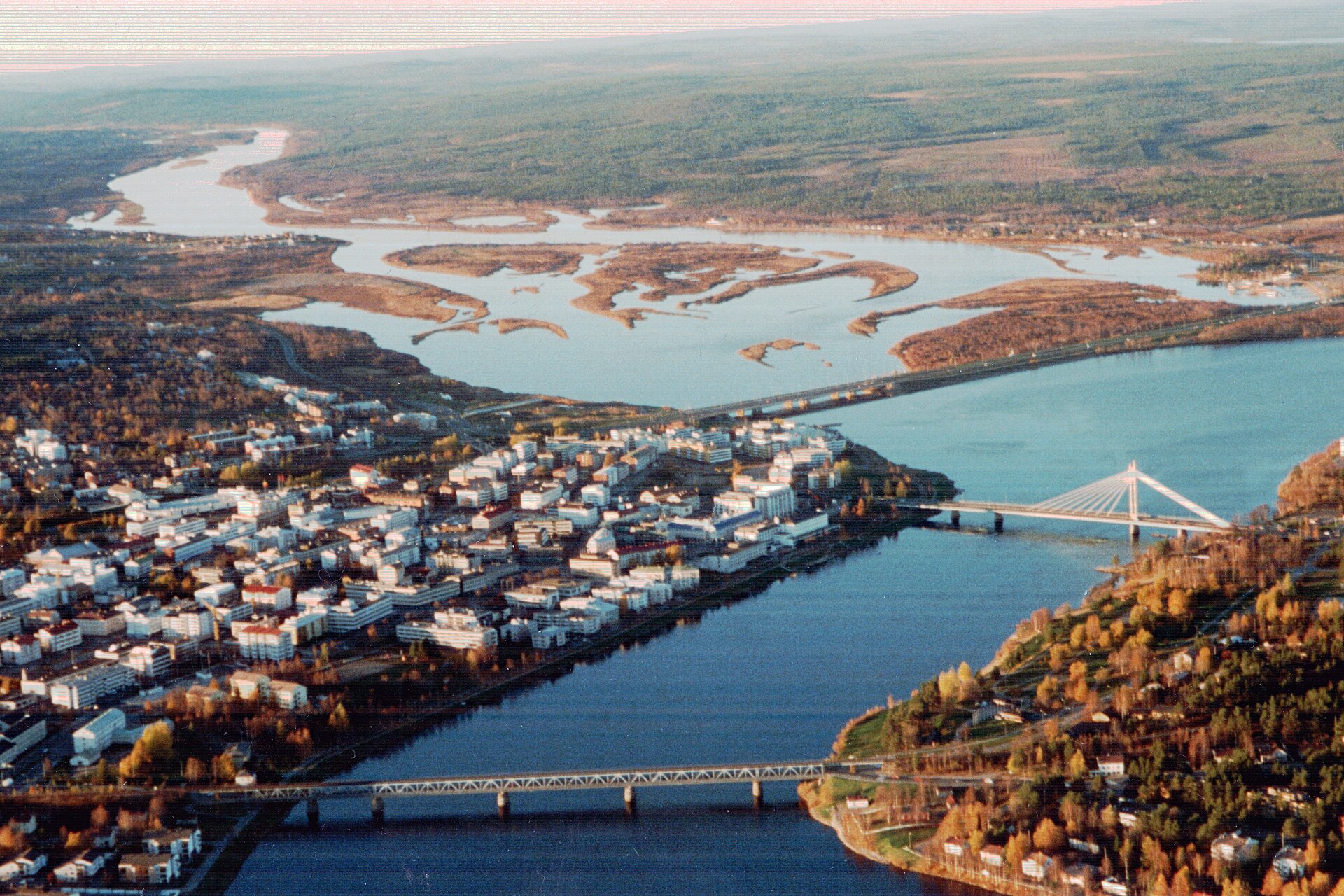
Flattened in the war and rebuilt to an Alvar Aalto plan said to trace a reindeer's antlers, Rovaniemi is the lively capital of Finnish Lapland — home to the excellent Arktikum museum of the north, and the base for husky safaris, snowmobiling and aurora-hunting.Manfred Wallner / Wikimedia Commons · CC BY 2.0Reindeer and the northern lights
This is the real draw. In winter the skies over Lapland are among the best on earth for the aurora borealis, and the land is reindeer country — sled rides, husky teams and frozen forest. Come in summer instead and the midnight sun never sets at all.Timetables
The Santa Claus Express runs every day, all year, as an overnight service — one (or, in the ski-season peak, several) trains north each evening, returning south overnight the next day.
Real times (2026 — confirm before travelling):
| Direction | Depart | Arrive |
|---|---|---|
| Helsinki → Rovaniemi | ~19:29 | ~07:20 (next day) |
| Rovaniemi → Helsinki | evening | ~morning |
The run is about 930 km and takes roughly 12 hours, calling at Tampere, Oulu and the Lapland towns. Some services also start from or run to Turku. In the busy pre-Christmas and ski weeks, up to five night trains leave Helsinki each evening for the north.
Good to know:
- Book well ahead. Cabins — especially the upper-deck ones with a private shower — sell out weeks in advance for Christmas and the February–March ski holidays. A train that is full online is full at the station.
- Choose your cabin. Lower-deck cabins have a washbasin; upper-deck cabins add a shower and WC; three-berth compartments are cheaper; there are reclining seats too, but for a 12-hour night a berth is worth it.
- Bring the car if you're touring — the car-carrier saves two long days of driving each way.
- Daytime option. Fast InterCity/Pendolino trains also run Helsinki–Rovaniemi by day (about 8–10 hours) if you would rather see the country in daylight.
Times as of the 2026 timetable. Confirm current schedules with the operator — see the Tickets section below.
Tickets
The train is run by VR, the Finnish state railway, and tickets are easy to arrange:
- Online, at vr.fi (opens in a new tab), which has a full English site and sells cabins by type and date; e-tickets go to your phone.
- At the station, from the machines and ticket office at Helsinki Central and the other stops.
You choose your accommodation:
- Lower-deck cabin — a two-berth room with a washbasin; the standard sleeper.
- Upper-deck cabin — a two-berth room with its own shower and WC; the one to book for comfort (and the one that sells out first).
- Three-berth compartment — the older-style nostalgic cabin, good value for families.
- Seats — reclining seats are the cheapest way, but for a night in the north a berth is worth it.
Add-ons include the car-carrier (load your car or motorcycle in Helsinki and collect it in Rovaniemi) and pet-friendly cabins.
Fares rise with demand and the season — Christmas and the ski holidays are dearest — so we don't quote a figure here; check current prices and the exact timetable on VR's site above, and book early for winter.
Book your tickets
Santa Claus Express · Helsinki to Rovaniemi
Sleeper cabins & seats
The overnight double-decker to the Arctic Circle, from Helsinki (or Turku) to Rovaniemi in about 12 hours. Choose a lower-deck cabin, an upper-deck cabin with private shower, a three-berth compartment, or a reclining seat. Booked with VR.
Book Tickets (opens in a new tab, on VR)via VRBring your car
Car-carrier wagons
The night train carries cars and motorcycles on special wagons, so you can drive Lapland without the two-day haul north — load the car in Helsinki, collect it in Rovaniemi in the morning. Booked as an add-on with your VR ticket.
Book Tickets (opens in a new tab, on VR)via VRRail Passes
Interrail passes are valid, but a cabin costs extra. Interrail's table of railway companies lists VR's night trains as included in Finland, so the train is covered by a one-country Interrail Finland Pass, the Interrail Nordic Pass or a Global Pass. Reservations for beds and cabins are compulsory, and Interrail strongly recommends reserving a seat. VR sells cabins whole, not by the bed, and charges pass holders 50% of a full fare:
| Reservation with a pass | Fee |
|---|---|
| Seat | €5 – €32.70 |
| Double sleeper cabin | €39 – €150 |
| Deluxe double cabin with private bathroom | €39 – €160 |
Prices vary by route and date, rising by up to 20% in high season. Booking early saves money on the reservation as well as the cabin.
A pass pays when the night train is part of a longer trip. With a cabin reservation at half the full fare, a pass saves only half the price of the ride itself.
Checked October 2026 against interrail.com (opens in a new tab) and Interrail's Santa Claus Express page (opens in a new tab) and night-train reservation fees (opens in a new tab).
Places to Visit
The train links the Finnish capital with the Arctic, and both ends are worth your time.
Helsinki, where the journey begins, is a compact, design-conscious Baltic capital of sea and granite. The Central Station itself, by Eliel Saarinen, is a masterpiece of National Romantic architecture; around it lie the Senate Square and its white cathedral, the harbour market, the sea-fortress island of Suomenlinna, and a city famous for its sauna culture, its Alvar Aalto and Marimekko design, and its clean modern food. Give it a day or two before you head north.
Rovaniemi, at the far end, is the capital of Finnish Lapland and the gateway to the Arctic. On the edge of town, on the line of the Arctic Circle, is the Santa Claus Village — Father Christmas year-round, the Arctic Circle marker, a post office that answers letters from all over the world, and reindeer and husky rides. In the town itself the superb Arktikum museum tells the story of the north and the Sámi peoples, and the whole city is a base for snowmobiling, husky and reindeer safaris and aurora-hunting.
Lapland beyond is the real reward. From Rovaniemi you can push on to the great national parks — Pyhä-Luosto, Urho Kekkonen — and the fell country, or ride the same railway on to the ski resorts. In winter it is a land of snow, silence and northern lights; in summer, of endless daylight, hiking and rivers. It is one of the last great wildernesses in Europe, and the night train sets you down right at its door.
 Diego Delso, delso.photo, License CC BY-SA · Wikimedia Commons · cropped
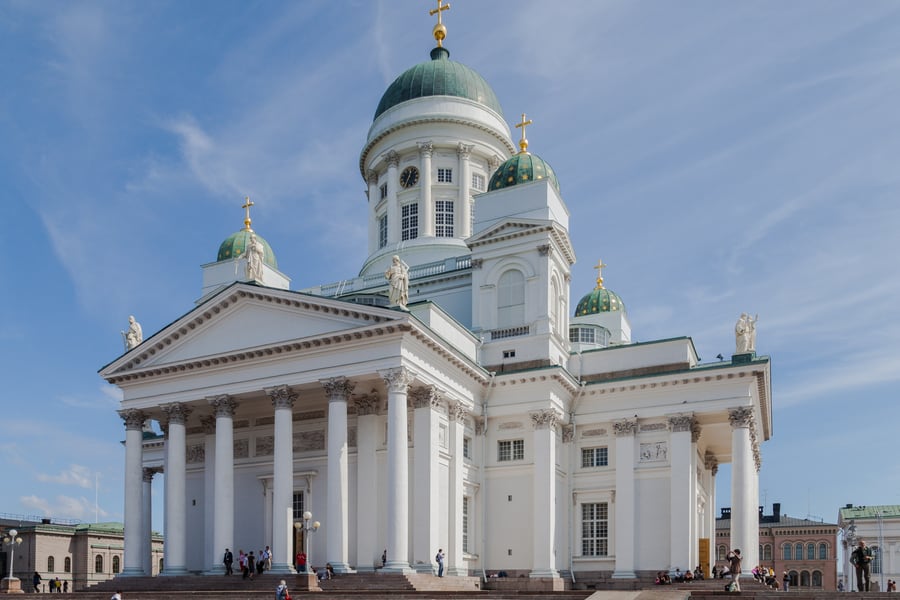
Senate Square
Carl Ludvig Engel laid out the square and then crowned it with this cathedral, built 1830–1852 and dedicated to St Nicholas — a tribute to Nicholas I, who ruled Finland as Grand Duke, and known as Nikolainkirkko until independence in 1917. The plan is a Greek cross, identical on all four sides, under a green dome with four smaller ones around it. The long flight of steps is where half of Helsinki sits in summer.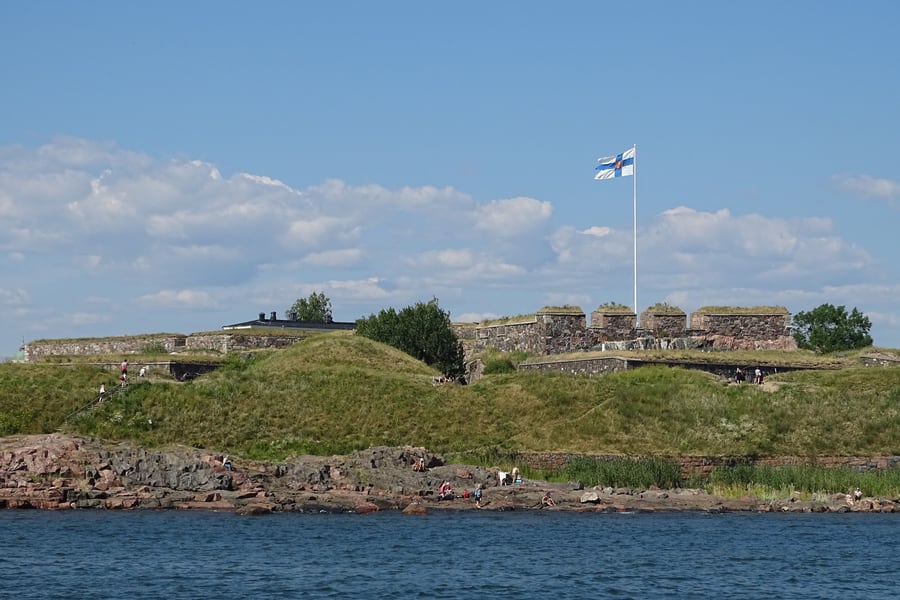 Ad Meskens / Wikimedia Commons · CC BY-SA 4.0 · cropped
Suomenlinna
A sea fortress spread over eight islands, begun in 1748 by the Swedish Crown against Russia and built to Vauban's star-fort principles by Admiral Augustin Ehrensvärd. For all its "Gibraltar of the North" reputation it gave up after two months in 1808, and Finland passed to Russia the following year. Renamed from Sveaborg in 1918 and made a UNESCO World Heritage Site in 1991. Fifteen minutes by ferry.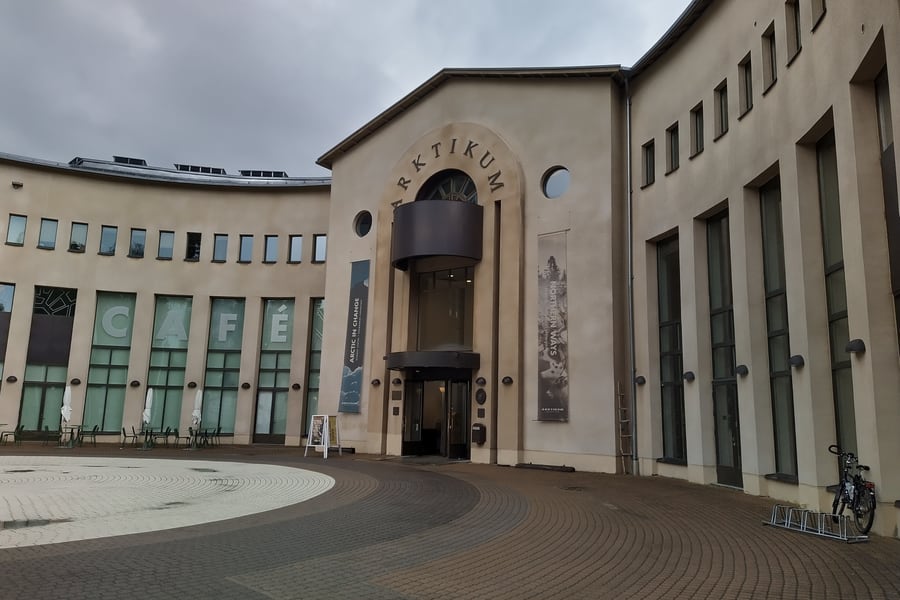 Pete from Liverpool, UK / Wikimedia Commons · CC BY 2.0 · cropped
Arktikum
Opened on 6 December 1992, the 75th anniversary of Finnish independence, and built as a 172-metre glass tube driven north into the riverbank — you come in at the south end and walk toward the Arctic. The galleries themselves are buried below ground, on the logic that northern animals survive winter by getting under the snow. Inside are the Arctic Centre and the Provincial Museum of Lapland.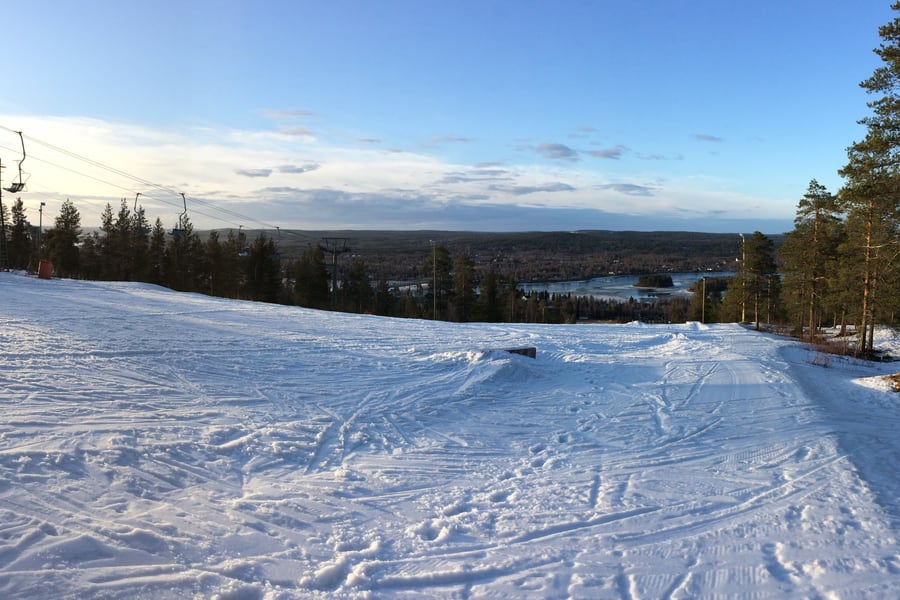 kallerna / Wikimedia Commons · CC BY-SA 3.0 · cropped
Ounasvaara
The bare-topped hill across the water from the centre, 203 metres up, with ski slopes on its flanks and the town laid out below. It stands exactly where the Ounasjoki ends and the Kemijoki begins — the one river running on from the other all the way to the Gulf of Bothnia. Three bridges cross to it, the best known being the Lumberjack's Candle. Ice-age boulder fields cover the summit.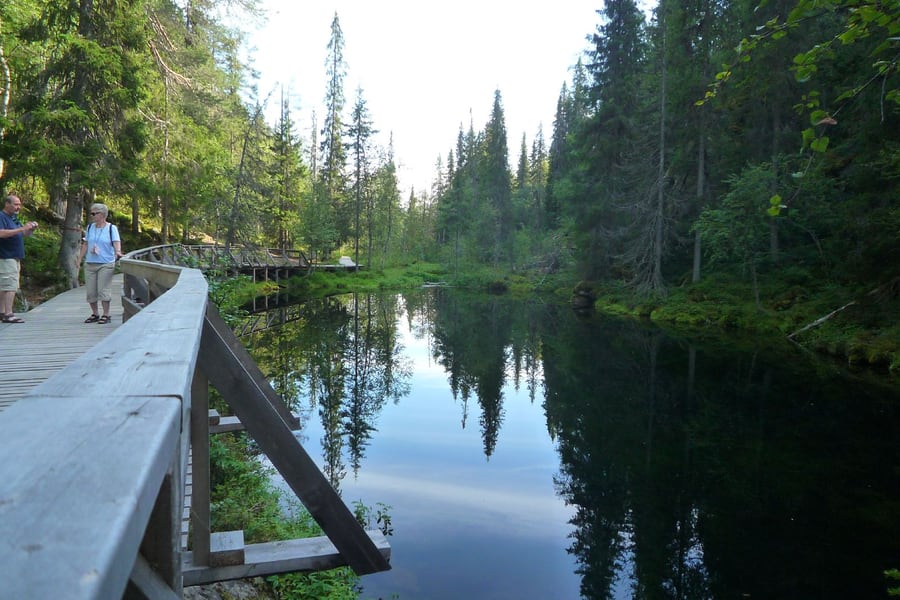 Timo Newton-Syms / Wikimedia Commons · CC BY-SA 2.0 · cropped
Pyhä-Luosto
Both Finland's oldest national park and one of its newest: Pyhätunturi, protected in 1938, was joined to Luosto in 2005 to make this 142 km² park. Its twelve fell summits are the worn stumps of a range nearly two billion years old, strung along a 35-km quartzite ridge, with 200-year-old pine on the slopes and Finland's deepest gorge, Isokuru, cut into it. Around 199,000 visits a year.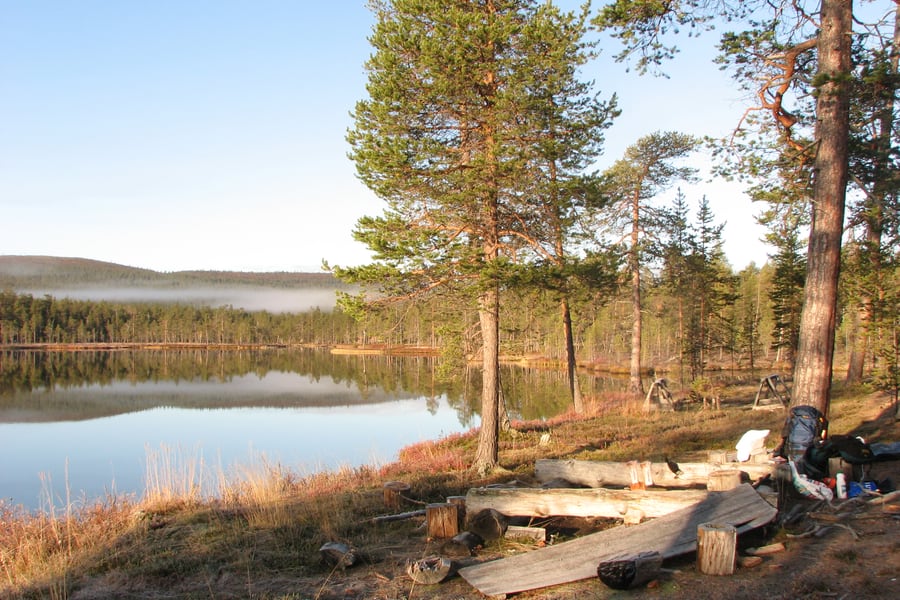 MattiPaavola / Wikimedia Commons · CC BY-SA 3.0 · cropped
Urho Kekkonen
2,550 km² of it — one of the largest protected areas in Finland, established in 1983 and named for the president who held office for a quarter of a century. The waymarked western paths near Kiilopää suit a first-time backpacker; east of them the country simply opens out into wilderness, and the Suomujoki runs through the north. Sámi reindeer herding is still a working livelihood across the whole park.Where to Sleep
The night you spend on this journey is, of course, on the train — a cabin rolling north is the whole point. The question is where to stay at each end.
In Helsinki, before you leave, the easy choice is a hotel in the compact centre, within walking distance of the Central Station, the harbour and the Esplanadi. Helsinki is small, safe and walkable, and staying centrally puts the design shops, the sauna-and-sea culture and the ferry to Suomenlinna all on your doorstep, with the night train a short stroll away when you go.
In Rovaniemi, there is a full range, from town-centre hotels near the Arktikum and the river to the famous Arctic experiences a little way out: glass-roofed igloos and cabins built for watching the aurora from your bed, log-cabin resorts, and the hotels of the Santa Claus Village itself. If you have come all this way for the northern lights, a night or two in a glass igloo out of the town's light is worth the splurge.
Further into Lapland, the fell resorts and the national-park villages have everything from wilderness huts to spa hotels, if you carry on north for skiing or hiking.
As with all our journeys, we keep this to the shape of the trip rather than specific bookings: sleep central in Helsinki, spend the night itself on the train, and choose in Rovaniemi between the convenience of the town and the magic of a glass igloo under the Arctic sky.
Questions or corrections
Planning this trip and stuck on something, or spotted a time, fare or detail that has changed? Send us a message about The Santa Claus Express. We read every one, and we update this page when something has changed.