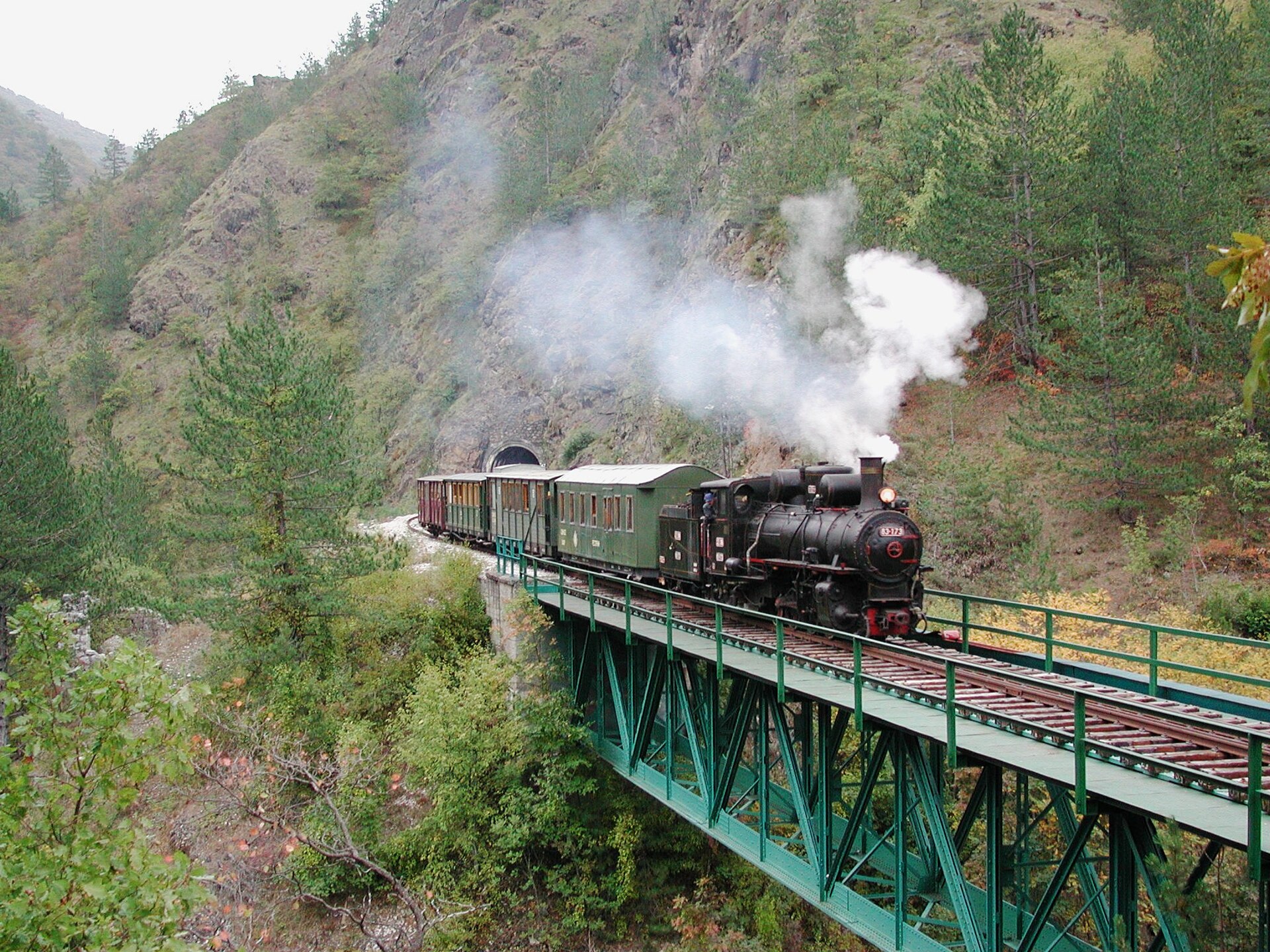
The Šargan Eight — Serbia's Figure-of-Eight Mountain Railway
Herbert Ortner / Wikimedia Commons · CC BY 3.0
- DistanceMokra Gora–Šargan Vitasi · 15.44 km
- DurationAbout 2½ hours there and back
- Best seasonLate spring to autumn (steam more likely; Zlatibor at its greenest)
Introduction
Some railways were built to be beautiful. The Šargan Eight was built to solve a problem — and ended up one of the most charming little railways in Europe by accident.
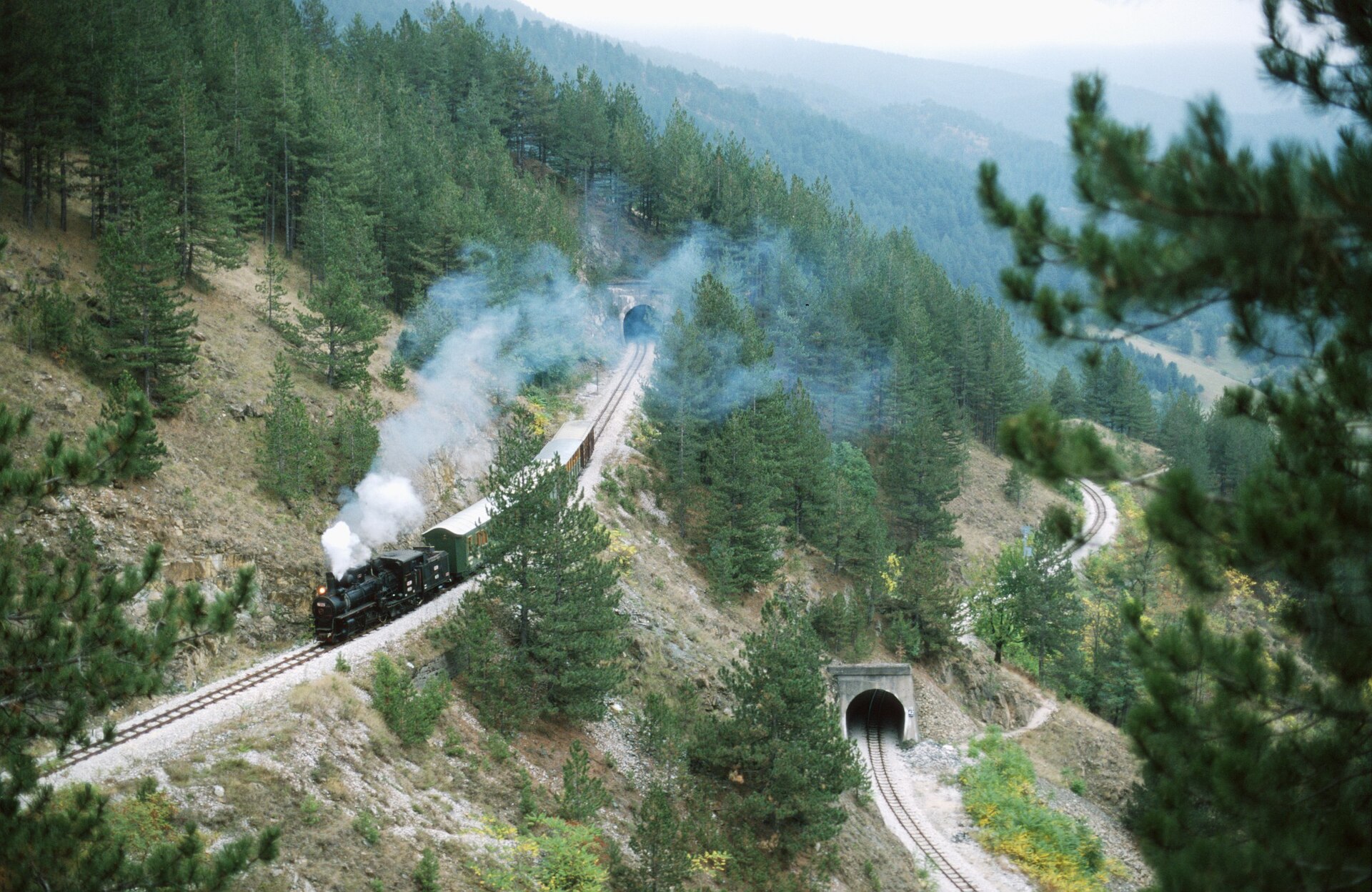
The problem was height. When Austria-Hungary pushed its narrow-gauge line through these mountains toward Sarajevo and the sea, it met the steep wall of the Šargan pass and could find no gentle way up. The answer, opened in 1925, was audacious: instead of climbing straight, the track was laid in a giant figure of eight, looping back over and under itself through a spiral of tunnels so that the little train could gain some 300 metres of height in barely fifteen kilometres. From the right hillside you can watch it pass below you, then above you, on the same slope.
For half a century these 760 mm trains — nicknamed "Ćiro" — were the lifeline of the region, part of a web of narrow-gauge lines that reached all the way from Belgrade to Dubrovnik. Then, in 1974, the whole network was closed and left to the weeds. It might have vanished entirely. Instead, enthusiasts and the railway rebuilt the most spectacular stretch, tunnel by tunnel, and in 2003 the Šargan Eight reopened as a heritage line.
Today the restored "Nostalgija" train — sometimes a whistling steam engine, sometimes a vintage diesel — carries visitors up from the pretty village of Mokra Gora to the summit station of Šargan Vitasi and back, pausing at the viewpoints so everyone can lean out and photograph the loops. It sits in a gorgeous corner of western Serbia, below the Zlatibor highlands and beside film-director Emir Kusturica's wooden village of Drvengrad — a half-day of pure railway theatre in a landscape that deserves a weekend.
The Journey
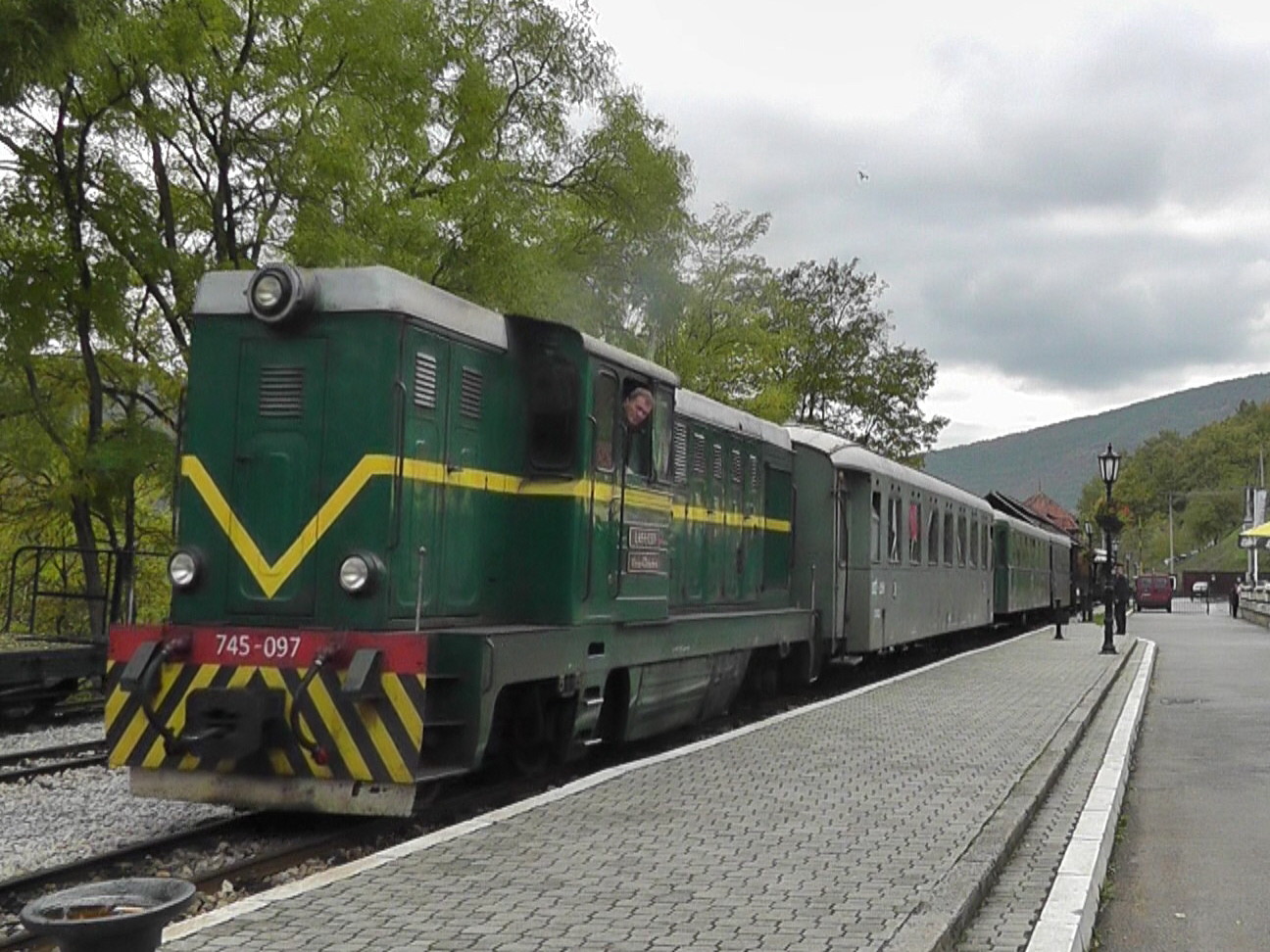
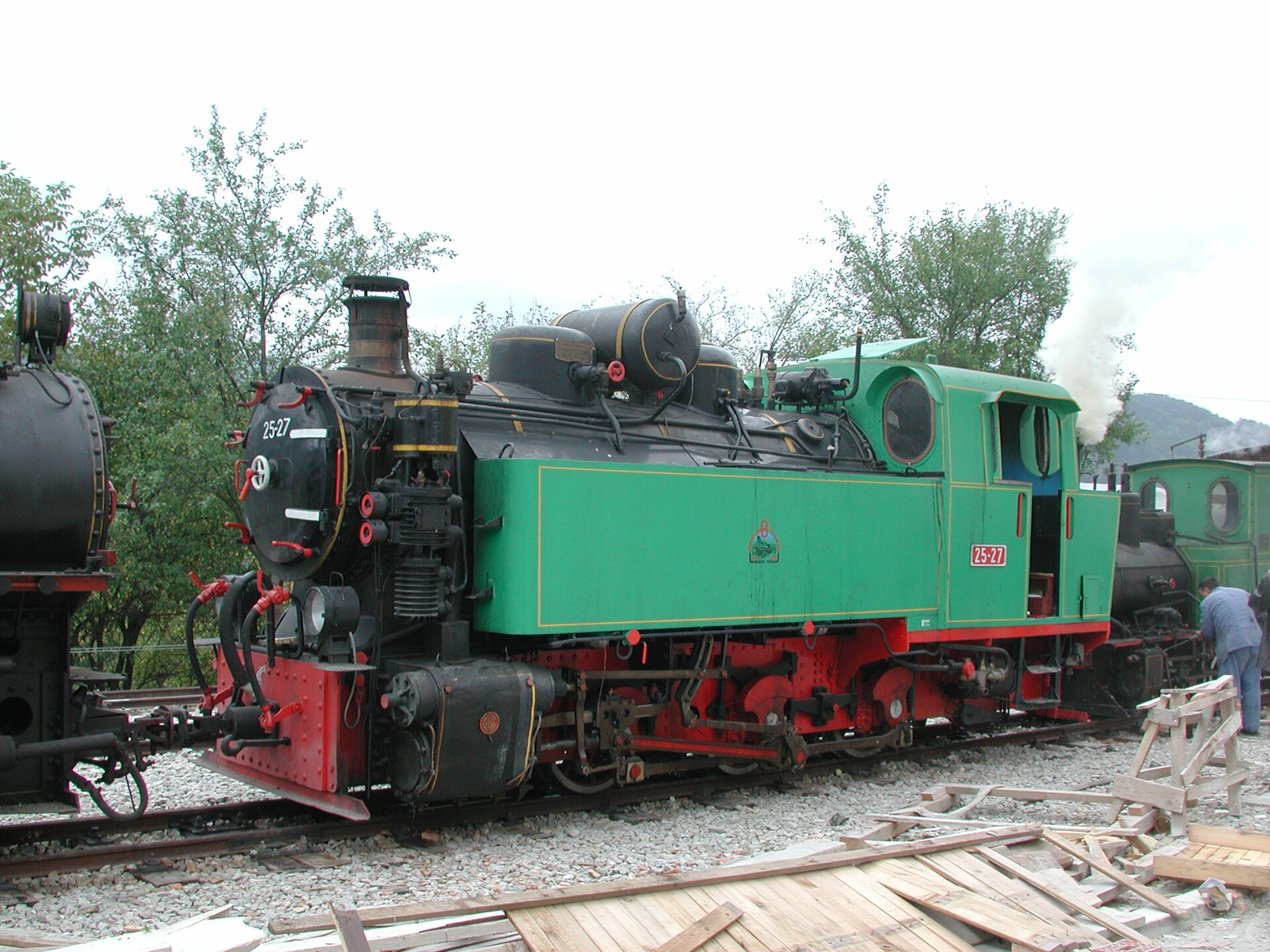
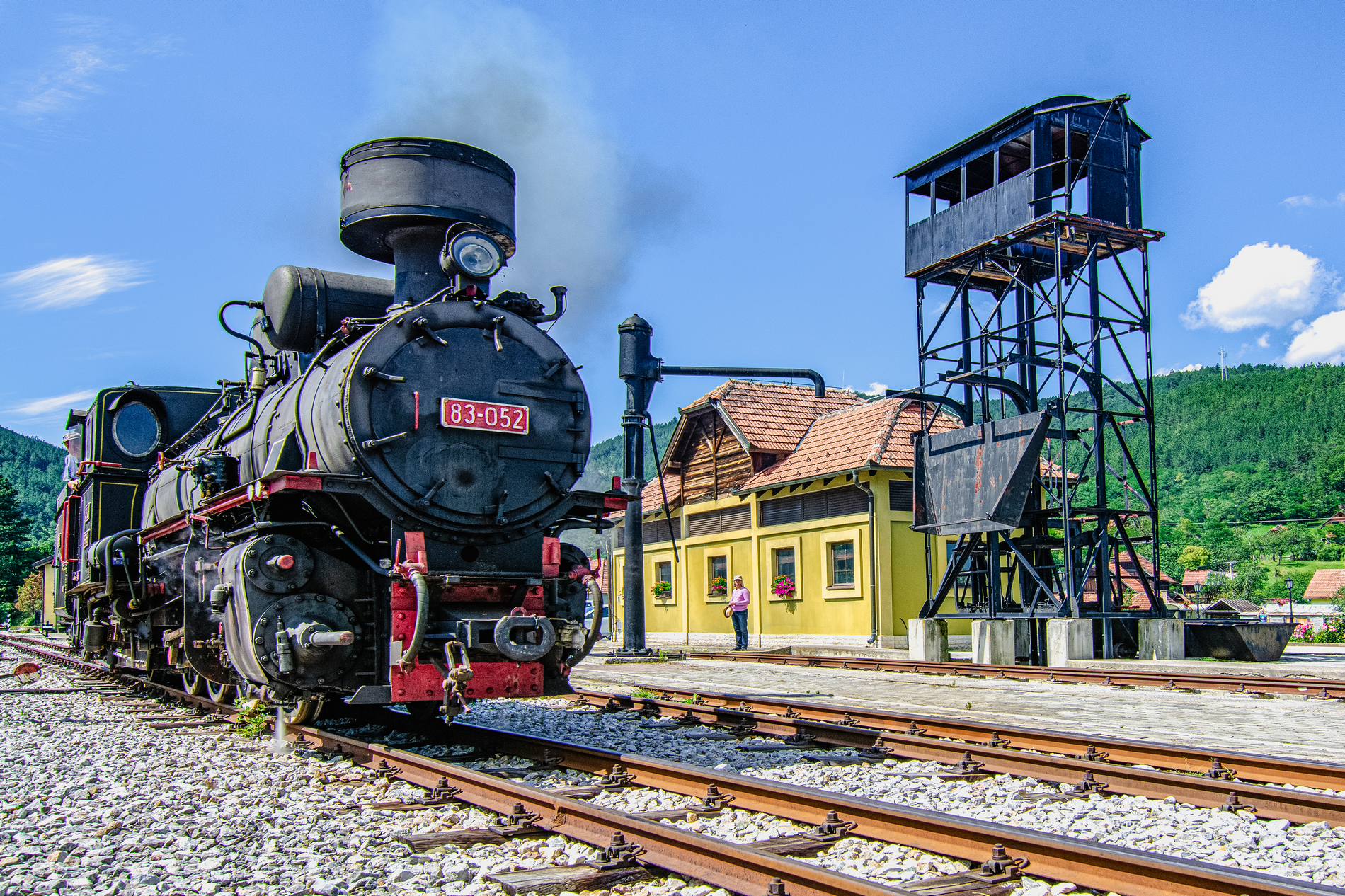
The ride begins at Mokra Gora, a village of steep meadows and wooden houses at the foot of the pass, where the little train waits at a neat period station with a water tower and a turntable. If you are lucky it is a steam engine at the head, breathing gently; on many days it is instead one of the line's vintage diesel railcars, no less characterful. Either way, the coaches are wooden-benched and open to the air, and the pace is a walking-speed amble made for looking.
Almost at once the work begins. The line curls out of the village and starts to climb, and within minutes you are into the first of the tunnels — there are twenty-two of them — bursting out each time onto a ledge with the valley dropping away below. This is the famous figure of eight: to gain height the track loops back on itself, so that the same slope carries the railway on two or even three levels. Look across the valley and you can often see the line you have just travelled, or the line you are about to.
The train pauses at the viewpoints — a real luxury of a heritage railway — and everyone piles out to photograph it curving over a green iron bridge or vanishing into the mountain. The high point, in every sense, is near the Šargan tunnel, the summit of the old line at over 800 metres, where the loops are most dramatic and the panorama over the wooded ridges of the Tara and Zlatibor country opens wide.
At the top comes Šargan Vitasi, a jewel of a station where the engine runs round its train for the descent. Then it all happens again in reverse — the bridges, the spirals, the sudden views — as the train drops back down to Mokra Gora. The whole excursion takes about two and a half hours, and it is impossible to do without grinning at least once at the sheer ingenuity of the thing.
Along the route
Herbert Ortner / Wikimedia Commons · CC BY 2.5The figure of eight
To climb the steep Šargan pass, the engineers laid the track in a giant figure of eight, looping it back over and under itself. In just 15 km it rises some 300 metres through 22 tunnels — and from the right spot you can see the line running on two levels at once.Herbert Ortner / Wikimedia Commons · CC BY 4.0The last of the Ćiro
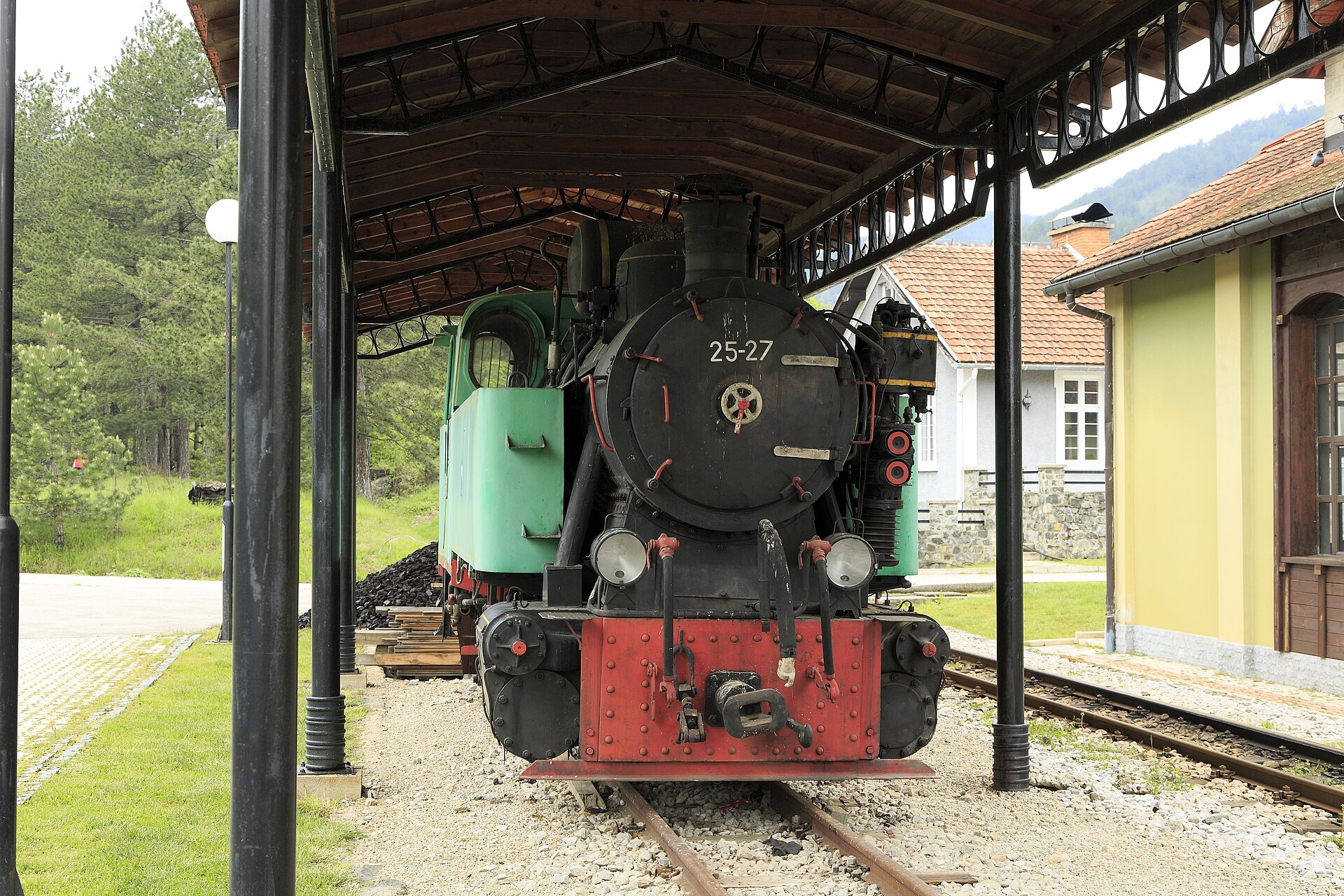
This little railway is a survivor of the vast 760 mm network — the beloved Ćiro trains — that linked Belgrade, Sarajevo and Dubrovnik until it closed in 1974. Rebuilt and reopened in 2003, the Šargan section is the last working piece of that lost world.White Writer / Wikimedia Commons · CC BY-SA 3.0Mokra Gora and Drvengrad
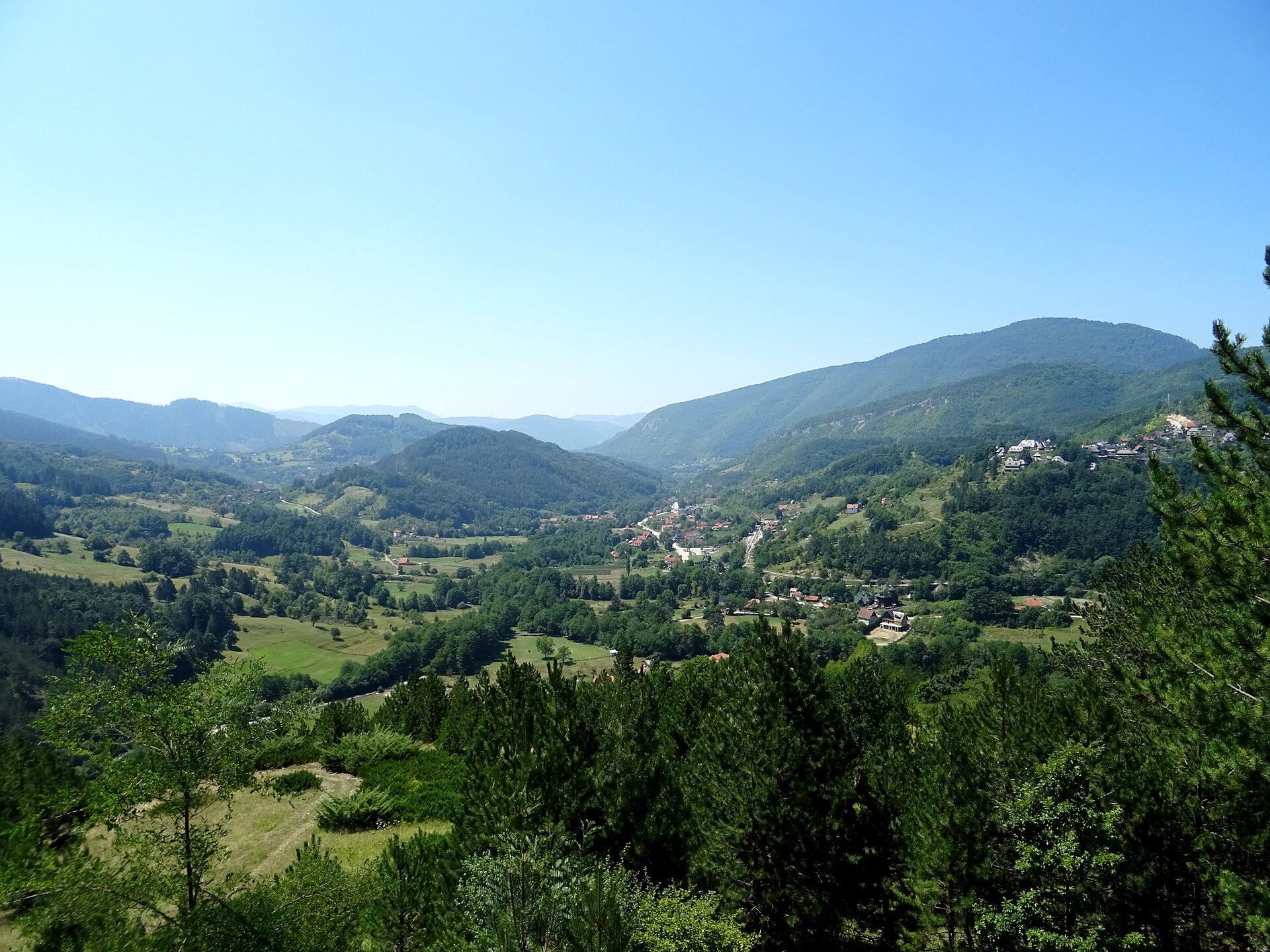
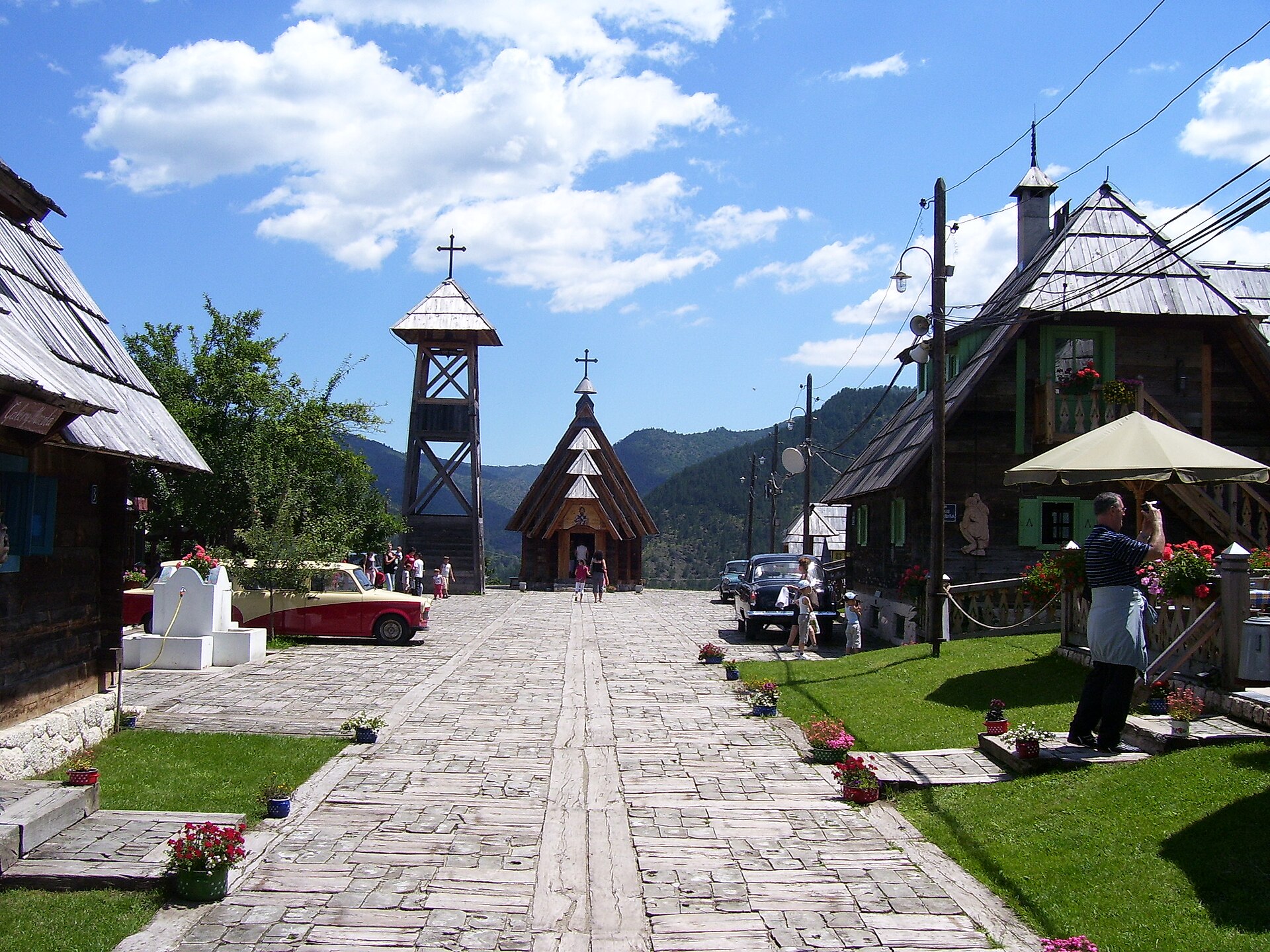
The railway sits in the green valley of Mokra Gora below the Zlatibor highlands. On the hill above stands Drvengrad, the fairy-tale village of wooden houses built by the film director Emir Kusturica, host of a film and music festival.A bit of history
Culture & experiences along the way
Sladjazizi / Wikimedia Commons · CC BY-SA 4.0Riding the Nostalgija
The heritage train — the "Nostalgija" — runs there and back from Mokra Gora up to Šargan Vitasi, taking about 2½ hours with photo stops. Ride in the open-sided or wooden-benched coaches, lean out at the viewpoints, and enjoy the theatre of a real mountain railway. Note that steam is not guaranteed on every run: many trains are diesel-hauled, so ask when you book if a steam engine matters to you.Falk2 / Wikimedia Commons · CC BY-SA 4.0The photo stops
Unlike an ordinary train, the Nostalgija pauses at the best viewpoints so everyone can get out and photograph it curving through the tunnels and over the bridges. The stretch around the Šargan tunnel and the stacked loops is the classic shot — bring a camera and comfortable shoes for the short walks to the lookouts.Whitepixels / Wikimedia Commons · CC0Make a weekend of Zlatibor
Mokra Gora pairs naturally with the nearby resort mountain of Zlatibor — a place of pine air, walking trails, a scenic gondola and hearty highland food — and with the wooden village of Drvengrad on the ridge above. Many visitors base themselves on Zlatibor and come to the railway for a half-day out.Timetables
The Šargan Eight runs as a tourist service, so it works to a seasonal timetable rather than a commuter one. In the main season the "Nostalgija" makes several there-and-back runs a day from Mokra Gora; in winter a single reduced service runs only as far as Jatare, part-way up.
Real departures from Mokra Gora, as of the 2026 season (roughly late March to early November):
| Departure (Mokra Gora → Šargan Vitasi → Mokra Gora) | Runs |
|---|---|
| 10:30 | Daily in season |
| 13:30 | Daily in season |
| 08:00 | On demand / busy days |
| 16:10 | Daily from mid-June |
Each round trip takes about 2½ hours with photo stops.
Good to know:
- Winter service. Outside the main season the train runs only Mokra Gora–Jatare, typically departing 11:30 and returning about 13:30 — a shorter ride that still takes in the loops.
- Steam is not guaranteed. Some departures are hauled by a restored steam locomotive, others by a vintage diesel railcar. If seeing steam matters to you, ask which trains are steam-hauled when you book — steam days are limited and often tied to weekends and events.
- Book ahead in high summer. The train is small and popular; summer weekends, school holidays and any Drvengrad festival dates can sell out. Reserve through the railway's booking centre where you can.
- Getting there. Mokra Gora has no useful main-line rail connection today; most visitors arrive by road from Zlatibor, Užice or Višegrad, or on an organised excursion.
Times as of the 2026 season and subject to change; the service is seasonal and steam haulage varies by day. Confirm current departures, running days and steam schedules with the operator before you travel (see the Tickets section below).
Tickets
The Šargan Eight is run by Železnice Srbije — Serbian Railways — as a heritage attraction, and tickets are refreshingly simple and cheap. A standard adult return over the full Mokra Gora–Šargan Vitasi route costs around 1,500 dinars (roughly €13), with children half price; fares are a little higher on advertised steam runs.
Buy at the station in Mokra Gora on the day, or — better in high season — reserve ahead through the railway's booking centre, since the train is small and popular summer departures fill up. If you are travelling on an organised tour from Zlatibor or Belgrade, the ticket is usually bundled in.
Two things are worth checking before you go. First, the running day and time, because this is a seasonal service that thins out to a single winter train. Second, whether your chosen departure is steam- or diesel-hauled, if that matters to you — steam is used on selected days rather than every run. The railway's own page, linked below, carries the current timetable, prices and reservation details.
Book your tickets
The Šargan Eight · Nostalgija train
Mokra Gora – Šargan Vitasi – Mokra Gora
The there-and-back heritage ride up the figure-of-eight, with photo stops. Run by Serbian Railways; several departures a day in the summer season, a reduced winter service to Jatare. Inexpensive; buy at Mokra Gora station or reserve ahead for busy summer weekends.
Book Tickets (opens in a new tab, on Železnice Srbije (Serbian Railways))via Železnice Srbije (Serbian Railways)Timetable & reservations
Departure times and steam days
Current departure times, prices and the reservation centre for the Šargan Eight. Check the running days and whether a given train is steam- or diesel-hauled, and book ahead for popular summer weekends and any festival dates at Drvengrad.
Book Tickets (opens in a new tab, on Železnice Srbije (Serbian Railways))via Železnice Srbije (Serbian Railways)Rail Passes
No rail pass covers the Šargan Eight. Interrail's table of railway companies names the Šarganska osmica train among the trains excluded in Serbia. Tickets are bought at Mokra Gora or reserved through the railway.
Checked October 2026 against interrail.com (opens in a new tab).
Places to Visit
The railway is the centrepiece of a genuinely lovely region — the green, folded highlands of far-western Serbia — and it rewards more than a flying visit.
Right above the line is Drvengrad, also called Küstendorf or Mećavnik: the hilltop village of hand-built wooden houses created by the film director Emir Kusturica as a film set that became a real place. It has a church, cobbled square, cinema and restaurants, and hosts an international film and music festival in winter. It is a short drive or steep walk up from Mokra Gora and worth an afternoon.
A little further sits Zlatibor, Serbia's favourite mountain resort — pine forests, walking and cycling trails, a long panoramic gondola, and hearty highland cooking (try the smoked prosciutto, komplet lepinja and kajmak). It makes an ideal base, with far more beds and restaurants than Mokra Gora itself.
The wider area is full of surprises: the wild Tara National Park with its Drina river gorge and the much-photographed Drina river house perched on a rock near Bajina Bašta; the old Ottoman town and UNESCO bridge of Višegrad just over the border in Bosnia; and the monasteries and canyons of the Zlatibor district. Few railways sit in such a rich and beautiful corner.
 Vladimir Mijailović / Wikimedia Commons · CC BY-SA 4.0 · cropped
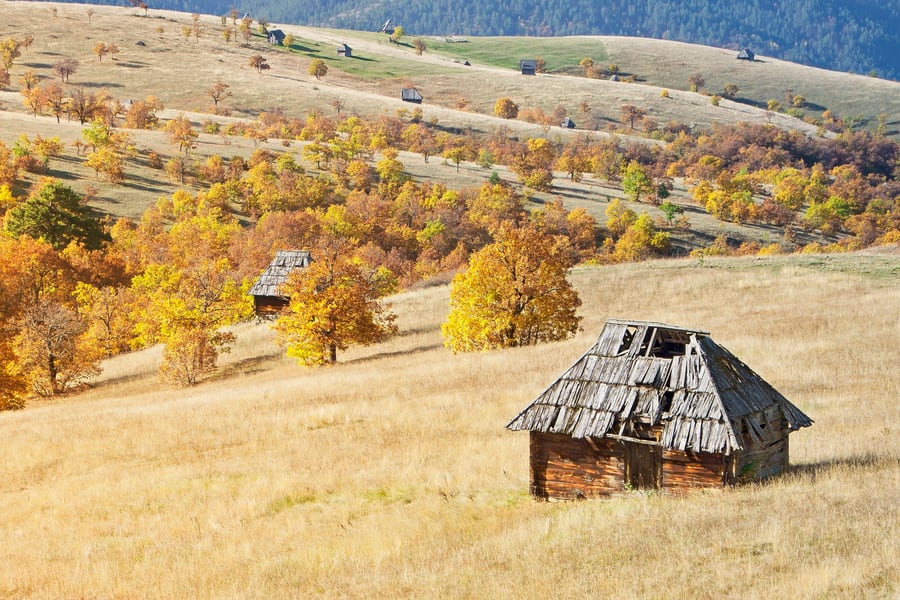
Zlatibor
Serbia's favourite mountain, and a spa resort by royal decree — King Aleksandar Obrenović established a health resort here in 1893, and the pine air has been the selling point ever since. It rises to 1,496 m at Tornik, but the character of the place is in the scattered hamlets of grey wooden houses and hay meadows. Since January 2021 the Gold Gondola has climbed 8.95 km out of the town, billed as the longest panoramic gondola lift in the world.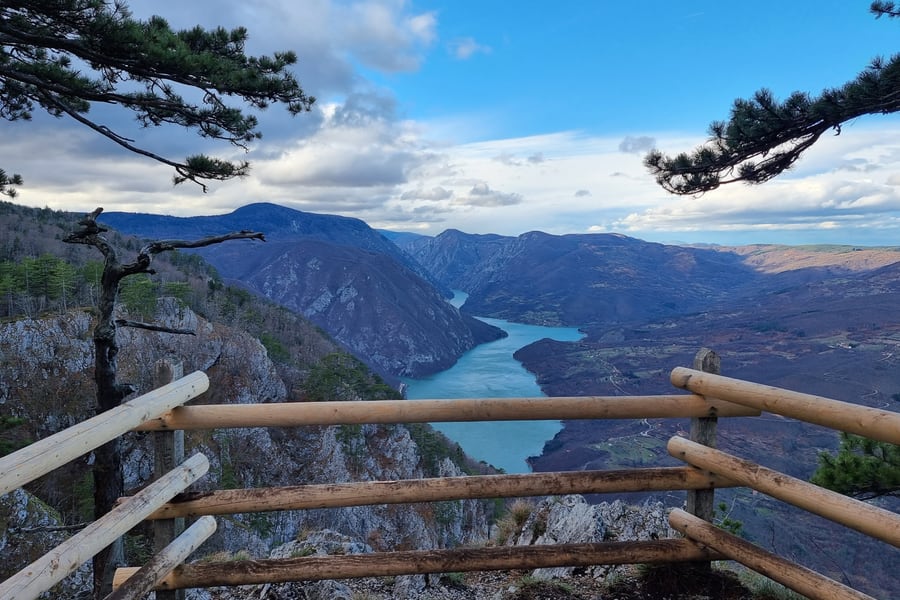 Gorana Gomirac (VMRS) / Wikimedia Commons · CC BY-SA 4.0 · cropped
Tara National Park
83.5% forest — they call it the lungs of Serbia. Tara became a national park in 1981 and now covers 250 km² above the Drina gorge, whose walls fall from 1,000 metres to the green water at 250. It shelters the Serbian spruce, a relict conifer found here by the botanist Josif Pančić in 1875 and native almost nowhere else, and about 60 brown bears — some 80% of the country's population. This is the view from Banjska Stena.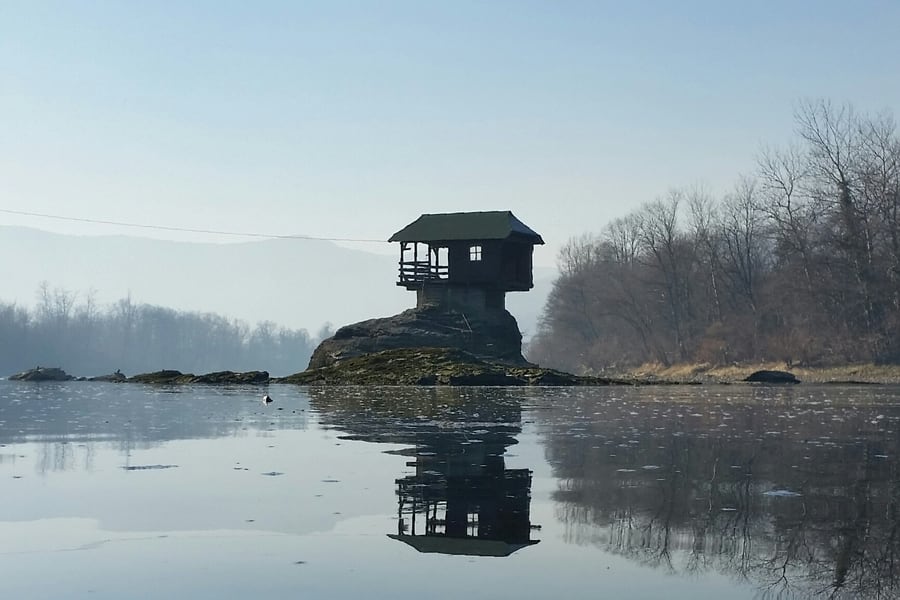 Rasevic / Wikimedia Commons · CC BY-SA 4.0 · cropped
The house on the Drina
A one-room wooden cabin on a rock midstream, and one of the most photographed objects in Serbia. A group of local swimmers built it in 1968 because the rock they rested on got too hot to sit on. The river has washed it away seven times since, and it has been rebuilt every time. It sits about 2 km upstream of Bajina Bašta, and went round the world when National Geographic made it a Photo of the Month in August 2012.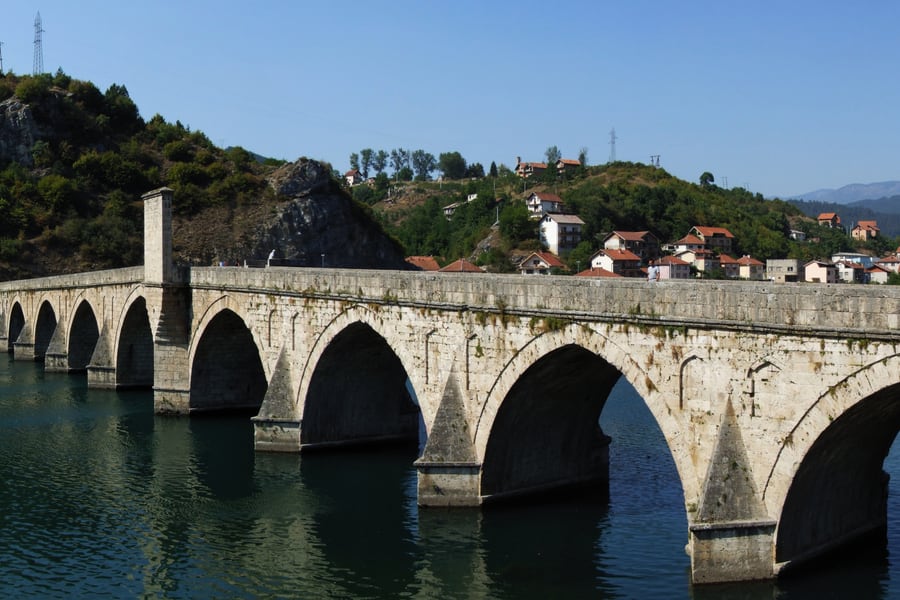 Pudelek (Marcin Szala) / Wikimedia Commons · CC BY-SA 3.0 · cropped
The bridge at Višegrad
Eleven stone arches, 179.5 metres across the Drina, built 1571–77 by Mimar Sinan — the greatest of the Ottoman architects — for the Grand Vizier Mehmed Paša Sokolović, as a tribute to the region he came from. The Nobel laureate Ivo Andrić made it the subject of his 1945 novel The Bridge on the Drina, and UNESCO listed it in 2007. It is an easy detour from Mokra Gora.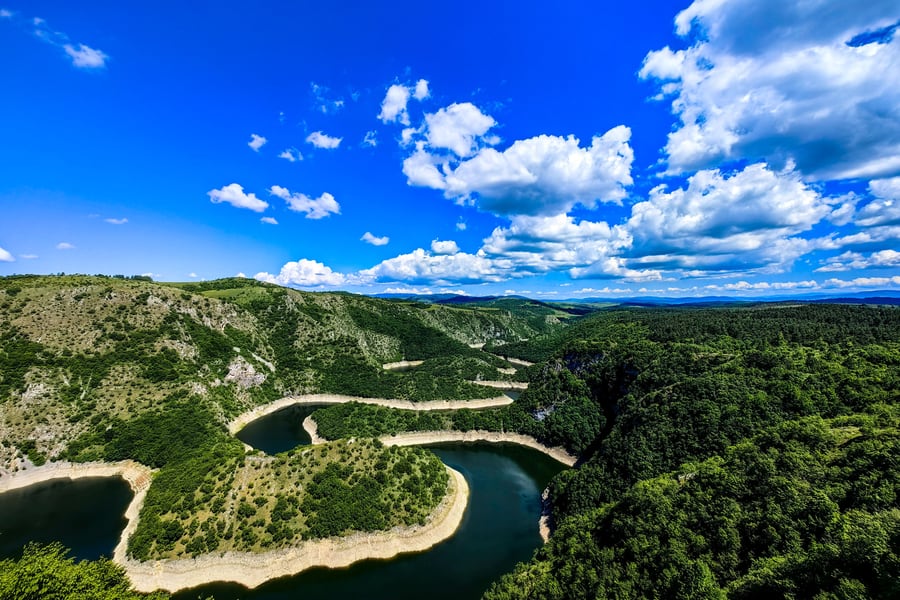 Boka97 / Wikimedia Commons · CC BY-SA 4.0 · cropped
The Uvac meanders
The Uvac runs 115 km to cover 40 — the straight line from source to mouth is barely a third of the river's length, and the result is a chain of hairpin loops wound deep into limestone. Protected since 1971, the reserve is best known for its griffon vultures, reintroduced here and now thriving; they nest on the cliffs and ride the thermals over the bends. Three dams have since turned much of the river into lakes.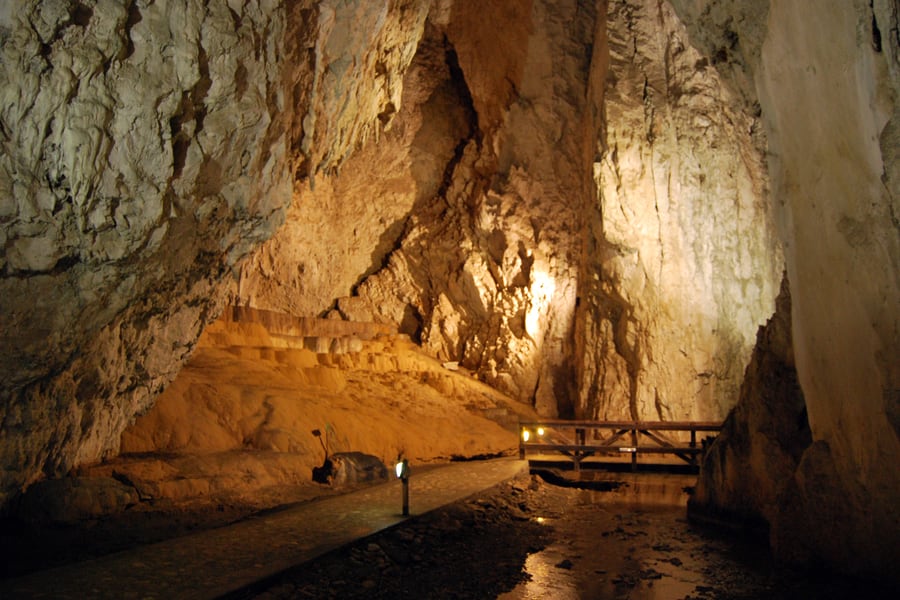 tamburix / Wikimedia Commons · CC BY-SA 2.0 · cropped
Stopića Cave
The entrance alone is worth the trip — 18 metres high and 35 wide, a gaping arch in the hillside on the Sirogojno road. Inside, the cave runs 1,691 metres, and a stream has built a staircase of tufa "bathtubs" that fill with water and spill over into the next one down. At the far end the 9.5-metre "Spring of Life" waterfall drops into the dark. It opened as a show cave in 2009.Where to Sleep
Because the railway is a half-day excursion, most people sleep nearby and come to it for the ride — and the two obvious bases are Mokra Gora itself and the resort of Zlatibor.
In Mokra Gora you can stay right by the railway in family-run guesthouses and ethno-villages — clusters of wooden cottages with home cooking and mountain views, quiet and atmospheric once the day-trippers have gone. Up on the ridge, Drvengrad rents rooms in its wooden houses too, a unique (and pricier) place to wake up.
For more choice, base yourself on Zlatibor, half an hour away, which has everything from big spa hotels to small apartments and plenty of restaurants; it suits families and anyone wanting a few days of mountain air with the railway as one outing among many. The town of Užice and the Bosnian town of Višegrad are other practical stops.
Wherever you land, this is inexpensive, welcoming country — book ahead only for high-summer weekends, the ski season on Zlatibor, and the festival dates at Drvengrad, when the whole area fills up.
Questions or corrections
Planning this trip and stuck on something, or spotted a time, fare or detail that has changed? Send us a message about The Šargan Eight — Serbia's Figure-of-Eight Mountain Railway. We read every one, and we update this page when something has changed.