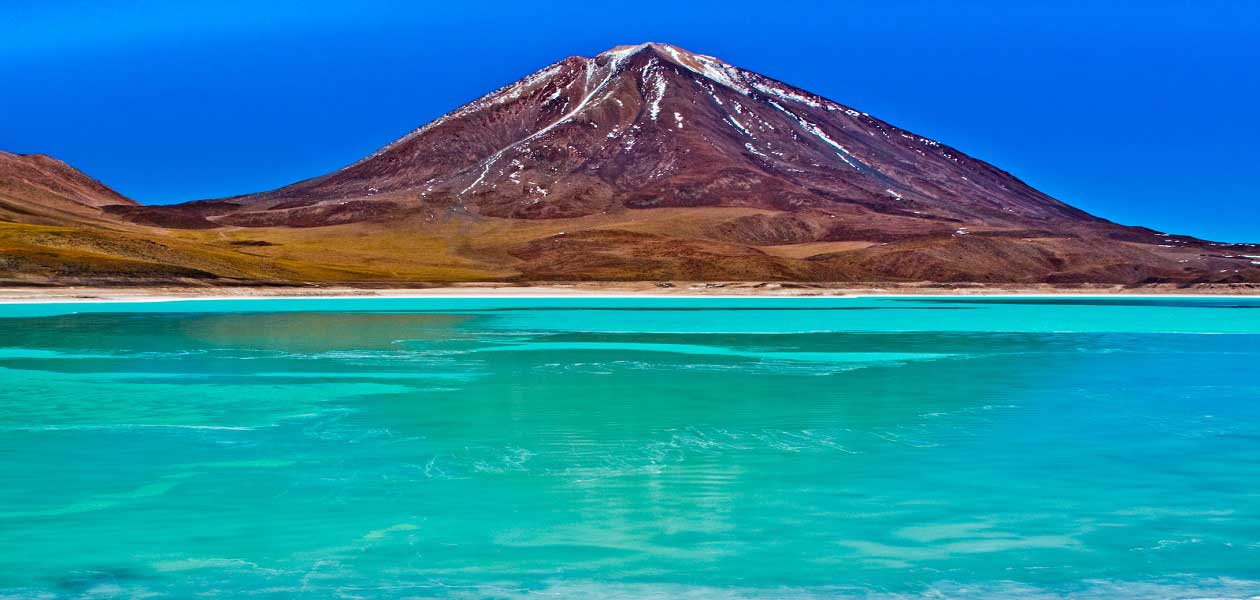
Bolivia

Bolivia is a landlocked country of about 12 million people in central South America, bordered by Brazil, Paraguay, Argentina, Chile and Peru. It divides in two: the Andes and the high, cold Altiplano in the west, and tropical lowland in the east and north — Amazon plain, the Gran Chaco, and a share of the Pantanal, the largest tropical wetland in the world. La Paz is the seat of government and Sucre the constitutional capital, while the largest city, Santa Cruz de la Sierra, lies out in the eastern lowlands.
The railways divide along exactly the same line, and quite literally so: Bolivia has two separate metre-gauge systems, one Andean and one eastern, which have never been joined to each other. Neither is a luxury operation. Both run ordinary, inexpensive trains that people here depend on, at altitudes approaching 4,000 metres in the west and through tropical forest in the east, and between them they cross salt desert, red-rock canyon, mission towns and jungle — some of the most extraordinary country any railway anywhere passes through.
Rail journeys in Bolivia
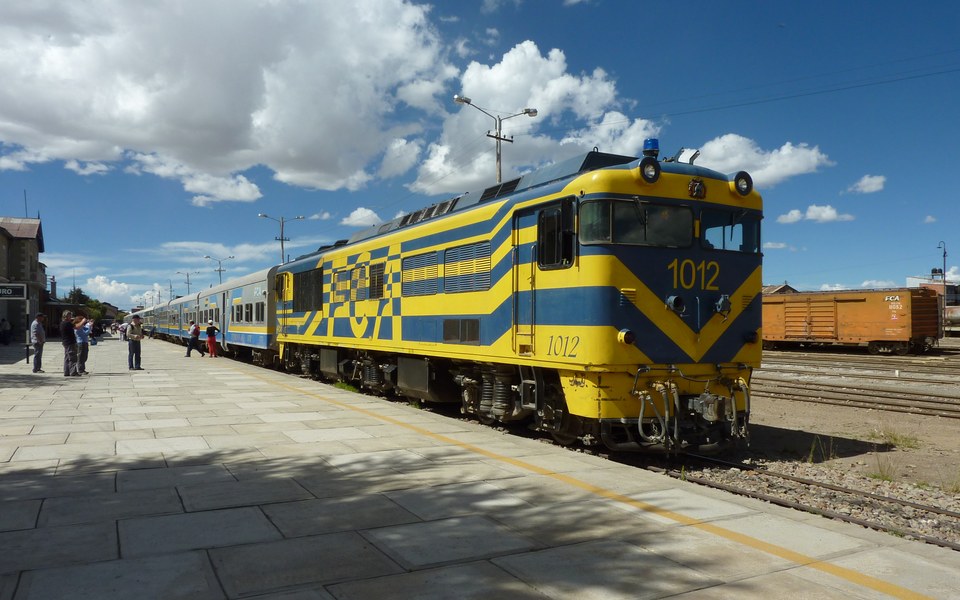
The Expreso del Sur
Bolivia's flagship train down the Andean altiplano at nearly 4,000 metres — through Uyuni, gateway to the salt flat, to the red canyons of Tupiza.
View journey →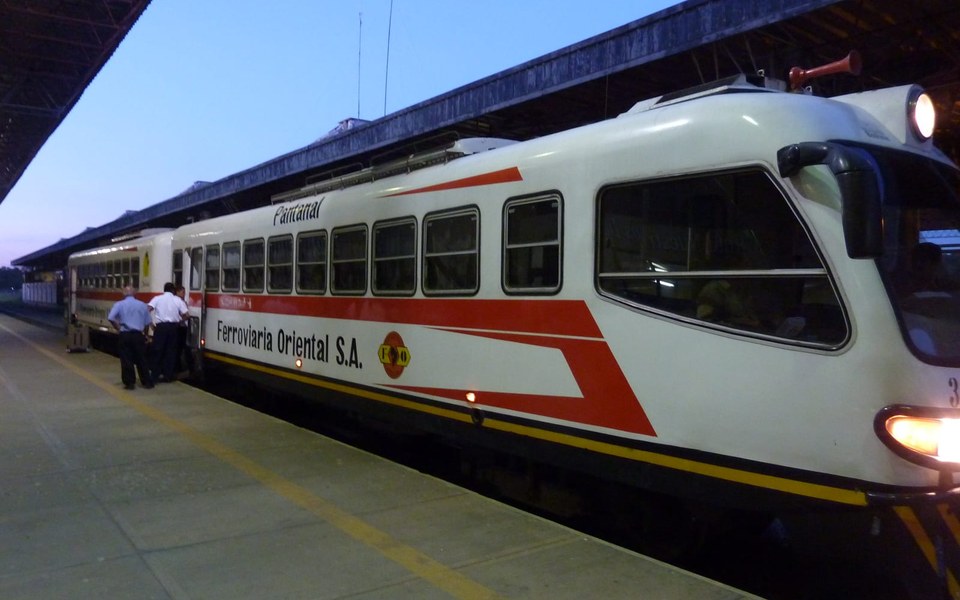
The Death Train (Tren de la Muerte)
Bolivia's notorious Death Train — east from Santa Cruz across the wild Chiquitania, past red-rock towers and Jesuit missions to the Pantanal.
View journey →Good to know
What are the best train journeys in Bolivia?
Two lines stand out, on Bolivia's two unconnected networks. In the Andes, the Expreso del Sur runs down the altiplano from Oruro through Uyuni — the gateway to the great salt flat, the Salar de Uyuni — to Tupiza and the Argentine border at Villazón. In the eastern lowlands, the Tren de la Muerte ("Death Train") crosses the Chiquitania from Santa Cruz de la Sierra to Puerto Quijarro on the Brazilian frontier. Both are ordinary, affordable service trains through spectacular country.
How do I get to the Salar de Uyuni by train?
The town of Uyuni, on the edge of the salt flat, is a scheduled stop on the Expreso del Sur and the Wara Wara del Sur, the two passenger trains that run the Oruro–Villazón line for Empresa Ferroviaria Andina (FCA). From Oruro the Expreso del Sur reaches Uyuni in about seven hours; from Uyuni, tour operators run the 4x4 trips out onto the Salar itself. The famous "train cemetery" of rusting locomotives sits just outside Uyuni, a legacy of the old mineral railway to the Pacific.
Why is it called the "Tren de la Muerte" (Death Train)?
The Santa Cruz–Puerto Quijarro line earned its grim nickname long ago, and the stories vary: some say it recalls the workers who died of malaria and fever building the railway across the lowlands; others that in the mid-20th century passengers rode on the roof to dodge the fare and fell from the moving train. Today it is far tamer — the eastern operator, Ferroviaria Oriental, reactivated a modern ferrobús on the route in February 2026 — but the old name has stuck.
Are Bolivia's trains connected to each other?
No. Bolivia has two entirely separate railway networks that have never been joined: the Red Andina in the western highlands, run by Ferroviaria Andina (FCA), and the Red Oriental in the eastern lowlands, run by Ferroviaria Oriental. Both are metre gauge. To travel from one to the other you have to cross the country by road or air — there is no through rail route linking the Andes to Santa Cruz and the Brazilian border.