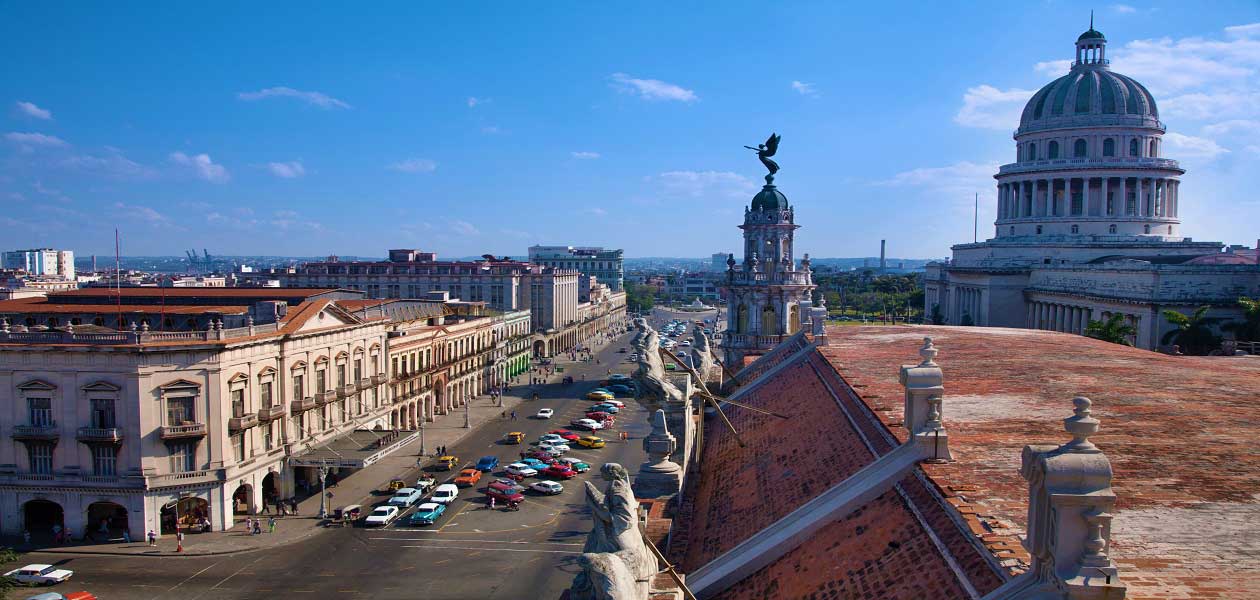
Cuba
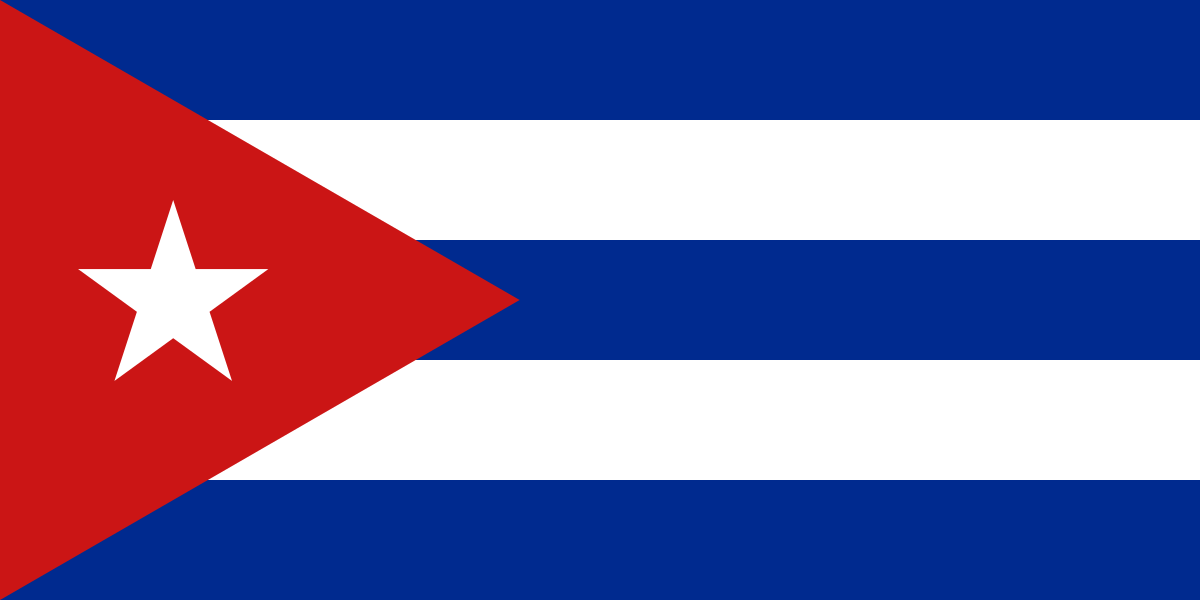
Cuba is the largest country in the Caribbean by area and the third largest by population, with about 11 million people on one long, narrow main island and some four thousand smaller cays. It lies where the Caribbean Sea, the Gulf of Mexico and the Atlantic meet — east of the Yucatán, south of Florida and the Bahamas, north of Jamaica — and Havana, on the north-west coast, is the capital and largest city.
That shape gave the island a railway spine. Sugar estates began laying track to the ports in the 1830s, before Spain itself had a railway, and the lines eventually joined into a standard-gauge network running most of the length of the country, worked today by Ferrocarriles de Cuba. Honesty is owed here more than almost anywhere: the system is in deep crisis, with fuel shortages thinning the national timetable to a shadow and hurricane damage cutting some routes to fragments, so these pages set out what actually runs and what does not. What still moves is all the more remarkable for having survived colonialism, revolution and embargo.
Rail journeys in Cuba
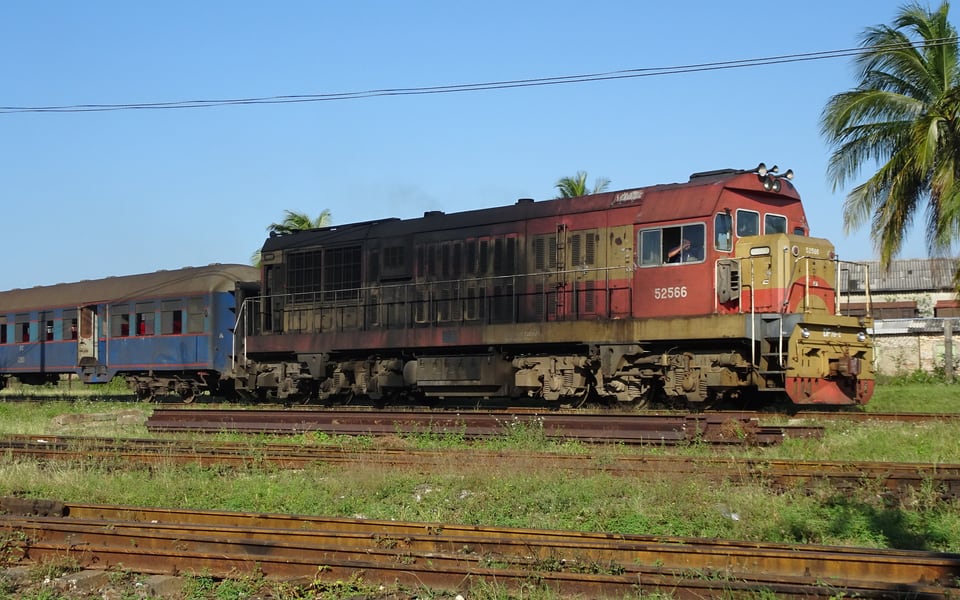
Havana to Santiago de Cuba
Cuba's main line runs 854 kilometres down the island's spine — descendant of Latin America's first railway, once worked by cast-off French TEE coaches.
View journey →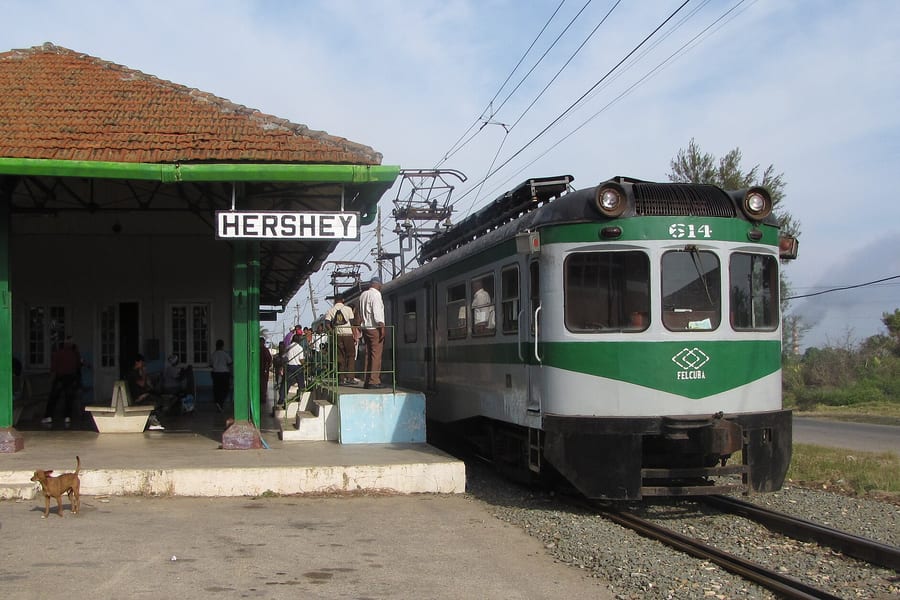
The Hershey Train
In 1917 the American chocolate king electrified a railway across the Cuban countryside. It is still there — in railcars bought secondhand from Catalonia.
View journey →Good to know
Can you travel around Cuba by train at the moment?
Only just — and it is important to be honest about it. Cuba's fuel crisis has cut most national long-distance trains, including Havana–Santiago, from an every-four-days pattern to roughly every sixteen days, with heavy restrictions on who can board. The famous Hershey electric train runs only on the short Hershey–Jaruco section. Trains do still run, but treat any Cuban rail plan as provisional and confirm everything locally.
What is the Hershey Train, and is it running?
It is the electric railway that the American chocolate magnate Milton Hershey's company built in 1917–18 to serve its Cuban sugar mill — still the only electric railway in Cuba, worked by vintage railcars bought secondhand from Catalonia. Since Hurricane Irma in 2017 the through route from Casablanca (Havana) to Matanzas has been suspended; only the short Hershey–Jaruco branch has run trains. In 2025 the government announced a revival — using diesel traction. The full story is on our Hershey Train page.
Was Cuba really the first country in Latin America with a railway?
Yes. The Havana–Bejucal line opened on 19 November 1837, decades ahead of most of the region — and before Spain itself, which at the time had no railway at all. It was built to move sugar, the crop that went on to shape the whole Cuban network. The Havana–Santiago main line grew from that same sugar-driven expansion.
How do you buy train tickets in Cuba?
In person, in cash, with your passport. There is no online booking: long-distance tickets are sold through Viajero agency offices (bookings open about thirty days ahead), and you must reconfirm at the station about an hour before departure. Fares are quoted in Cuban pesos and remain very low by international standards. For the Hershey train's surviving section, tickets are simply bought at the station before travel.