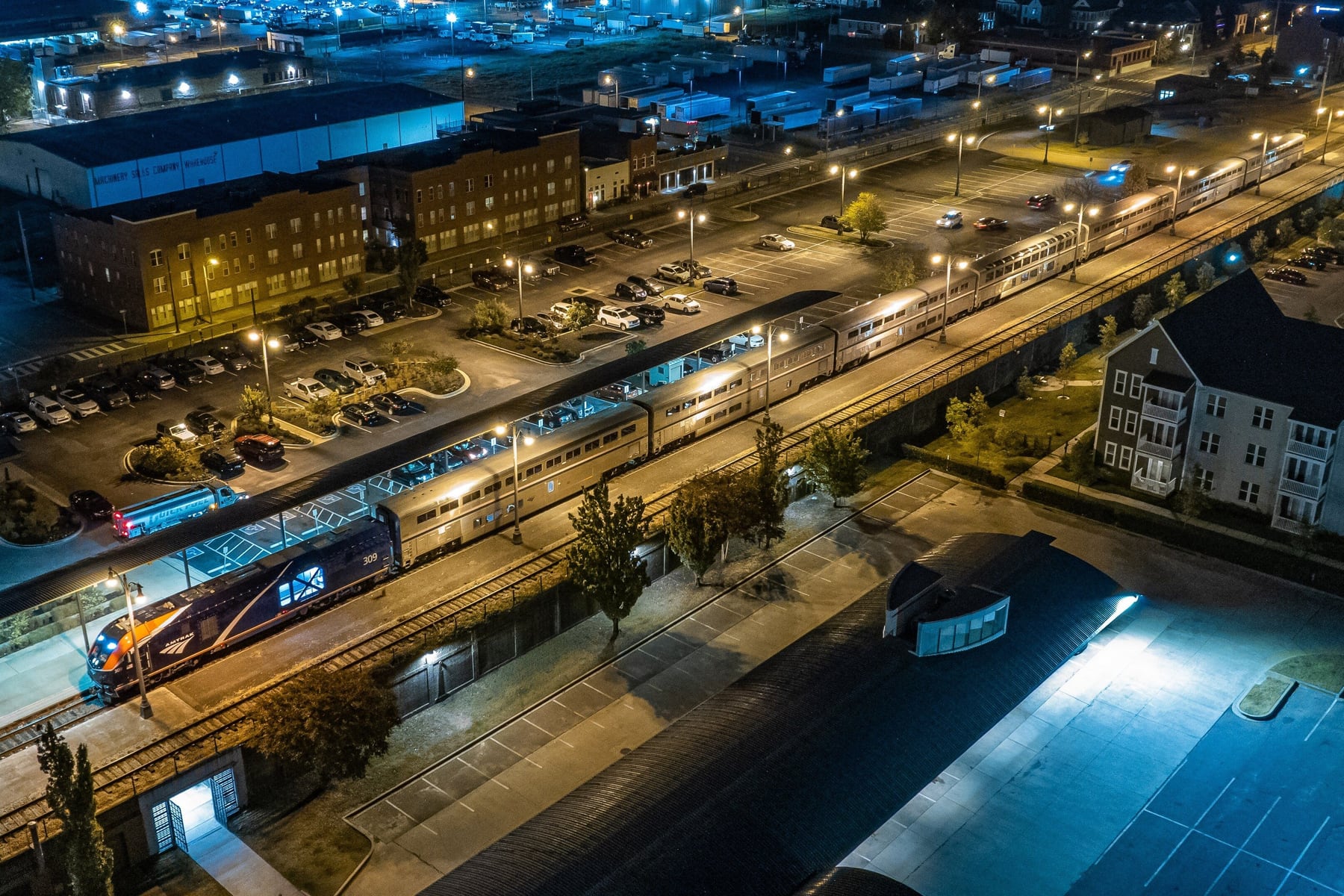
City of New Orleans
Pilot MKN / Wikimedia Commons · CC BY 2.0 · cropped and retouched
- Distance934 miles (1,503 km)
- DurationAbout 19½ hours · 1 night
- Best seasonAll year · daily
Introduction
The City of New Orleans runs every night in each direction between Chicago and New Orleans — 934 miles down the middle of the country through Illinois, Kentucky, Tennessee, Mississippi and Louisiana, in about 19½ hours. On the way it calls at Champaign, Carbondale, Memphis, Greenwood, Jackson and Hammond, and it is the only Amtrak train in Tennessee.
It is also the train with its own song. The Illinois Central put on the City of New Orleans in 1947 as a day train; Amtrak kept it in 1971 but within months moved it overnight and renamed it the Panama Limited. In the meantime the folk singer Steve Goodman had ridden the Illinois Central south to visit his wife's family and written a song about the train, which Arlo Guthrie took into the charts in 1972. In February 1981 Amtrak gave the train its old name back, to make the most of the song.
Amtrak sells the route as a journey through American music: Chicago's blues, Beale Street in Memphis, the Mississippi Delta and New Orleans jazz. The Delta comes in the morning southbound.
The Journey
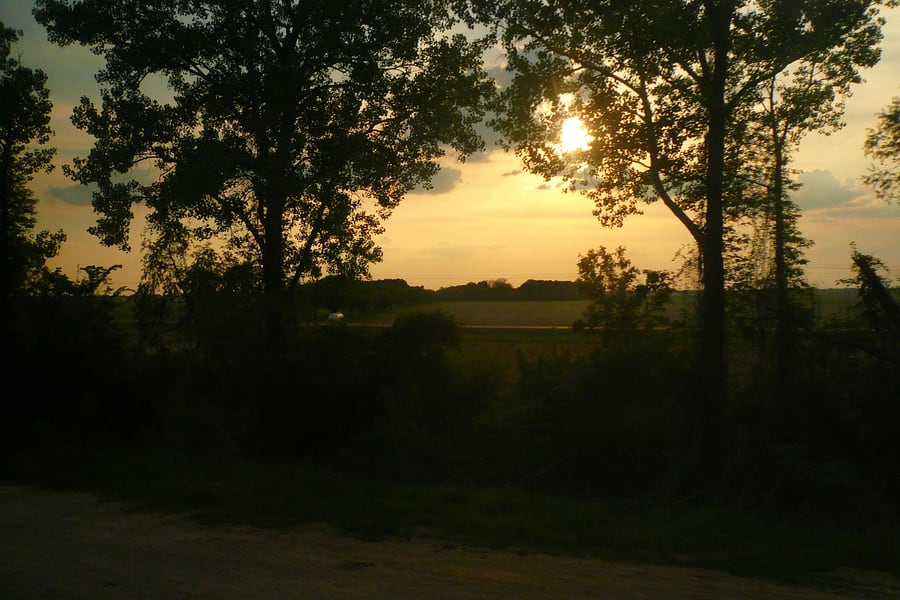
Train 59 leaves Chicago Union Station at 20:05 and runs south through Homewood and Kankakee onto the Illinois prairie in the dark. Champaign comes just before 23:00, then Mattoon, Effingham and Centralia around midnight, and Carbondale, the last stop in Illinois, at 01:54. Fulton, Kentucky, and Newbern-Dyersburg, Tennessee, pass before dawn.
The Delta by day
The train reaches Memphis Central Station at 06:55, as the day begins. South of the city it runs into the cotton country of the Mississippi Delta, calling at Marks, Greenwood on the Yazoo River and Yazoo City through the morning. Jackson, the state capital, comes at 11:49; then Hazlehurst, Brookhaven and McComb in the early afternoon.
Into Louisiana
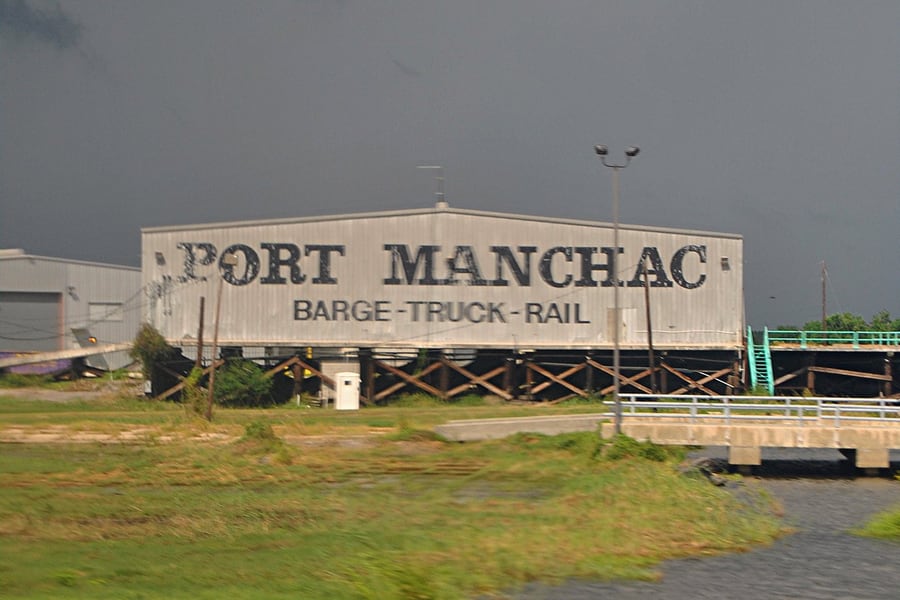
After Hammond at 14:12 the line crosses the swamp at Manchac, between Lake Maurepas and Lake Pontchartrain, and runs in to New Orleans Union Passenger Terminal at 15:47, 19 hours 42 minutes after Chicago.
Northbound the day turns round. Train 58 leaves New Orleans at 13:45, so Louisiana and southern Mississippi come by day and the Delta in the evening; Memphis is at 22:45, Illinois is crossed overnight and at breakfast, and the train reaches Chicago at 09:15.
The train itself
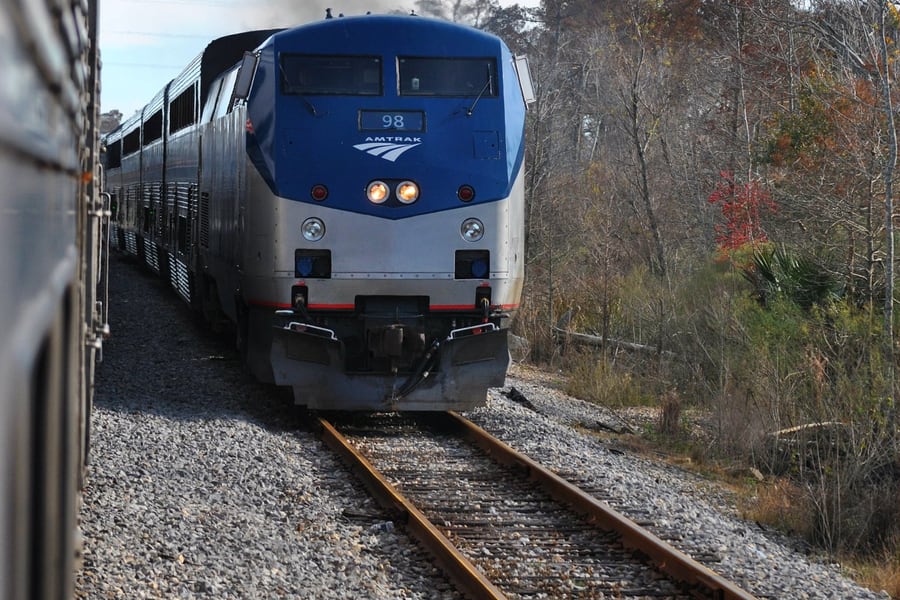
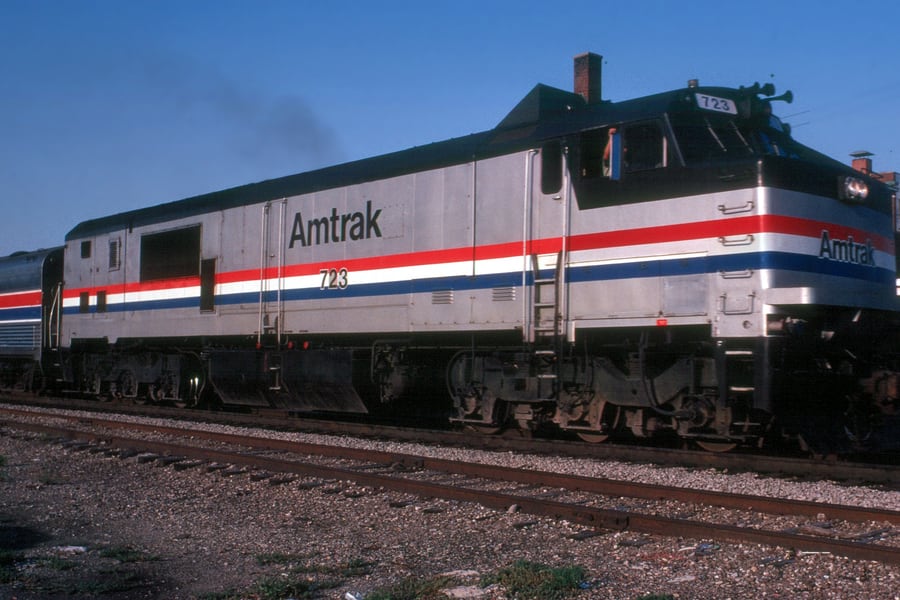
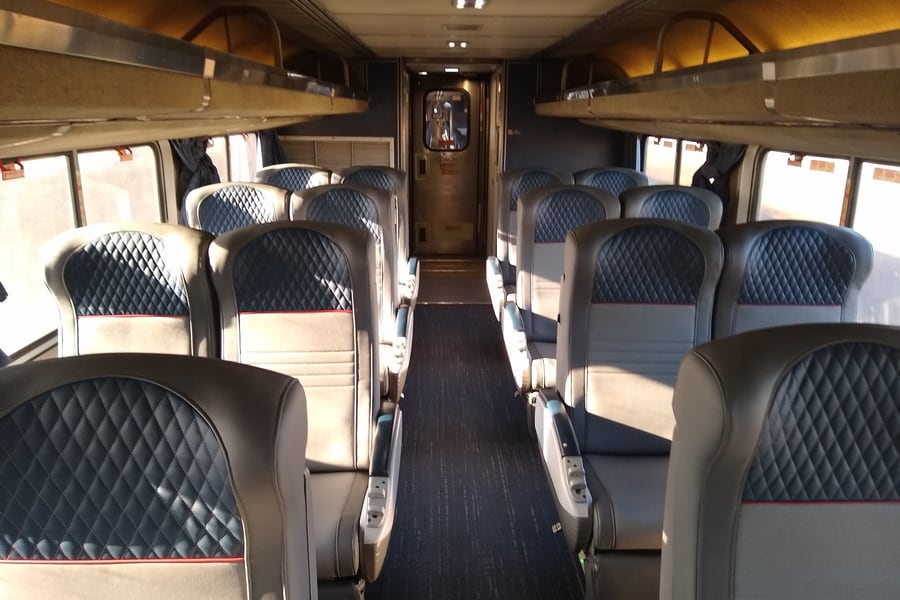
The route runs on the old Illinois Central main line, now owned by Canadian National. The train is made up of Amtrak's double-deck Superliner cars — coaches and sleepers, with Roomettes, Bedrooms, a Bedroom Suite and Family and Accessible Bedrooms — and has a café. Meals are Amtrak's Flexible Dining, included for passengers in private rooms. Power is GE P42DC or Siemens ALC-42 Charger diesels.
Along the route
 Beyond My Ken / Wikimedia Commons · CC BY-SA 4.0
Champaign
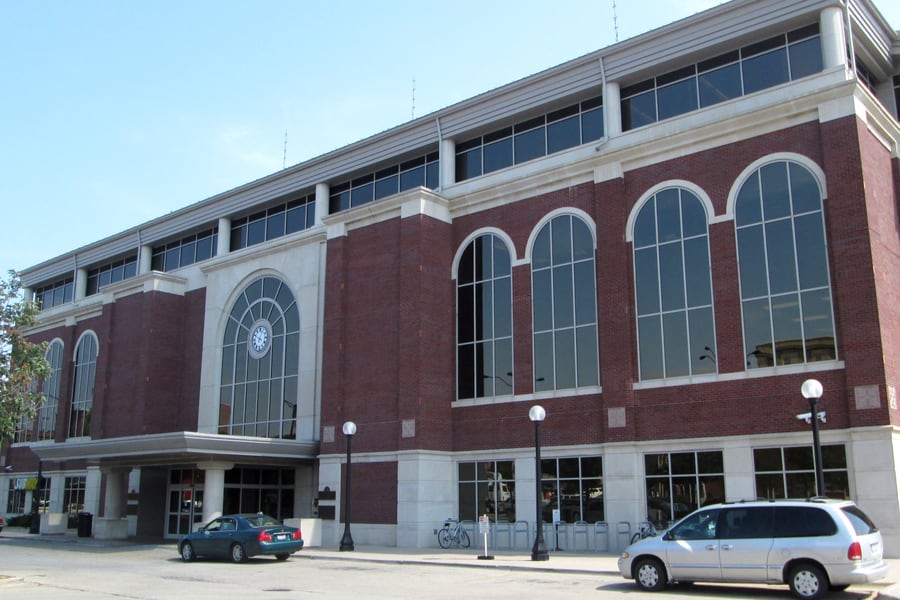
Illinois Terminal, opened in 1999 and named for an electric interurban that once ran to St. Louis, is the second-busiest station in Illinois, and Champaign to Chicago is the most travelled pair on the whole route. The train calls late at night southbound, at breakfast northbound.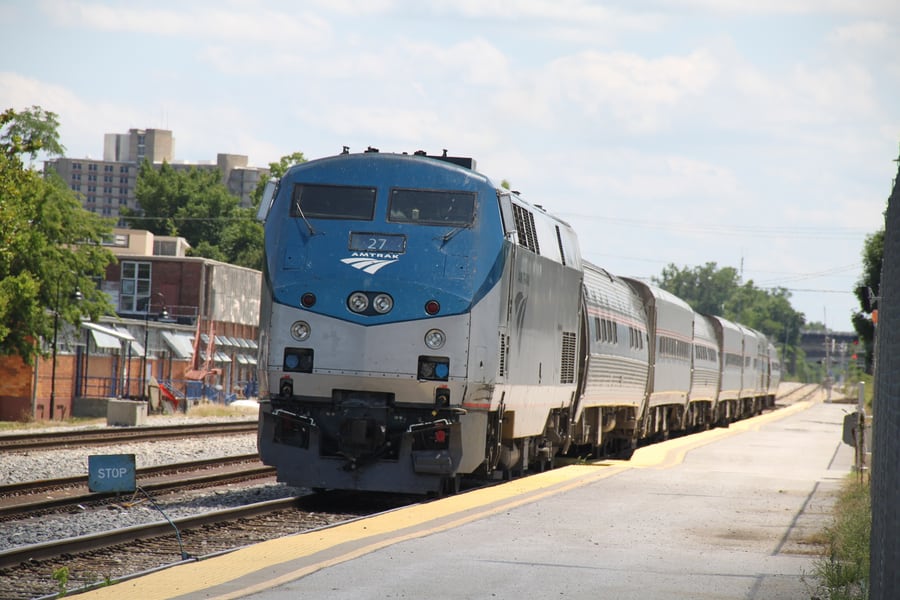 Gary Todd / Wikimedia Commons · CC0
Carbondale
The Illinois Central reached Carbondale in 1854, and it is now the southernmost Amtrak station in Illinois, with a bus link to St. Louis. Both trains pass in the small hours, and the next stop, Fulton, is already in Kentucky.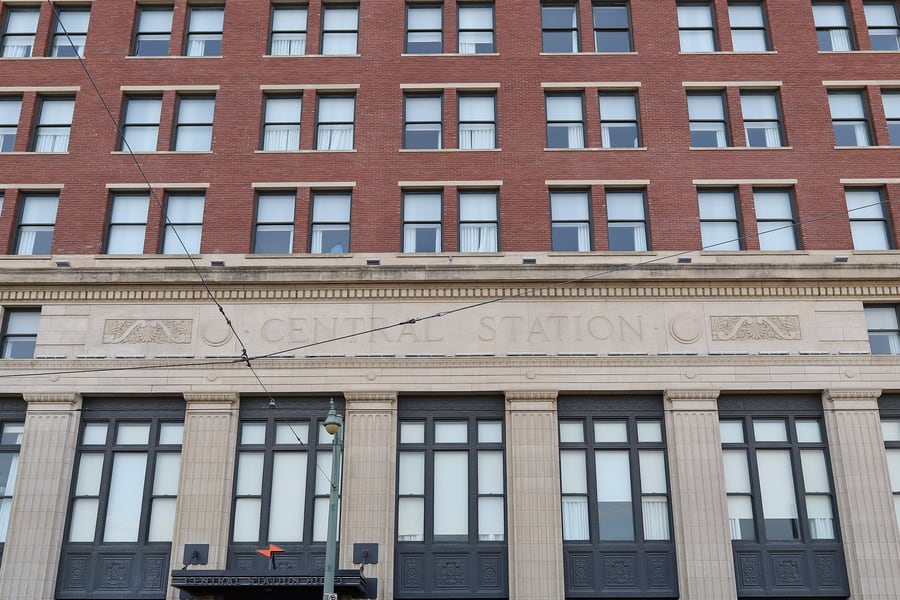 Antony-22 / Wikimedia Commons · CC BY-SA 4.0 · cropped
Memphis Central Station
The Illinois Central opened Central Station in 1914. Run down by the 1990s, it was restored in 1999 and since 2019 has had a hotel upstairs. It is the only Amtrak station in Tennessee: the southbound train arrives at dawn, the northbound late at night.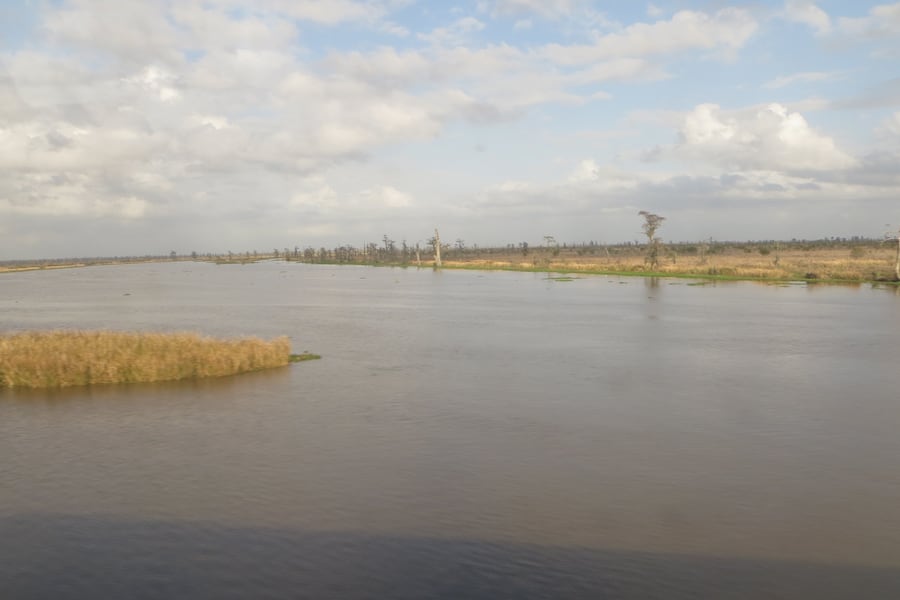 David Wilson / Flickr · CC BY 2.0
Pass Manchac
Below Hammond the line crosses the swamp at Manchac, where the Pass Manchac channel joins Lake Maurepas to Lake Pontchartrain. Manchac was already a planned station when the railway was commissioned in 1852. Both trains pass in daylight, southbound in mid-afternoon.A bit of history
Culture & experiences along the way
 LRD615 / Wikimedia Commons · CC BY-SA 2.0
Delta hot tamales
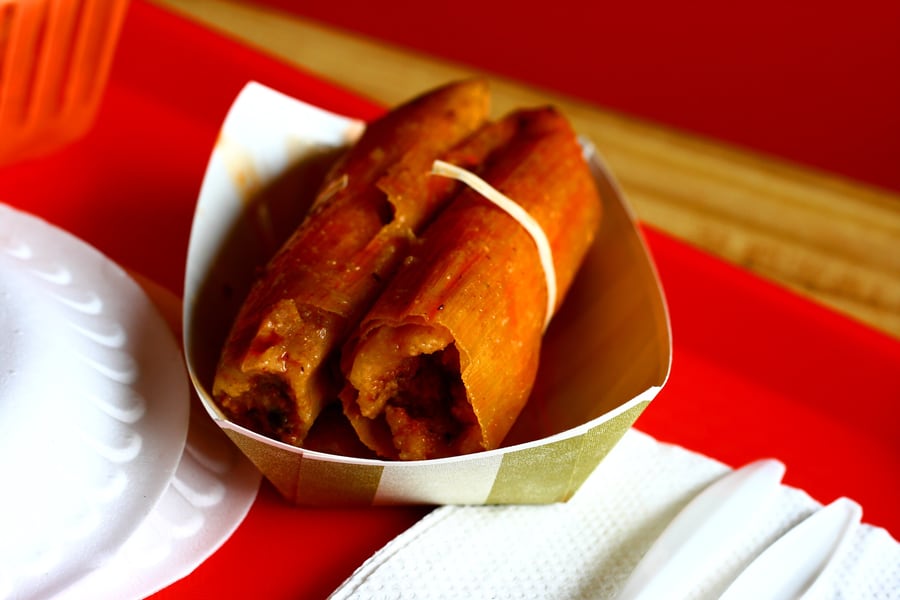
The Mississippi Delta has its own tamale: made with cornmeal rather than masa, spicy, and boiled in corn husks. African American cooks developed it, roving vendors sold it, and the blues remembered them — Robert Johnson recorded "They're Red Hot" in 1937. The train runs through the Delta from Marks to Yazoo City.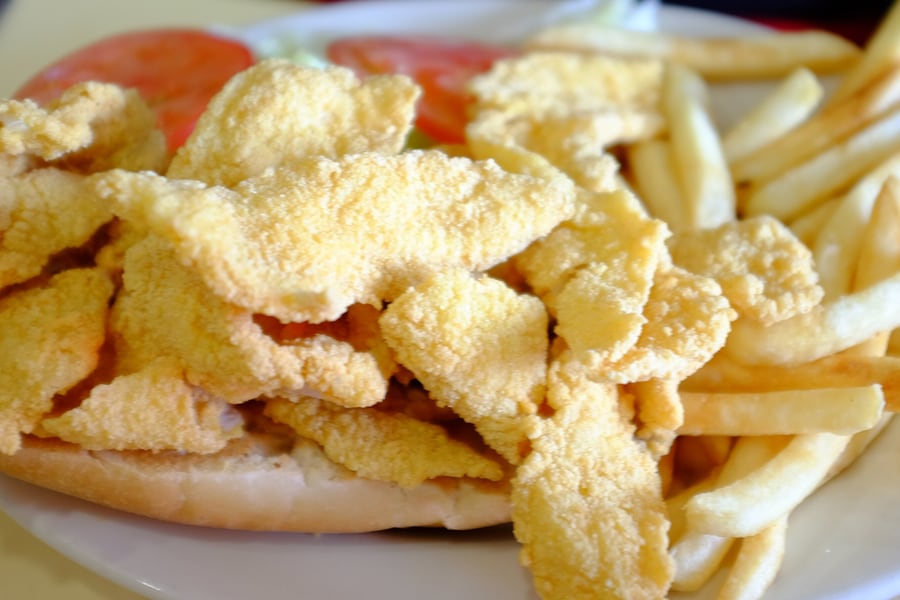 leighklotz / Wikimedia Commons · CC BY 2.0 · cropped
Thin fried catfish
At Manchac, right beside the line, Middendorf's has fried catfish since 1934 and calls itself the home of the original thin fried catfish. Manchac is known for its seafood restaurants, its fishing and its swamp tours. The train does not stop there; Hammond is the nearest station.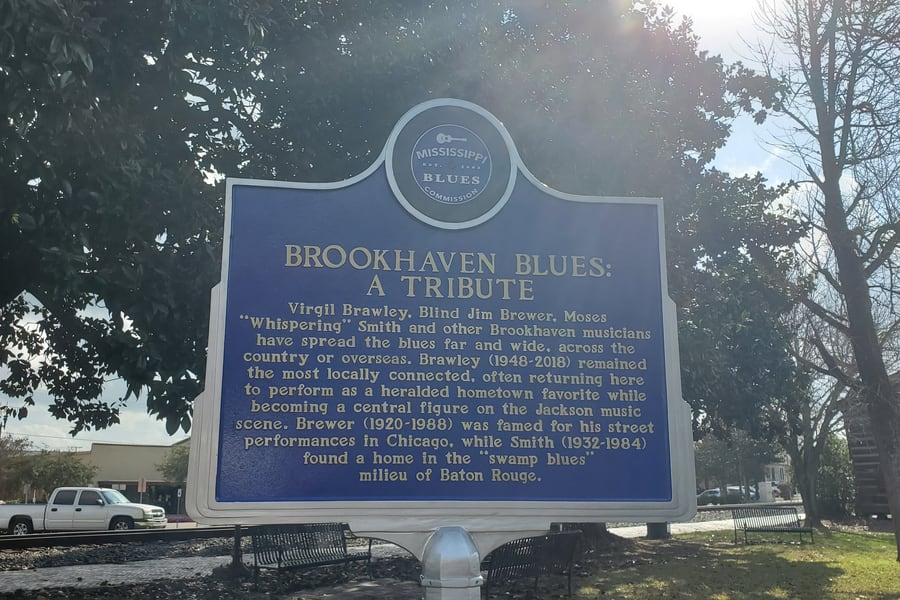 Firecruise / Wikimedia Commons · CC BY-SA 4.0 · cropped
The Mississippi Blues Trail
Since 2006 the state has put up nearly 200 blue markers at the places the blues was made. One stands in Greenwood at the old WGRM studio where B.B. King first broadcast in 1940; another, in Brookhaven, honours the town's own players. The train calls at both.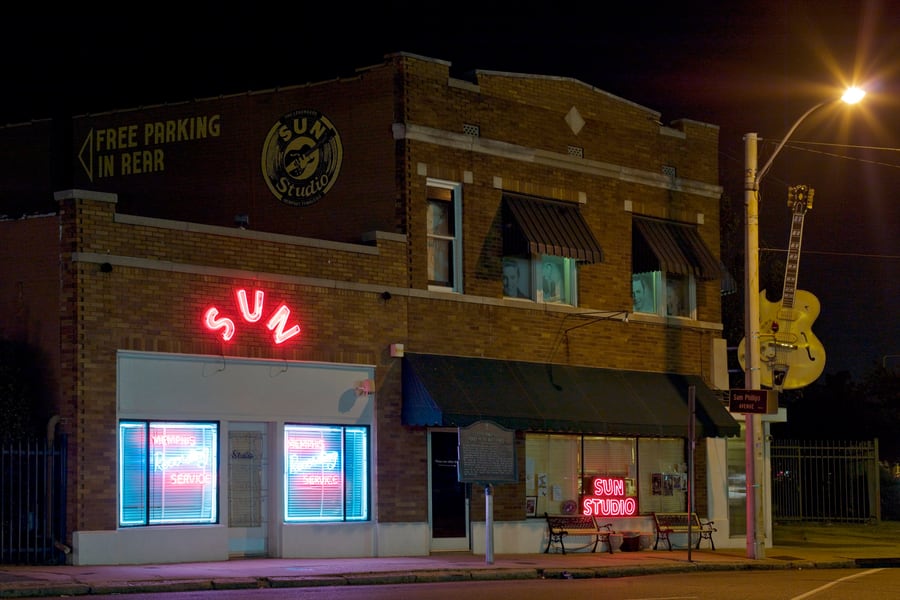 Carol M. Highsmith / Library of Congress · Public domain
Sun Studio
Sam Phillips opened his studio at 706 Union Avenue, Memphis, in 1950. "Rocket 88" was cut there in 1951, then Elvis Presley, Johnny Cash, Carl Perkins and Jerry Lee Lewis followed. It reopened in 1987 as a working studio that visitors can tour, and has been a National Historic Landmark since 2003.Timetables
The City of New Orleans runs every day in each direction, all year. Southbound, train 59 leaves Chicago at 20:05 and reaches New Orleans at 15:47 the next day, 19 hours 42 minutes on. Northbound, train 58 leaves New Orleans at 13:45 and reaches Chicago at 09:15 the next day, 19 hours 30 minutes on.
All times below are local (Central time throughout), and the day is counted from departure.
| Station | Southbound · train 59 | Northbound · train 58 |
|---|---|---|
| Chicago Union Station | dep 20:05 · day 1 | arr 09:15 · day 2 |
| Homewood | 20:54 · day 1 | 08:11 · day 2 |
| Kankakee | 21:23 · day 1 | 07:33 · day 2 |
| Champaign-Urbana | 22:55 · day 1 | 06:30 · day 2 |
| Mattoon | 23:36 · day 1 | 05:38 · day 2 |
| Effingham | 00:01 · day 2 | 05:10 · day 2 |
| Centralia | 00:52 · day 2 | 04:13 · day 2 |
| Carbondale | 01:54 · day 2 | 03:18 · day 2 |
| Fulton | 03:55 · day 2 | 01:10 · day 2 |
| Newbern-Dyersburg | 04:37 · day 2 | 00:28 · day 2 |
| Memphis Central Station | 06:55 · day 2 | 22:45 · day 1 |
| Marks | 08:27 · day 2 | 20:35 · day 1 |
| Greenwood | 09:35 · day 2 | 19:38 · day 1 |
| Yazoo City | 10:33 · day 2 | 18:38 · day 1 |
| Jackson | 11:49 · day 2 | 17:40 · day 1 |
| Hazlehurst | 12:26 · day 2 | 16:31 · day 1 |
| Brookhaven | 12:47 · day 2 | 16:10 · day 1 |
| McComb | 13:12 · day 2 | 15:46 · day 1 |
| Hammond | 14:12 · day 2 | 14:54 · day 1 |
| New Orleans Union Passenger Terminal | arr 15:47 · day 2 | dep 13:45 · day 1 |
Good to know:
- St. Louis and Baton Rouge are a bus. An Amtrak Thruway bus links Carbondale with St. Louis, and Thruway buses run between New Orleans and Baton Rouge; Amtrak books them with the train.
- The times move. Amtrak's timetable is generated for a single date rather than a season; the times above are from the one for 13 November 2026. Check your own date, and leave slack for onward connections — the train runs on a freight railway.
Times as of November 2026, from Amtrak's published timetable for 13 November 2026. Confirm before travelling on amtrak.com (opens in a new tab).
Tickets
Fares on the City of New Orleans move with demand rather than sitting on a published table. A search of Amtrak's booking engine in November 2026 for one adult, Chicago to New Orleans on Wednesday 6 January 2027, gave Coach from $123 and private rooms from $424, the room price covering up to two adults. Business class is not offered on this train. Book early, and book direct.
Coach is a reclining seat with the café on board. A room adds a bed, an attendant and meals; the Bedroom adds its own washroom and shower. Fares checked November 2026 at amtrak.com (opens in a new tab); US dollars, one way.
Book your tickets
Coach
Reclining seat · one night
A reserved reclining seat on the upper or lower deck of a Superliner, with the café on board.
Book Tickets (opens in a new tab, on Amtrak)via Amtrak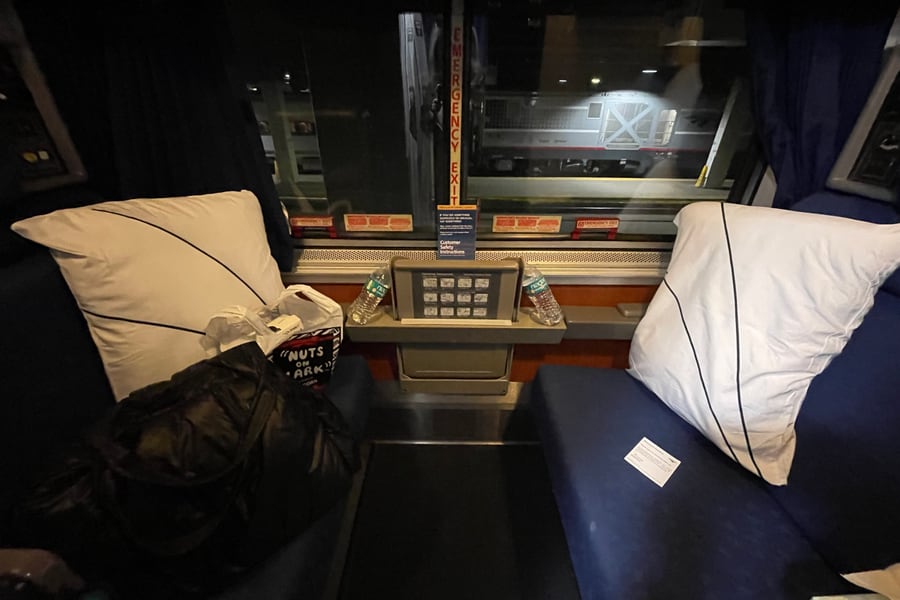
Private rooms
Roomette or Bedroom · meals included
A Roomette for up to two adults, or a Bedroom with its own toilet and shower, with an attendant and meals included.
Book Tickets (opens in a new tab, on Amtrak)via AmtrakRail Passes
Amtrak's own USA Rail Pass covers the City of New Orleans. It costs $499 for 10 segments over 30 days, in Coach only — upgrades to a Roomette or Bedroom are not available on it. A segment is one boarding and one alighting, so riding Chicago to New Orleans straight through uses one of the ten. The pass is valid for 120 days from purchase, and each segment has to be booked through Amtrak before you board.
For the City of New Orleans alone it is not worth buying. Coach from Chicago to New Orleans sampled at $123, a quarter of the pass price. It pays when this train is one leg of a bigger loop — stopping off in Memphis and Jackson, say, then west on the Sunset Limited or north-east on the Crescent — and only if you are happy to sit up for the nights on board.
Checked November 2026 against amtrak.com/usa-rail-pass (opens in a new tab).
Places to Visit
The City of New Orleans runs every day, so a stopover costs only a day: get off, stay the night, and take the same train on the next evening or afternoon. The places below are listed from north to south; Chicago has its own cards on the California Zephyr's page.
 Daderot / Wikimedia Commons · Public domain
Champaign-Urbana
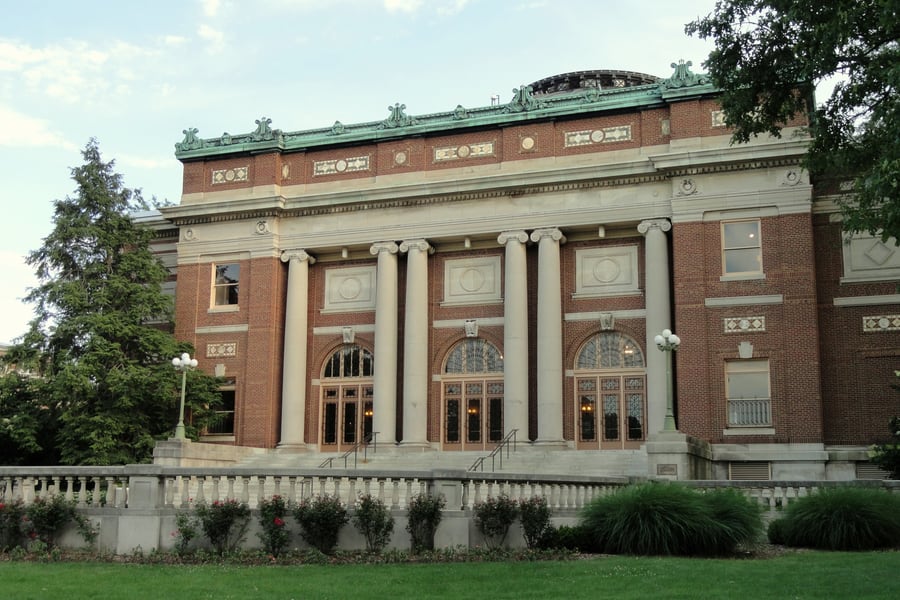
The University of Illinois spreads across the twin cities, and the Foellinger Auditorium closes the south end of its main quad. Clarence Blackall designed it in the Beaux-Arts style, and it was completed in 1907 as a hall for music; its copper dome carries 396 lights. Today it is also the university's largest lecture hall.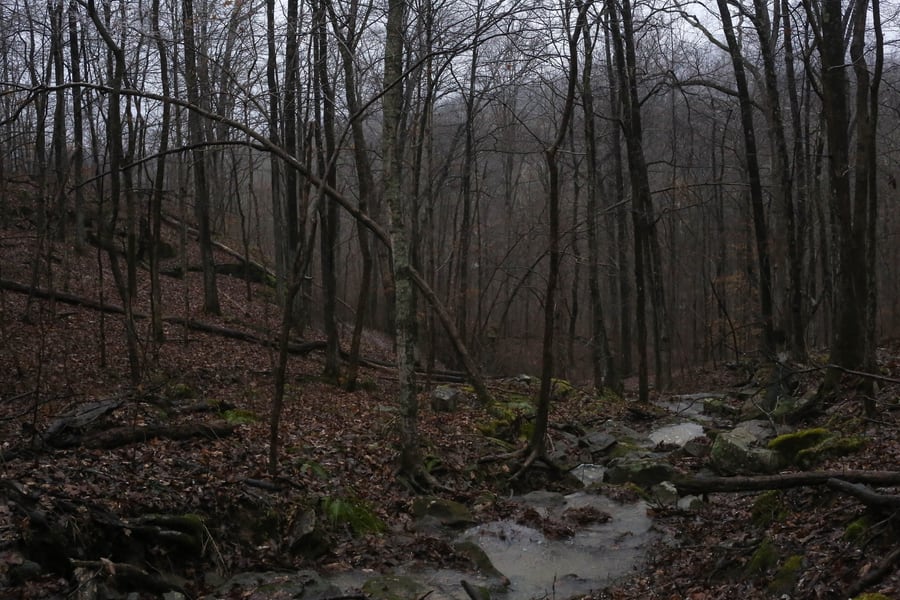 Paul Sableman / Wikimedia Commons · CC BY 2.0
Carbondale
By the village of Makanda, in Carbondale's Jackson County, Giant City State Park covers 4,000 acres of woodland. Illinois bought the first land in 1927, and the Civilian Conservation Corps built its lodge of local sandstone and timber in 1934 and 1935. A prehistoric stone fort stands inside the park, which is a National Natural Landmark.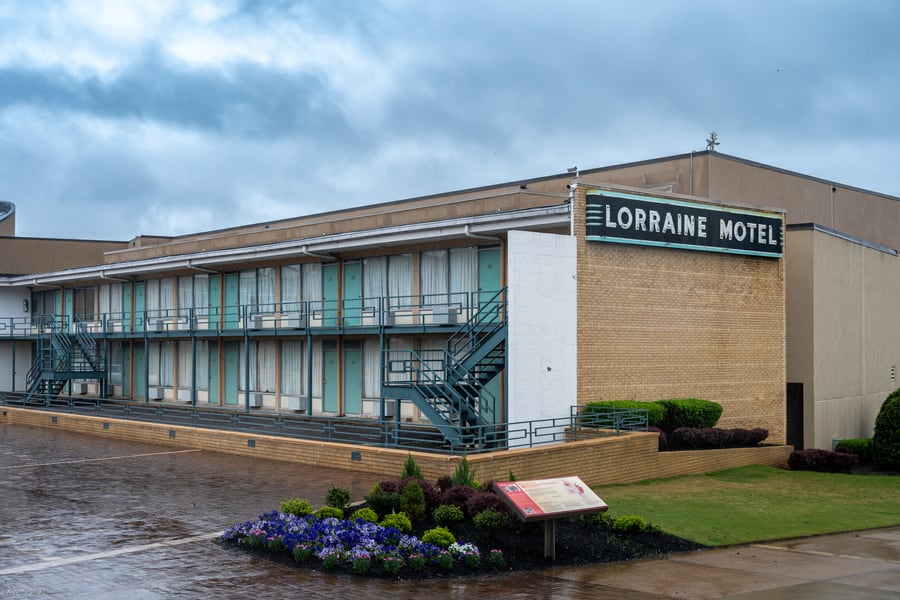 xiquinhosilva / Wikimedia Commons · CC BY 4.0
Memphis
The National Civil Rights Museum is built around the Lorraine Motel, where Martin Luther King Jr. was killed in April 1968. Its exhibits trace the civil rights movement from the 17th century to the present; it reopened after renovation in 2014 and became a Smithsonian affiliate in 2016. It stands in the same South Main historic district as Central Station.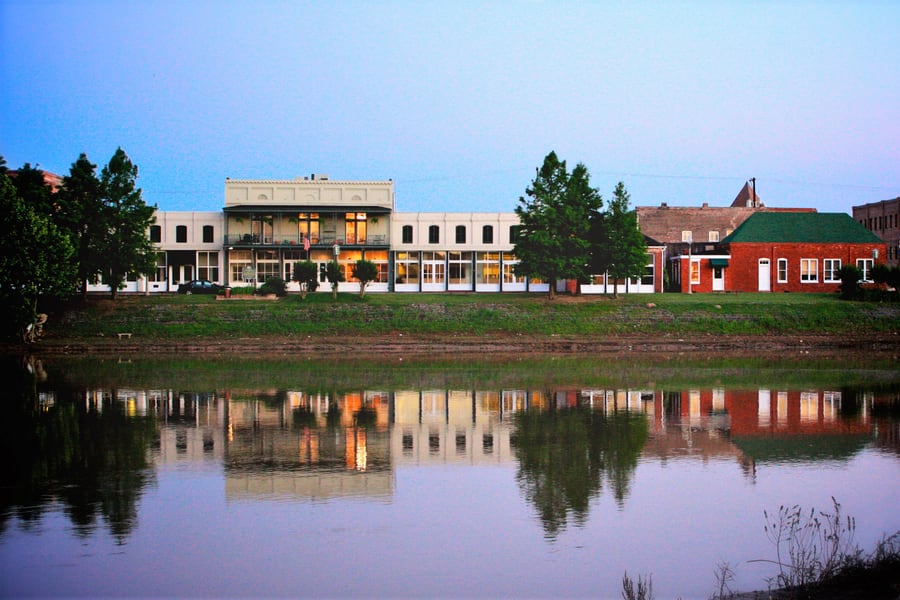 Thomas Gregory / Wikimedia Commons · CC BY-SA 4.0
Greenwood
Greenwood grew up on the Yazoo River shipping Delta cotton, and its Front Street was known as Cotton Row for the cotton factors along it. The town keeps several Mississippi Blues Trail markers, among them one near the grave of Robert Johnson, the bluesman, and one at the radio studio where B.B. King first played on air.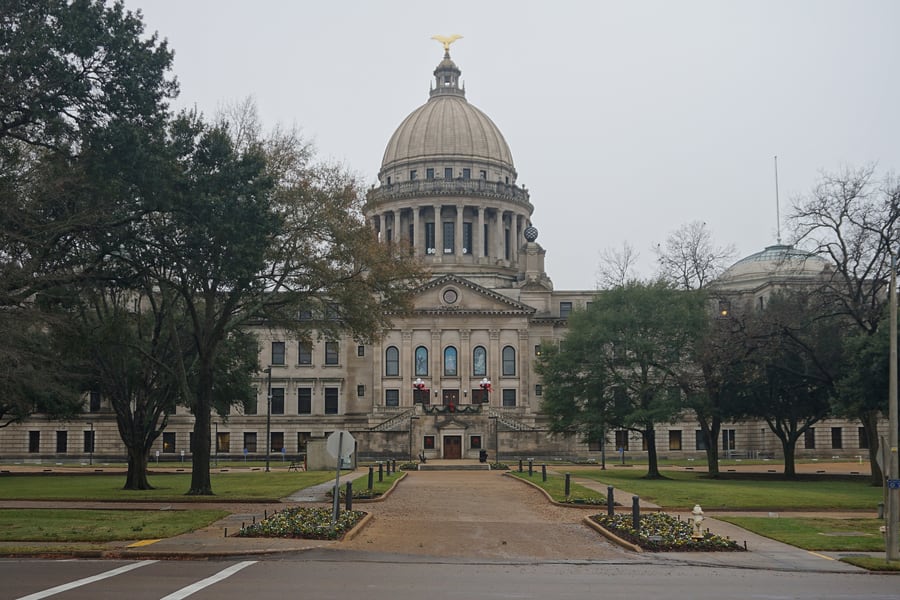 Michael Barera / Wikimedia Commons · CC BY-SA 4.0
Jackson
The Mississippi State Capitol, the "New Capitol", has been the seat of the state's government since 1903, when it replaced the old State House. Fourteen architects entered the design contest of 1900, judged with the help of Bernard R. Green, engineer of the Library of Congress's Jefferson Building. It was listed on the National Register in 1969, made a Mississippi Landmark in 1986 and declared a National Historic Landmark in 2016.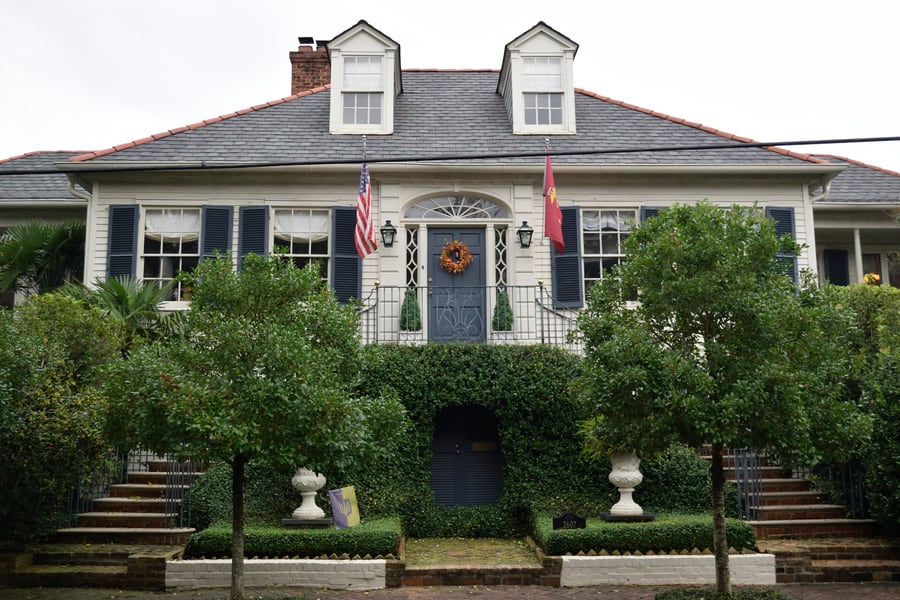 Daniel Hartwig / Wikimedia Commons · CC BY 2.0
New Orleans
The Garden District was laid out by Barthélémy Lafon on old plantation land and built up between 1832 and 1900 by Americans who did not want to live in the French Quarter. It belonged at first to the separate city of Lafayette and joined New Orleans only in 1852. Its mansions are counted among the best-preserved in the South.Where to Sleep
Three places to stay, all in hotels of the 1920s: the Peabody in Memphis with its ducks, the old King Edward in Jackson, and the Pontchartrain on St. Charles Avenue at the New Orleans end.
Where to stay
 Heath Cajandig / Wikimedia Commons · CC BY 2.0
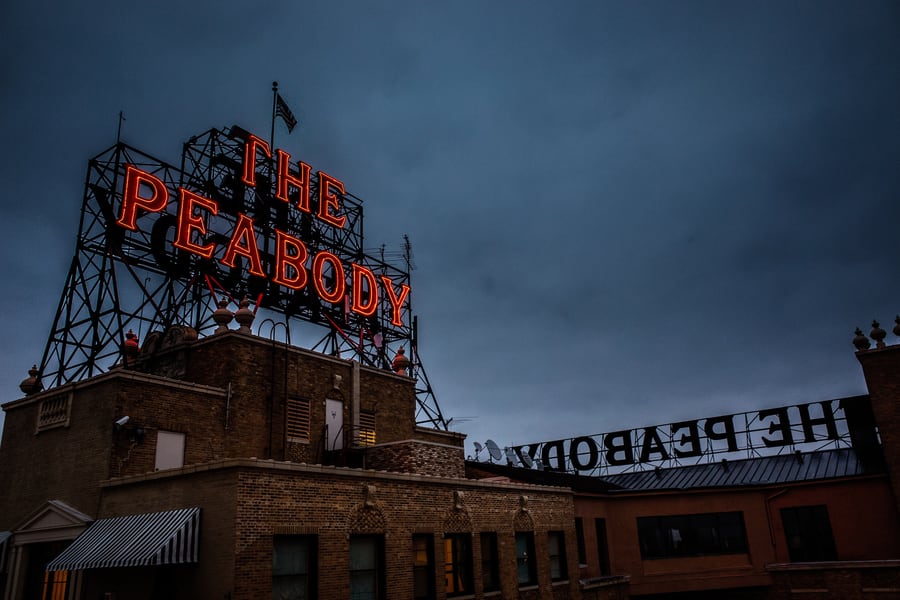
The Peabody Memphis
Memphis · since 1925 on Union Avenue
The 1925 Peabody, where the hotel's ducks march from their penthouse home to the lobby fountain at 11:00 and back at 17:00 every day.
Check Availability (opens in a new tab, on peabodymemphis.com)via peabodymemphis.com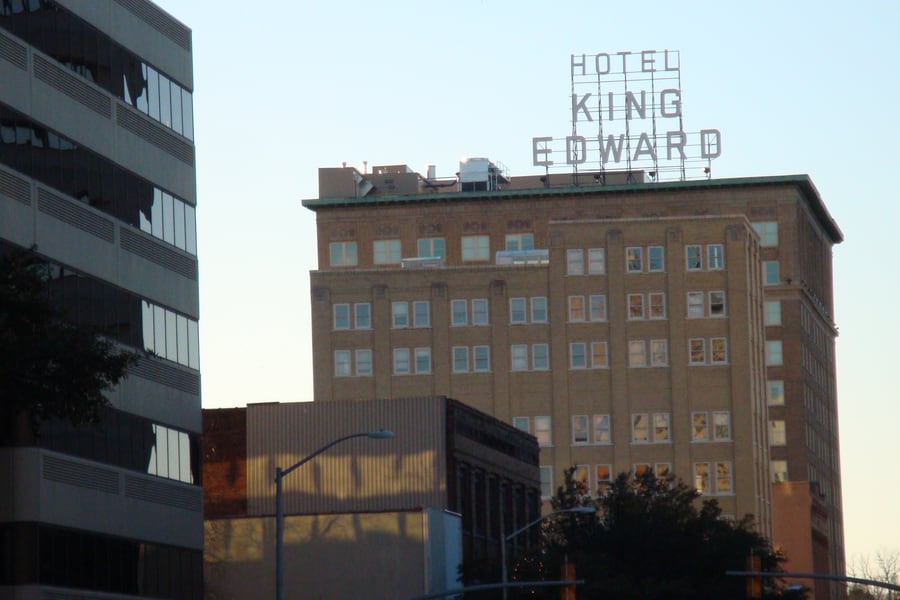 Uncertainhorizon / Wikimedia Commons · CC BY 3.0
Hilton Garden Inn Jackson Downtown
Jackson · in the King Edward of 1923
Opened in 1923 as the Edwards Hotel, where OKeh Records recorded blues sessions in 1930, and reopened in 2009 after nearly forty years empty.
Check Availability (opens in a new tab, on hilton.com)via hilton.com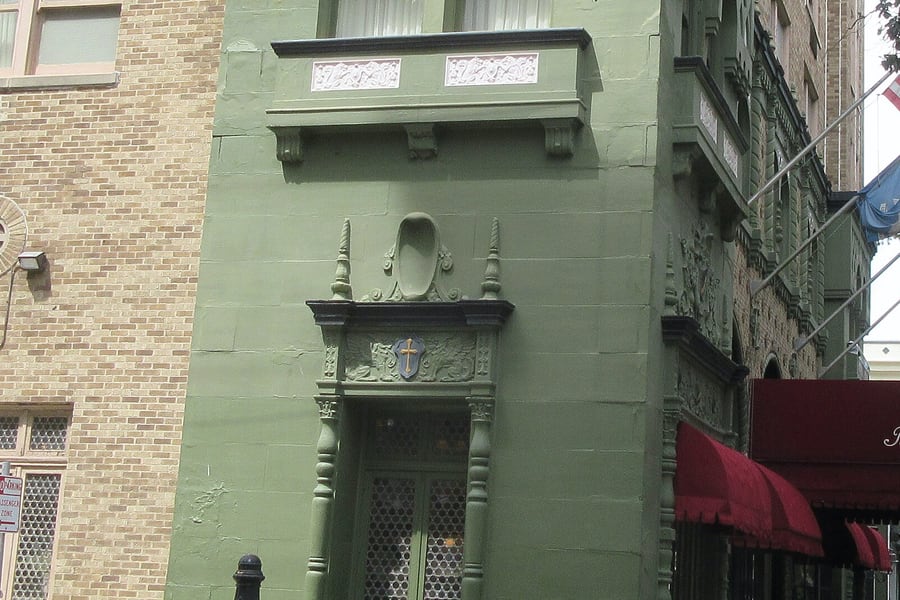 Infrogmation / Wikimedia Commons · CC BY-SA 4.0 · cropped
The Pontchartrain Hotel
New Orleans · St. Charles Avenue, since 1927
Built in 1927 on St. Charles Avenue as a residential hotel, on the edge of the Garden District.
Check Availability (opens in a new tab, on thepontchartrainhotel.com)via thepontchartrainhotel.comQuestions or corrections
Planning this trip and stuck on something, or spotted a time, fare or detail that has changed? Send us a message about City of New Orleans. We read every one, and we update this page when something has changed.