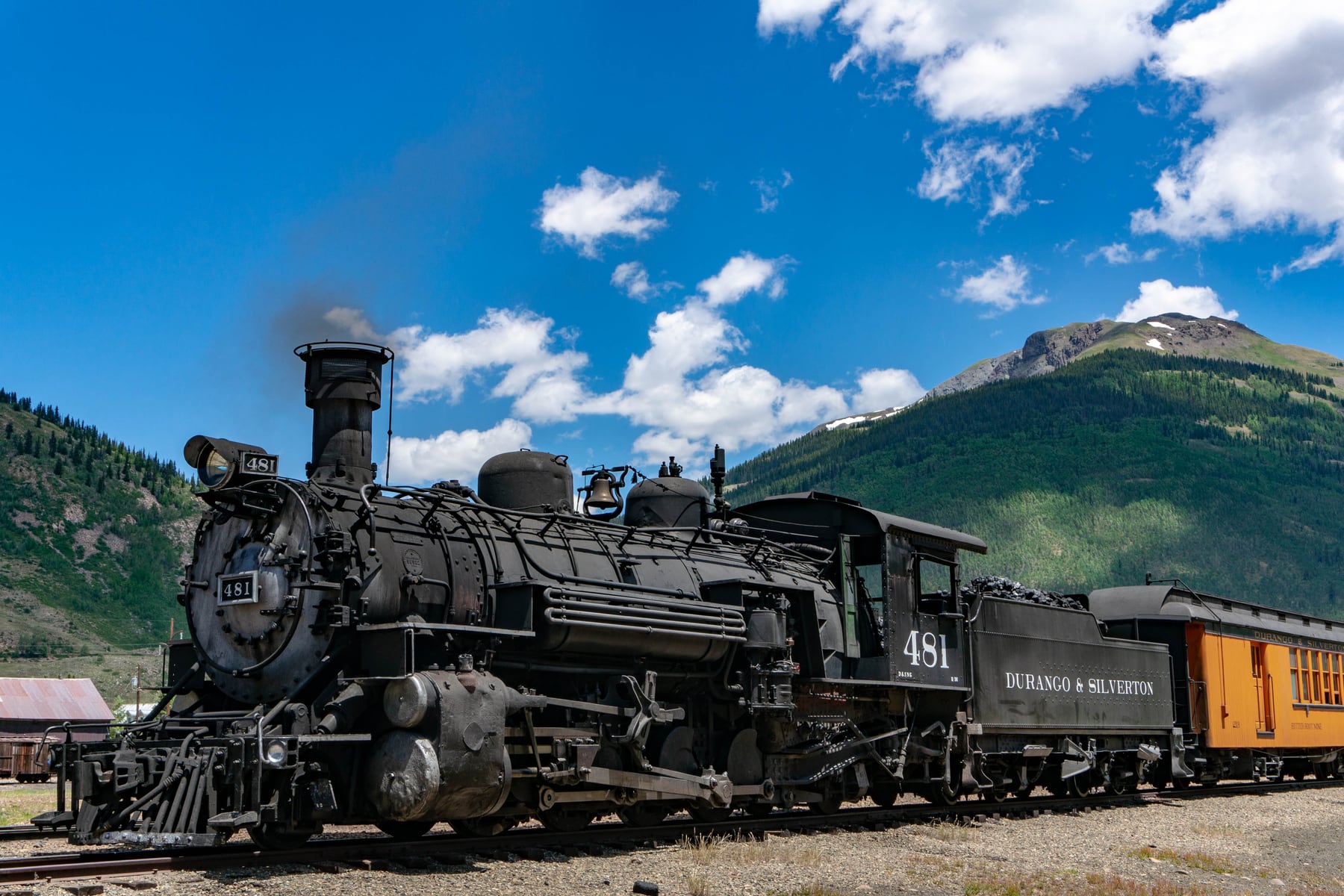
Durango & Silverton
Stefan Serena / Flickr · CC0 · cropped
- Distance45.4 miles (73 km) each way
- Duration3½ hours each way · a 9-hour day
- Best seasonSilverton: 2 May – 1 November · winter trains to Cascade Canyon
Introduction
The Durango & Silverton Narrow Gauge Railroad runs 45.4 miles up the valley of the Animas River, from Durango in southwest Colorado to the old mining town of Silverton, high in the San Juan Mountains. The Denver & Rio Grande built it in 1881–82 to bring silver and gold ore down from the mines, and trains have run between the two towns ever since.
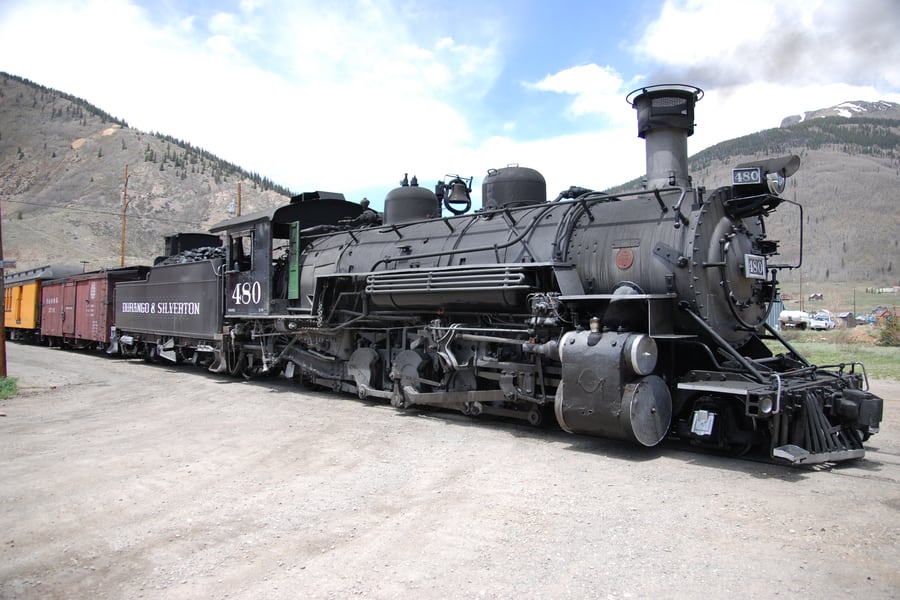
What rides the line today is the railroad of the 1880s kept in working order: track three feet between the rails, coaches of which the oldest were built in the 1880s, and steam locomotives of 1923–25 that haul the regular summer trains. The climb takes three and a half hours each way. Beyond Rockwood no road follows, and the track clings to a shelf blasted into the granite above the river before running through wilderness to Silverton, at 9,302 ft.
The line was cut off from the rest of the Rio Grande's narrow gauge in 1968 and sold in 1981, and it is now a National Historic Landmark. Summer trains run daily to Silverton from May to November; in winter a shorter train goes as far as Cascade Canyon.
The Journey
The day begins at the Durango depot, a pale yellow and chocolate-brown building of 1882 on Main Avenue. Passengers must be in their seats half an hour before departure; in high season the first train leaves at 8:15.
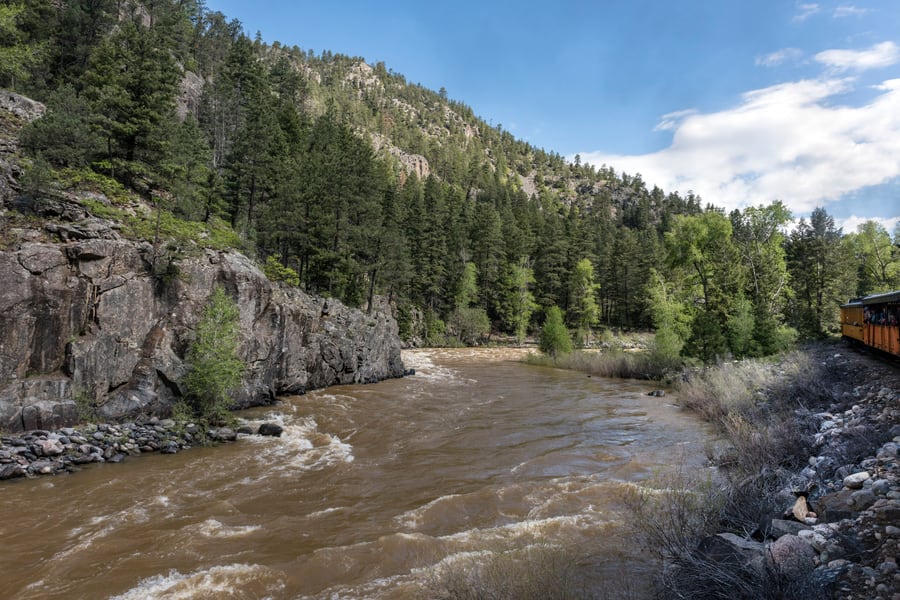
For the first hour the train runs north through the open Animas valley, past the hamlet of Hermosa, with US 550 never far away. At Rockwood the road turns off. The line enters the narrow Animas Canyon and the builders' work begins to show: through the gorge the track sits on a shelf blasted out of the granite, and on the Highline the train edges along the cliff with the river far below. Every train takes in the sights the operator lists: the Horseshoe Curve, the High Bridge and the whole of the Animas River Gorge.
Into the wilderness
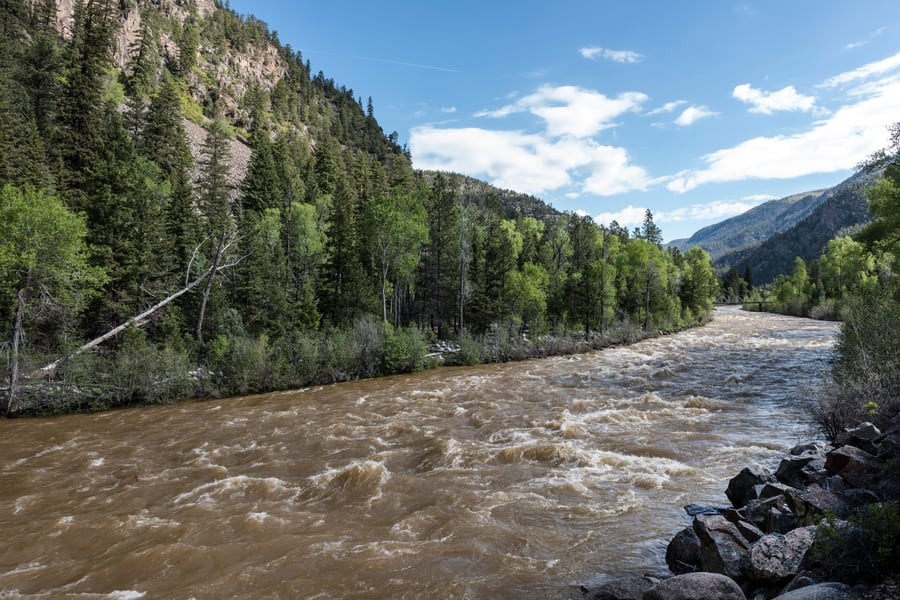
From Rockwood to Silverton there is no motorized access. The train follows the Animas upstream through the San Juan National Forest, past the wye at Cascade Canyon where the winter trains turn, and past an old water tank in the trees. There is no mobile signal. At the flag stops of Needleton and Elk Park, backpackers collect their packs from the boxcar and set off for Chicago Basin, the Colorado Trail and the high peaks of the Weminuche.
The last stretch climbs out of the canyon into Baker's Park, the wide bowl where prospectors found gold and silver around 1860, and the train pulls up in the middle of Silverton. There are roughly two hours to walk Greene and Blair Streets before the return.
The locomotives
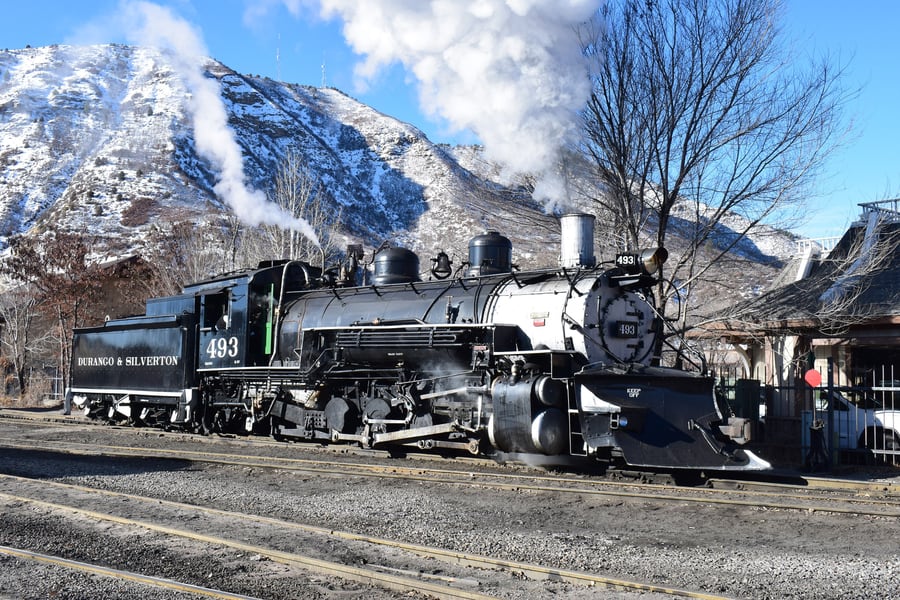
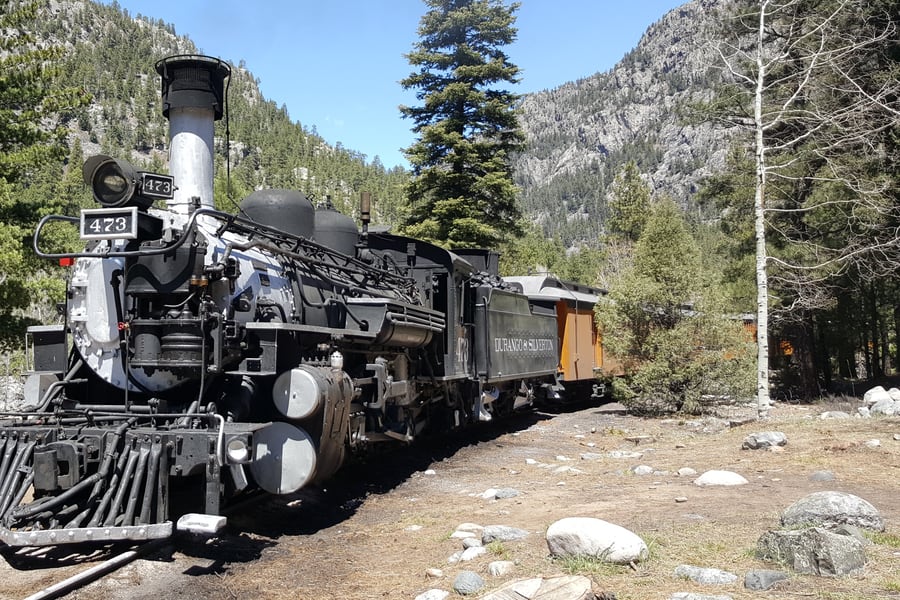
The steam engines are Mikados, 2-8-2s, built for the Rio Grande's narrow gauge: the smaller K-28s by ALCO in 1923, the heavier K-36s by Baldwin in 1925, and No. 493, a K-37 rebuilt from a standard-gauge engine. The railroad's steam locomotives were built as coal burners; since the 416 Fire of 2018 the railroad has been converting them to burn oil, beginning with No. 493 in January 2020. Diesels also work some trains, and the operator notes that motive power can change without notice.
Along the route
 Jeffrey Beall / Wikimedia Commons · CC BY 4.0 · cropped
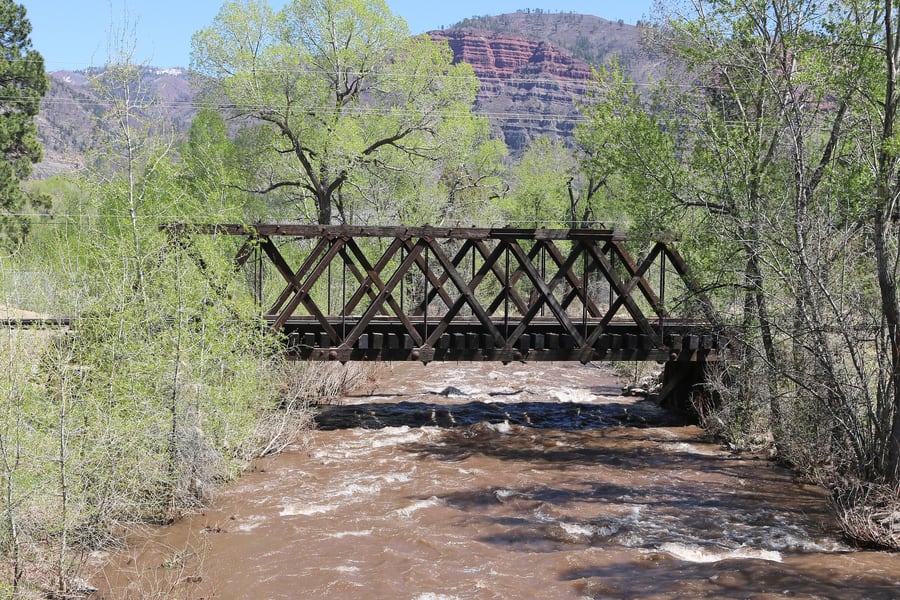
Hermosa Creek
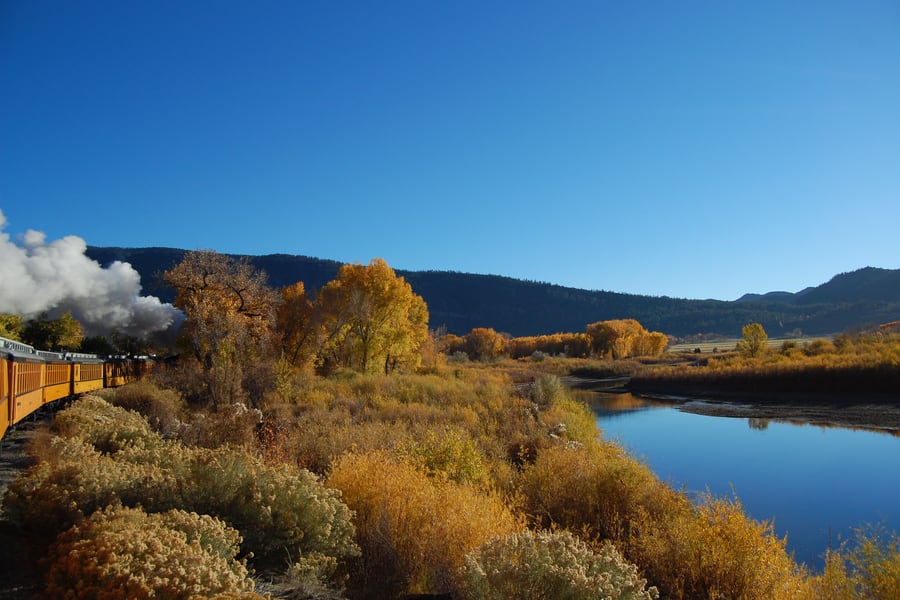
North of Durango the train runs up the broad, farmed Animas valley. At the hamlet of Hermosa it crosses Hermosa Creek on its own bridge, seen here from the US 550 road bridge alongside.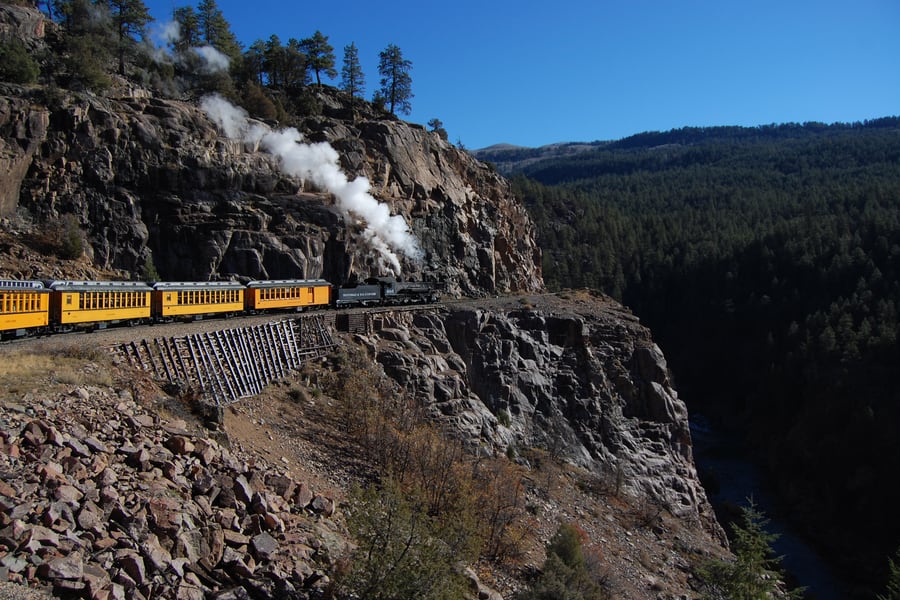 Milan Suvajac / Wikimedia Commons · CC BY-SA 4.0 · cropped
The Highline
Beyond Rockwood the builders of 1881–82 blasted a narrow shelf out of the canyon's granite. On the Highline the cars run along that ledge with the Animas far below — the scene Hollywood came for in Run for Cover and Night Passage.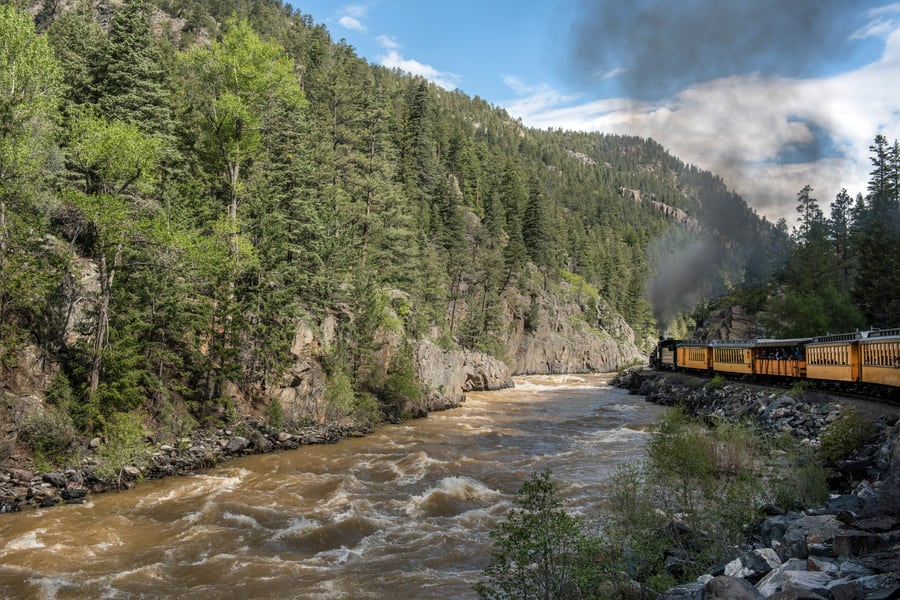 Carol M. Highsmith / Library of Congress · Public domain · cropped
No road beyond Rockwood
Rockwood is the last point a road reaches. From there to Silverton the line runs through designated wilderness with no motorized access, and the train drops hikers at Needleton for Chicago Basin and at Elk Park for the Colorado Trail.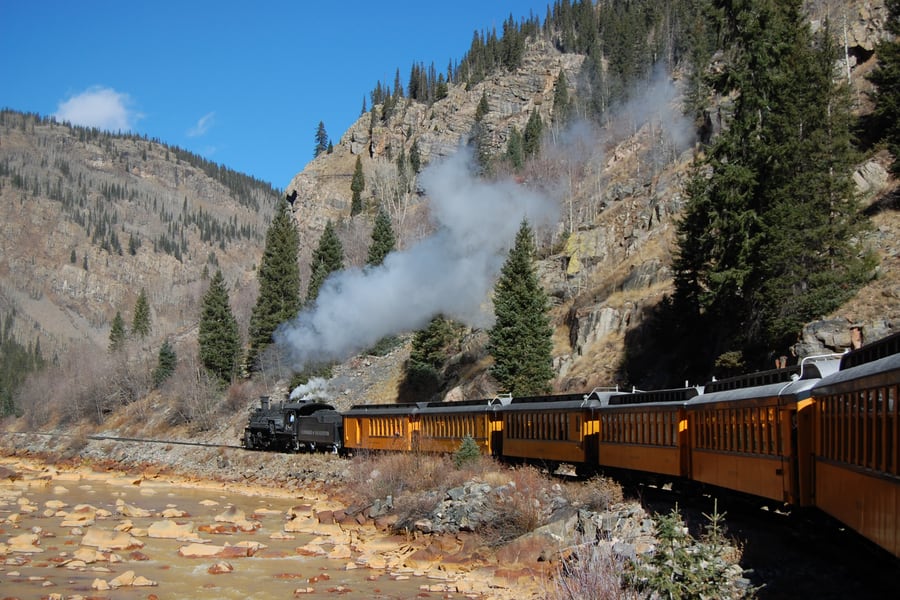 Milan Suvajac / Wikimedia Commons · CC BY-SA 4.0 · cropped
Into Silverton
The last miles climb through Baker's Park, where prospectors found gold and silver around 1860, to Silverton at 9,302 ft. The train pulls up in the middle of town, beside the old saloons of Blair Street.A bit of history
Culture & experiences along the way
 Kari / Wikimedia Commons · CC BY 2.0 · cropped
The roundhouse
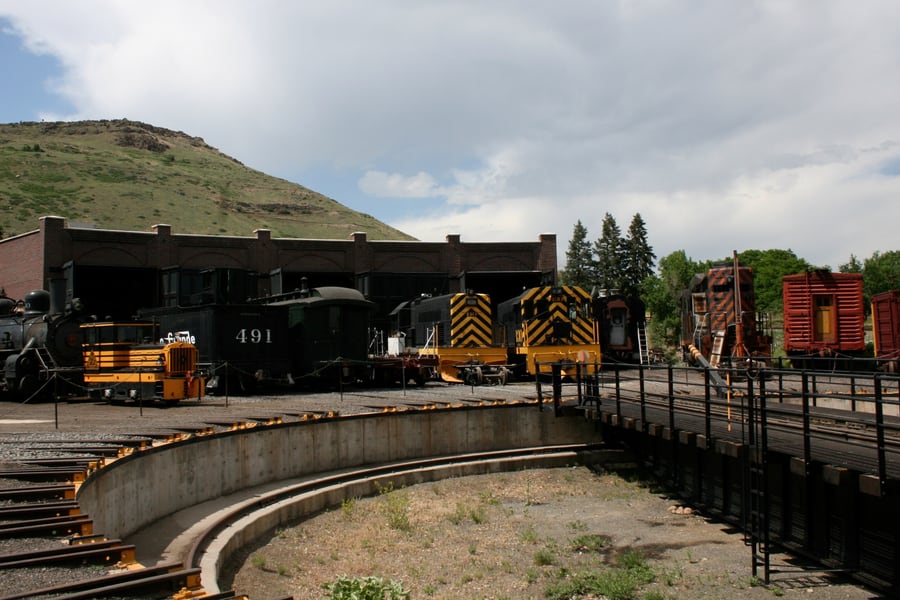
Durango's 1881 roundhouse burned in the winter of 1989 with all six working engines inside; every one was repaired, and a new roundhouse opened in 1990, faced with the old bricks. Half of it is now the railroad's museum, and a guided tour takes in the yard, the shops and the roundhouse itself.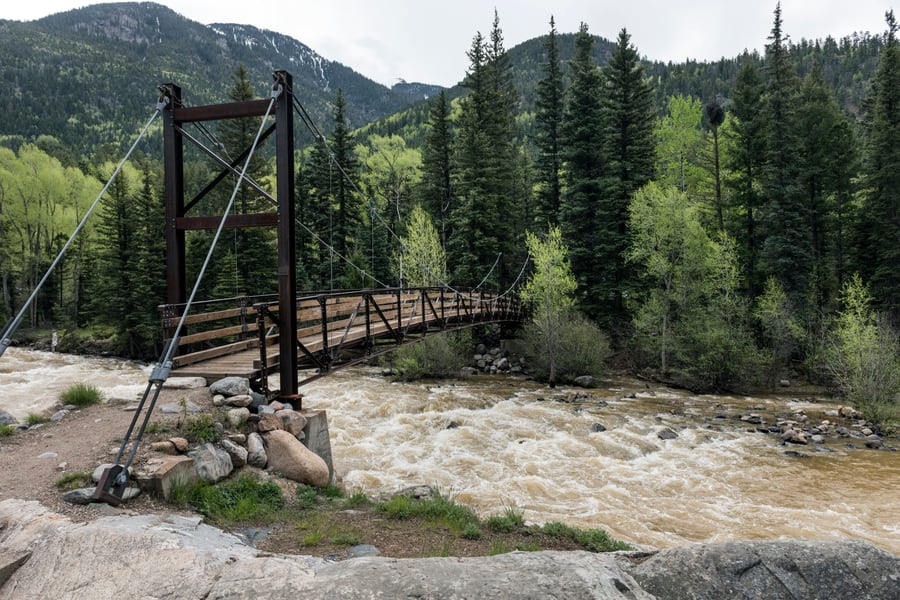 Carol M. Highsmith / Library of Congress · Public domain · cropped
Flagging the train
In the canyon the train still stops on request. Backpackers wait on the east side of the track and signal by waving their hands horizontally across their knees; the conductor sells the ticket, exact fare. The 8:15 departure serves the flag stops, and Needleton takes no more than 40 people a day.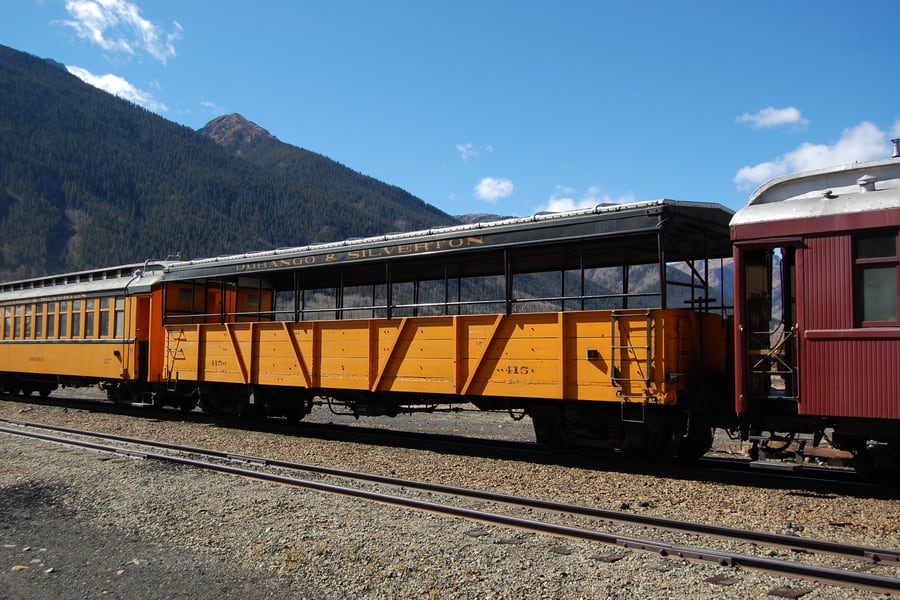 Milan Suvajac / Wikimedia Commons · CC BY-SA 4.0 · cropped
Open air or glass roof
The choice of car shapes the day. Standard class offers vintage coaches with windows that open, or open-air gondolas with outward-facing seats; First Class includes the glass-roofed Silver Vista; Presidential Class is the Cinco Animas, built in 1883 as an immigrant sleeper and now for over-21s only.Timetables
From 2 May to 1 November 2026 the steam train runs to Silverton every day. The 9:00 departure runs all season; in the busier months it is joined by an 8:15 and a 9:45. Each takes about three and a half hours up the canyon, and the return trains leave Silverton in the early afternoon.
Northbound — Durango to Silverton
| Leaves Durango | Arrives Silverton | Runs in 2026 |
|---|---|---|
| 08:15 | 11:45 | 19 May – 17 October |
| 09:00 | 12:30 | 2 May – 1 November |
| 09:45 | 13:15 | 8 June – 9 August and 7 September – 11 October |
Southbound — Silverton to Durango
| Leaves Silverton | Arrives Durango | Runs in 2026 |
|---|---|---|
| 14:00 | 17:30 | until 11 October |
| 14:45 | 18:15 | 2 May – 1 November |
| 15:15 | 18:45 | until 11 October |
The round trip pairs your morning train with an afternoon return, for a day of about nine hours with close to two in Silverton. The 9:00 comes back at 14:45.
Good to know:
- Be seated 30 minutes before departure. Seats that are still empty then can be released to people waiting.
- Train one way, bus the other. The railroad's own coaches run the 52 miles of US 550 between the two towns from 19 May to 11 October; the morning bus is $10 on top of the train fare. On The Silverton Express you take the 12:00 bus up and the 14:00 train back, and are in Durango by 17:30.
- Hikers: the 8:15 calls at the wilderness flag stops for Needleton and Elk Park (19 May to 17 October), and from 8 September to 11 October the 9:45 does too. The 9:00 never stops at them. Wilderness bookings are by phone only.
- In winter the Cascade Canyon Winter Train runs on selected dates from 20 November to 30 April: it leaves Durango at 09:15, reaches Cascade Canyon at 11:15, leaves again at 12:15 after an hour's layover, and is back at 14:30. It goes 26 miles each way, not to Silverton.
Times as of September 2026, from the Durango & Silverton Narrow Gauge Railroad's published 2026 schedule; the three summer departures confirmed in its booking system for 30 September. Confirm before travelling on durangotrain.com (opens in a new tab).
Tickets
Every seat is assigned and booked in advance, and the 2026 fares are all-in, including the railroad's 8 % Historic Preservation Fee. A round trip and a one-way ride cost the same. Standard Class is $118 in a coach or $129 in an open gondola; the Deluxe San Juan coach is $161; First Class runs from $226 to $259, with the glass-roofed Silver Vista at $233; and Presidential Class in the Cinco Animas is $313. Children aged 4 to 11 pay $10 less in Standard Class, and under-4s on a lap ride free.
Some First Class cars and the Presidential car are adults only, and several are sold in pairs. Changes and cancellations go through the ticket office by phone; cancelling costs $14 per adult, and nothing is refunded within five days of the trip. Fares checked September 2026 at durangotrain.com (opens in a new tab); US dollars.
Book your tickets
Standard Class
Vintage coach or open-air gondola
A reserved seat in an enclosed coach with opening windows, or in an open gondola for $11 more.
Book Tickets (opens in a new tab, on Durango & Silverton Narrow Gauge Railroad)via Durango & Silverton Narrow Gauge RailroadFirst Class
An attendant, a pastry and a souvenir mug
Table seating in a restored parlour car or a seat under the glass roof of the Silver Vista.
Book Tickets (opens in a new tab, on Durango & Silverton Narrow Gauge Railroad)via Durango & Silverton Narrow Gauge RailroadPresidential Class
The Cinco Animas · 21 and over
Pullman seating, an observation parlour and a private rear platform in a car of 1883.
Book Tickets (opens in a new tab, on Durango & Silverton Narrow Gauge Railroad)via Durango & Silverton Narrow Gauge RailroadRail Passes
No national rail pass covers this train. The Durango & Silverton is an independent railroad that sells its own tickets; Amtrak's USA Rail Pass is valid on Amtrak's own services, and Interrail and Eurail do not apply anywhere in the United States.
The railroad sells a pass of its own: a season pass with unlimited Standard Class travel on its regular trains, subject to space, a waived backpack fee for hikers, and 10 % off selected special-event trains. It is only worth it for someone riding several times in a season, and the 2026 passes were sold until 31 May, by phone or online. For a single visit, buy the ticket.
Checked September 2026 against durangotrain.com (opens in a new tab).
Places to Visit
Durango and Silverton are the two ends of the line, and both are worth more than the time the train gives them. Beyond them, the train drops hikers into the high country, US 550 carries on north over the mountains to Ouray, and Mesa Verde lies west of Durango.
 Carol M. Highsmith / Library of Congress · Public domain · cropped
Durango
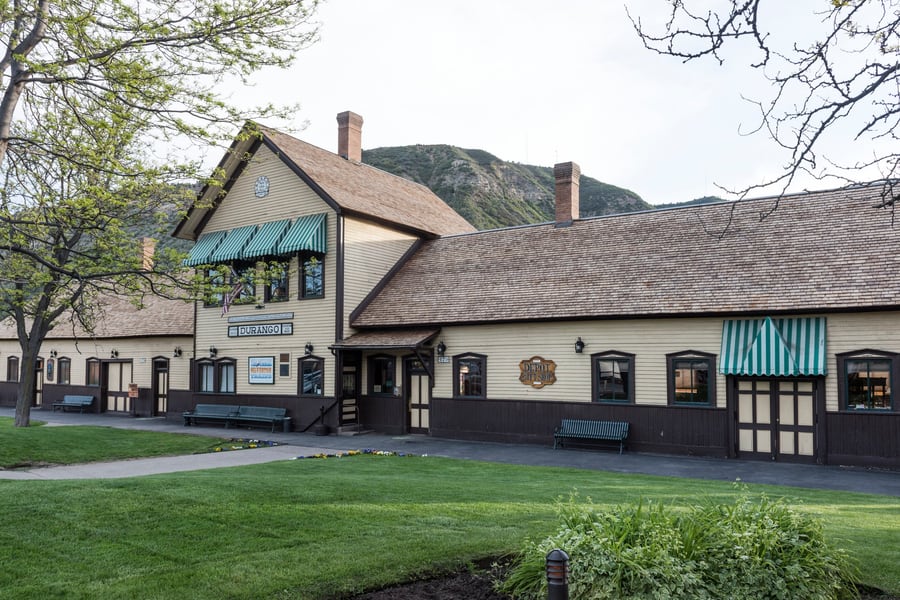
The Denver & Rio Grande founded Durango in 1880 and reached it on 5 August 1881. Its pale yellow and chocolate-brown depot, built in January 1882, is preserved in its original form and still sells the tickets. The town of about 19,000 is the county seat of La Plata County.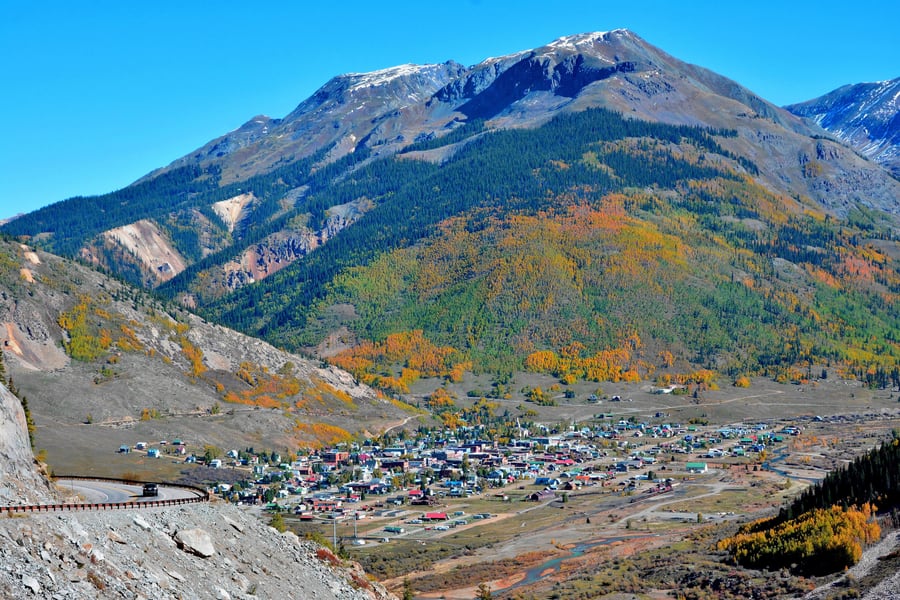 Mike McBey / Wikimedia Commons · CC BY 2.0 · cropped
Silverton
The townsite was laid out in 1874 and by 1883 had some 2,000 people, two banks and 32 saloons. Silver carried it until the Panic of 1893, gold until 1907. The whole town is now a National Historic Landmark district, and the train unloads on Blair Street, once its red-light district.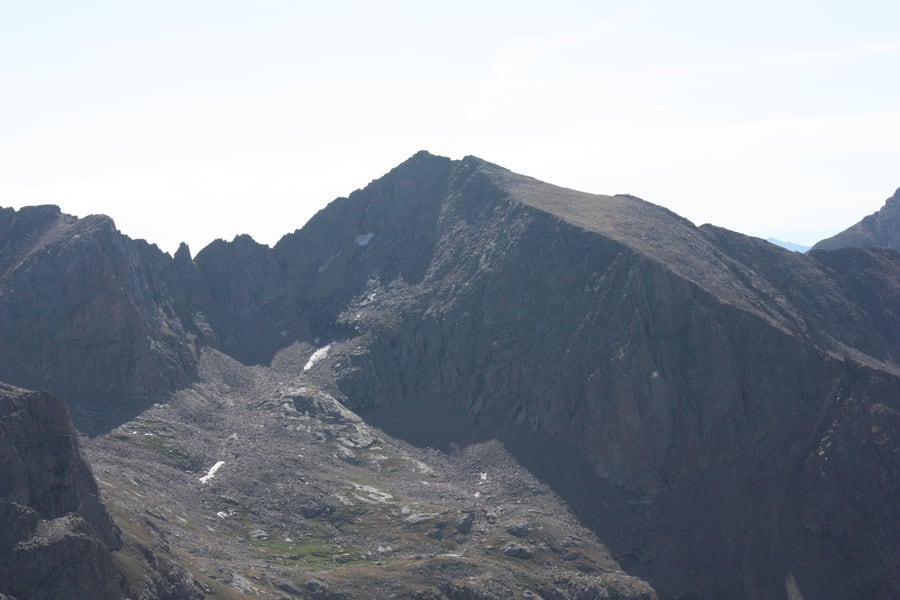 Jeremiah LaRocco / Wikimedia Commons · CC BY-SA 2.0 · cropped
Chicago Basin
From Needleton, the Needle Creek Trail climbs 3,000 ft in seven miles to Chicago Basin, base camp for three fourteeners — Sunlight Peak (14,059 ft), Mount Eolus (14,084 ft) and Windom Peak (14,087 ft). It lies in the Weminuche, Colorado's largest wilderness area.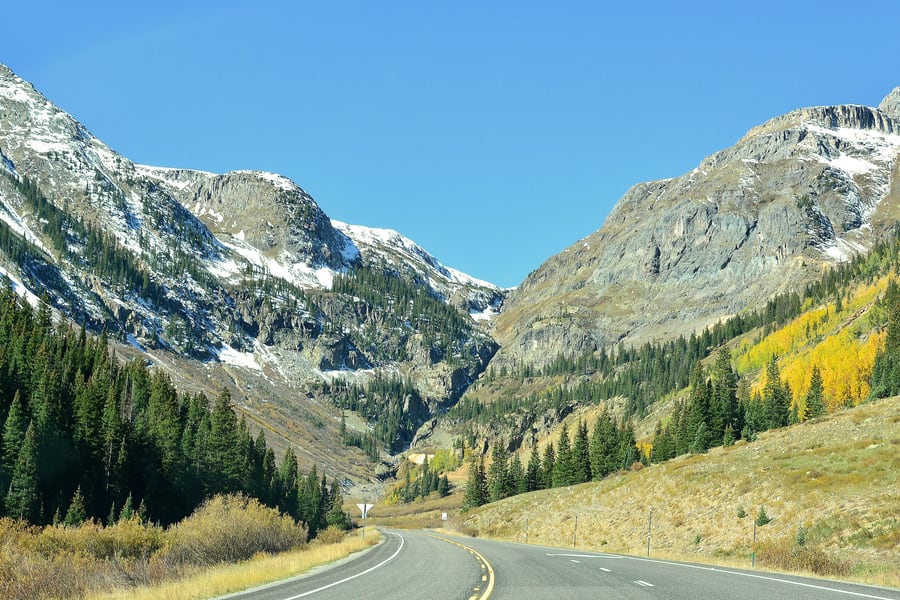 Mike McBey / Wikimedia Commons · CC BY 2.0 · cropped
The Million Dollar Highway
North of Silverton, US 550 climbs over Red Mountain Pass at 11,018 ft, the high point of the 236-mile San Juan Skyway, and drops towards Ouray on an 8 % grade cut into quartzite cliffs, with no shoulder. Headframes from its silver boom of 1882–1893 are still visible.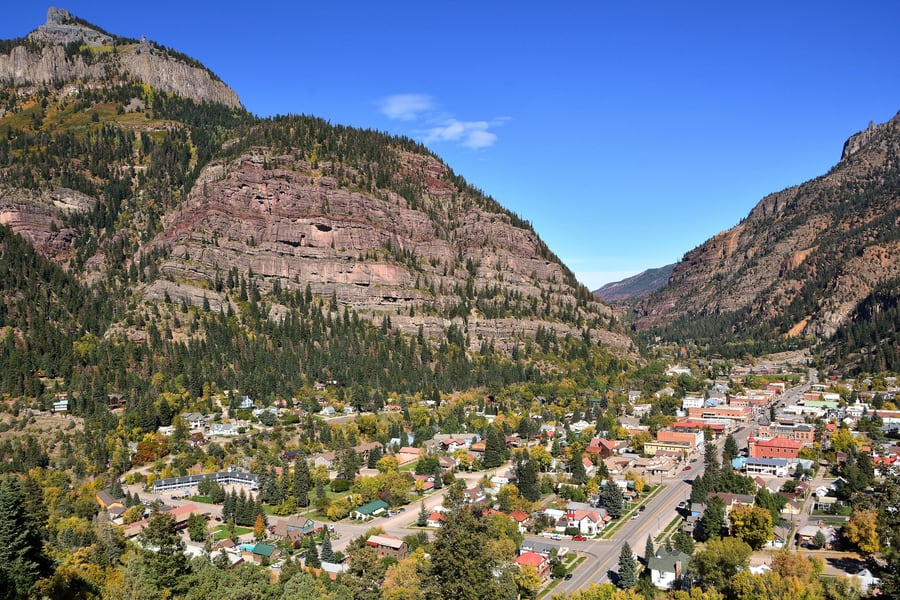 Mike McBey / Wikimedia Commons · CC BY 2.0 · cropped
Ouray
At 7,792 ft, Ouray sits at the narrow head of a valley walled in on three and a half sides, which is where the nickname comes from. It was incorporated in 1876 and named for Chief Ouray of the Utes; the Camp Bird Mine above it was Colorado's second-largest gold mine. Today the draw is its hot springs.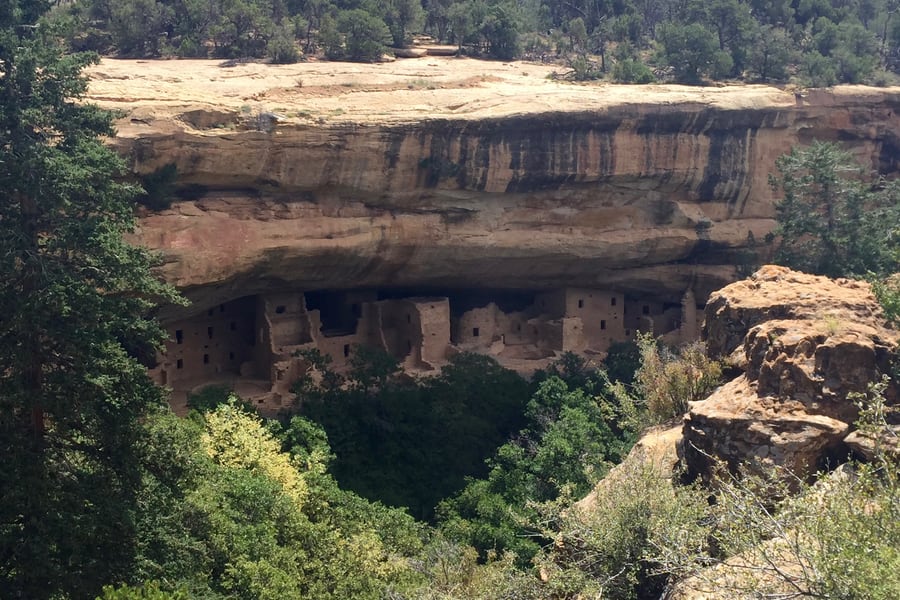 w_lemay / Wikimedia Commons · CC0 · cropped
Mesa Verde
Established in 1906 and a UNESCO World Heritage Site, Mesa Verde protects some 600 cliff dwellings of the Ancestral Puebloans. Spruce Tree House, built about 1211–1278 in an alcove of the canyon wall, has about 130 rooms and eight kivas; it is seen here from the rim at Spruce Tree Point.Where to Sleep
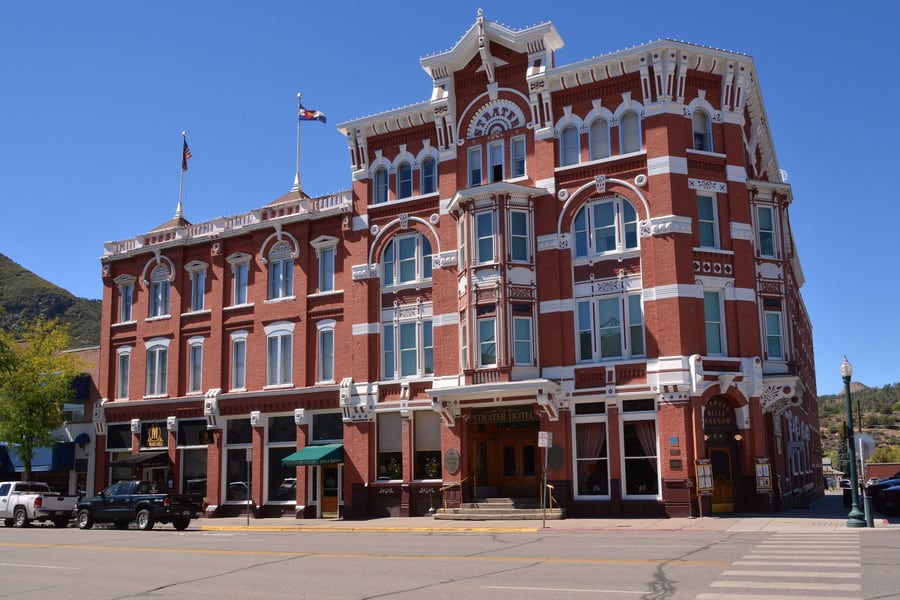
Two hotels from the mining boom, one at each end of the line: the Strater on Durango's Main Avenue, a few blocks from the depot, and the Grand Imperial on Silverton's Greene Street, for a night in Silverton after the day trippers have gone.
Where to stay
 Mike McBey / Wikimedia Commons · CC BY 2.0 · cropped
Strater Hotel
Durango · on Main Avenue, since 1887
Built by the pharmacist Henry Strater for $70,000, it has 88 rooms, no two alike, and the Diamond Belle Saloon.
Check Availability (opens in a new tab, on strater.com)via strater.com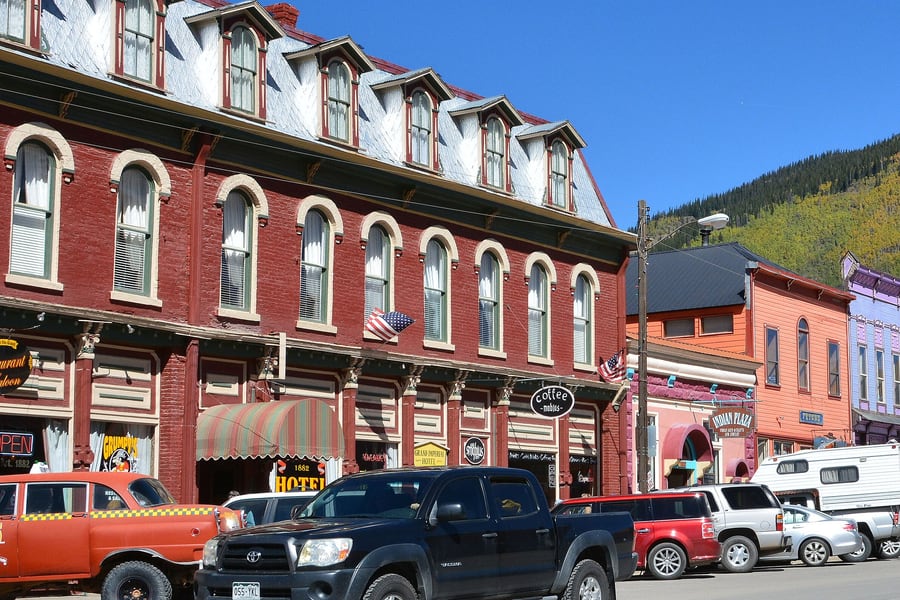 Mike McBey / Wikimedia Commons · CC BY 2.0 · cropped
Grand Imperial Hotel
Silverton · on Greene Street, since 1883
Built of granite as the Thomson Block in 1883, it has belonged since 2015 to the family that owns the railroad.
Check Availability (opens in a new tab, on grandimperialhotel.com)via grandimperialhotel.comQuestions or corrections
Planning this trip and stuck on something, or spotted a time, fare or detail that has changed? Send us a message about Durango & Silverton. We read every one, and we update this page when something has changed.