The Kelani Valley Line
Isira Direckz / Wikimedia Commons · CC BY-SA 4.0 · 2024 · cropped
- Distance61.2 km
- Duration2 hr 33 min – 3 hr 22 min
- Best seasonCommuter trains daily · no reservations
Introduction
This railway was built for rubber. In 1902, just as the new crop was spreading across the low hills east of Colombo, the Kelani Valley Line opened to Avissawella as a narrow-gauge line, 2 ft 6 in between the rails, to carry it out. It was extended to Yatiyantota in 1903, to Ratnapura in 1912 and to Opanayake in 1919, and for most of the century little trains worked it with engines of their own.
Then it shrank. The Yatiyantota branch lost its last passenger train at the end of 1941, the line beyond Homagama shut in the mid-1970s, and services came back only as far as Avissawella in 1978. In the 1990s the surviving 61 kilometres were rebuilt to the island's broad gauge, and everything beyond Avissawella was lifted, leaving ruined stations, bridges and embankments in the hills.
What is left is Colombo's commuter railway to the south-east. It leaves the city through Nugegoda, Maharagama and Homagama, turns east past Padukka into the green hills of the rubber country, and stops at Avissawella, the old royal seat of Sitawaka, after about two and a half to three and a half hours. It is single track and slow, sharply curved, and ridden by people going to work.
The Journey
Trains start at Colombo Fort and call at Maradana, where the Kelani Valley Line leaves the Main Line and heads south-east. For the first twenty-odd kilometres this is a suburban railway: it runs through Narahenpita, Nugegoda and Maharagama, past back gardens and level crossings, and by Kottawa, 21 kilometres out, the houses are starting to thin.
At Homagama, 26.5 kilometres from Fort, the line crosses the Southern Expressway and turns east. Beyond it the stations come every two or three kilometres — Panagoda, Godagama, Meegoda, Watareka — and at Padukka, 37 kilometres out, the suburbs give way to the low, green hills of the wet zone, the rubber country the railway was built to serve.
Towards Avissawella
The last 24 kilometres are the quietest. The train works through Waga and Kosgama, where some services turn back, and on to Avissawella, 61.2 kilometres from Colombo Fort by the department's own station table. The rails stop there. The narrow gauge once carried on up the Kelani valley to Yatiyantota and south to Ratnapura; that alignment has been lifted and survives only as embankments and ruined bridges in the hills beyond the town.
What runs
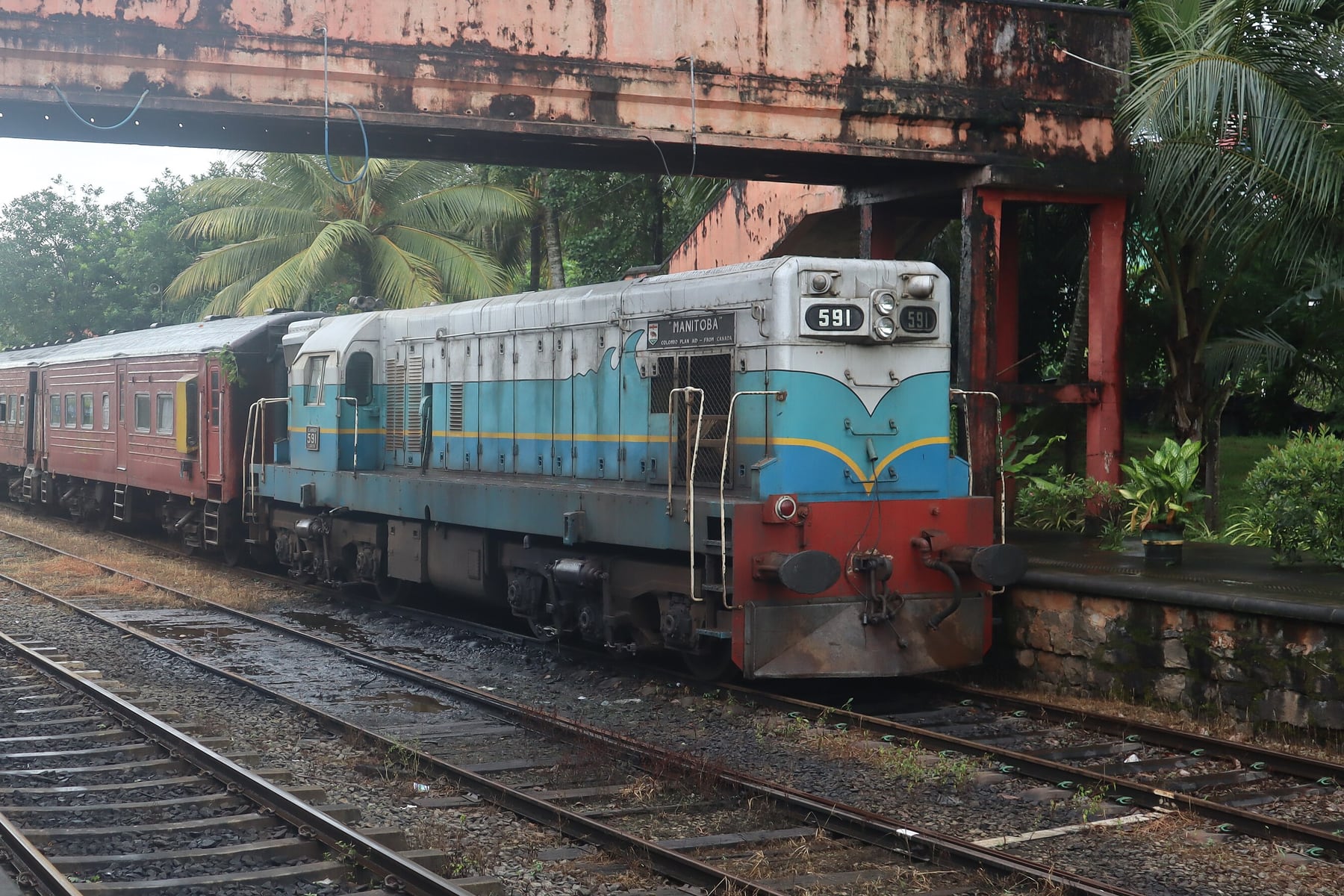
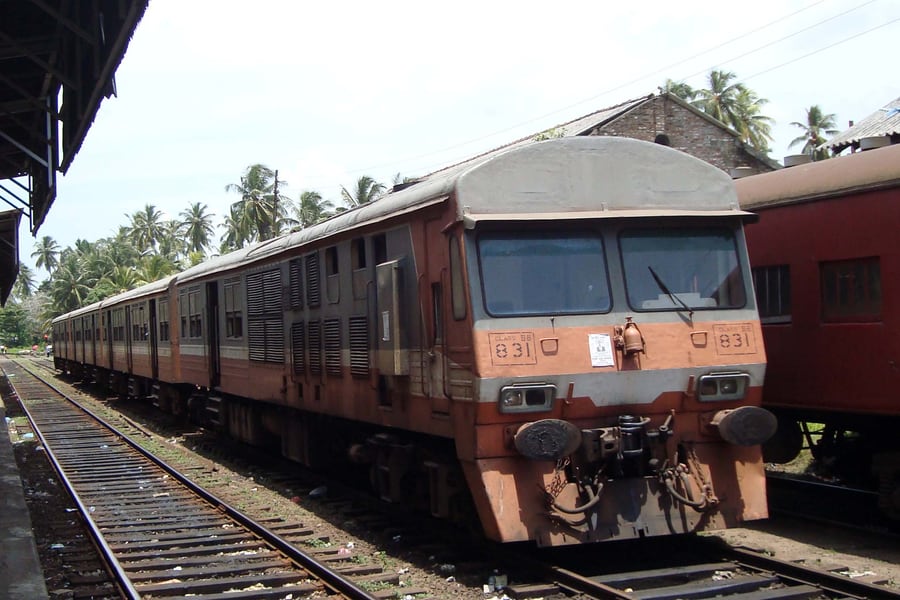
The department built this line's modern service around diesel multiple units: its own page on the Class S12 says four of the thirteen sets it bought from China work the Kelani Valley Line, each of six coaches and one power car. The older Hyundai-built S8 sets, like the one in the gallery, have long worked it too. The locomotive in the header is something rarer: M2A 591 Manitoba, one of the Canadian-built General Motors diesels given under the Colombo Plan, photographed at Padukka in 2024 on a special ballast train — a visitor to the line rather than its everyday traffic.
A renovation of the track, launched in September 2023, was meant to take about thirty minutes off the run between Colombo and Avissawella.
Along the route
 Shamli071 / Wikimedia Commons · CC BY-SA 3.0 · 2011 · cropped
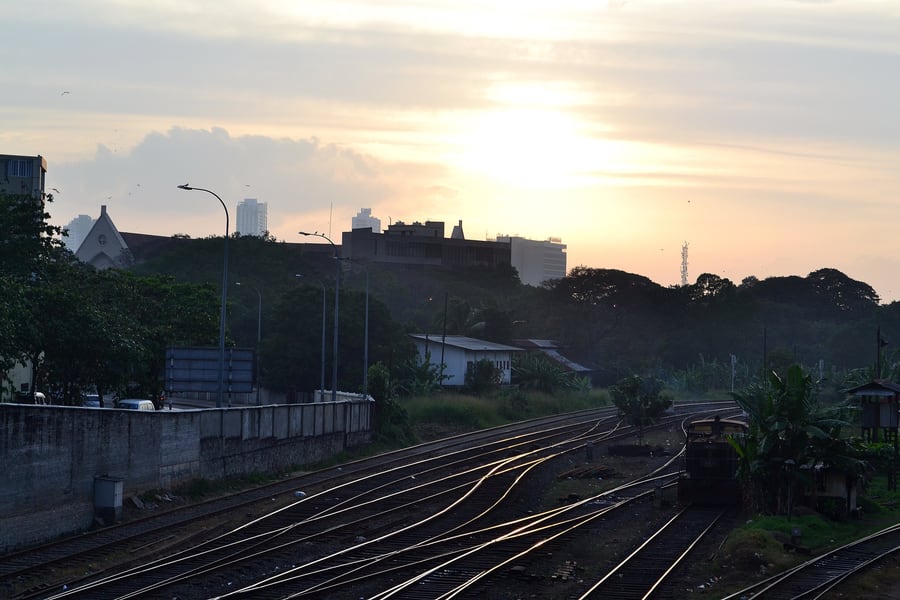
Out through Maradana
Every train calls at Maradana, the railway's junction on the edge of the Fort, where the Kelani Valley Line leaves the Main Line and swings away south-east into the suburbs.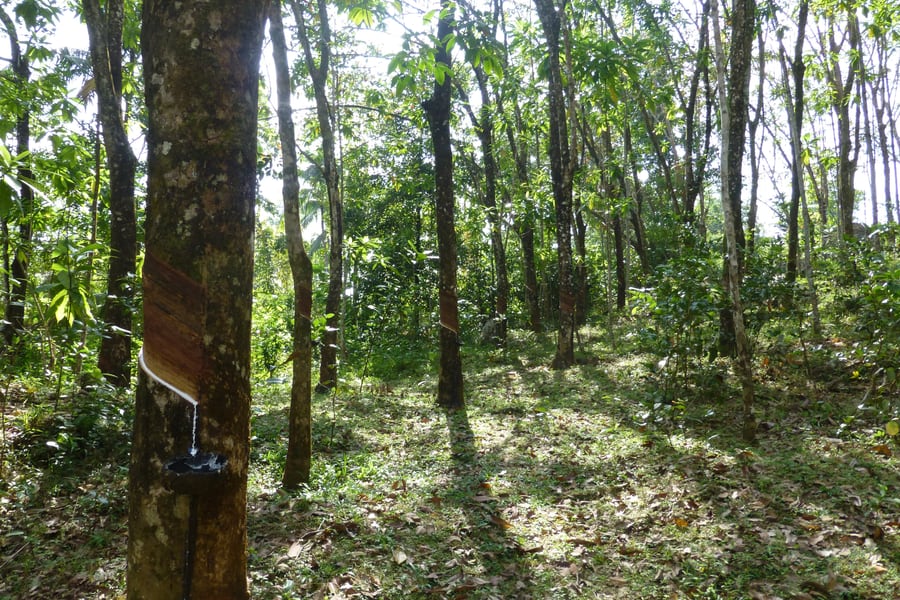 Ji-Elle / Wikimedia Commons · CC BY-SA 3.0 · 2013 · cropped
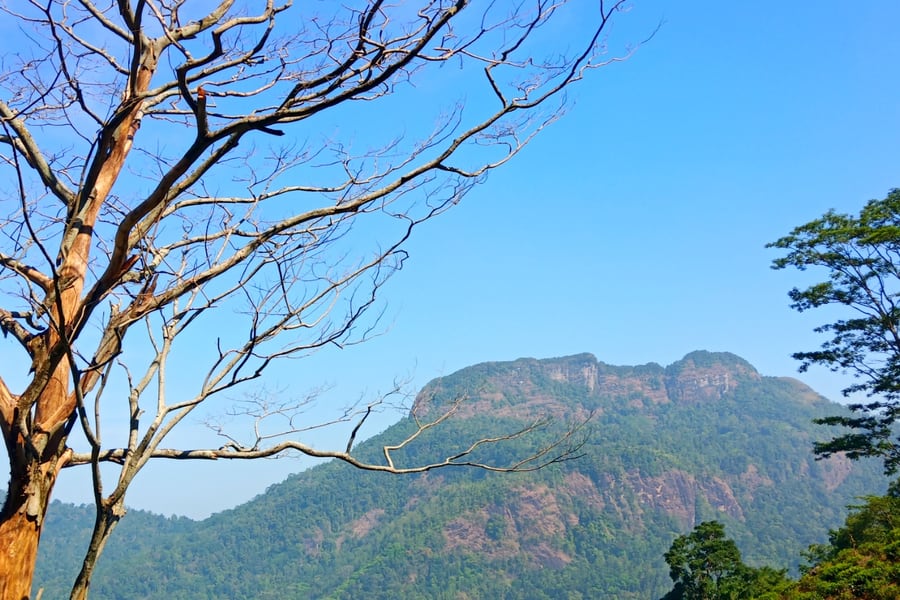
Into the rubber country
Past Homagama the houses thin out, and beyond Padukka the line runs through the low wet-zone hills it was built for, where rubber was spreading fast when the first trains came.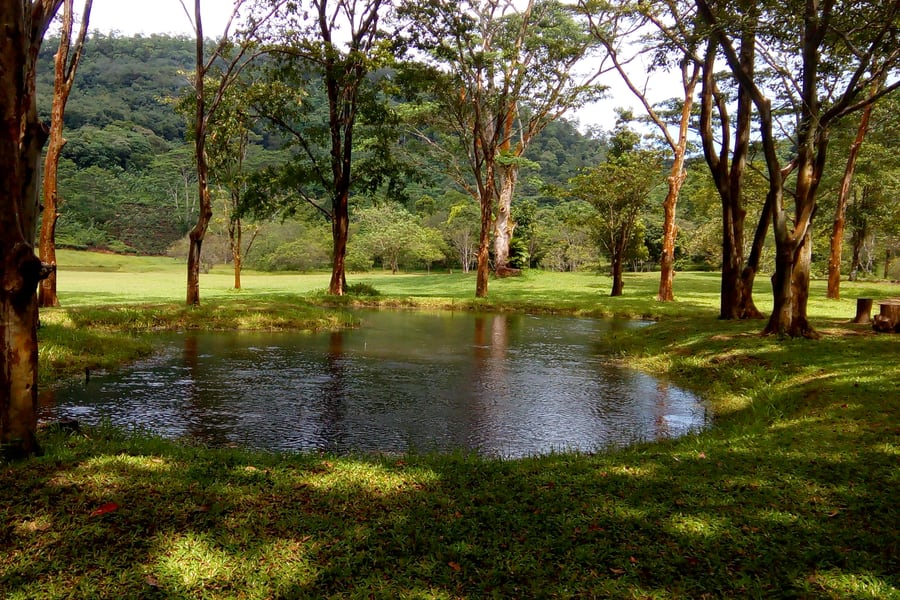 Moonpuddles / Wikimedia Commons · CC BY-SA 4.0 · 2015 · cropped
Where the rails stop
At Avissawella, 61 kilometres out, the track ends. The narrow gauge once went on to Yatiyantota and Ratnapura; those rails were lifted long ago.A bit of history
Culture & experiences along the way
 Ji-Elle / Wikimedia Commons · CC BY-SA 3.0 · 2013 · cropped
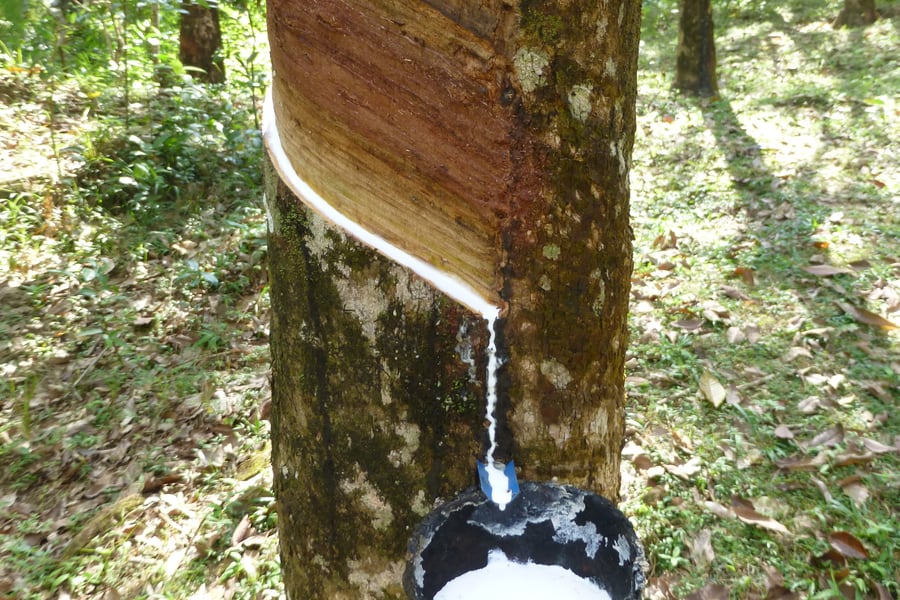
The crop the line was built for
Rubber came to Ceylon in 1876 as a few thousand seedlings planted at Henarathgoda, and by the early 1900s it covered some ten thousand hectares — which is why a railway was pushed into these hills in 1902. The trees are still tapped the old way, a spiral cut in the bark draining white latex into a cup.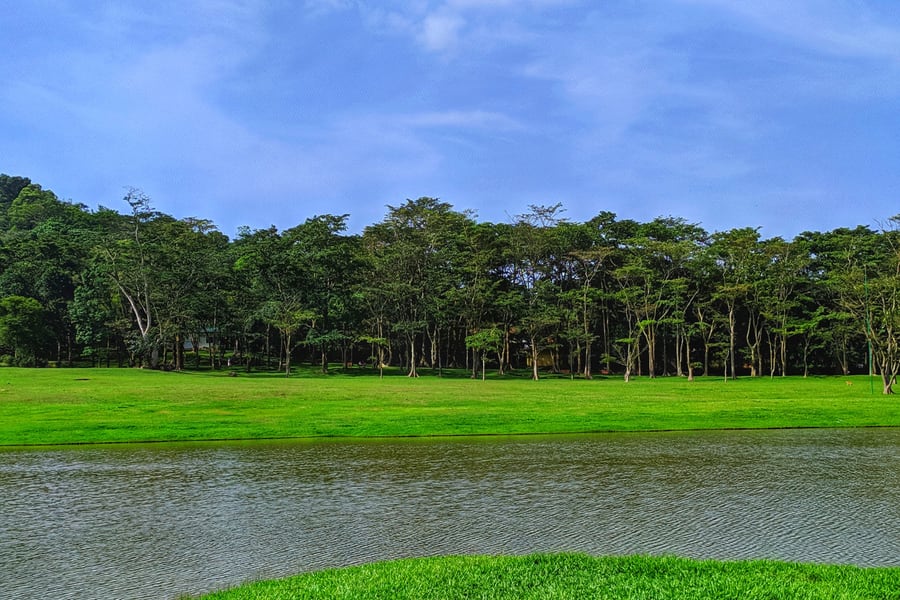 Madhawa Dunuwila / Wikimedia Commons · CC BY-SA 4.0 · 2019 · cropped
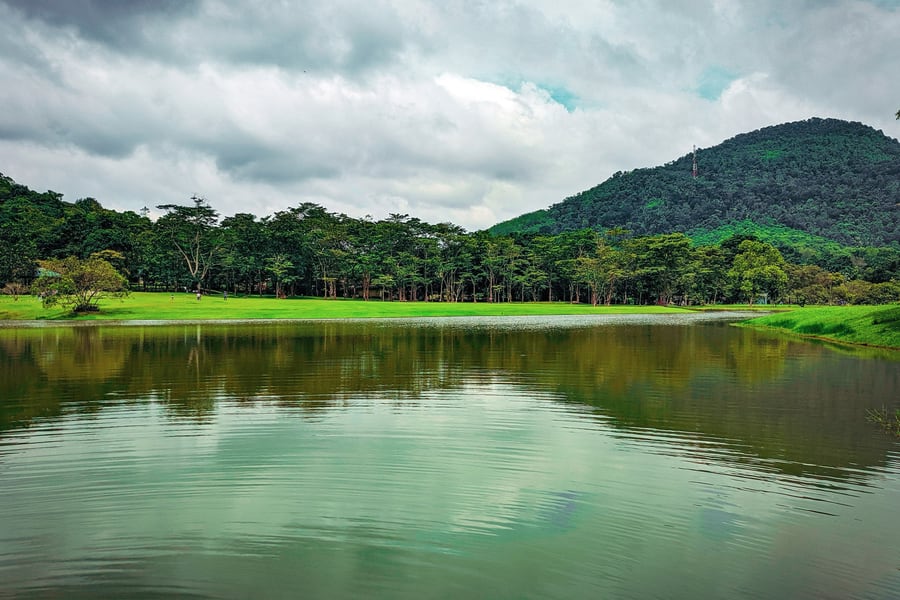
The Seethawaka garden
Sri Lanka's newest botanic garden, opened to the public in 2014 on the edge of Avissawella. It is a research and conservation garden for the threatened plants of the lowland rain forest around Sinharaja, laid out around lakes and lawns in the valley.Timetables
This is a commuter line and the timetable says so: the trains come into Colombo in the early morning and go back out in the evening. The departures below are Sri Lanka Railways' own, from its revised timetable of 2 December 2025, issued "until further notice" and still the latest it has published for the line; its April 2026 holiday timetable repeats them. Run times are 2 hr 33 min to 3 hr 22 min end to end. As of September 2026.
From Colombo Fort
| Departs | To | Days |
|---|---|---|
| 08:30 | Avissawella | Daily |
| 16:00 | Avissawella | Not Saturdays |
| 16:25 | Avissawella | Daily |
| 17:20 | Kosgama | Not Saturdays |
| 17:45 | Avissawella | Daily |
| 18:30 | Kosgama | Daily |
| 20:00 | Avissawella | Daily |
To Colombo Fort
| Departs | From | Days |
|---|---|---|
| 04:40 | Avissawella | Daily |
| 04:45 | Waga | Daily |
| 05:15 | Avissawella | Daily |
| 05:55 | Avissawella | Not Sundays |
| 06:05 | Kosgama | Not Sundays |
| 06:25 | Avissawella | Daily |
| 12:25 | Avissawella | Daily |
Planning around it
The one train that suits a visitor is the 08:30 from Colombo Fort, which reaches Avissawella just before midday. The only daytime train back leaves at 12:25, so a return trip in a day allows about half an hour at the far end. To see Avissawella properly, stay the night and take one of the early trains back, or return by road.
There are no reservations on this line: the department's booking system sells nothing on it, and you simply buy a ticket and board.
⚠️ Check before you travel. The timetable above dates from the recovery after Cyclone Ditwa, and changes are posted on the department's media notices page (opens in a new tab), often in Sinhala and Tamil only.
Tickets
Nothing on this line is reserved. Tickets are sold for the day rather than for a train, at the station window or through the department's commuter ticketing site, and you board whichever train comes. Fares below were read from that site on 23 September 2026.
The fares are very low: LKR 160 third class from Colombo Fort to Avissawella, and LKR 80 to Homagama. There is nothing to book ahead and nothing to gain by it.
Book your tickets
Hafiz Issadeen / Wikimedia Commons · CC BY 2.0 · 2008 · croppedThird class, unreserved
LKR 160 to Avissawella · LKR 80 to Homagama
Bought for the day at the window or online, and good on whichever train comes.
Book Tickets (opens in a new tab, on pravesha.lk)via pravesha.lkRail Passes
There is no rail pass for Sri Lanka, and none would help here.
Sri Lanka Railways is a single state operator with no national rover ticket and no part in any international pass scheme; Interrail and Eurail do not reach the country. Besides the ordinary passenger, the department's systems recognise only warrant holders, pension warrant holders and season-ticket holders, and all three are domestic entitlements rather than products a visitor can buy.
Nor would a pass pay for itself. The whole 61 kilometres from Colombo Fort to Avissawella costs LKR 160 in third class, and there are no seats to reserve.
Checked against Sri Lanka Railways' commuter ticketing and reservation systems, September 2026.
Places to Visit
The line has two ends worth stopping at. At the Colombo end is Maradana, the railway's own junction and the station where the Kelani Valley Line begins its run to the south-east. At the other is Avissawella, once the capital of a Sinhalese kingdom and now the gateway to the wet-zone hills, with a new botanic garden on its edge.
 A.Savin, Wikipedia · FAL · 2020 · cropped
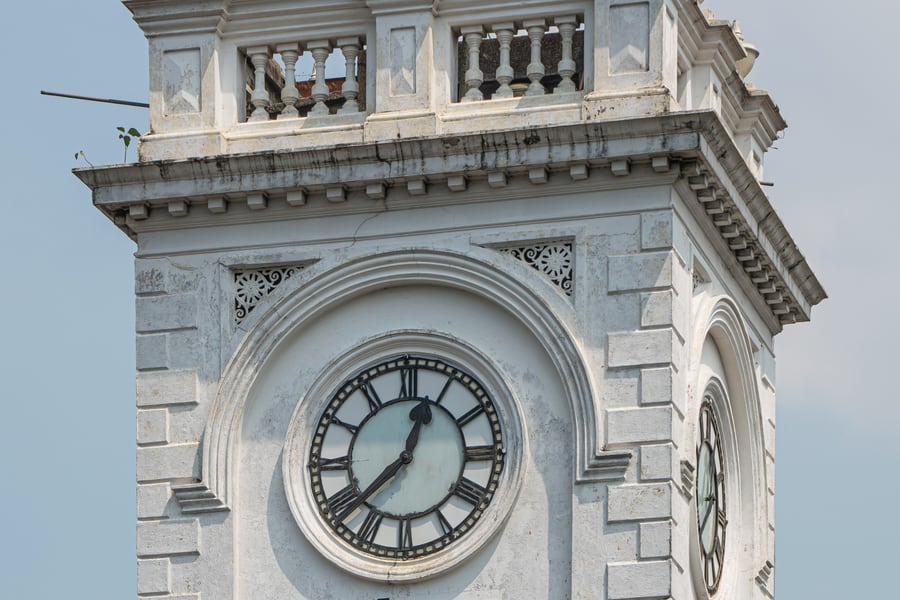
Maradana
Colombo's railway junction. Maradana station opened in 1908, when the old Colombo Terminus was closed and the city's railways were reorganised, and its white clock tower still rises over the station. The Main Line, the Coast Line and the Kelani Valley Line all meet here, and the Colombo network's traffic control centre is run from here.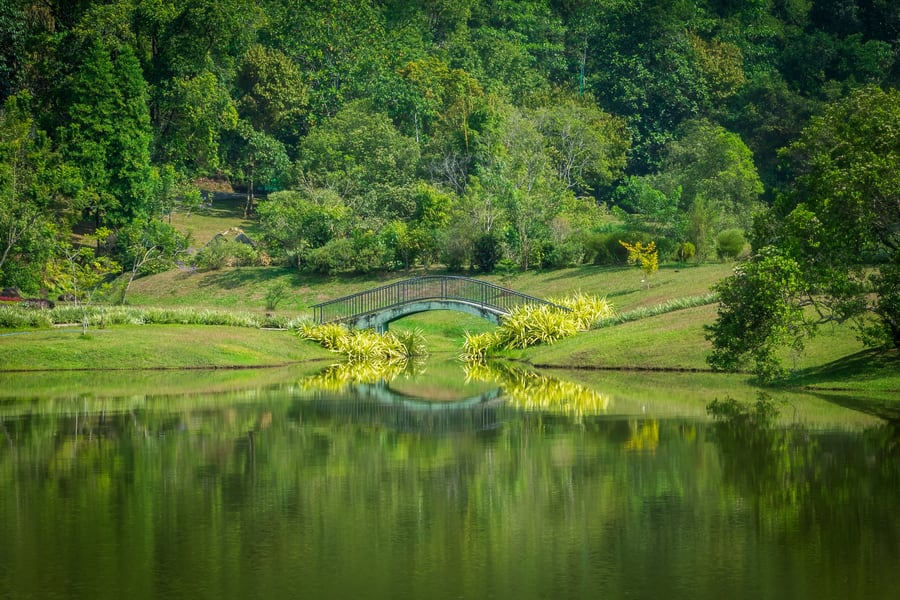 Sarala Gamage / Wikimedia Commons · CC BY-SA 4.0 · 2021 · cropped
Avissawella
The terminus, on the edge of the Western Province where it meets Sabaragamuwa. As Sitawaka it was the capital of a Sinhalese kingdom from 1521 until 1593, which fought the Portuguese for most of that time. The Seethawaka botanic garden is on the edge of the town.Where to Sleep
Every train on this line starts or ends at Colombo Fort, and the only train a visitor is likely to take out leaves at half past eight in the morning, so the natural base is the Fort district, a couple of minutes' walk from the station.
Where to stay
Grand Oriental Hotel
2 York Street, Colombo — beside Colombo Fort station
The hotel's own account of itself: built in 1837, a Dutch hospital before it became a hotel, on York Street in the Fort district, a couple of minutes' walk from the station where every Kelani Valley train starts and ends.
Check Availability (opens in a new tab, on grandoriental.lk)via grandoriental.lkQuestions or corrections
Planning this trip and stuck on something, or spotted a time, fare or detail that has changed? Send us a message about The Kelani Valley Line. We read every one, and we update this page when something has changed.