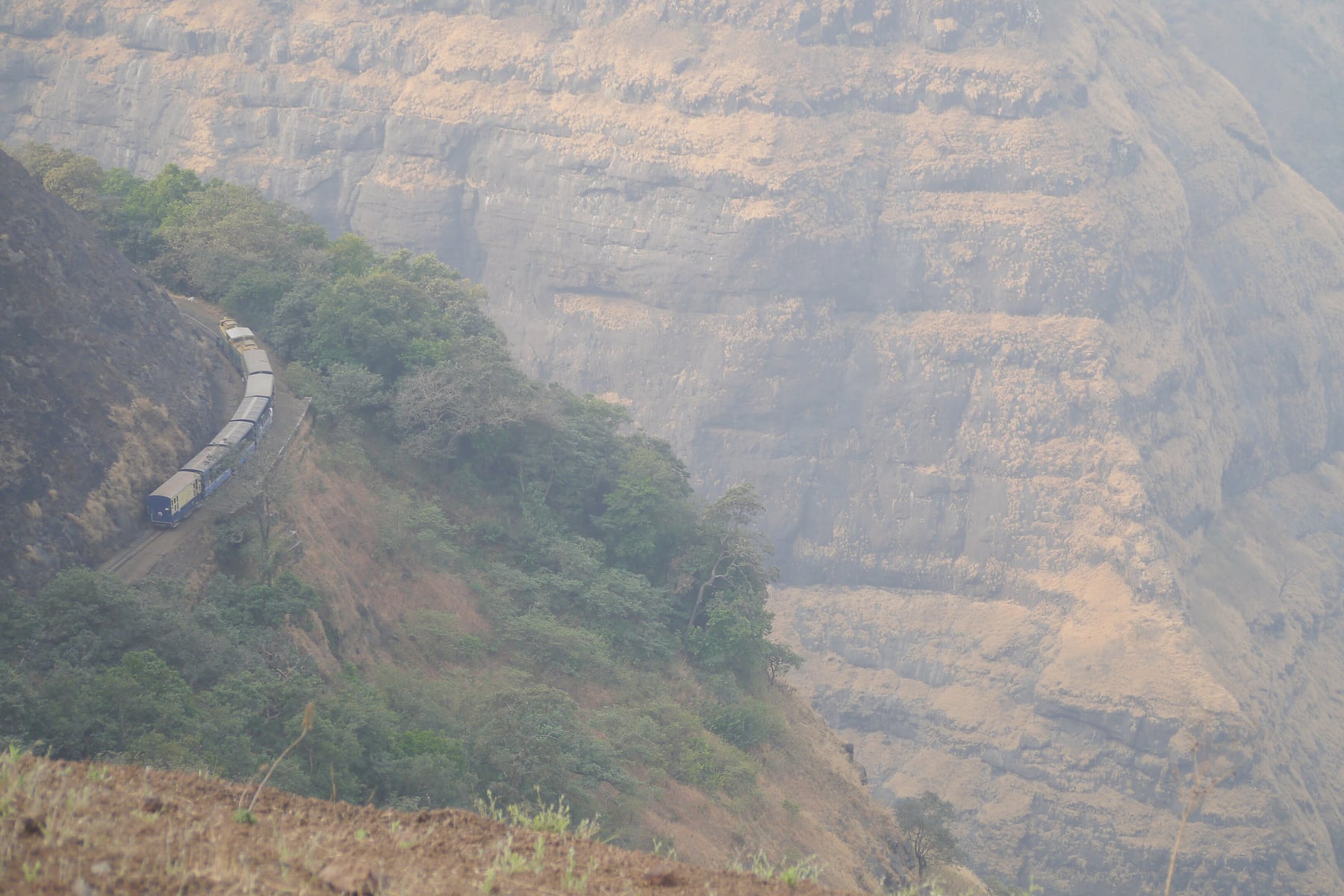
Matheran Hill Railway
Dinesh Valke / Wikimedia Commons · CC BY-SA 2.0 · cropped
- Distance21 km, Neral to Matheran
- DurationAbout 2 h 40 min uphill, 2 h 45 min down
- Best seasonNovember to early June; the line from Neral closes for the monsoon
Introduction
The Matheran Hill Railway climbs 21 kilometres on two-foot gauge from Neral, on the main line out of Mumbai, to Matheran, a hill station 800 metres up on a plateau of the Western Ghats. It takes two hours and forty minutes, at no more than 12 km/h, round curves so tight that only short diesels can work them.
It was a family's railway. Abdul Hussain Peerbhoy, son of the Bombay merchant Sir Adamjee Peerbhoy, was a regular visitor to Matheran, and in 1900, with his father's reluctant consent, he camped at Neral to plan a line up the hill. The company that built it was wholly owned by the Peerbhoys, and the trains reached Matheran in 1907.
The town at the top still bans motor cars. Beyond Aman Lodge, the last station below it, Matheran is walked, ridden on horseback or crossed by rickshaw, and the train runs on into the middle of it.
The Journey
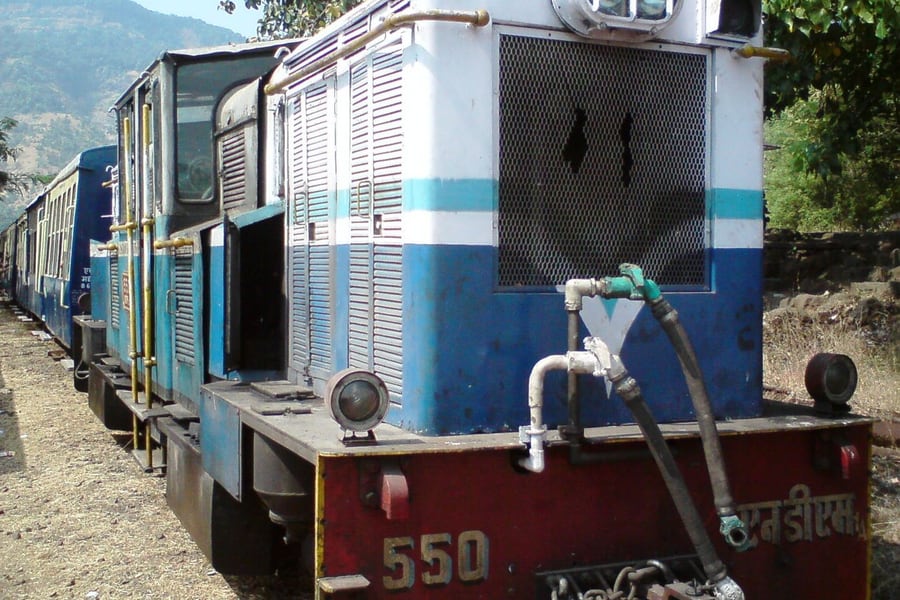
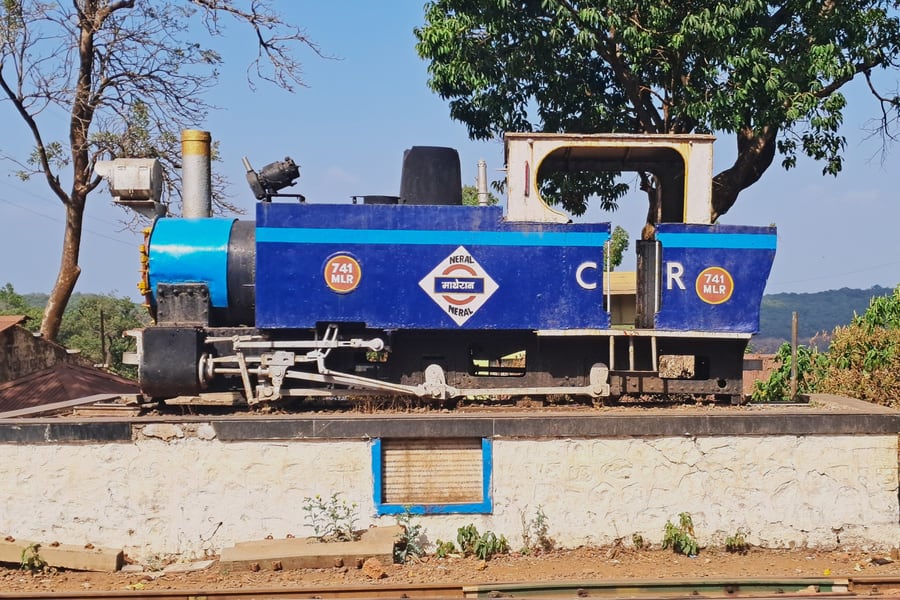
The narrow-gauge trains leave from their own platforms at Neral Junction, 39 metres above the sea, on the suburban line between Mumbai and Karjat. Six coaches make a train, behind one of the line's NDM-1 or NDM-1A diesels: short-wheelbase engines, the NDM-1s articulated in two halves, because nothing longer will take the curves. Steam worked the line until 1982, and two of its four Orenstein & Koppel tank engines stand on plinths, one at each end.
Into the hills
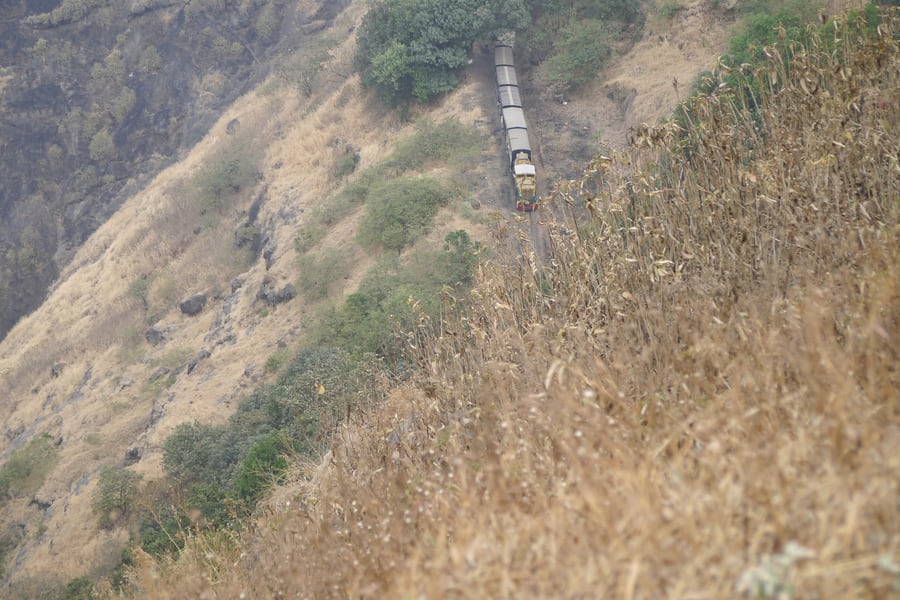
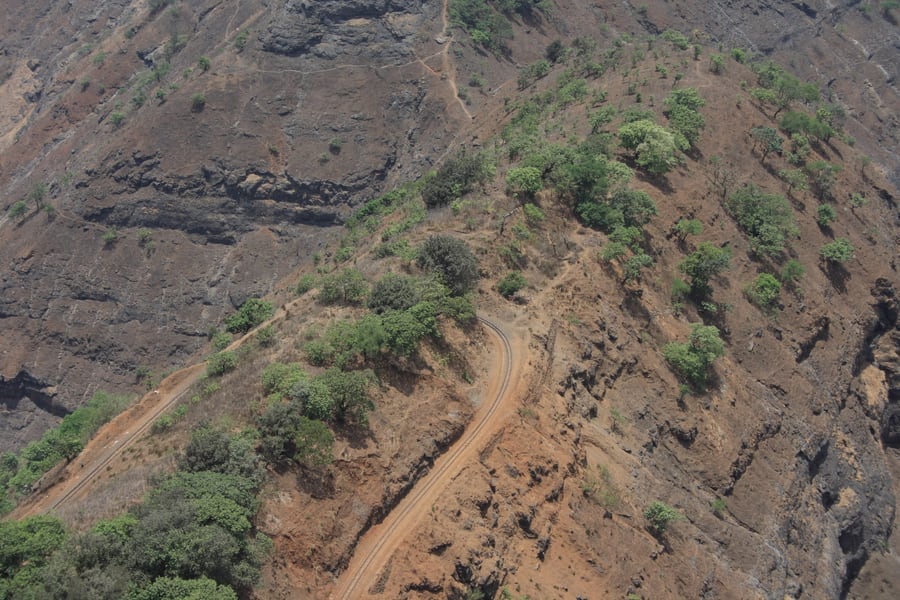
For the first stretch the little line runs beside the broad gauge, west of Hardal Hill, then turns east and starts to climb. Road and railway meet near Jumapatti, part, and meet again at Bhekra Khud. After a short level stretch the ascent sharpens below Mount Barry. Rather than build a reversing station here, the engineers swung the line about a mile north round a great horseshoe embankment and brought it back through the embankment in the One Kiss tunnel.
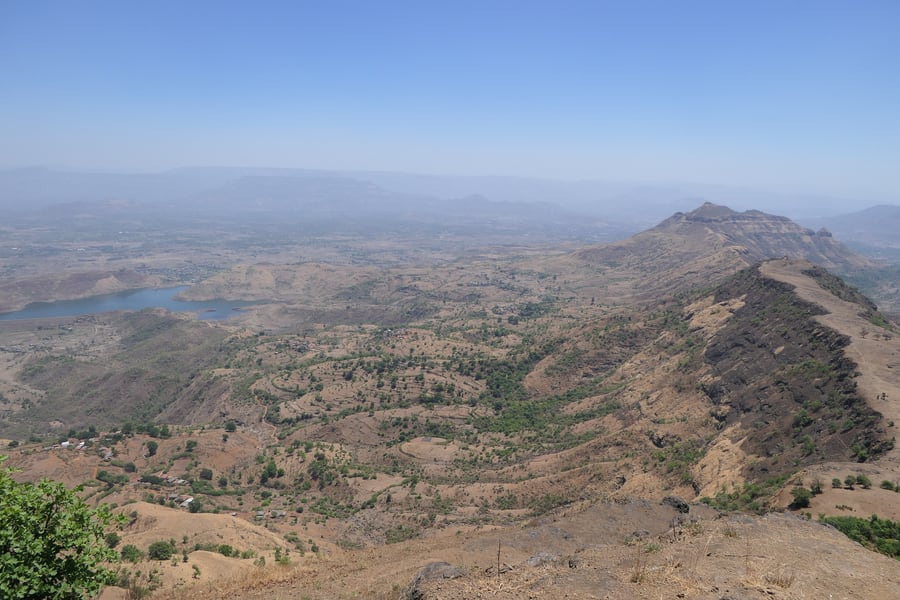
Water Pipe, 11 kilometres from Neral, is where the steam engines took on water. Above it the train works along ledges cut into the mountainside, at a ruling grade of one in 20, with the plains opening out below and the cliffs of the Western Ghats across the valley. Two more deep cuttings lead on past Panorama Point, and the line bends back to Simpson's Tank.
The last stretch
The last station before the town is Aman Lodge, where the road from Neral ends: no car may go further, and passengers who came up by road walk on, ride a horse or take the shuttle train. The final three kilometres run through the forest on red laterite into Matheran station, where the plinthed steam engine No. 741 stands by the platform.
Along the route
 KokilaMistry / Wikimedia Commons · CC BY-SA 3.0 · cropped
Water Pipe
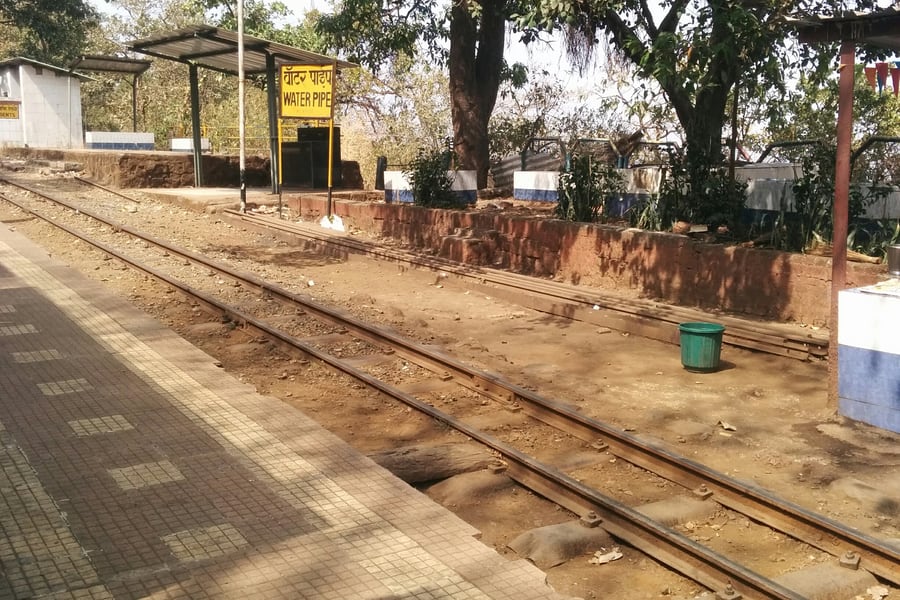
Eleven kilometres up, Water Pipe station takes its name from its old job: this is where the steam locomotives stopped to fill their tanks. The diesels need no water, but every train still pauses here for a minute.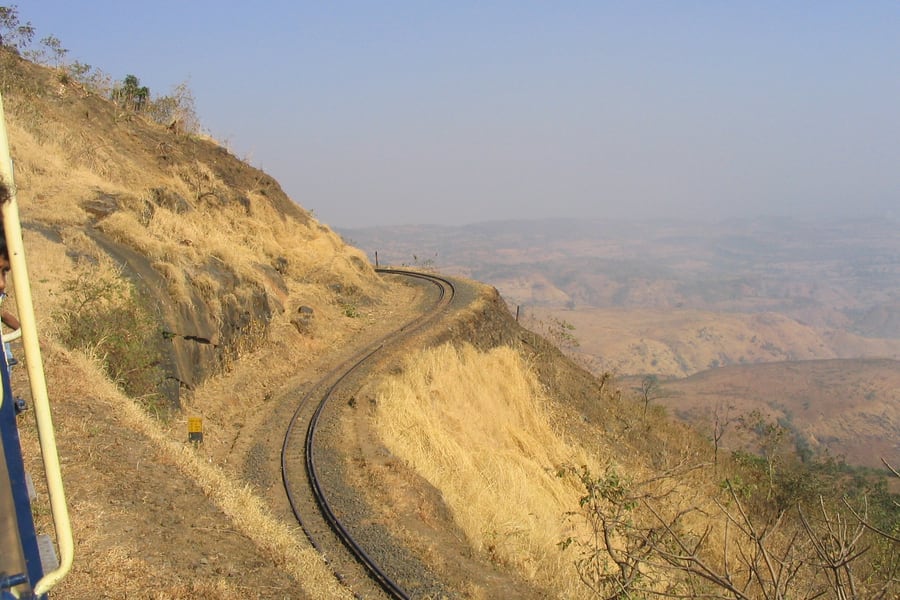 G Karunakar / Wikimedia Commons · CC BY-SA 3.0 · cropped
The horseshoe
Near Mount Barry the engineers avoided a reversing station by swinging the line about a mile north round a great horseshoe embankment, then back through it in the One Kiss tunnel. The ruling grade is one in 20, and the speed limit 12 km/h.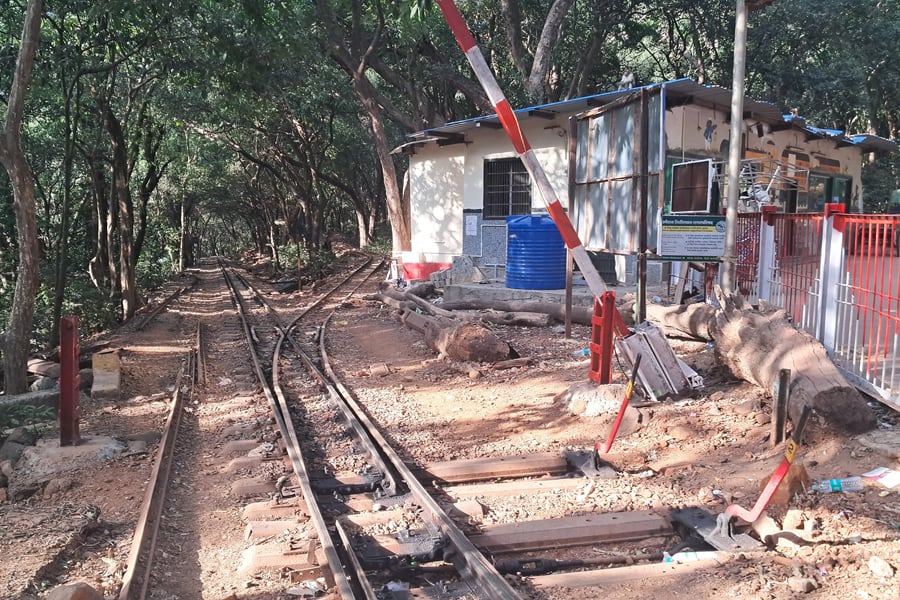 Historical Trains / Wikimedia Commons · CC0 · cropped
Aman Lodge
The last station before the town is where the road gives out: cars must stop below Matheran, so from here the choice is the shuttle train, a horse or your feet. The shuttle runs all year, even when the line from Neral is closed for the rains.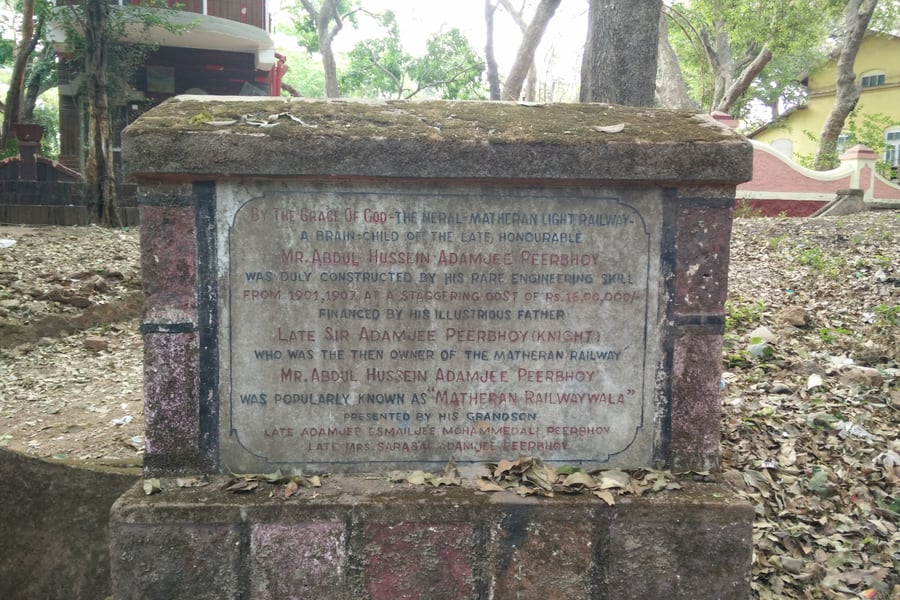 KartikMistry / Wikimedia Commons · CC BY-SA 3.0 · cropped
The Railwaywala's stone
On the path to Monkey Point, by the family's bungalow, a stone records that Abdul Hussein Adamjee Peerbhoy built the line between 1901 and 1907 for Rs 16 lakh, paid for by his father. Matheran knew him as the Railwaywala.A bit of history
Culture & experiences along the way
 Vis M / Wikimedia Commons · CC BY-SA 4.0 · cropped
Chikki
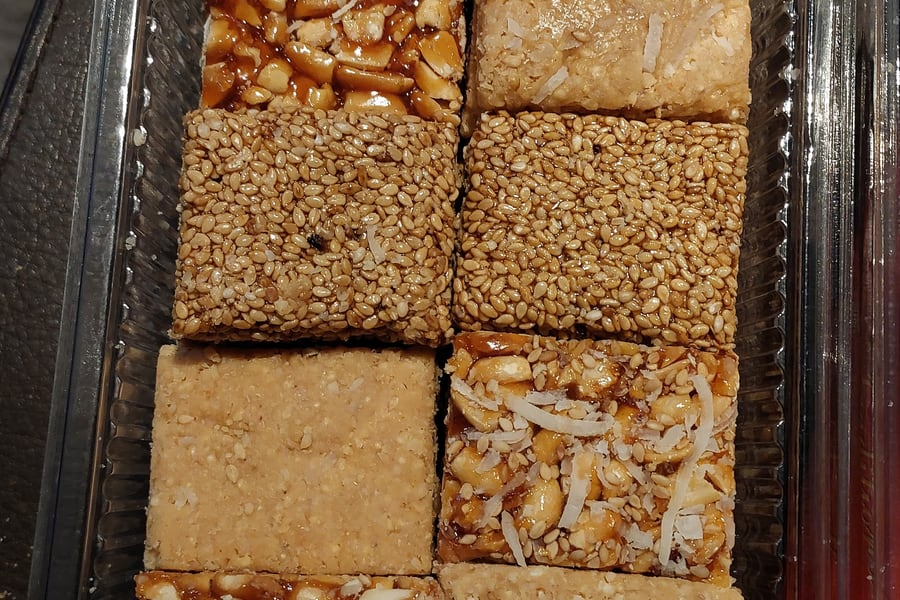
Matheran is one of the Maharashtra hill towns known for chikki, a brittle of nuts set in jaggery or sugar, rolled thin in wooden moulds and cut into slabs. Groundnut is the classic; the shops in the town's market sell it with sesame, cashew, coconut and a dozen other mixes.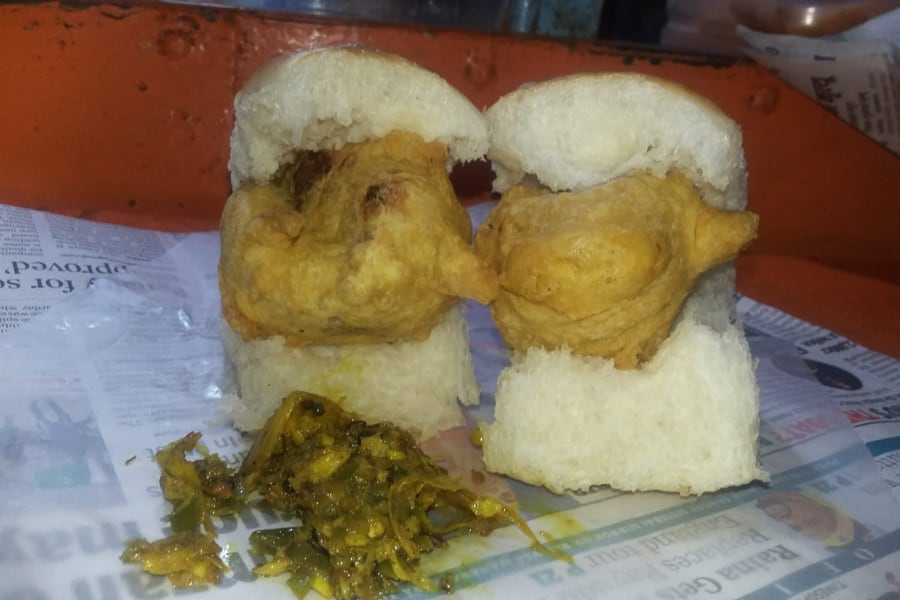 Contentshare / Wikimedia Commons · CC BY-SA 4.0 · cropped
Vada pav
Mumbai's own street food is everywhere in Matheran: a deep-fried potato dumpling pressed into a soft pav roll with chutney and a green chilli. It is one of the Maharashtrian snacks sold all over the hill station.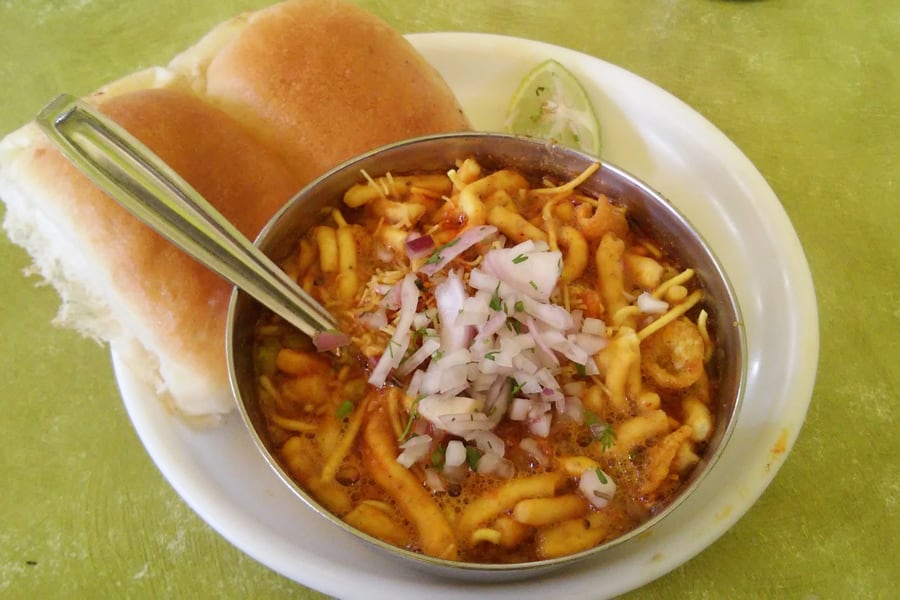 Nitinberlekar / Wikimedia Commons · CC BY-SA 4.0 · cropped
Misal pav
A Maharashtrian breakfast that serves as lunch too: a spicy curry of moth beans, topped with crunchy farsan, raw onion, coriander and a squeeze of lemon, eaten with buttered pav. It is the other dish to look for in Matheran.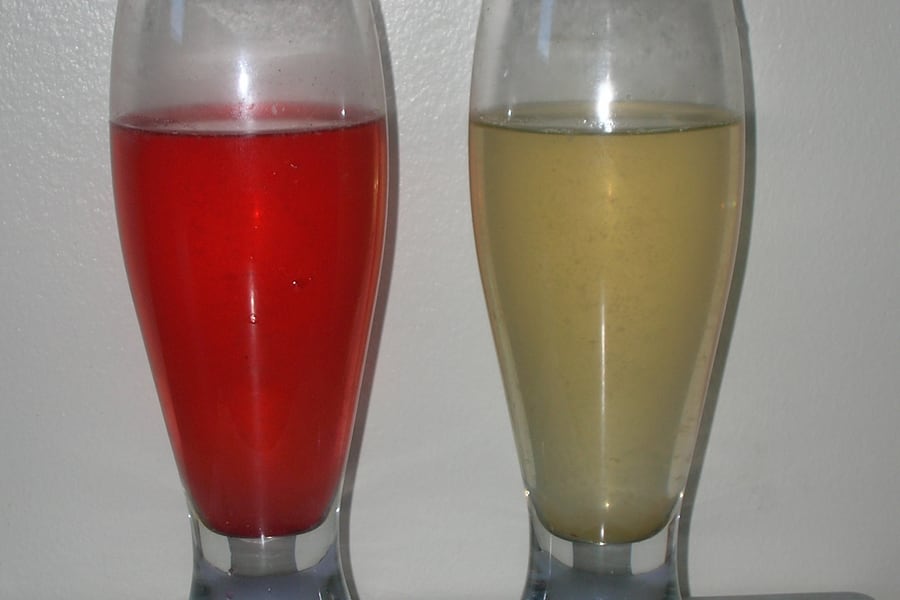 Subray Hegde / Wikimedia Commons · CC BY 1.0 · cropped
Kokum sherbet
Kokum is a sour fruit of the mangosteen family that grows only in India's Western Ghats. Its rinds are steeped or preserved in sugar to make a deep red syrup, diluted into a cold, sharp sherbet, sold in Matheran as the local drink.Timetables
Two trains a day run each way between Neral and Matheran, every day of the week, outside the monsoon. A shuttle between Aman Lodge and Matheran runs all year.
Neral to Matheran
| Train | Neral | Jumapatti | Water Pipe | Aman Lodge | Matheran |
|---|---|---|---|---|---|
| 52103 | 08:50 | 09:35 | 10:21 | 11:11 | 11:30 |
| 52105 | 10:25 | 11:10 | 11:56 | 12:46 | 13:05 |
Matheran to Neral
| Train | Matheran | Aman Lodge | Water Pipe | Jumapatti | Neral |
|---|---|---|---|---|---|
| 52104 | 14:45 | 15:04 | 15:50 | 16:40 | 17:30 |
| 52106 | 16:00 | 16:18 | 17:04 | 17:50 | 18:40 |
The Aman Lodge shuttle
Six shuttles a day each way take 18 minutes between Aman Lodge and Matheran. From Aman Lodge they leave at 08:45, 09:35, 12:00, 14:25, 15:40 and 17:45; from Matheran at 08:20, 09:10, 11:35, 14:00, 15:15 and 17:20. On Saturdays and Sundays two extra pairs run, at 10:30 and 13:35 from Aman Lodge and 10:05 and 13:10 from Matheran.
The monsoon
Central Railway closes the line between Neral and Aman Lodge every monsoon for fear of landslides; the shuttle keeps running. In 2026 the closure ran from 15 June to 15 October. The date the through trains return is announced nearer the time: in 2025 they came back on 6 November, and no restart date for 2026 had been published by mid-October.
Times are from the station tables of ConfirmTkt, an IRCTC partner, checked against the timetable Central Railway gave for the restart in November 2025 and its monsoon notice of June 2026 — as of October 2026. Check the day's train on ConfirmTkt (opens in a new tab) or at Neral station before travelling.
Tickets
Tickets are sold only at the station counters, at Neral for the through trains and at Aman Lodge for the shuttle; there is no online booking. Each train carries second-class coaches and one better coach: first class on 52105 and 52106, a Vistadome coach on 52103 and 52104.
Fares are small. In November 2025 the trip from Neral was reported at about ₹75 in second class and ₹300 in first. Second-class seats often sell out, so arrive at the Neral counter well before the train; first class is usually the easier ticket to get.
Book your tickets
Dinesh Valke / Wikimedia Commons · CC BY-SA 2.0 · croppedSecond class
Neral ⇄ Matheran · about 2 h 40 min
About ₹75, bought at the Neral or Aman Lodge counter on the day.
Book Tickets (opens in a new tab, on confirmtkt.com)via confirmtkt.comPranav011 / Wikimedia Commons · CC BY-SA 3.0 · croppedFirst class or Vistadome
Neral ⇄ Matheran · one coach per train
First class costs about ₹300; trains 52103 and 52104 carry a Vistadome coach in its place.
Book Tickets (opens in a new tab, on confirmtkt.com)via confirmtkt.comRail Passes
No rail pass covers the Matheran Hill Railway. Interrail and Eurail are European schemes, and India is not among the countries in Interrail's list of covered railway companies. Indian Railways' own pass for foreign visitors, the Indrail Pass, was withdrawn by Railway Board order on 19 September 2017.
A pass would be no use here anyway. Tickets are sold only at the station counter and cost a few hundred rupees at most, so buy each one on the day.
Checked October 2026 against Interrail's list of railway companies (opens in a new tab) and the Indrail Pass (opens in a new tab).
Places to Visit
Matheran is a town of lookouts, each a walk or a horse ride along red laterite paths from the station. Allow a full day for a handful, and wear shoes for the dust.
 Arne Hückelheim / Wikimedia Commons · CC BY-SA 3.0 · cropped
Panorama Point
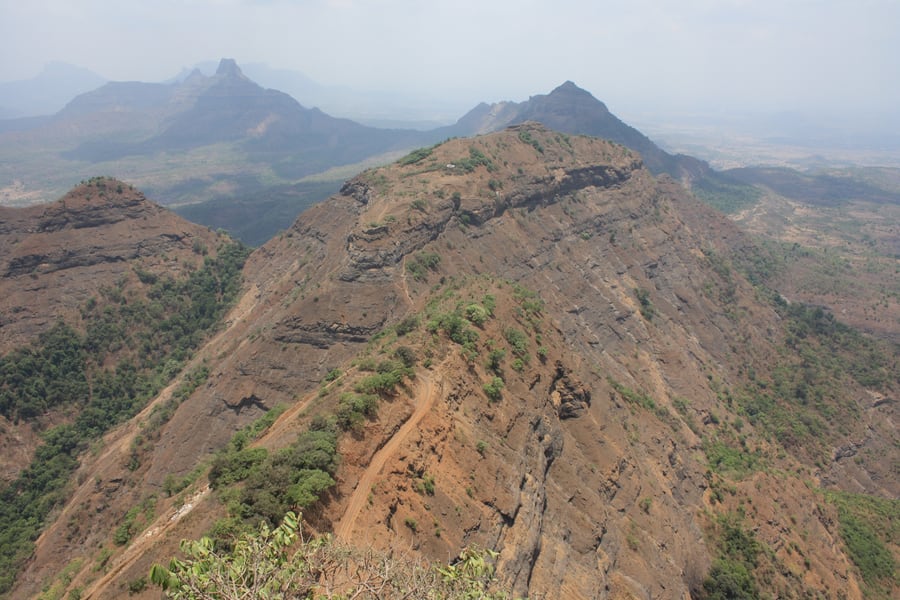
Also called Sunrise Point, Panorama Point is one of the farthest of Matheran's lookouts from the station: a long walk out along the plateau to a 360-degree view of the hills, with the Ulhas river on the plains. Look down and the railway can be seen wriggling round the ridge below.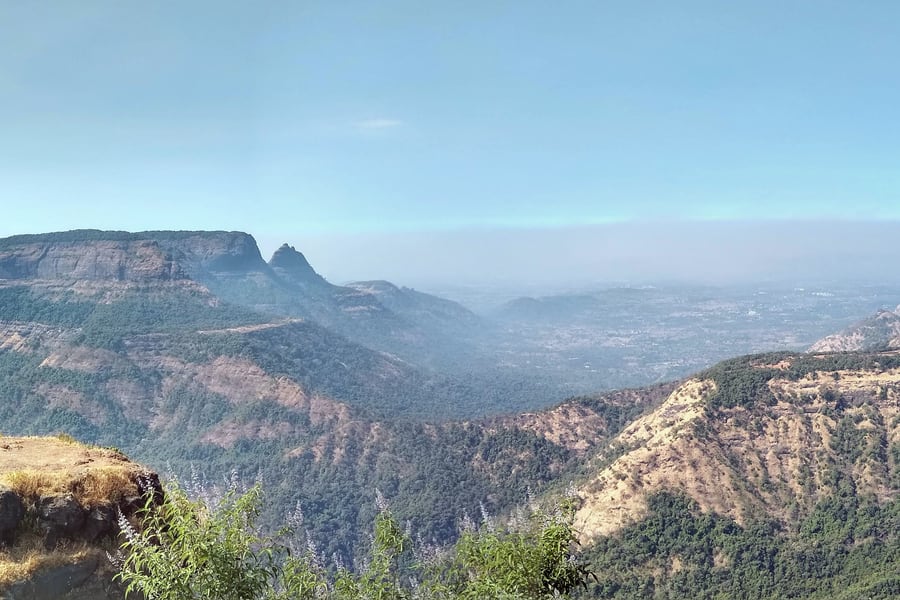 LittleDwangs / Wikimedia Commons · CC BY-SA 4.0 · cropped
Louisa Point
One of Matheran's best-known points looks across the valley to the fort of Prabalgad and the pinnacle of Kalavantin beside it. Come at sunrise or sunset, or in the monsoon, when the overflow from Charlotte Lake falls off the plateau in full view.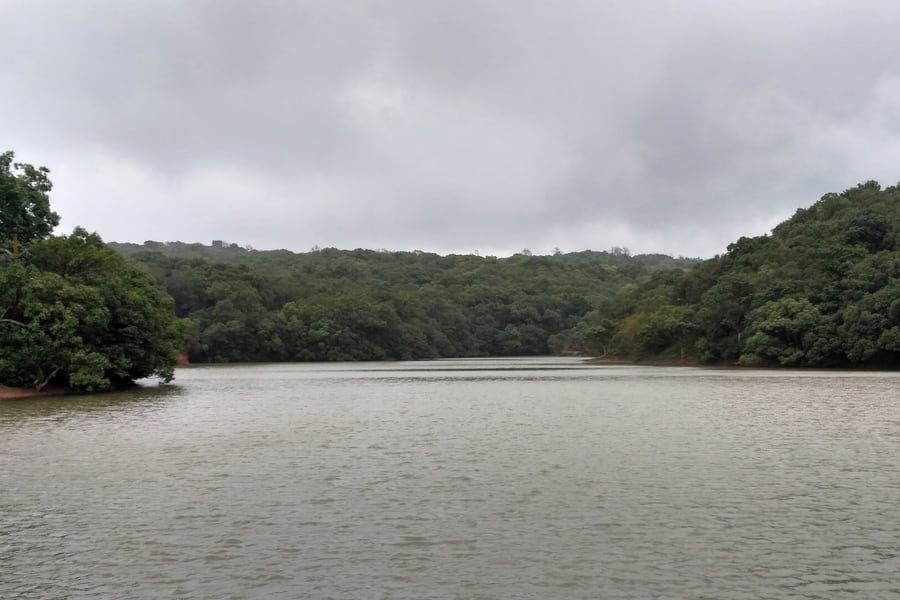 Naveenjain431, crop by Saga City / Wikimedia Commons · CC BY-SA 4.0 · cropped
Charlotte Lake
Matheran's main water supply is a quiet lake in the evergreen forest, fullest in the monsoon, when it spills over its dam in a waterfall. The rest of the year it is a place for birdsong, butterflies and a picnic, with the Pisarnath temple to Shiva close by.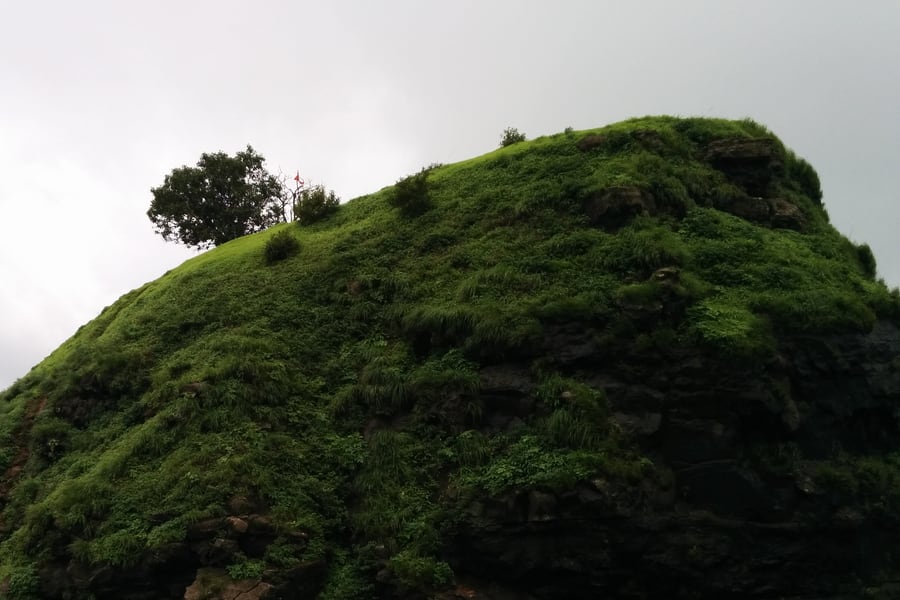 KartikMistry / Wikimedia Commons · CC BY-SA 3.0 · cropped
One Tree Hill
A detached knoll off the edge of the plateau, named for the lone tree on its summit. The path out to it crosses rocky, steep ground and is not one for the nervous; from the top the cliffs of the plateau stand all round.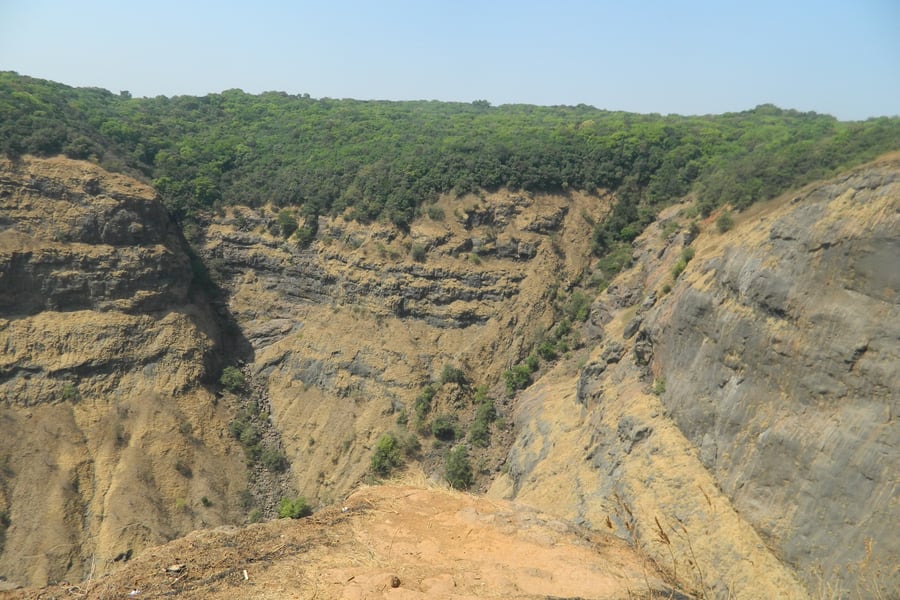 Sobarwiki / Wikimedia Commons · Public domain · cropped
Echo Point
A lookout over a deep cleft in the plateau's edge, where a shout comes straight back off the surrounding hills. It is the point children ask for, reached like every other on Matheran's red laterite paths, on foot or on horseback.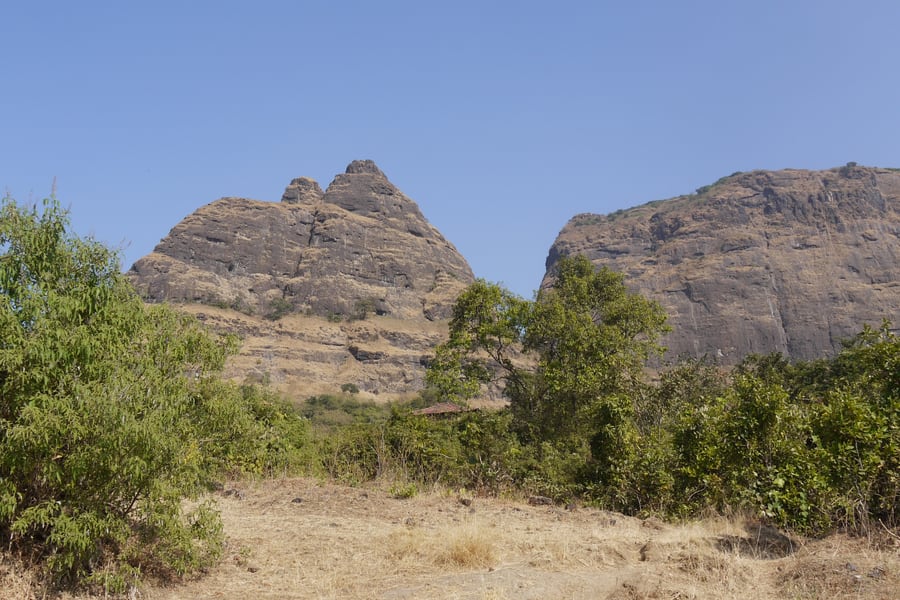 Dinesh Valke / Wikimedia Commons · CC BY-SA 2.0 · cropped
Prabalgad and Kalavantin
The flat-topped hill across the valley is Prabalgad, a fort first known as Muranjan, which Shivaji's Marathas took from the Mughals in 1657 and renamed. Beside it rises Kalavantin, a pinnacle with rock-cut steps to the top. Both are reached on foot from Thakurwadi, on the Panvel side.Where to Sleep
The last train down leaves Matheran at four in the afternoon, so a night on the hill gives time for the points and the morning light. Hotels are reached from the station on foot, by horse or by rickshaw.
Where to stay
 solarisgirl / Flickr · CC BY-SA 2.0 · cropped
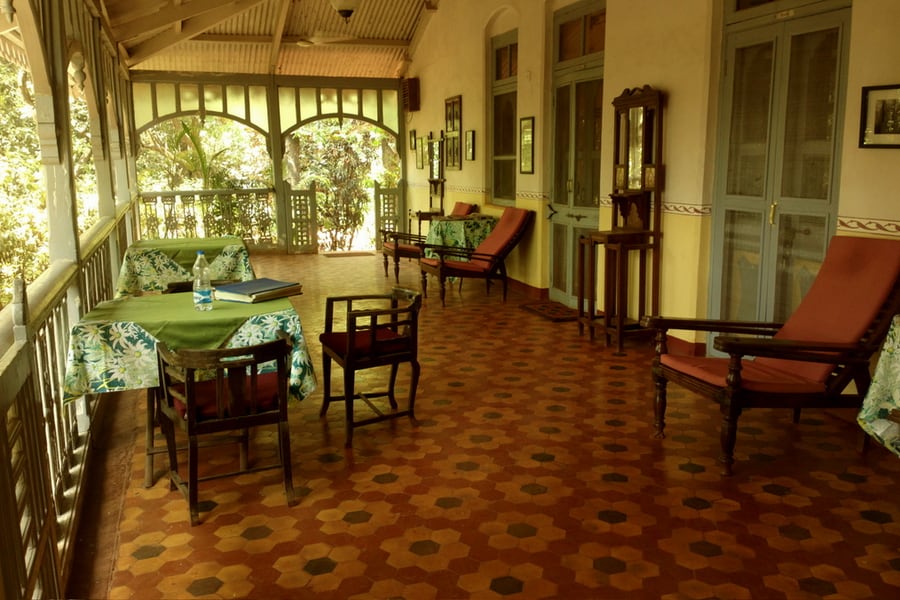
Dune Barr House
A 19th-century mansion in the forest
Built by a Captain Barr, the house has eleven rooms named after British, Parsi and Bohra families of Bombay, and no air conditioning or TV.
Check Availability (opens in a new tab, on dunewellnessgroup.com)via dunewellnessgroup.comQuestions or corrections
Planning this trip and stuck on something, or spotted a time, fare or detail that has changed? Send us a message about Matheran Hill Railway. We read every one, and we update this page when something has changed.