Paris–Briançon Night Train
Damd071 / Wikimedia Commons · CC BY-SA 4.0 · cropped
- DistanceParis-Austerlitz to Briançon; the last 108 km on a single, unelectrified mountain line
- DurationAbout 11½ hours southbound, 12 hours northbound
- Best seasonAll year; the ski season in winter, daylight over the lake on summer mornings
Introduction
Four of this railway's tunnels lie at the bottom of a lake.
The line from Veynes to Briançon was finished in 1884 along the floor of the Durance valley. In the 1950s the valley below Embrun was dammed at Serre-Ponçon, and before the water rose the railway was moved up the hillside onto a new route of fourteen and a half kilometres, with five new tunnels, opened in 1960. The old track, four of its thirteen tunnels and the village of Ubaye went under the reservoir. When the water is low, the arches of a viaduct built for a branch that was never finished still come up out of it.
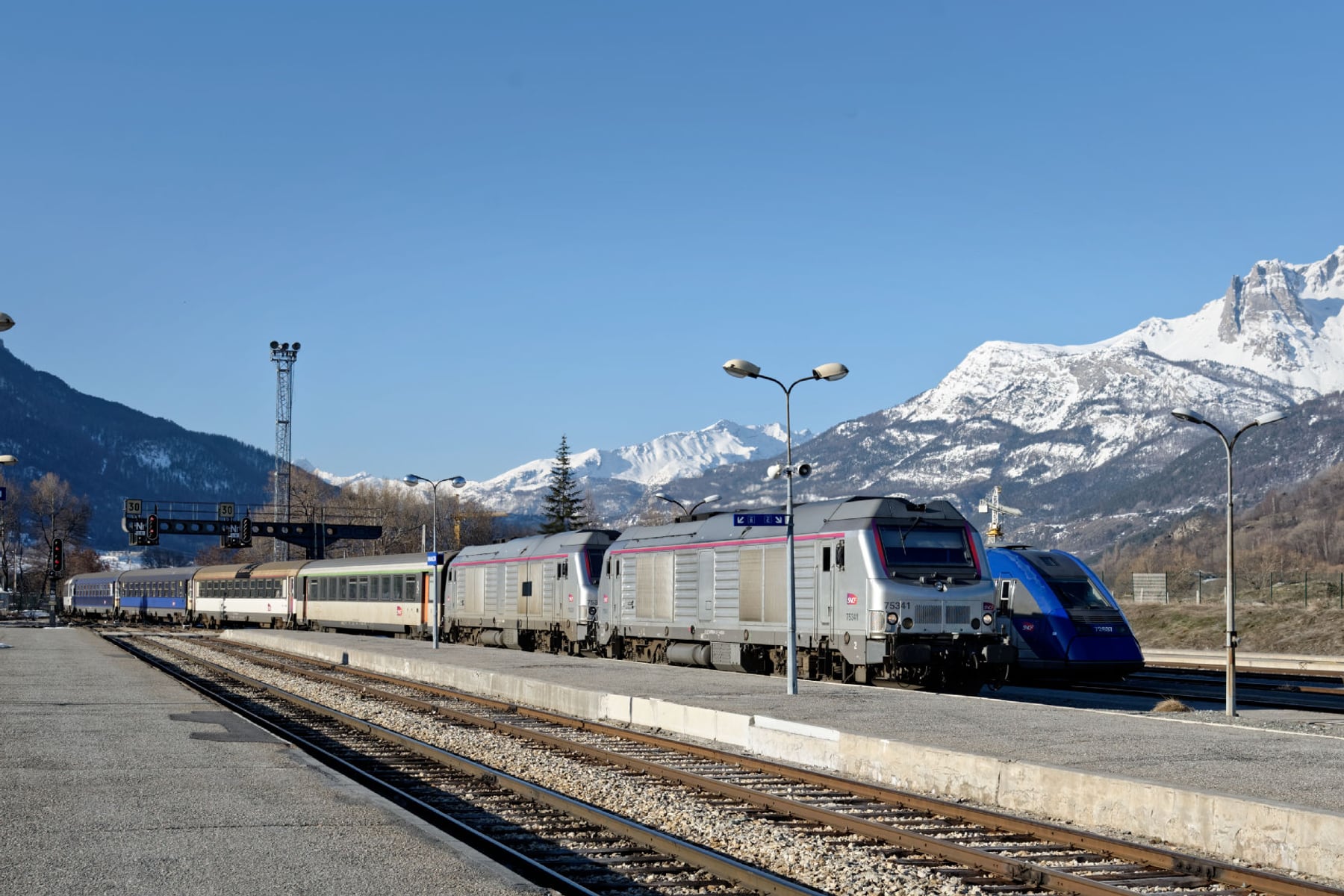
The night train from Paris runs above all of this. It leaves Austerlitz at about nine in the evening as an ordinary Intercités de nuit, with couchettes and reclining seats; at Valence two diesel locomotives take over for the last stretch, a single unelectrified track that climbs past Gap, along the shore of the lake, by Embrun and the fortress of Mont-Dauphin, and up the gorges of the Durance. It reaches Briançon, the highest city in France, at about half past eight the next morning. In 2016, when most of France's night trains were being withdrawn, the State chose to keep this one.
The Journey
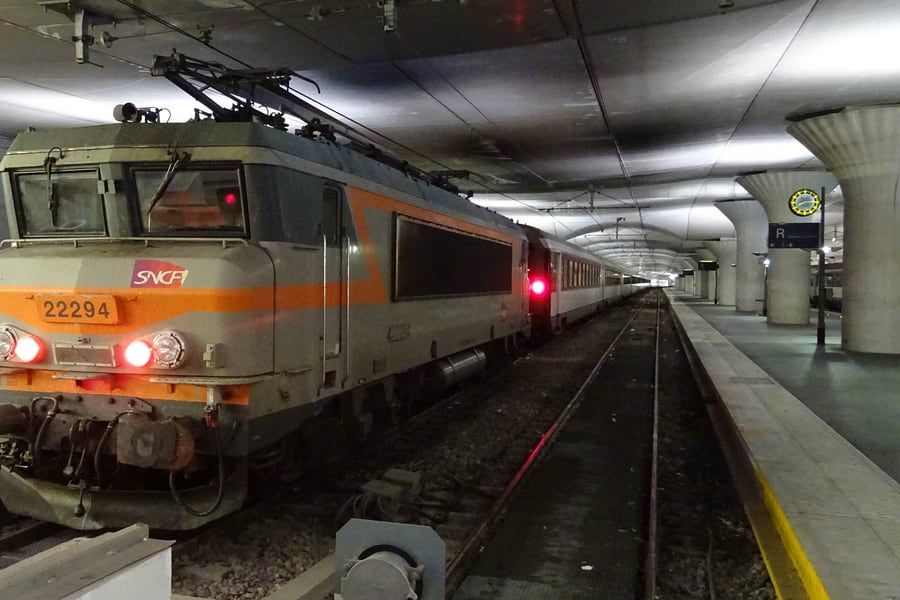
The train leaves from Paris-Austerlitz, the station of France's night trains. Southbound it takes on passengers only in Paris: few or no stops break the night between midnight and half past five, and the first call is Veynes-Dévoluy, just after six in the morning.
Into the mountains
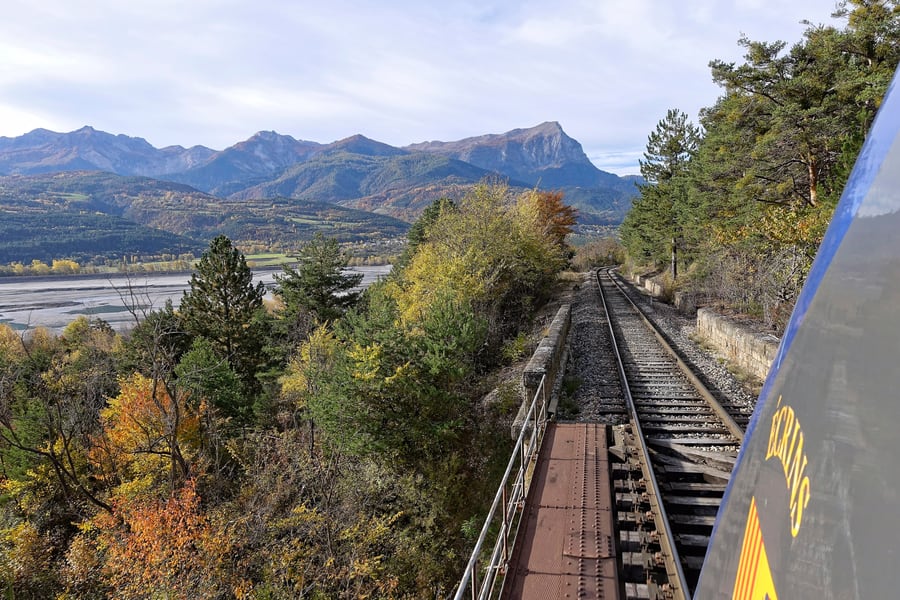
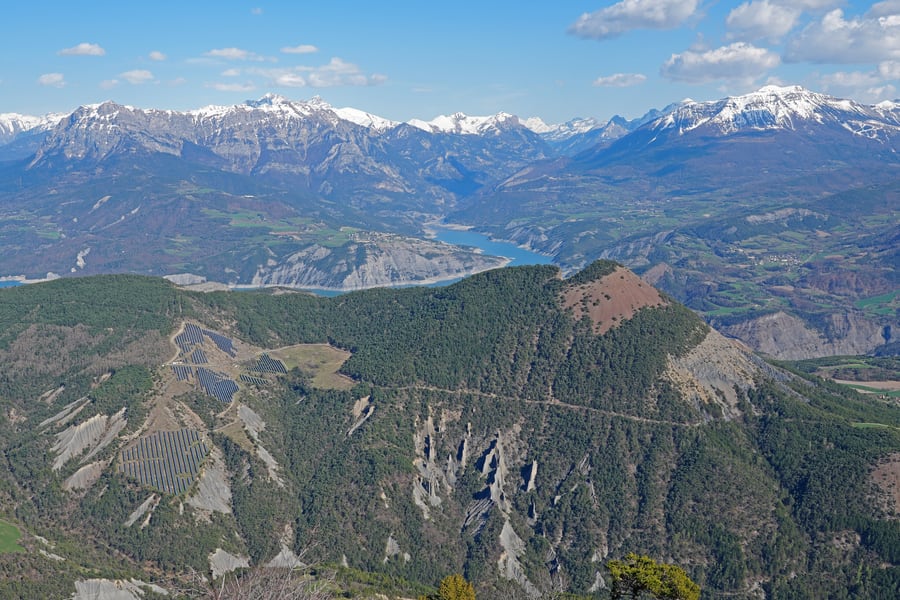
The mountain line proper begins at Veynes. Past the junction the train drops into Gap, the main town of the Hautes-Alpes, and runs on to Chorges. Here it leaves its original route, which now lies under the Lake of Serre-Ponçon, and follows the diversion of 1960 along the hillside above the water, through three tunnels, before rejoining the old line and reaching Embrun on its rock above the Durance. On a summer morning this is the first long view of the day.
Up the Durance
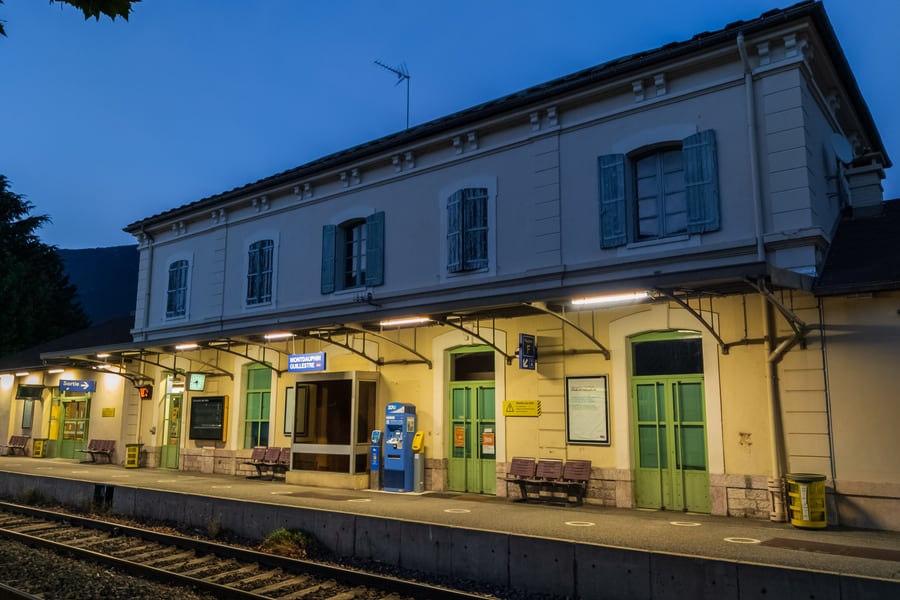
Above Embrun the valley narrows between dark shale and opens again at Montdauphin-Guillestre, under Vauban's fortress on its plateau. The line turns north towards the Pelvoux massif, calls at L'Argentière-les-Écrins, the stop for the Vallouise valley, and climbs on gradients of 25 per thousand through the gorges of the Durance, a run of tunnels and viaducts, to Briançon at 1,203 metres. The track ends there.
The trains
The coaches are SNCF's Corail stock, refurbished for the night services: second-class seats, six-berth second-class couchettes and four-berth first-class couchettes. As far as Valence the train runs on electrified main lines; the mountain line has no wires, so at Valence a pair of BB 75000 diesels takes it the rest of the way, as a pair of BB 67400s did in the 1980s.
Northbound, the train leaves Briançon just before eight in the evening and picks up along the line, then down the Drôme at Die and Crest, reaching Paris before eight the next morning.
Along the route
 Mhp1255 / Wikimedia Commons · public domain · cropped
Up the Drôme
From Livron, south of Valence, the line climbs the Drôme by Crest and Die, then burrows under the Col de Cabre in a 3,764-metre tunnel, its summit at 884 metres, into the Hautes-Alpes. The northbound train calls at Die and Crest late in the evening.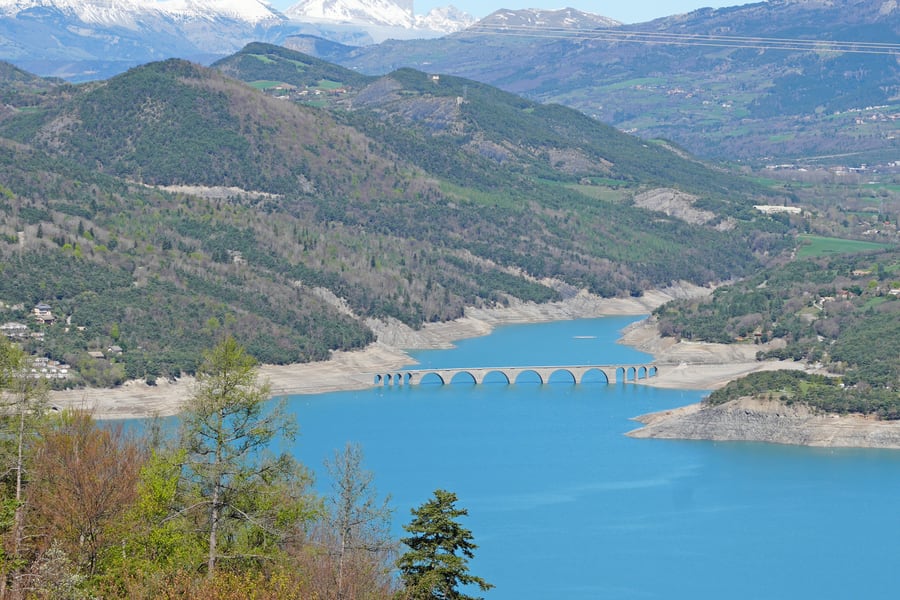 Pline / Wikimedia Commons · CC BY-SA 4.0 · cropped
Above the drowned line
Between Chorges and Embrun the train runs on a 14.5-kilometre diversion opened in 1960, high above the reservoir that swallowed the original track. When the water is low, the arches of the Chanteloube viaduct, built for a line that was never finished, come up again.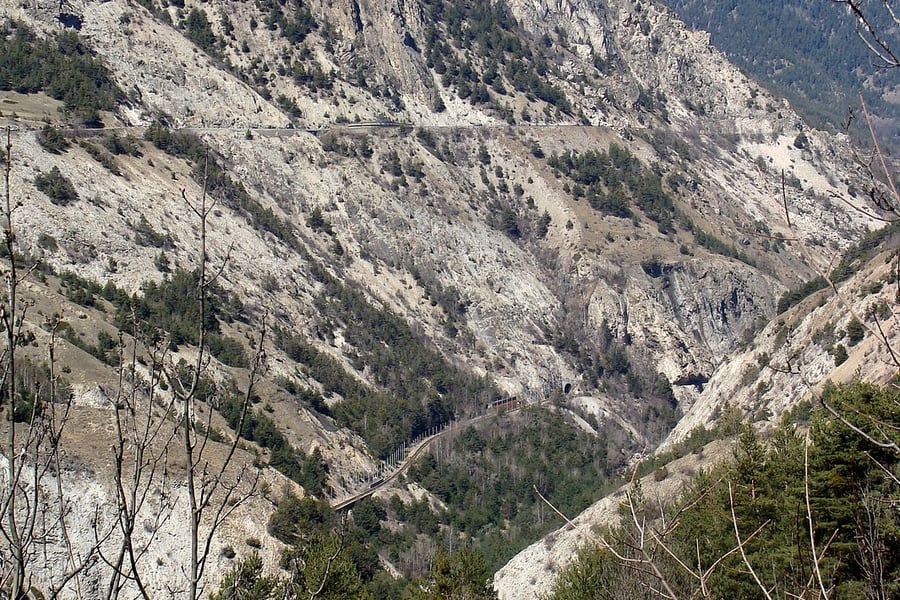 Fr.Latreille / Wikimedia Commons · CC BY-SA 4.0 · cropped
The Durance gorges
Above L'Argentière-les-Écrins the line climbs at 25 per thousand through the gorges of the Durance. At the Défilé de Queyrières the road clings to the cliff while the railway runs far below, between two tunnels.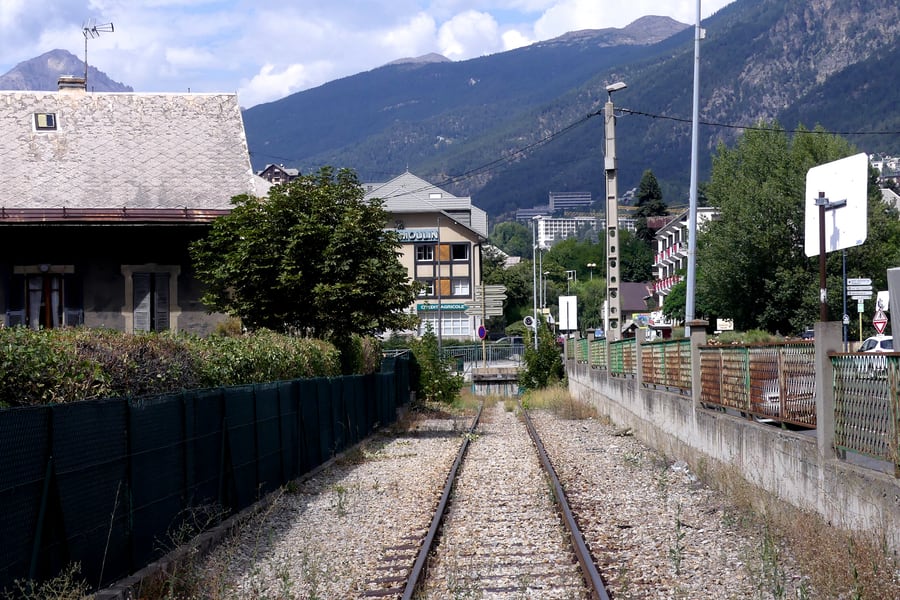 Florian Pépellin / Wikimedia Commons · CC BY-SA 4.0 · cropped
The end of the line
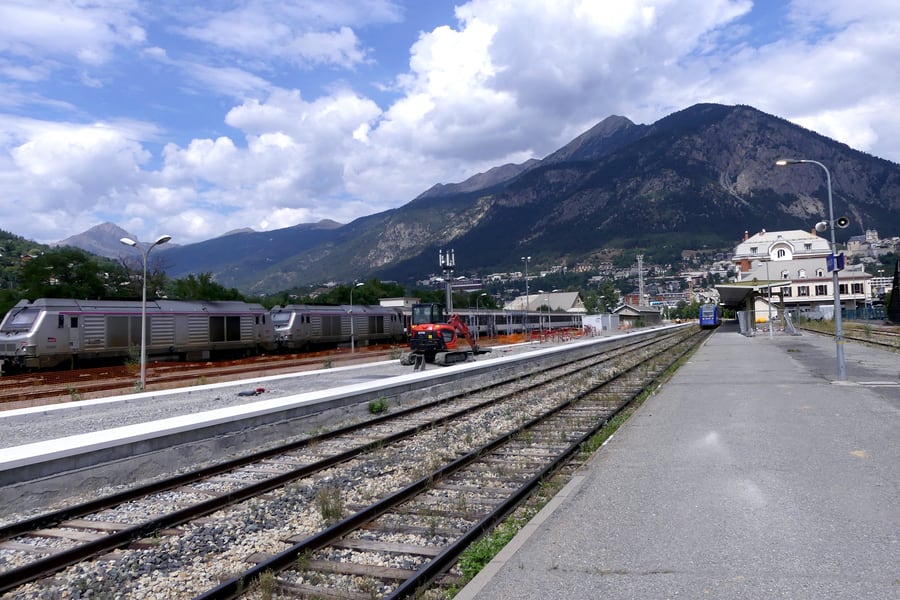
Briançon station stands at 1,203 metres and the track stops just beyond it. The railway was planned to go on under the Montgenèvre to Italy; it never did, so every train, the night train included, turns back here.A bit of history
Culture & experiences along the way
 Kyah117 / Wikimedia Commons · CC BY 4.0 · cropped
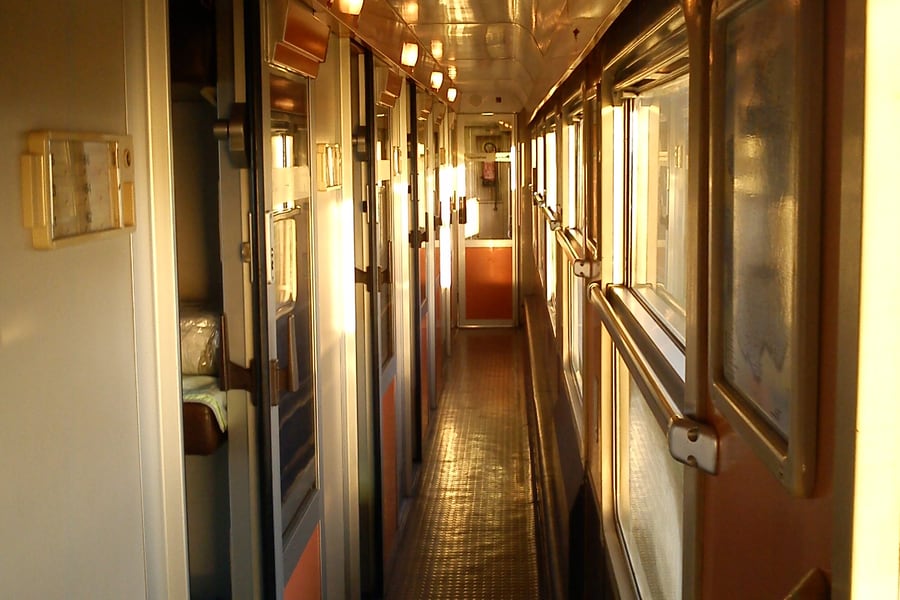
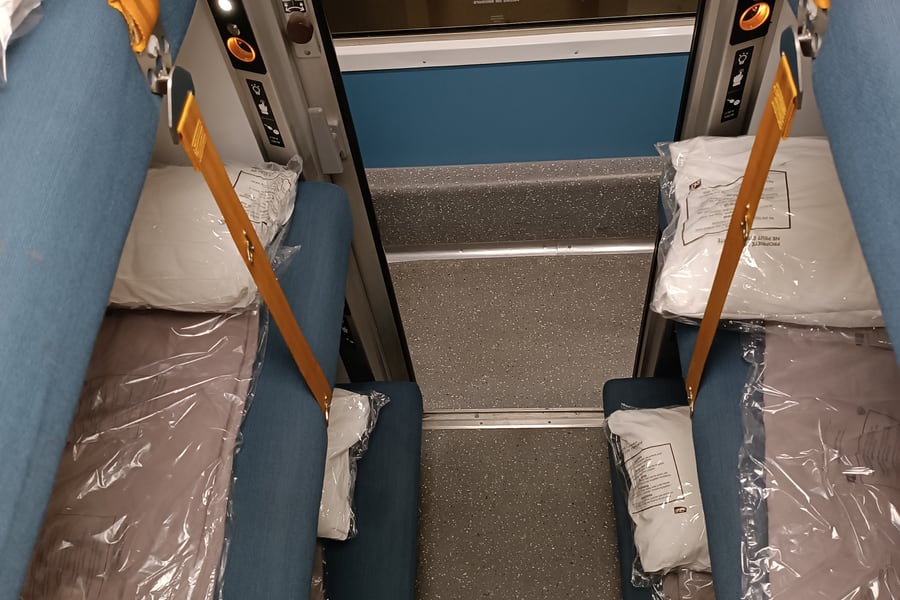
A night in a couchette
Second class sleeps six to a compartment, first class four, each berth made up with a pillow, a duvet, water and a kit with eye mask and earplugs. Meals can be ordered ahead, the crew will wake you on request, and there are compartments for women travelling alone.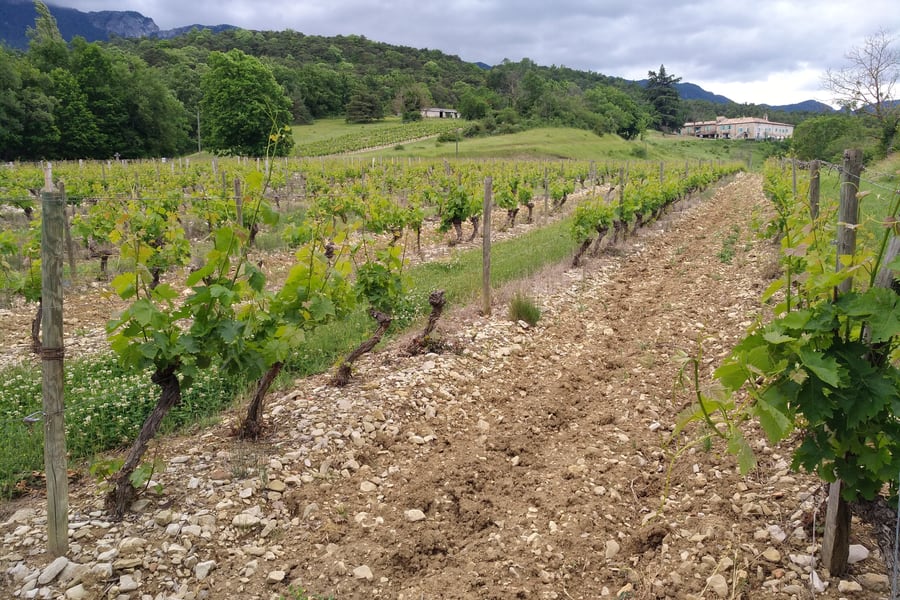 Sebleouf / Wikimedia Commons · CC BY-SA 4.0 · cropped
Clairette de Die
The vineyards around Die, the northbound train's last stop in the mountains, make a sparkling wine protected since 1942. Most of it is the méthode ancestrale: Muscat that finishes fermenting in the bottle with nothing added, stopped while still sweet, and best drunk young.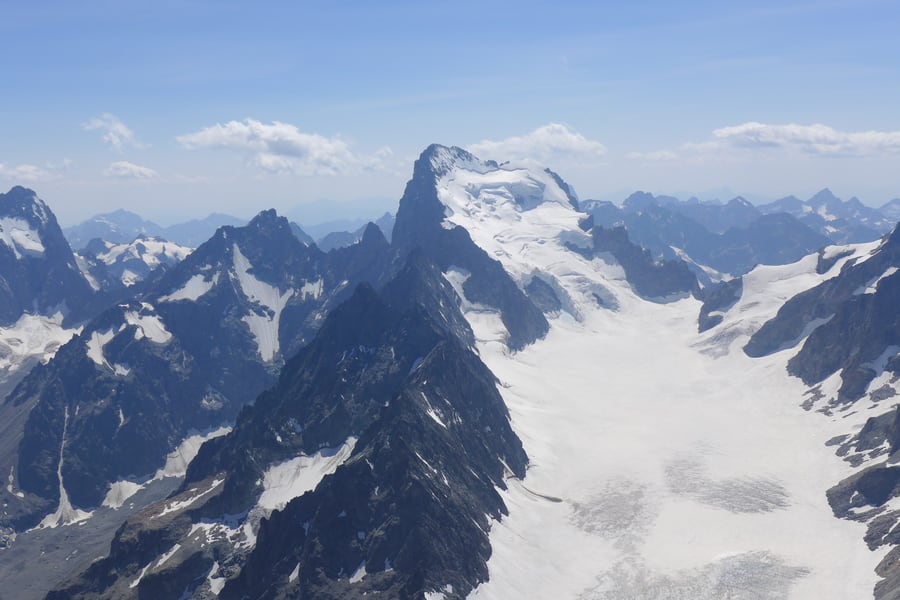 Jmcc150 / Wikimedia Commons · CC BY-SA 4.0 · cropped
The walk to the Glacier Blanc
From the end of the road at the Pré de Madame Carle, at 1,870 metres, a path climbs about 700 metres to the front of the Glacier Blanc, the largest in the Écrins: five kilometres of ice coming down from the Barre des Écrins, white because almost no rock lies on it.Timetables
Until 12 December 2026, most nights run as a coach, not a train. Track work near Livron-sur-Drôme and the renewal of points around Valence close the route at night this autumn, and on those nights SNCF runs replacement coaches from Paris-Austerlitz to Briançon, at about the train's times. From Sunday 13 December 2026 the train runs every night in both directions, except the nights of 24 and 31 December. One train each way, reservation compulsory.
Paris to Briançon — train 5789
| Paris-Austerlitz | Veynes-Dévoluy | Gap | Embrun | Montdauphin-Guillestre | L'Argentière-les-Écrins | Briançon |
|---|---|---|---|---|---|---|
| 20:57 | 06:19 | 06:46 | 07:32 | 07:49 | 08:03 | 08:24 |
Southbound the train picks up only in Paris and sets down only in the mountains. This winter it does not call at Crest, Die or Chorges.
Briançon to Paris — train 5790
| Briançon | L'Argentière-les-Écrins | Montdauphin-Guillestre | Embrun | Chorges | Gap | Veynes-Dévoluy | Die | Crest | Paris-Austerlitz |
|---|---|---|---|---|---|---|---|---|---|
| 19:57 | 20:13 | 20:27 | 20:44 | 21:08 | 21:30 | 22:02 | 23:12 | 23:50 | 07:53 |
Northbound it picks up along the line and sets down only in Paris. On a few nights the arrival is 07:55.
Times as of October 2026, from SNCF's timetable as carried by ÖBB's journey planner, checked night by night from 13 December 2026 to 6 January 2027, and SNCF's works calendar for the line (opens in a new tab). Book and check your date on SNCF Connect (opens in a new tab).
Tickets
Tickets are sold by SNCF, on SNCF Connect (opens in a new tab), at stations and by phone, and every place is reserved: a reclining seat in second class, a berth in a six-berth second-class couchette, or one in a four-berth first-class couchette, where you can ask for an upper or a lower bunk. Fares move with the date and demand, and sales usually open about four months ahead; booking early is the way to the lower prices. A whole compartment can be booked privately, from €150 in second class and €180 in first.
SNCF's Cartes Avantages, at €49, take up to 30% off night-train fares. Prices as of October 2026.
Book your tickets
Seat or couchette
Reserved · second-class seat, six-berth or four-berth couchette
Fares change with the date and demand, and sales usually open four months ahead.
Book Tickets (opens in a new tab, on SNCF Connect)via SNCF ConnectPrivate compartment
The whole compartment, for one or several
A couchette compartment booked outright, from €150 in second class and €180 in first.
Book Tickets (opens in a new tab, on SNCF Connect)via SNCF ConnectRail Passes
Interrail and Eurail passes are valid, with a reservation. Interrail's table of railway companies lists the Intercités de Nuit among SNCF's trains covered by both the Global Pass and the One Country Pass for France, with reservations compulsory. The reservation costs extra:
| Place | Reservation with a pass |
|---|---|
| Reclining seat | €11 |
| Six-berth couchette, second class | from €21 |
| Four-berth couchette, first class | from €21 |
The couchette price varies with the season. Pass holders get a limited number of places on each train, so reserve as soon as booking opens, up to 90 days ahead, through Interrail's reservation service (€2 per person per train) or SNCF's phone line.
A pass pays if the night train is one leg of a longer trip. For this journey alone, compare the reservation fee plus a travel day of the pass with the fare SNCF quotes for your date.
Checked October 2026 against Interrail's table of railway companies (opens in a new tab) and its Intercités de Nuit page (opens in a new tab).
Places to Visit
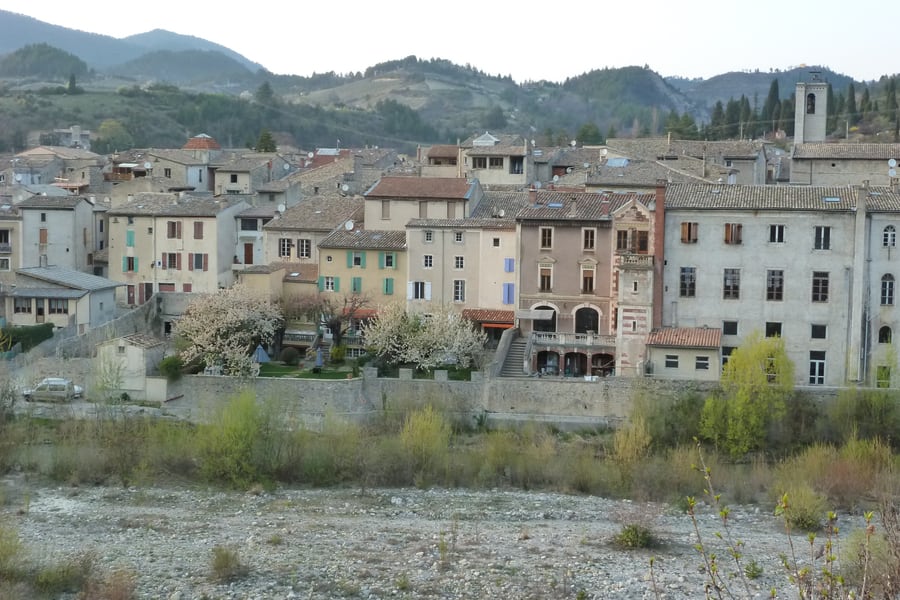
The train sets down at six stations in the mountains, and every one is a way in: two of Vauban's fortresses, a cathedral town, a lake, and the valleys of the Écrins and Serre Chevalier. Vallouise lies up a side valley from L'Argentière-les-Écrins station.
 Zairon / Wikimedia Commons · CC BY 4.0 · cropped
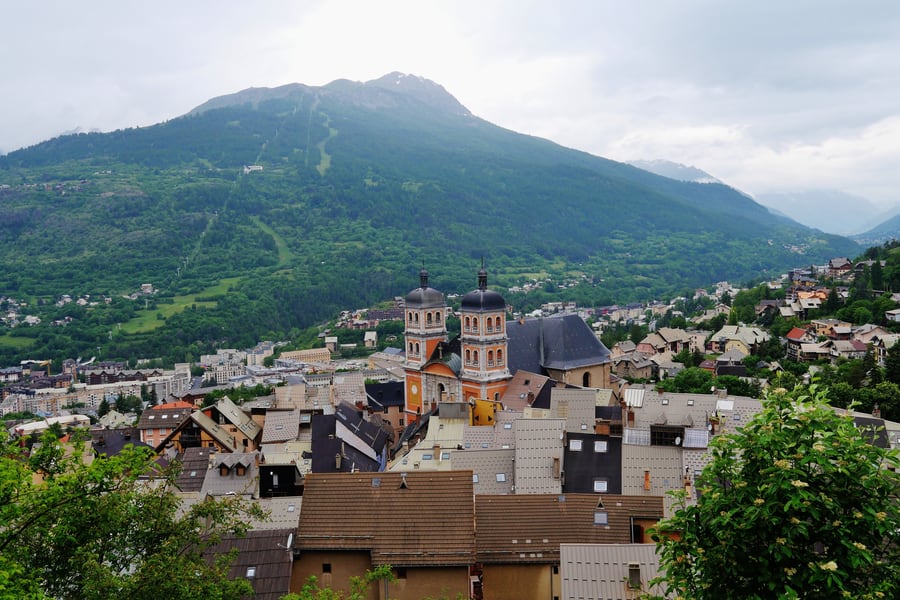
Briançon and Vauban's walls
At 1,326 metres Briançon is the highest city in France. Vauban rebuilt its walls between 1692 and 1700, forts on the surrounding heights followed until 1732, and a single stone arch, the Pont d'Asfeld, crosses the Durance gorge to reach them. Inside the walls stands the collegiate church of 1705–1718. The whole system is part of the Vauban World Heritage Site.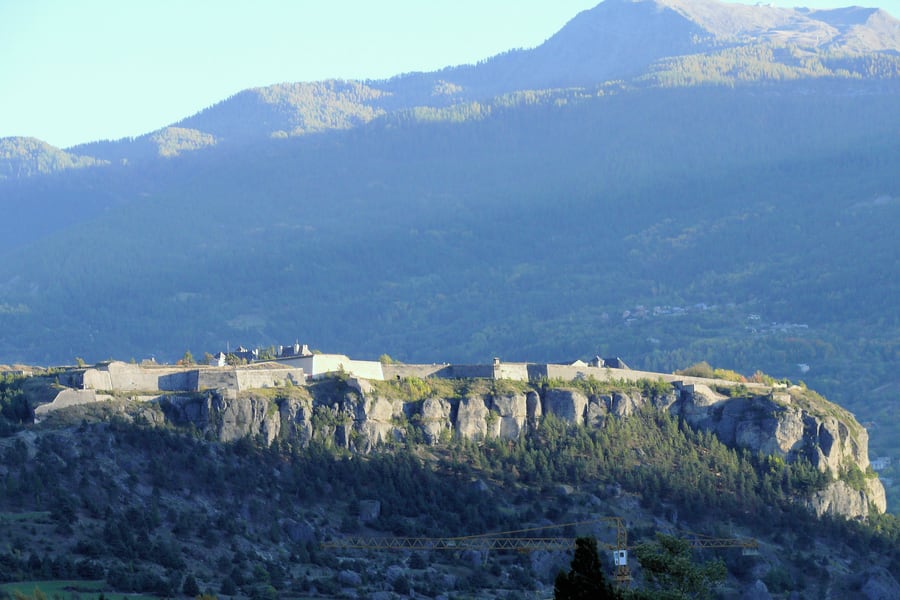 MOSSOT / Wikimedia Commons · CC BY 3.0 · cropped
Mont-Dauphin
In March 1693 Vauban began a stronghold on a cliff-edged plateau above the meeting of the Durance and the Guil, and named it after the Grand Dauphin, Louis XIV's eldest son. It was built in pink marble, never finished its church, and is still a walled village, part of the same World Heritage listing as Briançon.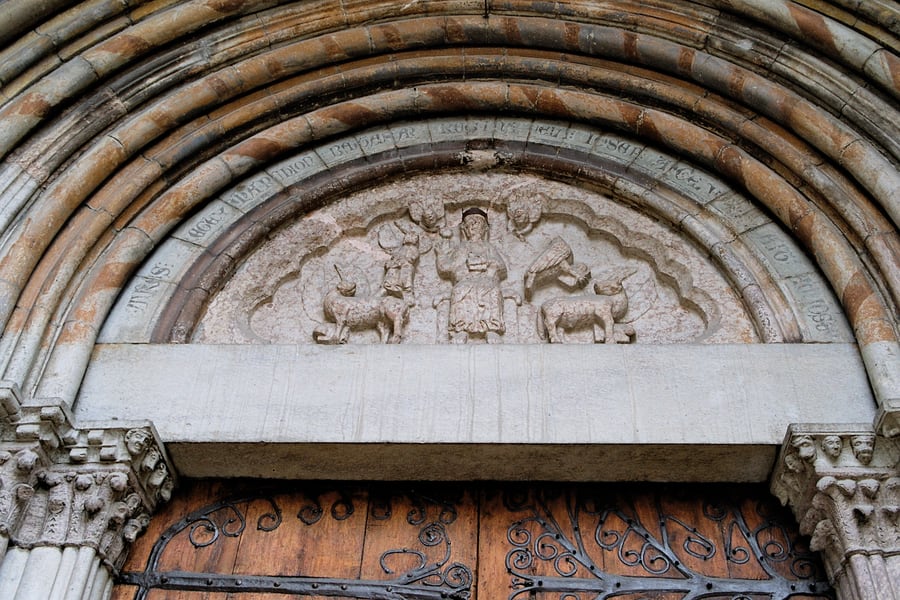 Greudin / Wikimedia Commons · public domain · cropped
Embrun
The old town stands on a rock cut by the Durance. Its cathedral, Notre-Dame-du-Réal, was built between about 1170 and 1225, at the turn from Romanesque to Gothic, and for six centuries was the seat of archbishops. Its porch, in the Lombard style, rests on two crouching lions; the great organ was first installed in 1463.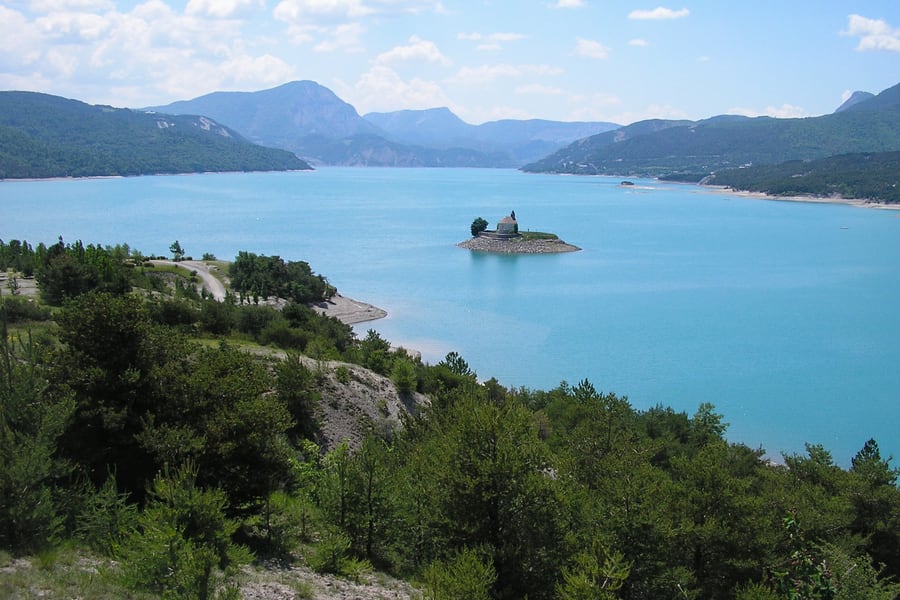 Einaz80 / Wikimedia Commons · CC BY-SA 4.0 · cropped
The Lake of Serre-Ponçon
The dam, finished in 1959, made a lake of 2,800 hectares and 20 kilometres, and more than a thousand people had to move; the village of Ubaye lies under it. The twelfth-century chapel of Saint-Michel was condemned too, but its hill became an island, and in winter, when the water is low, you can walk out to it.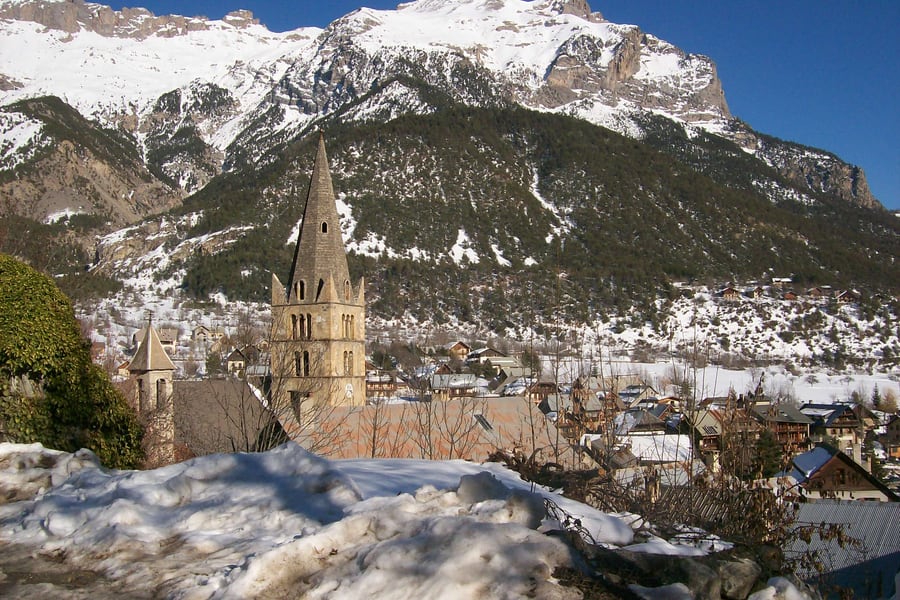 Denis Roux / Wikimedia Commons · public domain · cropped
Vallouise and the Écrins
The Écrins National Park, created in 1973, rises to 4,102 metres at the Barre des Écrins and holds some forty glaciers and 740 kilometres of marked paths. Its visitor centre is in Vallouise, a village under the peaks of the Pelvoux, and the road goes on to the Pré de Madame Carle, where the walks to the glaciers begin.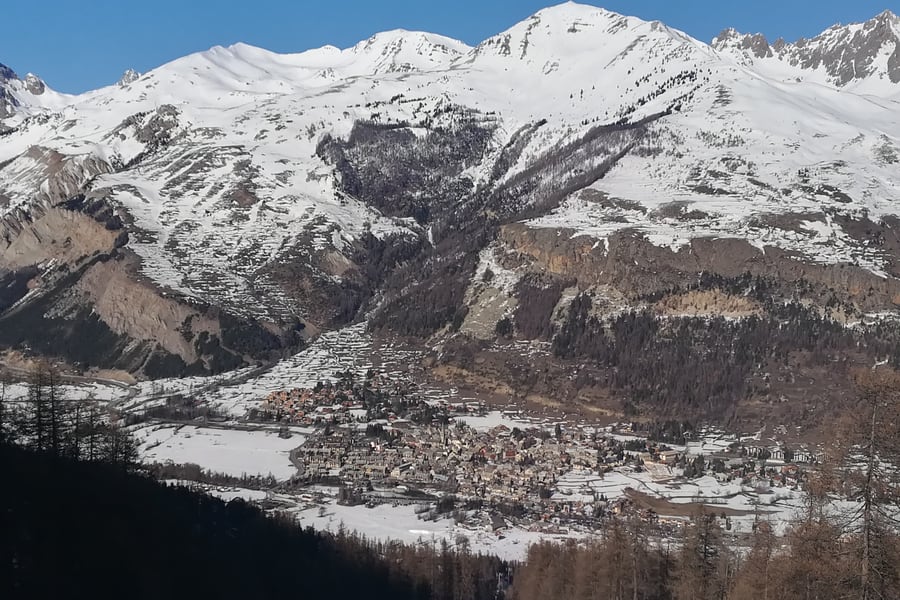 Fabien Gillet / Wikimedia Commons · CC BY-SA 4.0 · cropped
Serre Chevalier
The resort began in 1941 with a cable car from Chantemerle to the summit of the Serre Chevalier, at 2,483 metres. Today it is the largest ski area in the Southern Alps, strung along the Guisane valley from Briançon to Le Monêtier-les-Bains, on the edge of the Écrins park; the lower town of Briançon has its own lift into it.Where to Sleep
The train is the first night's bed. Briançon, at the end of the line, has the widest choice for the nights that follow, in the lower town near the station and the lifts.
Where to stay
Hôtel Vauban
Avenue du Général de Gaulle, Briançon
Forty rooms in the lower town, with a lounge bar, free parking and a free garage for bicycles.
Check Availability (opens in a new tab, on hotel-vauban-briancon.com)via hotel-vauban-briancon.comQuestions or corrections
Planning this trip and stuck on something, or spotted a time, fare or detail that has changed? Send us a message about Paris–Briançon Night Train. We read every one, and we update this page when something has changed.