Tren a las Nubes
Casa Rosada (Argentina Presidency of the Nation) / Wikimedia Commons · CC BY-SA 2.0
- Distance~20 km by rail · La Polvorilla is km 217 of the C-14
- Duration10–12 hours for the full day from Salta
- Best seasonYear-round · clearest in the dry winter
Introduction
Let's deal with the awkward part first, because almost nobody else does.
You do not ride the Tren a las Nubes from Salta. You haven't been able to since 2015. The day begins with a coach — about 150 kilometres of it, five hours up National Route 51 — and the train itself is waiting at San Antonio de los Cobres, near the top, for a 20-kilometre run out to the viaduct and back. Guidebooks, blogs and a good deal of the travel press still describe a train that climbs from Salta into the clouds. That train does not run.
Now the good part: it is still absolutely worth doing.
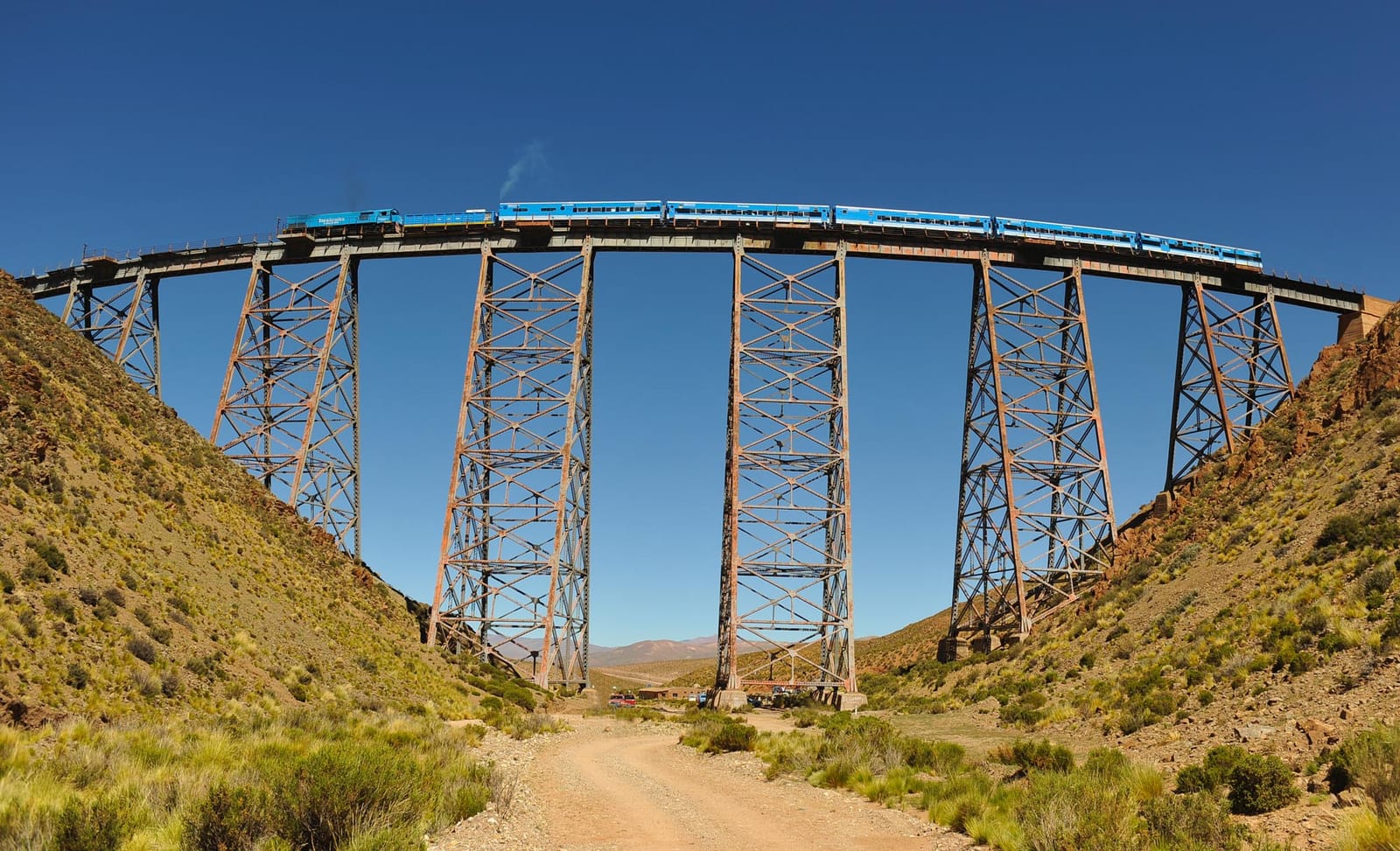
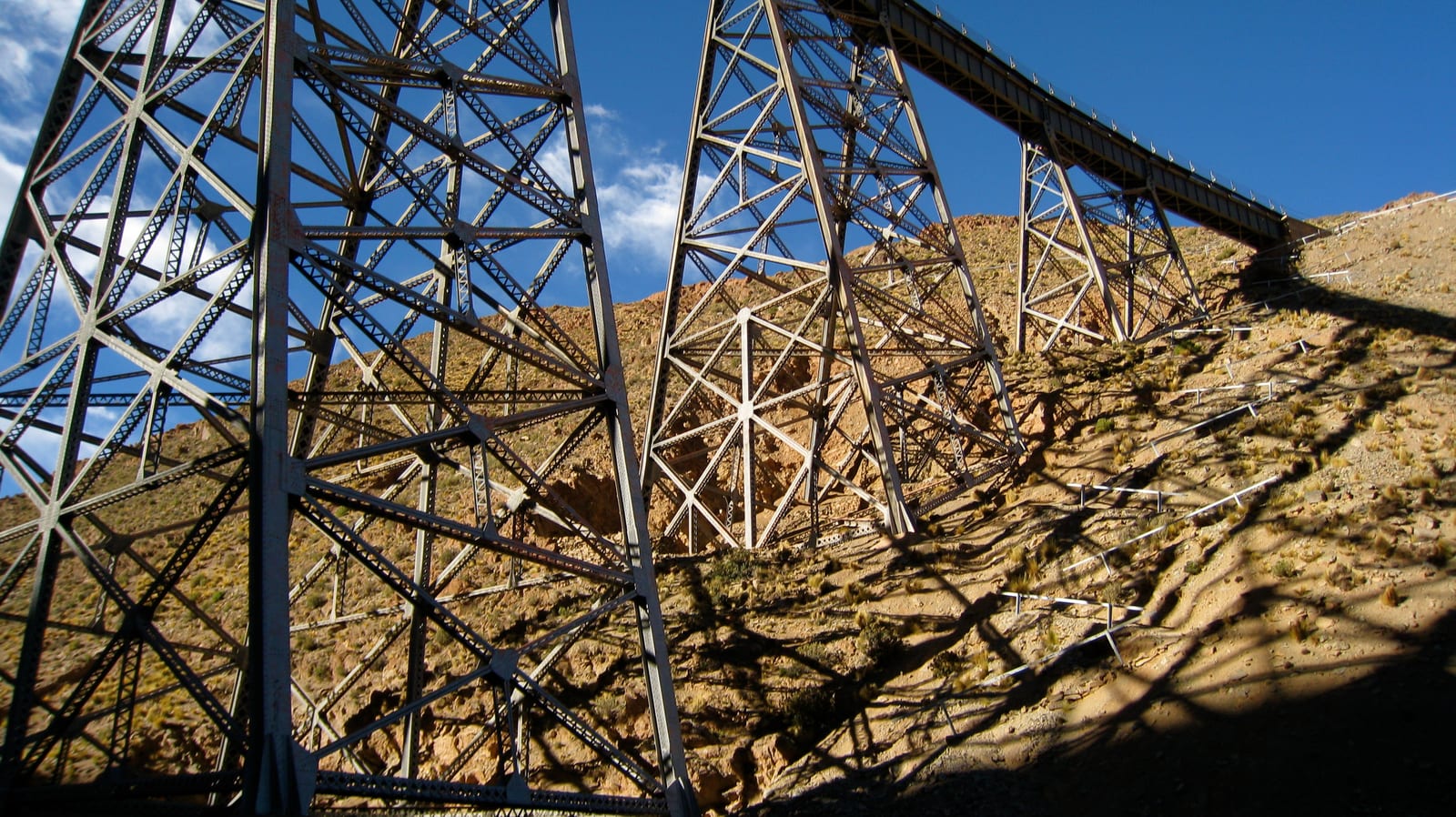
What waits at the end of the line is the La Polvorilla viaduct — 224 metres of curving steel trestle standing 64 metres above an empty ochre basin, at 4,220 metres above the sea. It was finished on 7 November 1932, and it is one of those structures that looks less like engineering than like something drawn: a spidery, riveted curve in the middle of a landscape with nothing else in it at all.
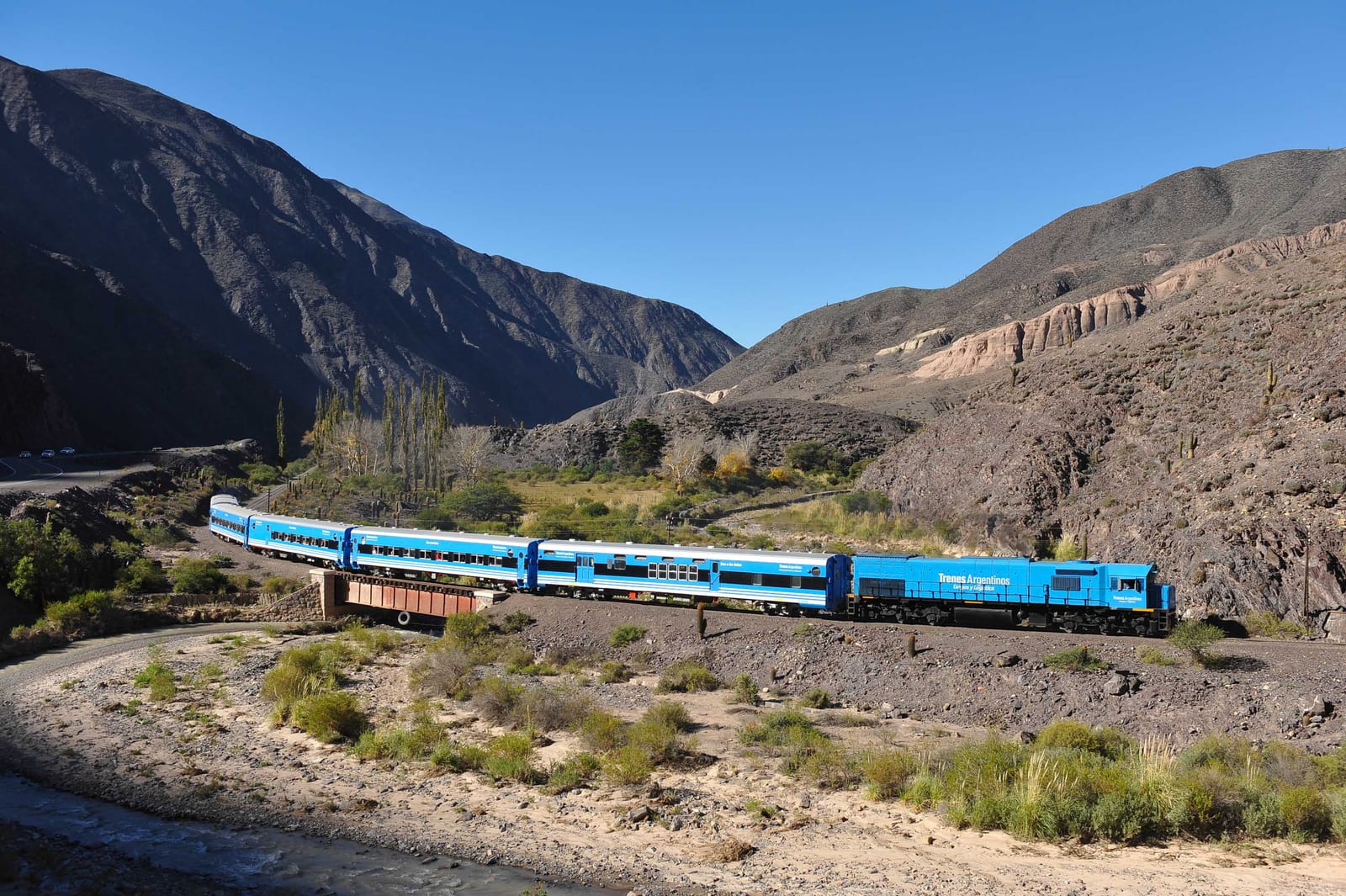
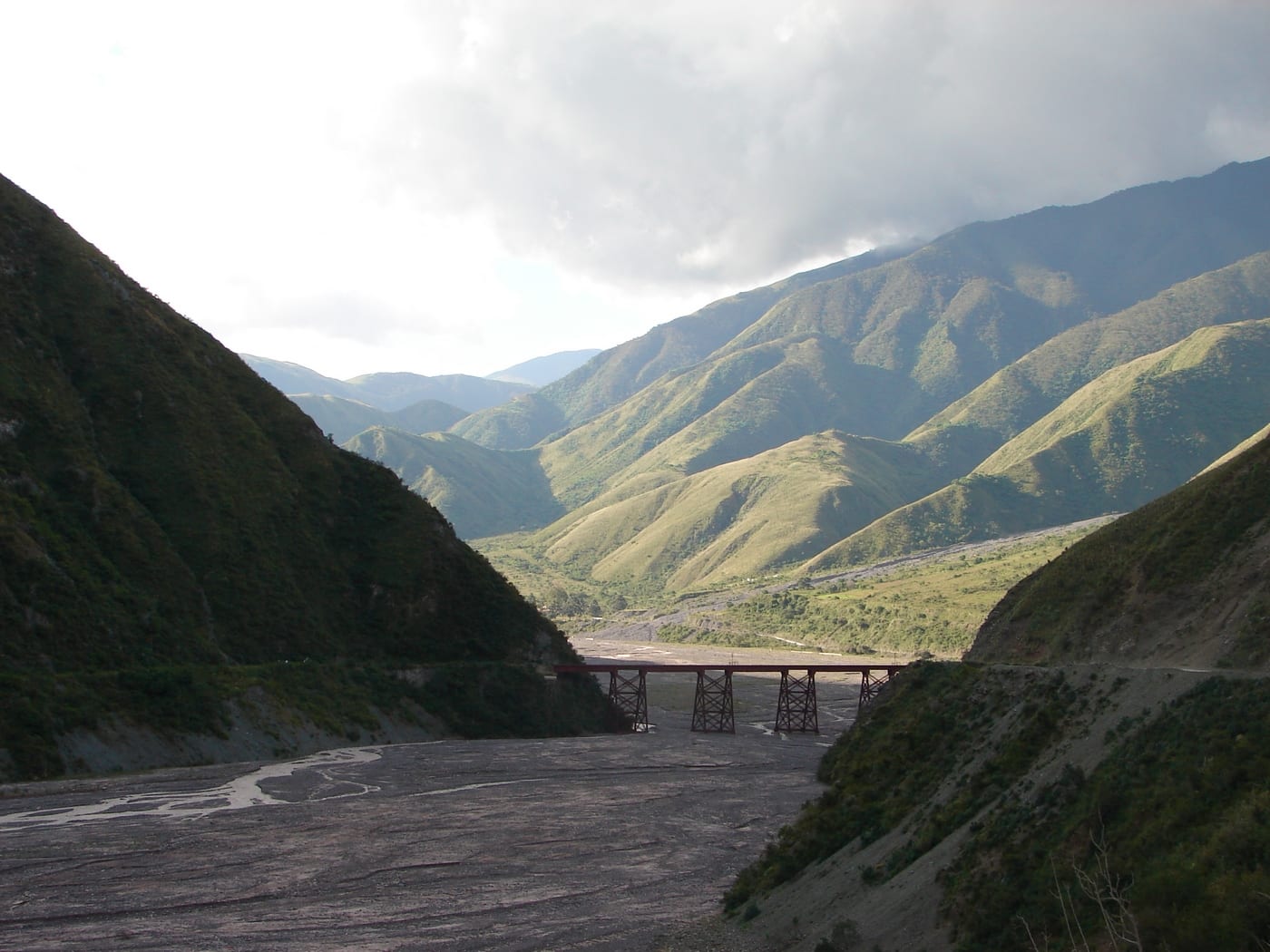
The line it belongs to is the C-14, and it is a genuinely great piece of railway. The American engineer Richard Maury started it in 1921 and it was not finished until 20 February 1948 — twenty-seven years to lift a metre-gauge track from the Lerma valley onto the Andean puna. He did it with two spirals and two zigzags, the track curling over itself and reversing back up the hillside, and — this is the remarkable bit — no rack anywhere. Plain adhesion, the whole way up, through 21 tunnels, over 29 bridges and 13 viaducts.
So what you are buying is not a train ride through the mountains. It is a long, slow ascent into one of the emptiest inhabited places in South America, a short ride on a superb piece of 1930s ironwork, an artisan market at 4,220 metres, and pre-Inca ruins on the way home. Known in advance, it makes a fine day. Taken for a ride up from Salta, it means a morning on a bus feeling cheated.
The Journey
The day starts in the dark. Check-in is at around 6:15 in the morning, at the plazoleta in front of Salta's old railway station — which is a small, cruel joke, since the station is where you meet the coach.
The road out of Salta climbs through Campo Quijano and into the Quebrada del Toro, and for the first hour or two the country is green and gorged and full of water. The railway is beside you for much of it, and you get to watch the line do its work from the outside: the Toro viaduct, the tunnels, the point where the track begins to double back on itself. It is not a bad way to see the C-14, in truth. You see more of it than the passengers of 1948 ever did.
Then the green stops. Somewhere above 3,000 metres the vegetation gives up and the puna begins — gravel, salt flats, distant volcanoes, the occasional llama, and a sky that seems to have been enlarged. Breakfast is somewhere around here, at El Alfarcito, and by late morning the coach pulls into San Antonio de los Cobres, a low mining town of adobe and tin at 3,774 metres. You will notice the height when you stand up.
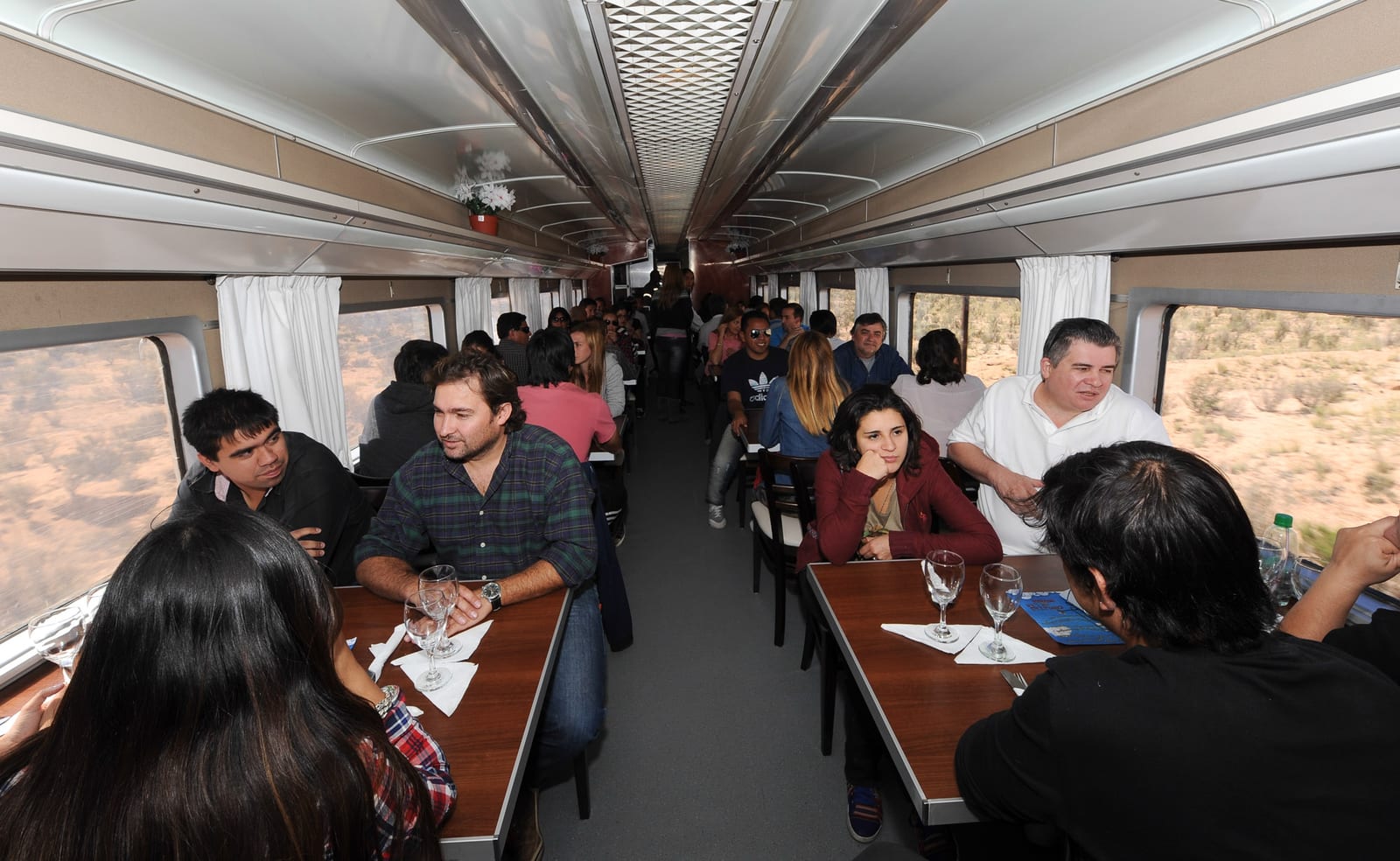
The train leaves at midday. It is a plain train — diesel-hauled coaches, big windows, tables — and it takes about an hour to cover the twenty-odd kilometres to the viaduct, climbing gently across an emptiness so complete that the track ahead is visible for miles. There is nothing to look at except everything.
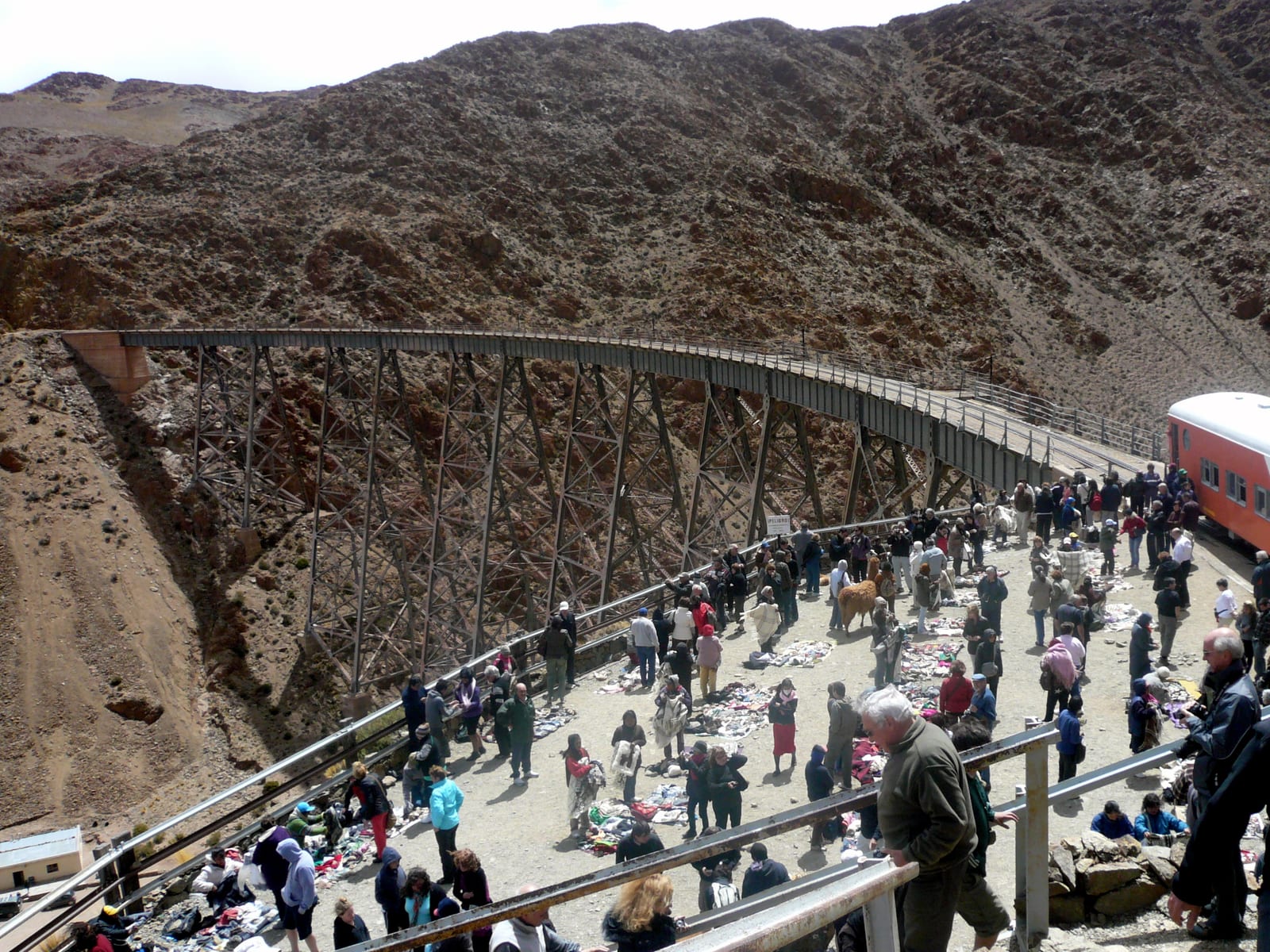
And then La Polvorilla. The train edges out onto the trestle and stops in the middle of it, which is the moment the whole day has been building to: a curve of riveted steel legs standing on bare ground, 64 metres of air underneath, at 4,220 metres. Everyone gets down at the far end, where there is a flag ceremony and — more to the point — a market: stalls of weaving and knitted alpaca and hot food, laid out at the top of the world by people from the town. You have about half an hour.
The train is back at San Antonio by quarter to three. The coach leaves at half past four and stops at Santa Rosa de Tastil, a hillside of pre-Inca stone walls that was once one of the largest settlements in the region, and you are back in Salta well after dark, ten to twelve hours after you left.
It is a long day for one hour of railway. But the railway is not really what you came for, and by the time you are standing in the thin air on that viaduct, you know it.
Along the route
Casa Rosada (Argentina Presidency of the Nation) / Wikimedia Commons · CC BY-SA 2.0The viaduct at 4,220 metres
La Polvorilla is the whole point and it does not disappoint: a curving steel trestle 224 metres long and 64 metres high, finished on 7 November 1932, standing in an empty ochre basin with nothing around it. The train creeps out onto it and stops.AHLN / Wikimedia Commons · CC BY 2.0Maury's answer to a mountain
The American engineer Richard Maury got the C-14 from the Lerma valley onto the puna with two spirals and two zigzags — the line loops over itself and reverses up the hillside — and no rack anywhere. Adhesion only, the whole way up. It took from 1921 to 1948.Mercedes Cárdenas / Wikimedia Commons · CC BY 2.0The puna itself
What surprises people is not the height but the emptiness. Above San Antonio de los Cobres the world simplifies to ochre gravel, salt, a few llamas and an enormous sky. It is one of the most convincingly uninhabited places you can reach on a day trip.A bit of history
Culture & experiences along the way
Gavieiro Juan M / Wikimedia Commons · CC BY-SA 3.0The stalls at the viaduct
The train stops, everyone gets down, and there is a market — weavings, knitted alpaca, hot food, all of it laid out at 4,220 m by people from San Antonio. Bring cash in small notes. This is a large part of what the railway is now for.Casa Rosada (Argentina Presidency of the Nation) / Wikimedia Commons · CC BY-SA 2.0Going up slowly
The coach leaves Salta before dawn and climbs for five hours, with stops for breakfast on the way. It is a long morning — but it is also the only reason your body copes with arriving at nearly 4,000 metres by lunchtime.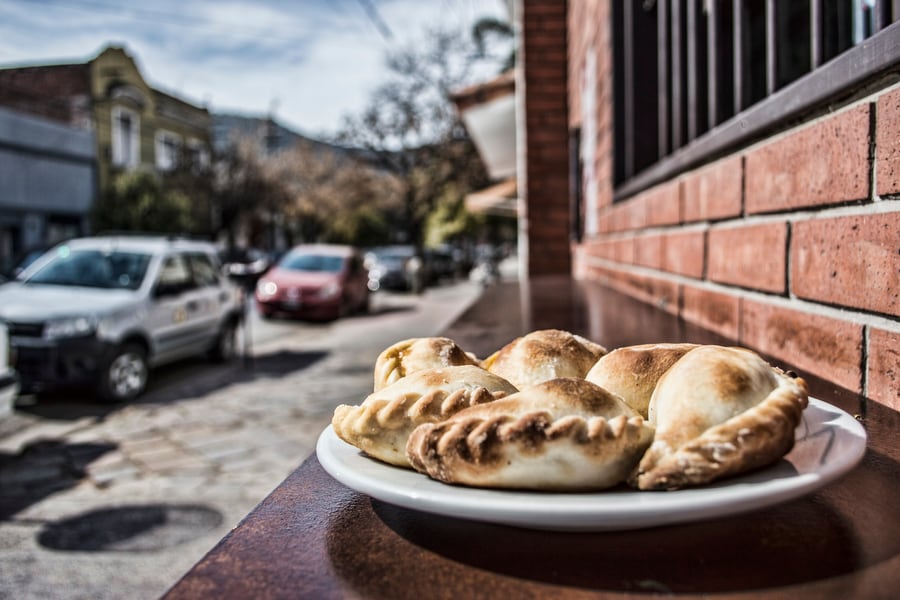 Leonardovillada / Wikimedia Commons · CC BY-SA 4.0 · cropped
An empanada and a peña in Salta
The salteña empanada is small, baked in a clay oven and juicy enough to need both hands. Eat one on Calle Balcarce, the street of peñas that runs up to the old railway station, where zambas and chacareras are sung live every night of the week and nobody is in a hurry to stop.Timetables
The Tren a las Nubes is sold as a single scheduled day-trip, not as a train you turn up for. Departures run through the year.
How the day runs:
| Time | What happens |
|---|---|
| ~6:15 | Check-in at the Plazoleta Antofagasta, in front of Salta station |
| Morning | ~150 km by coach up RN51 — Quebrada del Toro, photo stops, breakfast at El Alfarcito |
| ~11:40 | Arrive San Antonio de los Cobres · 3,774 m |
| 12:00 | The train leaves — ~20 km towards the viaduct |
| 13:00 | La Polvorilla viaduct · 4,220 m — roughly 30 minutes off the train |
| 13:30 | Train departs the viaduct |
| 14:45 | Back at San Antonio de los Cobres |
| 16:30 | Coach for Salta, with a stop at Santa Rosa de Tastil (~17:20–17:40) |
| Evening | Salta — 10 to 12 hours after you started |
Good to know:
- The train is about one hour of a twelve-hour day. That is the deal. Everything else is road, and the road is genuinely spectacular, so this is not a complaint — but book it knowing the shape of it.
- The altitude is the real difficulty, not the schedule. You go from roughly 1,200 m to 4,220 m in a morning. Give yourself two or three days in Salta beforehand if you possibly can, move slowly at the top, drink water, eat lightly, and skip the alcohol at breakfast.
- Dress for two climates. Salta at dawn is mild; the puna at midday is fierce sun, thin air and a cold wind, sometimes all at once. Layers, a hat, and serious sunscreen.
- Times shift with the season and the day. The pattern above is the published one, but the operator moves it around — confirm your date when you book.
- Cash, in small notes. The stalls at the viaduct are cash-only, and they are one of the best parts of the trip.
- Sit on the left leaving San Antonio for the better view of the basin as the line climbs — though on a train this slow, everybody ends up at whichever window they like.
Tickets
Tickets come from Tren a las Nubes itself, and there are two versions of the same day. Servicio Completo is the full package — coach from Salta, breakfast, the train out to the viaduct, and the coach home via Santa Rosa de Tastil — and unless you are driving yourself it is the only sensible option. Solo Tren is the train alone, boarding at San Antonio de los Cobres at midday: cheaper, and designed for people arriving under their own power. Solo means solo — no transfer, no breakfast, and no help getting to 3,774 metres.
Argentine pricing moves faster than any travel site can publish, so check the operator for the figure on your date, and expect resident and non-resident rates to differ. Book ahead in the winter holidays. And take the altitude into account when choosing the date: put this late in your stay, not on the day you land.
Book your tickets
Servicio Completo
The full day, from Salta
The standard package and what almost everyone books — coach from Salta up the Quebrada del Toro with breakfast on the way, the train from San Antonio de los Cobres out to the viaduct, and the coach back via Santa Rosa de Tastil. Ten to twelve hours, door to door.
Book Tickets (opens in a new tab, on Tren a las Nubes (Servicio Ferroviario Turístico S.E.))via Tren a las Nubes (Servicio Ferroviario Turístico S.E.)Solo Tren
Train only, from San Antonio de los Cobres
The train alone, boarding at San Antonio de los Cobres at midday — cheaper, and intended for people arriving under their own steam. No transfer from Salta is included, so you need your own vehicle and a plan for the altitude.
Book Tickets (opens in a new tab, on Tren a las Nubes (Servicio Ferroviario Turístico S.E.))via Tren a las Nubes (Servicio Ferroviario Turístico S.E.)Rail Passes
No rail pass covers the Tren a las Nubes. Interrail and Eurail are European schemes, and Argentina is not among the 33 countries in Interrail's list of covered railway companies. The train is sold by its operator, alone or as a day package with the coach from Salta.
Checked October 2026 against Interrail's list of railway companies (opens in a new tab).
Places to Visit
The train is one day. The north-west of Argentina deserves rather more than that, and it is the best reason to come.
One stretch does not get its own entry below because you will already have seen it from the coach: the Quebrada del Toro, the green gorge that both the road and the railway use to start the climb out of the Lerma valley. With a car it is worth a slower morning. Everything else here is a day trip from Salta, and the province rewards a week far better than a weekend.
 littletroll / Wikimedia Commons · CC BY-SA 3.0 · cropped
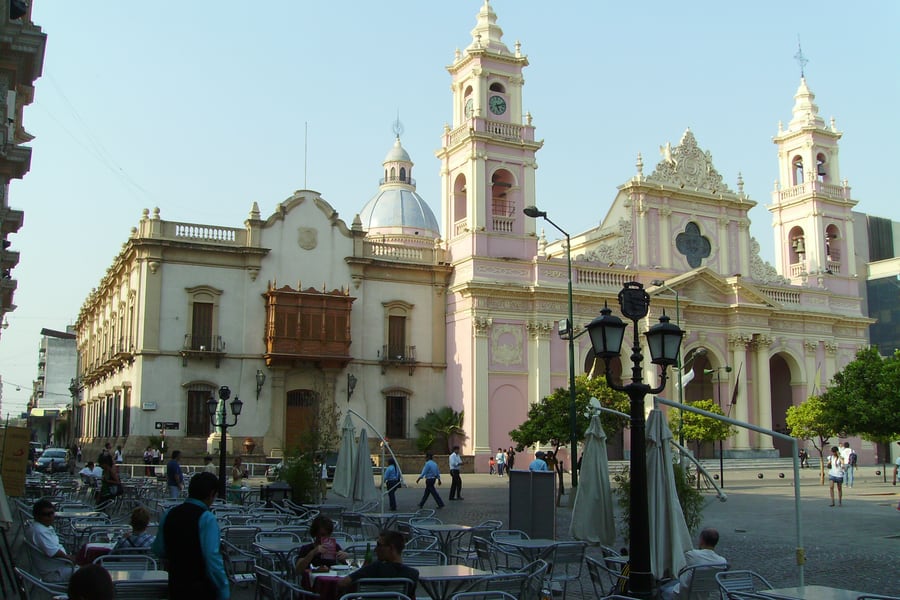
Salta
A genuinely lovely colonial city, and the reason to give the north-west more than a day. The cathedral of 1859–1882 stands on an arcaded main square; a block away, the Museo de Arqueología de Alta Montaña (opened 19 November 2004) holds the Llullaillaco children — three Inca child sacrifices found frozen at about 6,700 m in 1999. It is extraordinary and profoundly uncomfortable, and it will stay with you longer than the viaduct.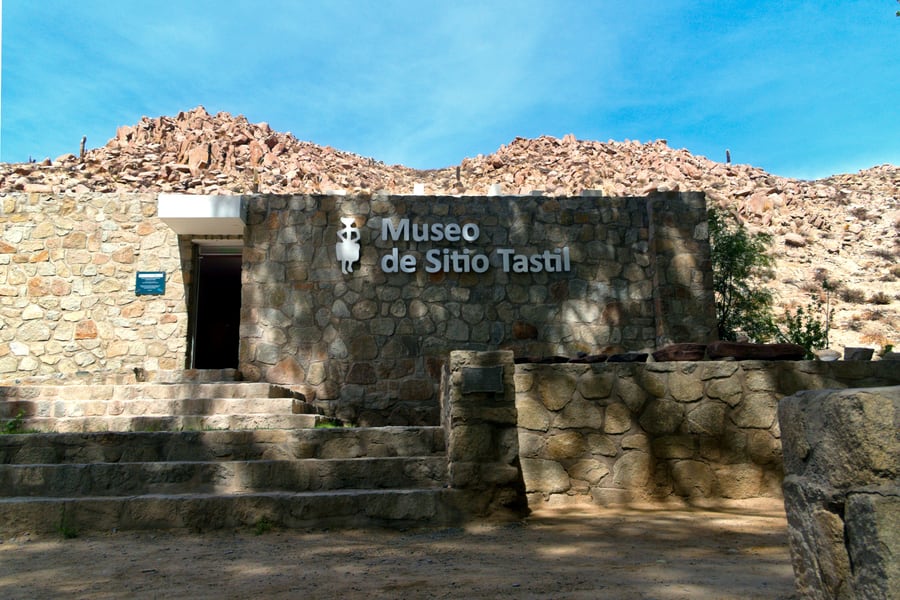 Eva bindhi / Wikimedia Commons · CC BY-SA 4.0 · cropped
Santa Rosa de Tastil
A hillside of stone walls at 3,110 m, and one of the largest pre-Hispanic settlements known in Argentina: 12 hectares, some 1,160 stone structures, streets and plazas, and more than 2,000 inhabitants by the end of the fifteenth century. It emptied before the Spanish arrived, and nobody is certain why. A National Historic Monument since December 1997, with a site museum in the village. The tour gives it twenty minutes.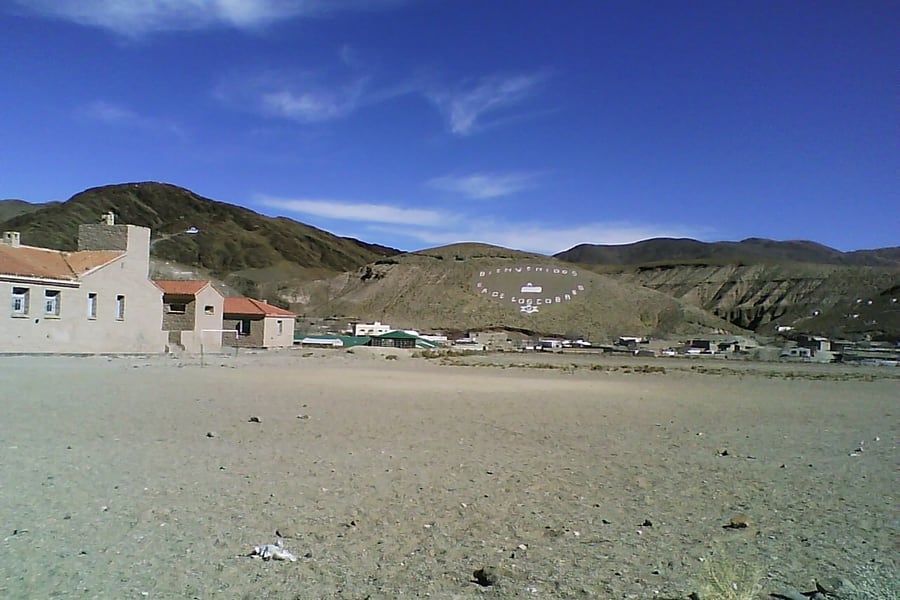 José Luis Fernández / Wikimedia Commons · CC BY 3.0 · cropped
San Antonio de los Cobres
A working mining town at 3,774 metres, and where you actually board the train. Low, plain, dust-coloured and battered by wind, with the hills pressing in on every side. It is not pretty and it does not pretend to be. But it is the real thing, and it is the one place on this route where the railway has ever mattered to anybody's living rather than anybody's holiday.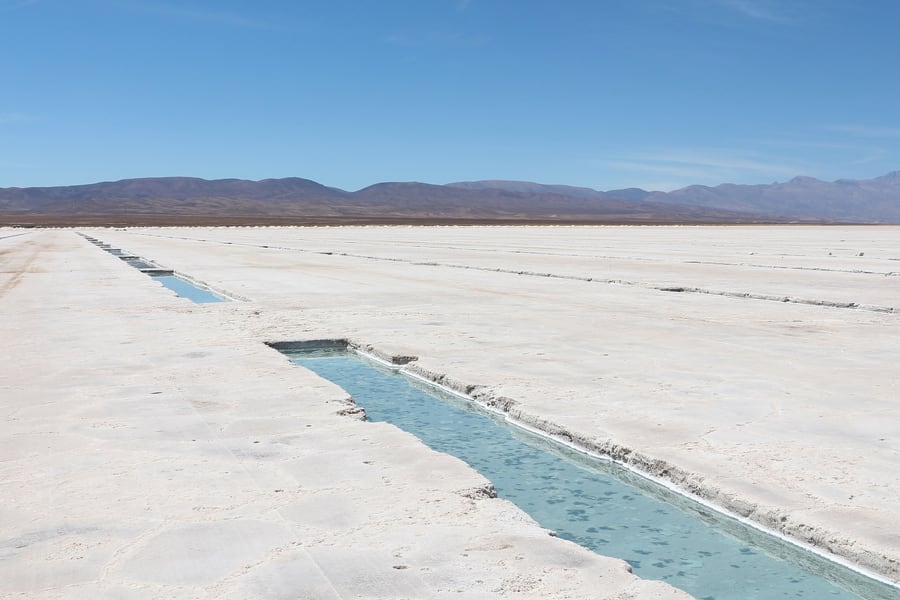 Bernard Gagnon / Wikimedia Commons · CC BY-SA 4.0 · cropped
Salinas Grandes
212 square kilometres of blinding white crust at roughly 3,450 m, cut by turquoise brine pools where the salt is worked by hand. Usually combined with San Antonio on a road trip over the Cuesta de Lipán. It is also contested ground: Kolla and Atacama communities of the basin have been fighting lithium extraction here for over a decade, and their case over consultation rights has reached the Inter-American Court.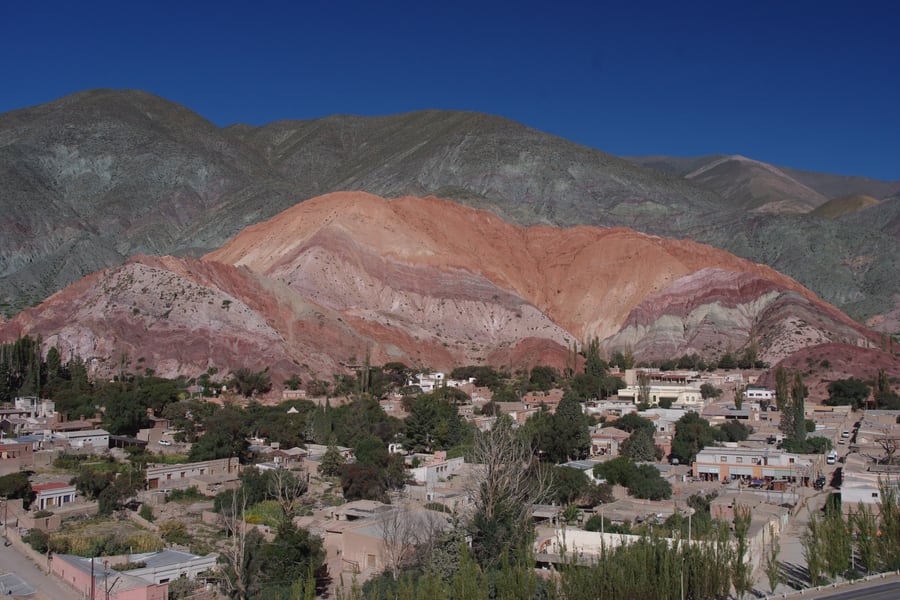 Gustavo A. Perez Prado / Wikimedia Commons · CC BY-SA 4.0 · cropped
Purmamarca and the Quebrada de Humahuaca
Over in Jujuy, a 155-kilometre valley of striped mineral hills that has carried people and trade since long before the Inca, UNESCO-listed in 2003. Purmamarca sits at the foot of the Cerro de los Siete Colores, the seven-coloured hill on every postcard from the province, with an adobe village and a daily craft market in its plaza below. If you add only one thing to this trip, add this.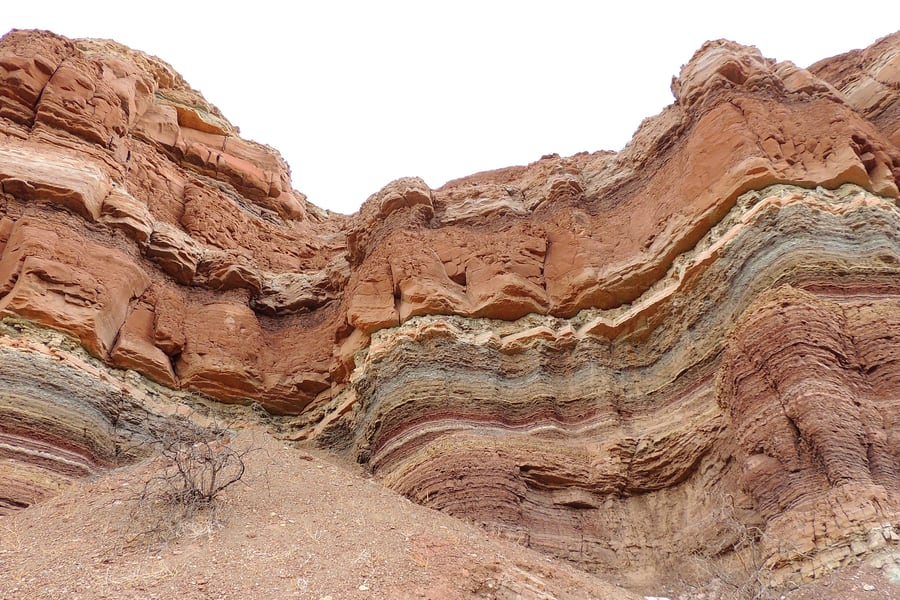 Lifesan / Wikimedia Commons · CC BY-SA 3.0 · cropped
Quebrada de las Conchas
The gorge the road takes south from Salta towards Cafayate, and one of the great drives in Argentina: red sandstone folded and stood on end, then weathered into amphitheatres, gullies and towers that all have names. There are marked stops the whole way down and no reason to hurry past any of them. Do it in afternoon light, heading south.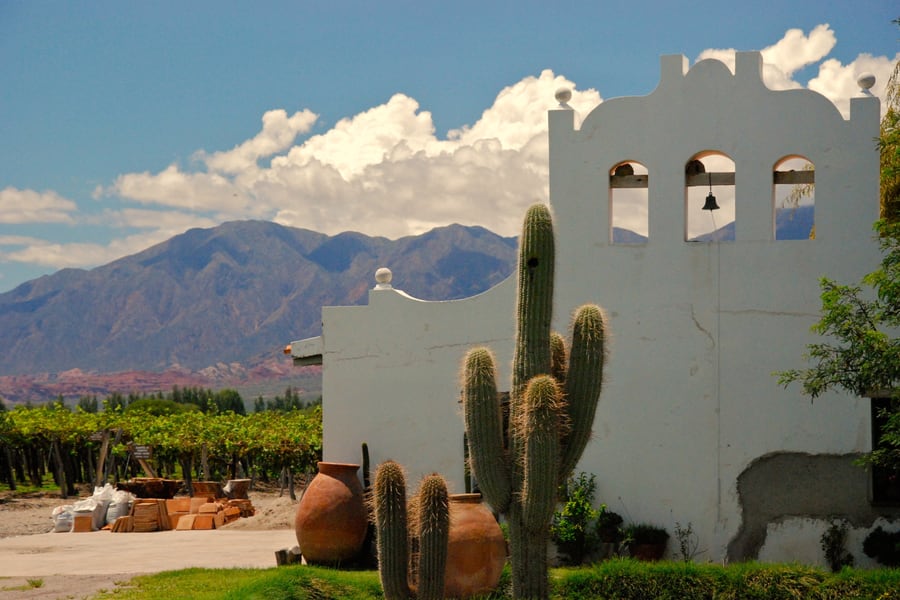 Aaron Epstein / Wikimedia Commons · CC BY 2.0 · cropped
Cafayate
Three hours south of Salta at 1,683 metres, and the centre of Argentina's other wine country. The vineyards sit around 1,750 m — thin air, fierce sun and a 20°C swing between afternoon and night, which is what gives the white Torrontés grown here its particular perfume. The Calchaquí valleys run higher still: the highest commercial vineyard in the world is up at 3,111 m near Payogasta.Where to Sleep
You sleep in Salta, before and after — the trip returns to the city the same night, so there is nothing to arrange along the way.
Salta has the full range: restored colonial houses around the centre, a good crop of small boutique hotels, plenty of straightforward mid-range places, and hostels that are used to early departures. Stay within walking distance of the main square if you can. The check-in is at around 6:15 in the morning at the plazoleta in front of the old station, and at that hour you want to be able to walk there rather than negotiate a taxi.
Two things worth planning around:
- Arrive a few days early. Salta sits at roughly 1,200 m, which is not high — but a couple of days of doing nothing much before you jump to 4,220 m genuinely helps, and Salta is a pleasant place to do nothing much in.
- Ask the hotel about the morning. Most places near the centre know this trip inside out and will sort you an early breakfast or a taxi without blinking. Some will hold your room's breakfast for the following day instead.
If you are extending the journey rather than turning straight round, Purmamarca and Cafayate are the two places worth a night in their own right — Purmamarca for the coloured hills at dawn, before the day-trippers arrive, and Cafayate for the wine. San Antonio de los Cobres has a handful of simple places to stay, and the honest advice is that unless you are driving the puna yourself, there is no reason to use them.
Questions or corrections
Planning this trip and stuck on something, or spotted a time, fare or detail that has changed? Send us a message about Tren a las Nubes. We read every one, and we update this page when something has changed.