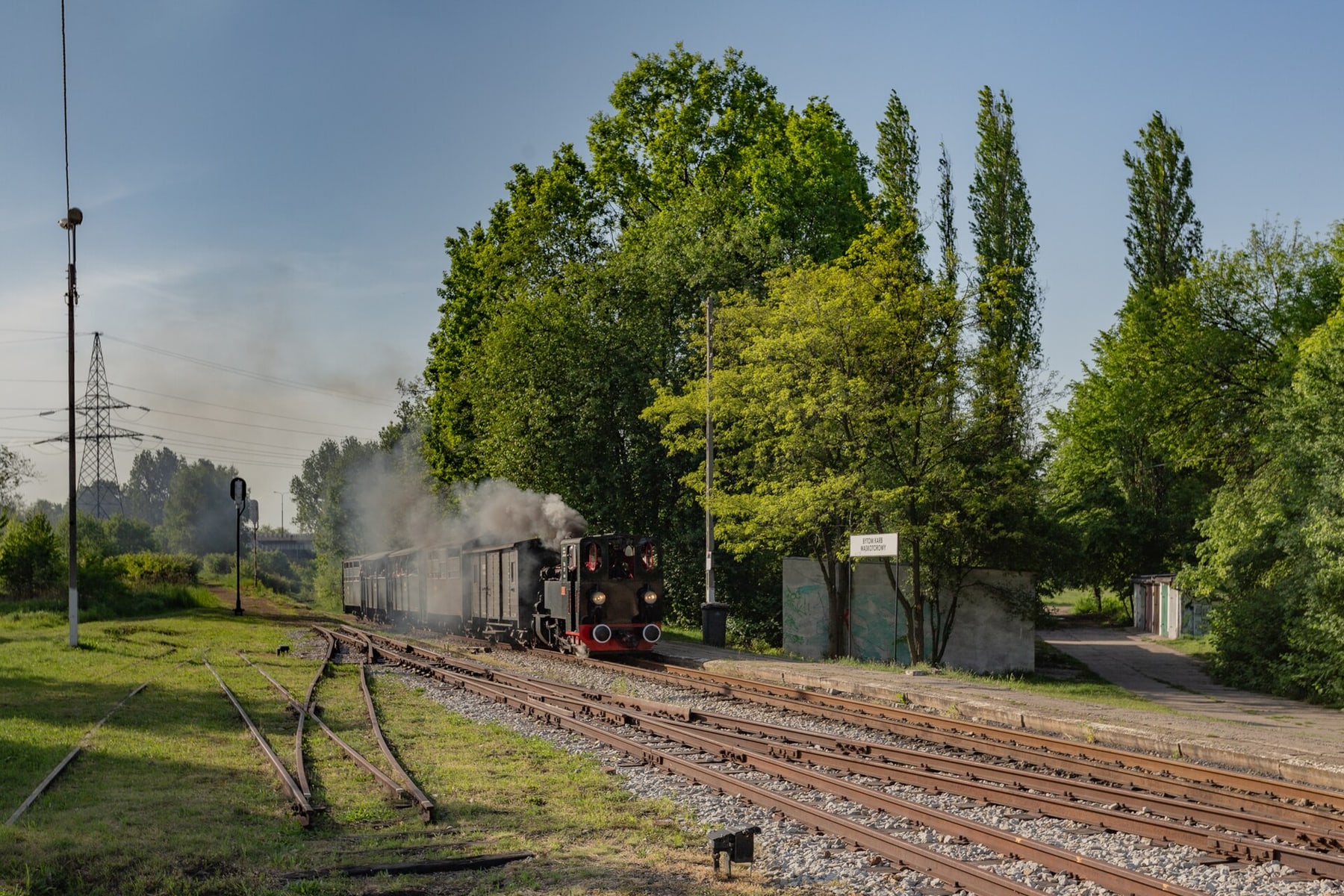
The Upper Silesian Narrow Gauge Railway
Piotr Borowiak / Wikimedia Commons · CC BY-SA 2.0 · photographed 2023
- Distance21 km · 785 mm gauge
- Duration1 hour 10 minutes end to end
- Best seasonMay to October at weekends; the whole line from late June to mid-September
Introduction
For most of its life the Upper Silesian Narrow Gauge Railway had very little use for passengers. Its first lines opened in 1853 to move coal, zinc and lead ore, dolomite and mine waste between the works of Upper Silesia on 785-millimetre track. By the end of the century it reached almost every important mine, smelter and quarry in the region, and even a hospital at Piekary Śląskie had its own siding. In 1955 it carried more than six million tonnes over 233 kilometres of line.
Passengers came late. A separate line from Gliwice to Racibórz carried them until the early 1990s, but the rest of the network scarcely ever did. Trial tourist trains between Bytom and the Nakło-Chechło reservoir ran in the 1970s and were dropped. They returned in 1993 and have run every summer since, and for eight years they shared the track with the last freight, which stopped in May 2001.
Now passengers are all the line carries. Twenty-one kilometres remain, from Bytom through Tarnowskie Góry to Miasteczko Śląskie, owned by those three towns since April 2002 and run by an association of enthusiasts. In 2025 they carried 29,961 people. The association calls this Poland's oldest narrow-gauge railway and the second oldest in Europe after the Ffestiniog in Wales; its home page goes further and claims the oldest in continuous operation anywhere, which the Ffestiniog's closure from 1946 to 1955 leaves room for.
The Journey
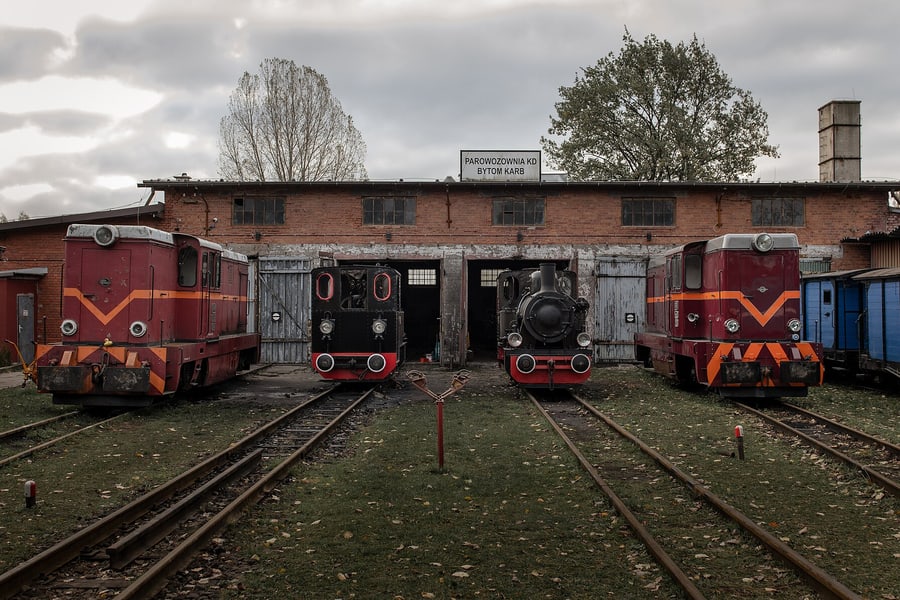
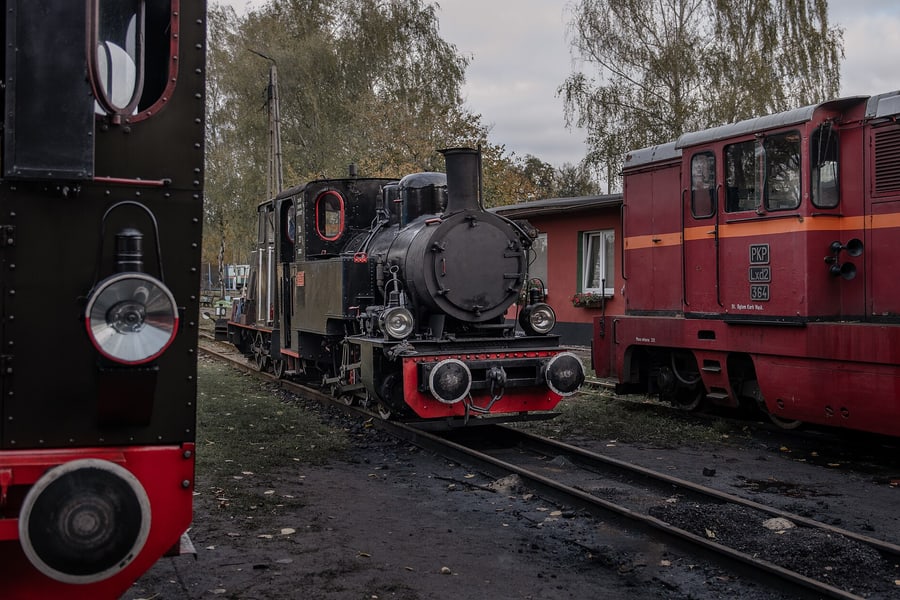
Trains start at Bytom Wąskotorowy, on the Zabrzańska street side of the main station, timed to connect with Koleje Śląskie trains. Within minutes the three chimneys of the Szombierki power station stand over the line, and the train reaches Bytom Karb, the depot and yard that hold the railway's locomotives and workshops, then runs on along the edge of the city to Sucha Góra.
Through the mining country
North of Sucha Góra the line crosses the old mining land between Bytom and Tarnowskie Góry, with the beech woods of the Segiet reserve not far off, to Kopalnia Srebra, a platform seven minutes' walk from the UNESCO-listed silver mine. Tarnowskie Góry Wąskotorowe is beside the Blachnicki roundabout, on the edge of the town.
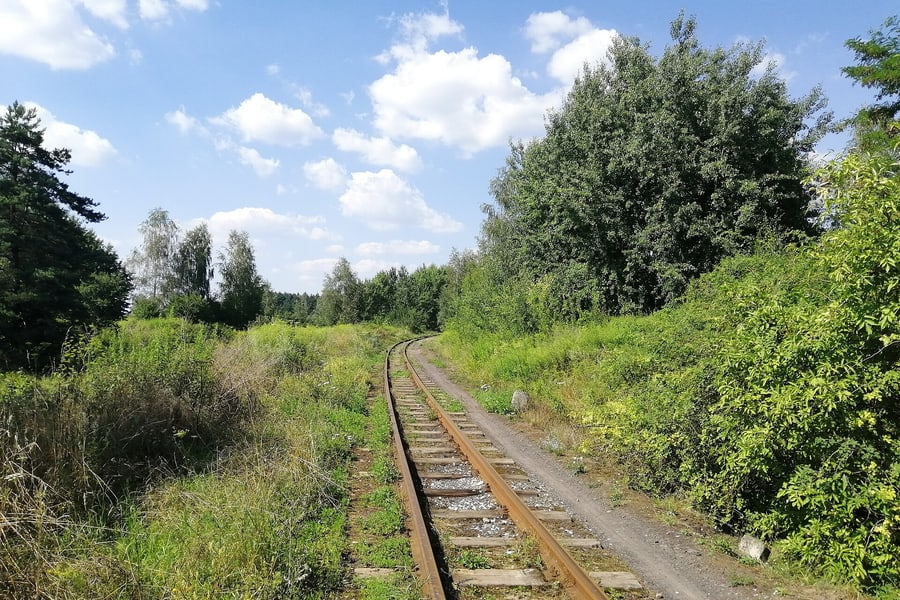
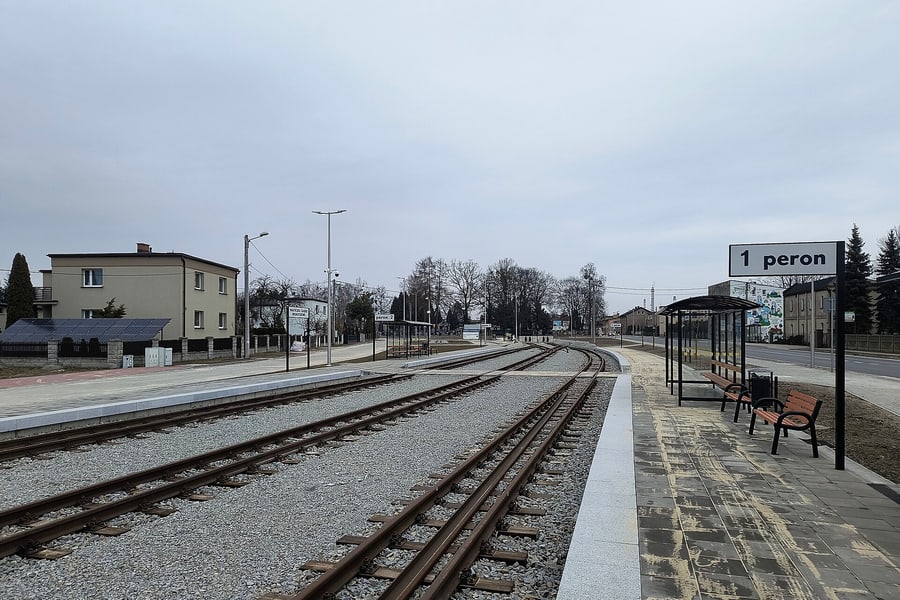
On summer trains the journey continues through pine and birch to Lasowice Zalew and Miasteczko Śląskie Zalew, about five minutes' walk from the Nakło-Chechło reservoir. The line ends at Miasteczko Śląskie Wąskotorowe, rebuilt in 2024–25 with two platforms, three tracks and a place to service a steam engine. The whole journey takes about an hour and ten minutes.
A frontier across the tracks
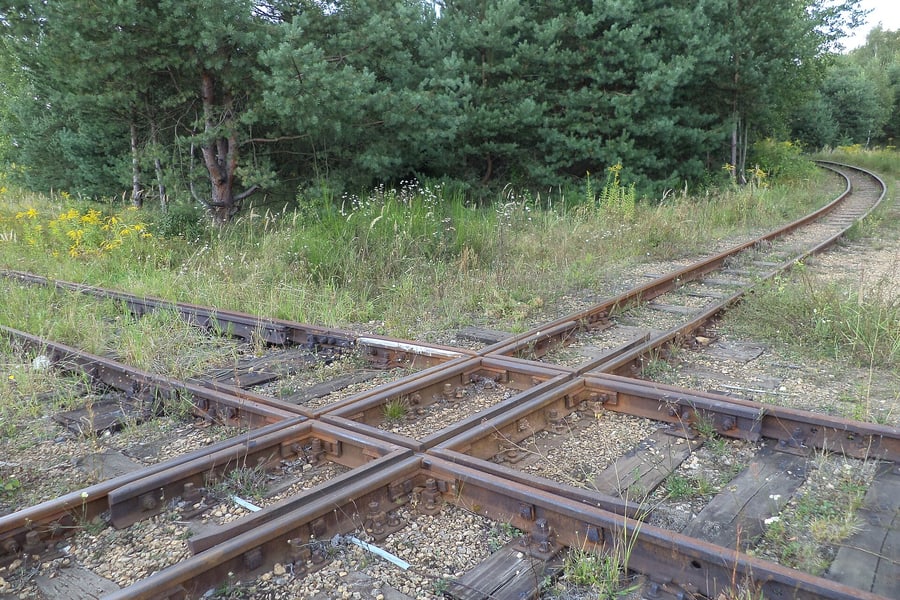
The 1922 division of Upper Silesia ran the Polish-German border through the network in several places. The management, the workshops and the main junctions stayed in Bytom, on the German side, so Poland built new lines between 1925 and 1930 to get around it. The railway now stages a border check at the old frontier one day each September, with customs men and smugglers, on trains between Bytom Karb and Sucha Góra.
Locomotives and coaches
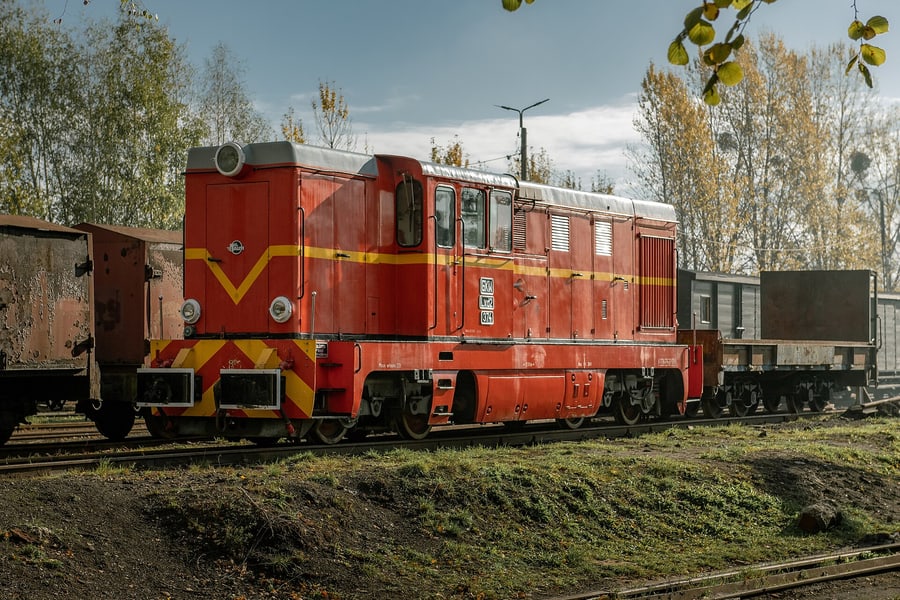
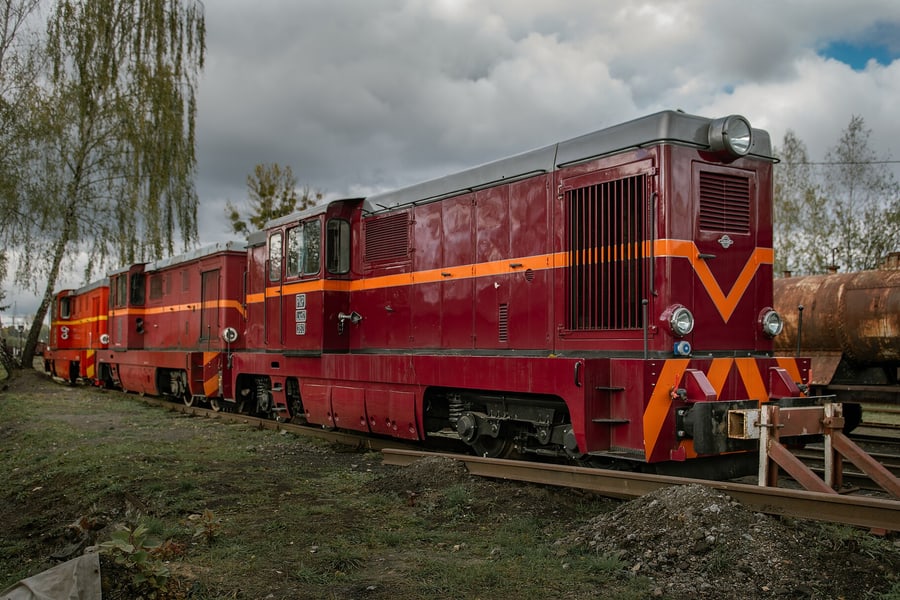
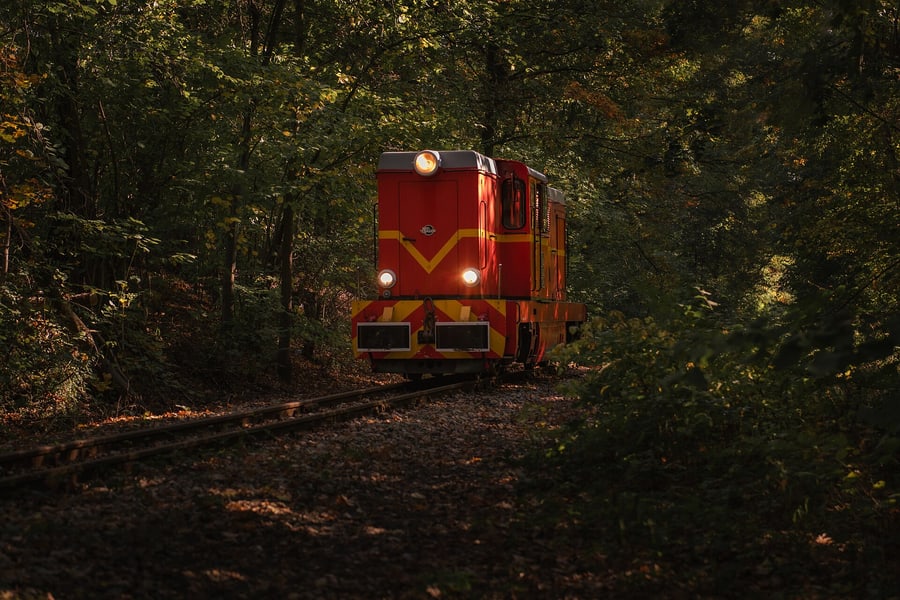
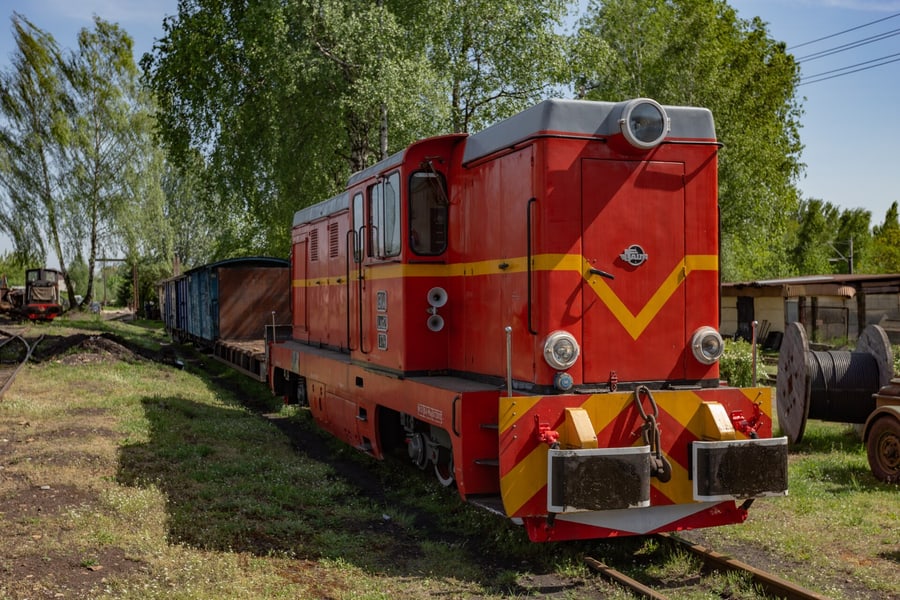
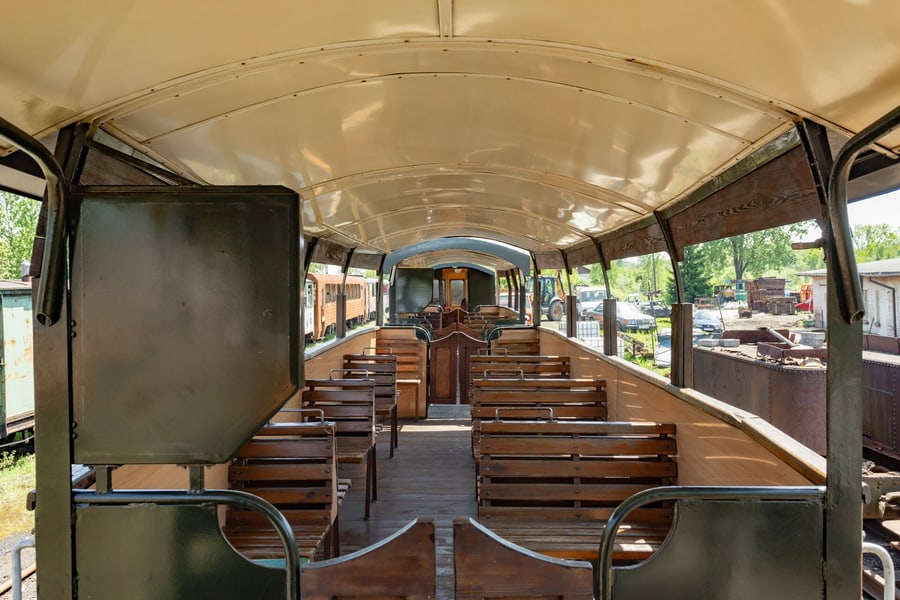
Most trains are hauled by a red Lxd2, a Romanian-built FAUR diesel of a class bought in the late 1960s and 1970s to replace the heavy steam tank engines. Behind it come open summer coaches or closed ones with windows and heating, and the railway also keeps a saloon coach of 1912.
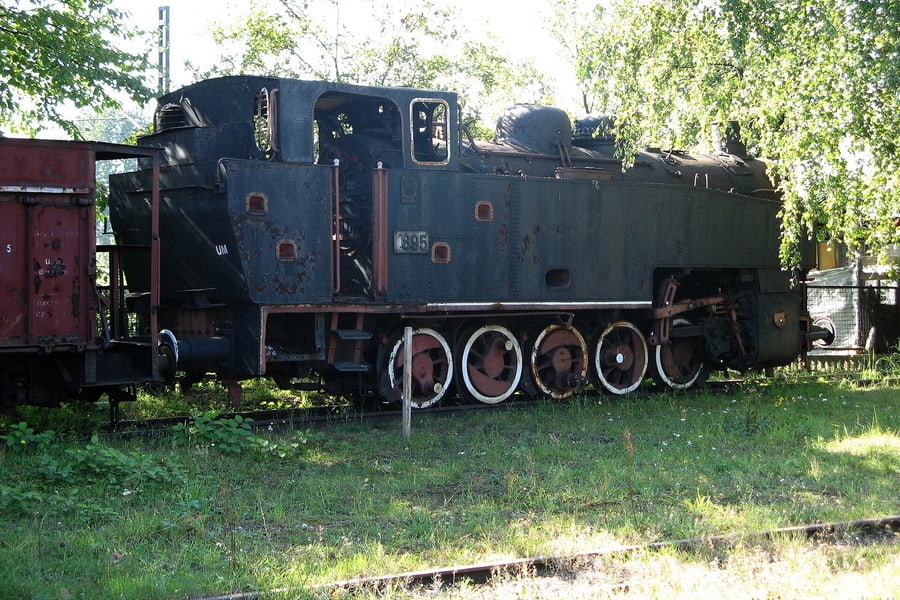
Selected trains are steam-hauled by Ryś (the name means lynx), built in 1950 and numbered 2002 on the cab side as TKb 27. Its cab still carries the name of the Szopienice zinc works in Katowice, where it spent its working life. The association and the city of Bytom bought it in 2019 and had it restored by the end of 2021. It is small, and limited to short trains. The last of the big Tw47 "Bytom" tank engines, built at Chrzanów for this railway and retired in the late 1970s, is being rebuilt at Bytom Karb; it was taken apart in 2024 and its boiler work was funded in October 2026.

Along the route
 Piotr Borowiak / Wikimedia Commons · CC BY-SA 4.0 · cropped
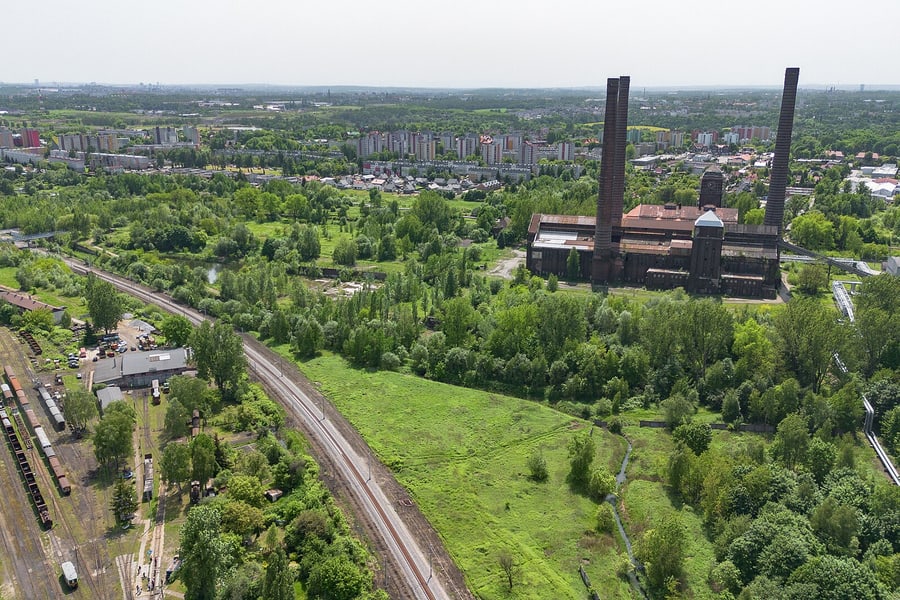
Szombierki
The power station opened in 1920 and its tallest chimney, 120 metres high, dates from 1937. It stopped supplying heat in 2011 and is now a protected monument. A request stop bears its name.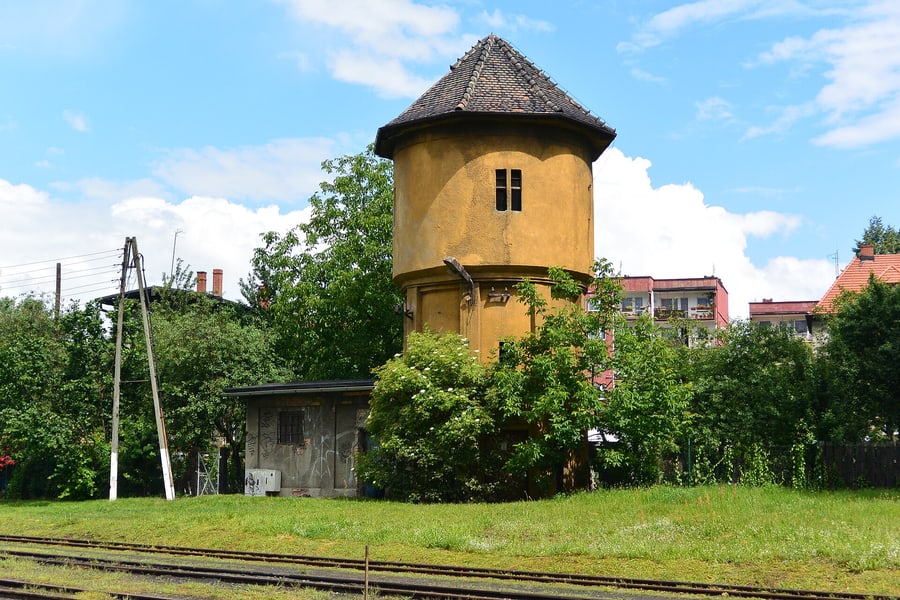 René Mettke / Wikimedia Commons · CC BY-SA 4.0
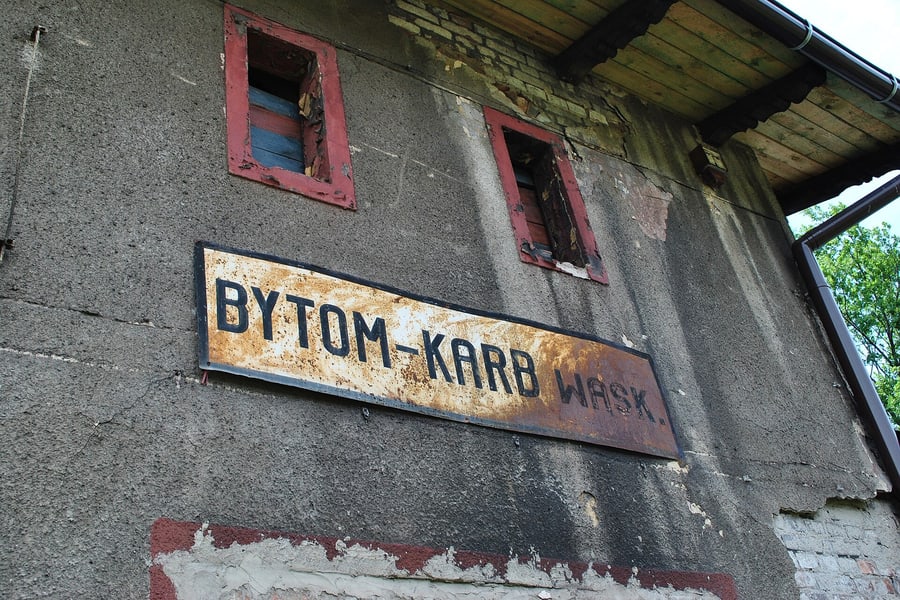
Bytom Karb
The railway's depot, workshops and yard, with a brick shed, a water tower and a signal box the volunteers are bringing back into use. Guides meet trains here on Sundays and holidays in season.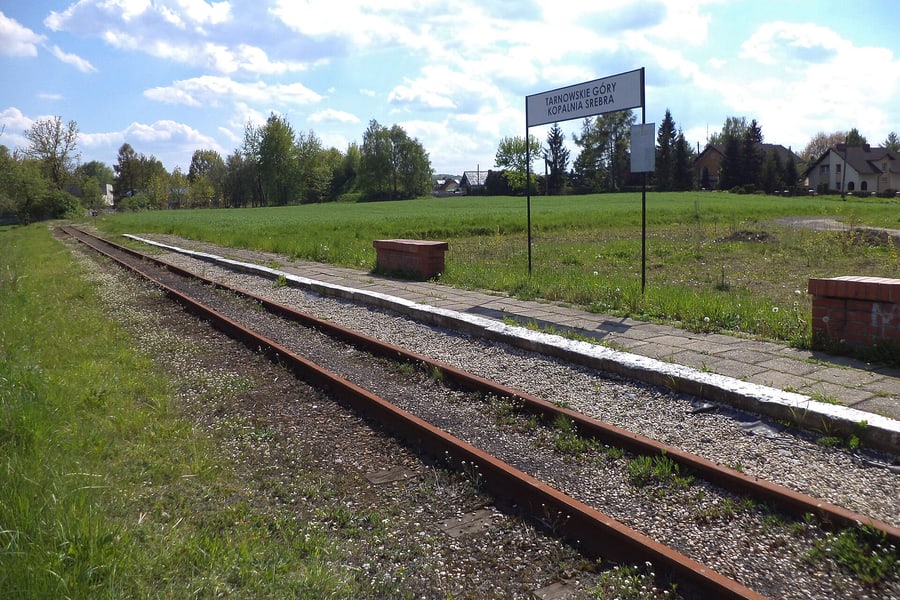 Gabriel Wilk / Wikimedia Commons · CC BY-SA 4.0
Kopalnia Srebra
A single platform in a field, and the stop for the UNESCO-listed silver mine, seven minutes on foot along ul. Staffa. The railway names the mine and the reservoir as what its riders most come for.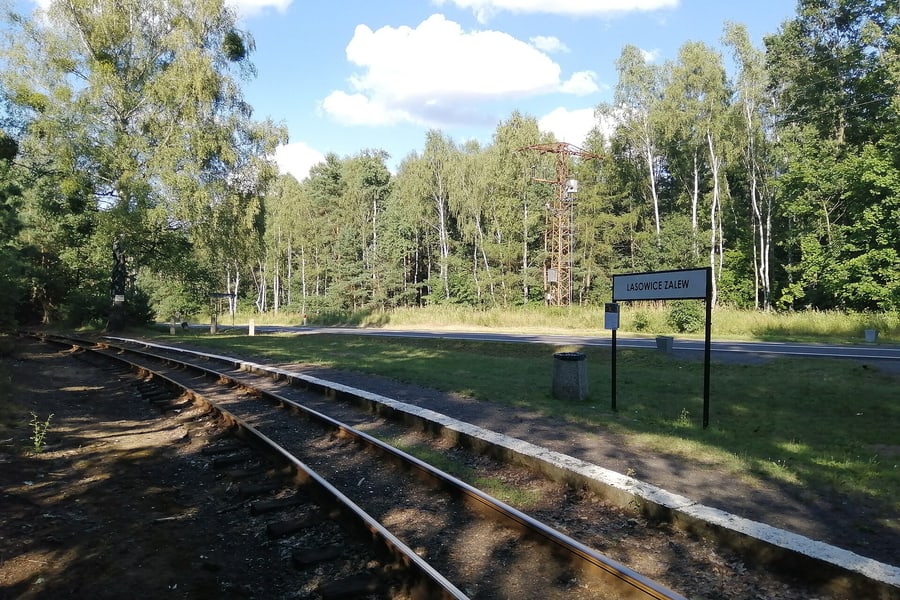 Gabriel Wilk / Wikimedia Commons · CC BY-SA 4.0 · cropped
Lasowice Zalew
Beyond Tarnowskie Góry the line runs through pine and birch woods towards the Nakło-Chechło reservoir. Only summer trains come this far, stopping here and again at Miasteczko Śląskie Zalew.A bit of history
Culture & experiences along the way
 Marek Mróz / Wikimedia Commons · CC BY 4.0
A Sunday at the depot
On Sundays and holidays in the season guides meet the trains at Bytom Karb and lead visitors round the yard and sheds. The Izba Tradycji, a small museum and souvenir shop run by the volunteers, shows the railway's old equipment and keepsakes, and the yard holds one of Poland's larger narrow-gauge collections.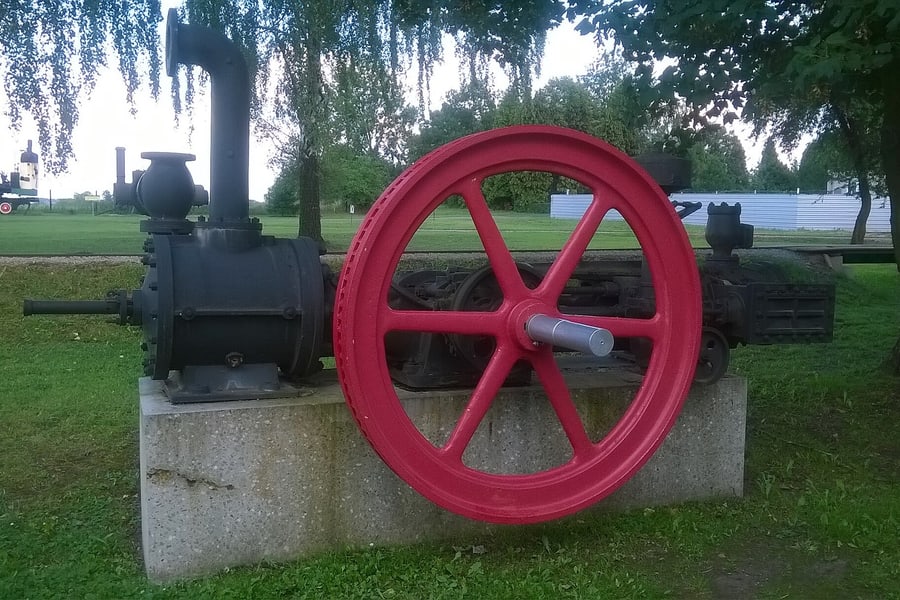 Gabriel Wilk / Wikimedia Commons · CC BY-SA 4.0 · cropped
Steam engines at the mine
Beside the silver mine, a free open-air museum of about 30 steam exhibits fills a hectare of grass: winding engines, a road roller, a railway crane and small locomotives, along with a water wheel from the seventeenth century. It keeps the mine's opening hours and needs no guide.Timetables
The 2026 season ran from 1 May to 25 October. Trains ran on weekends and holidays in spring, between Bytom and Tarnowskie Góry. The whole line to Miasteczko Śląskie was open from 20 June to 13 September, with extra trains on Fridays in July and August. From 27 September to 25 October trains ran on Sundays only, as far as Tarnowskie Góry. Selected trains are hauled by the steam engine.
Summer weekends
| Train | Bytom Wąsk. | Bytom Karb | Kopalnia Srebra | Tarnowskie Góry | Miasteczko Śl. |
|---|---|---|---|---|---|
| 2101 Sat, Sun | 09:00 | 09:10 | 09:40 | 09:45 | 10:10 |
| 2203 Sun only | 10:00 | 10:38 | 10:50 | ||
| 2119 Sat, Sun | 12:00 | 12:10 | 12:40 | 12:45 | 13:10 |
| 2221 Sun only | 13:00 | 13:38 | 13:50 | ||
| 2229 Sun only | 15:30 | 16:08 | 16:20 | ||
| 2133 Sat, Sun | 16:30 | 16:40 | 17:10 | 17:15 | 17:40 |
| Train | Miasteczko Śl. | Tarnowskie Góry | Kopalnia Srebra | Bytom Karb | Bytom Wąsk. |
|---|---|---|---|---|---|
| 2116 Sat, Sun | 10:30 | 10:55 | 11:00 | 11:30 | 11:45 |
| 2218 Sun only | 11:05 | 11:15 | 11:50 | ||
| 2122 Sat, Sun | 13:30 | 13:55 | 14:00 | 14:30 | 14:40 |
| 2224 Sun only | 14:15 | 14:25 | 15:00 | ||
| 2234 Sun only | 16:35 | 16:45 | 17:20 | ||
| 2138 Sat, Sun | 17:50 | 18:15 | 18:20 | 18:50 | 19:00 |
A short working also leaves Bytom Wąskotorowy at 14:45 for Bytom Karb and returns from Karb at 16:10. On summer Fridays the through train left Bytom at 10:45, reached Miasteczko Śląskie at 11:55 and came back at 13:30, reaching Bytom at 14:40. Szombierki Elektrownia and Dąbrowa Miejska are request stops. Bicycles are not carried on the short Bytom Karb to Tarnowskie Góry trains.
Times are the operator's summer 2025 timetable, the last full one we could read. The operator adjusted some 2026 departures and has since taken that timetable down, so treat these as the pattern. As of November 2026 scheduled trains have ended for the year and the 2027 timetable (opens in a new tab) is not yet published. A New Year's Eve special is planned. The railway answers on +48 666 904 142, in English on +44 7907 766 712.
Getting to Bytom
Bytom Wąskotorowy is next to Bytom's main station, served by Koleje Śląskie lines S8 and S18, and the narrow-gauge trains to and from it are timed to connect with them. Bytom Karb is at the end of ul. Reja.
Tickets
Tickets are bought on board from the train crew; the railway has no advance or online sale for scheduled trains. Fares go by zone: the whole line costs 32 zł one way, either half 27 zł, and the short hops into Bytom or Tarnowskie Góry 10 zł. Children under 4 travel free, and statutory Polish reductions apply on production of the usual documents.
Adults travelling with a child under 7 or a student pay 15% less. From the railway's fare page, as of November 2026. Special events have their own prices.
Book your tickets
The whole line
Bytom to Miasteczko Śląskie or the reservoir · 32 zł one way
Zones A and B together, sold on board from the train crew.
via Górnośląskie Koleje WąskotoroweHalf the line
Bytom to Kopalnia Srebra, or Miasteczko to Tarnowskie Góry · 27 zł one way
One zone, enough for Bytom to the silver mine or for the northern woods.
via Górnośląskie Koleje WąskotoroweShort hop
Bytom centre to Bytom Karb, or Tarnowskie Góry to the mine · 10 zł one way
Zone 0, the fare to reach the depot from the centre of Bytom.
via Górnośląskie Koleje WąskotoroweCharter a train
From 2,400 zł for up to 60 people · steam engine 4,500 zł extra
Any day and time, on any part of the line, booked through wynajem@sgkw.eu.
Book Tickets (opens in a new tab, on Górnośląskie Koleje Wąskotorowe)via Górnośląskie Koleje WąskotoroweRail Passes
No rail pass covers this railway. Interrail's table of railway companies lists PKP Intercity, POLREGIO and the regional operators for Poland, and no narrow-gauge line. Everyone pays the fare on board.
A pass can get you to the start. Koleje Śląskie regional trains to Bytom are covered by a Global Pass or a Poland Pass, with no reservation needed.
For this trip alone a pass is not worth buying: the whole line costs 32 zł. It pays only as part of a longer journey through Poland or beyond.
Checked November 2026 against Interrail's table of railway companies (opens in a new tab), last updated 21 October 2026, and the railway's fares (opens in a new tab).
Places to Visit
The railway was built for this region's industry, and much of what is worth stopping for was left behind by it: a silver mine, a drowned sand pit, and two old market towns at either end of the ride.
 Marek Mróz / Wikimedia Commons · CC BY 4.0
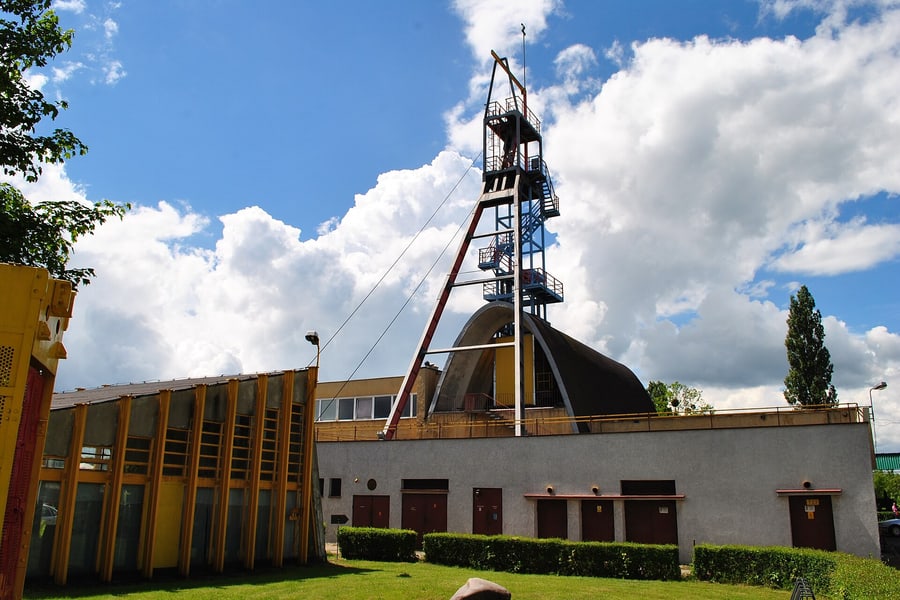
The Historic Silver Mine
The underground route runs 1,740 metres between three old shafts, past workings of the late eighteenth and early nineteenth centuries, and 270 metres of it are by boat along a flooded gallery. It takes two hours at a constant 10°C and costs 84 zł. The mine and its water system were added to the UNESCO list on 9 July 2017.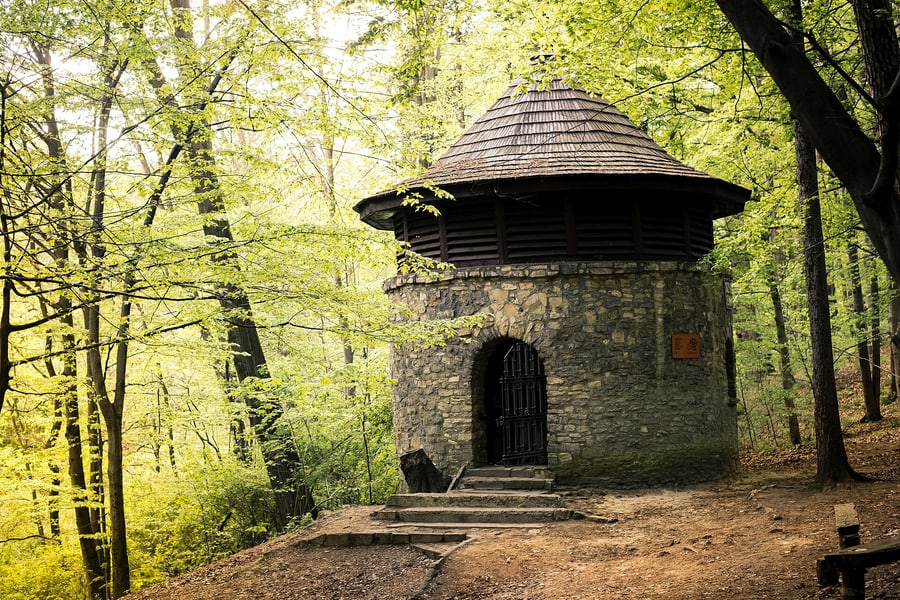 Stowarzyszenie Miłośników Ziemi Tarnogórskiej / Wikimedia Commons · CC BY-SA 4.0
The Black Trout Adit
A drainage tunnel dug between 1821 and 1834, 20 to 30 metres down and between 1.2 and 2.5 metres wide. Visitors go down one of two shafts, Ewa or Sylwester, under their shingled roofs, and travel 600 metres by boat. Part of the same World Heritage site, it has been open to tourists since 1957 and takes about an hour.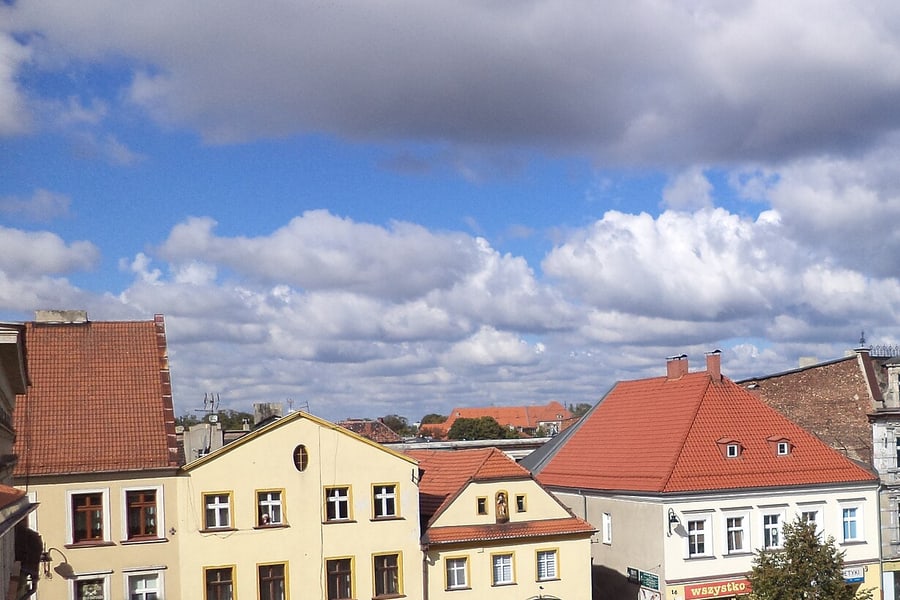 Gabriel Wilk / Wikimedia Commons · CC BY-SA 4.0 · cropped
Tarnowskie Góry market square
A trapezoidal square laid out as the mining town grew, with arcaded sixteenth-century houses along its western side and the Sedlaczek house, now the town museum. The town hall went up in 1896–98. Every September since 1957 the square has filled for Gwarki, the town's festival of its miners.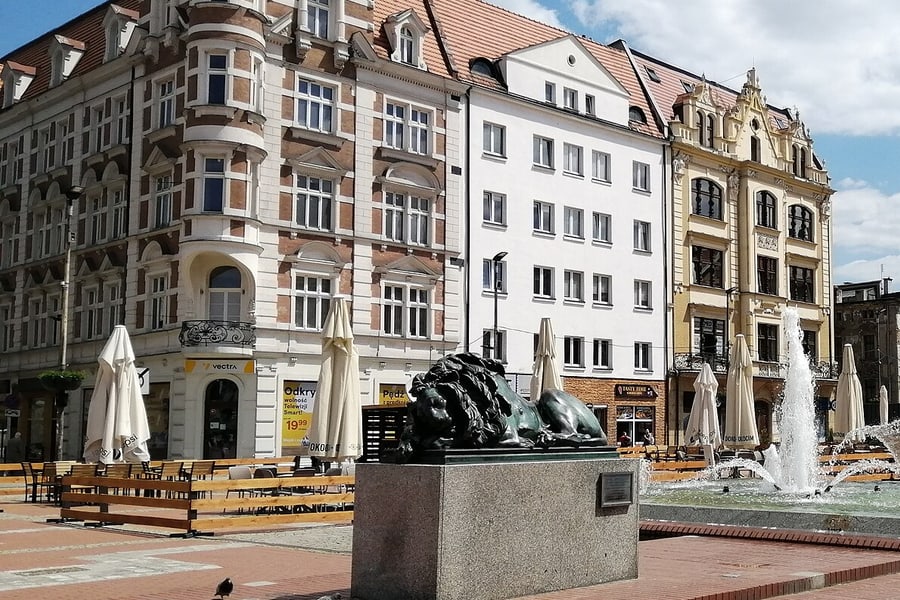 Gabriel Wilk / Wikimedia Commons · CC BY-SA 4.0 · cropped
Bytom's market square
Bytom received its charter in 1254, and after the Second World War the badly damaged western side of its square was cleared, leaving it about twice its medieval size. Theodor Kalide's Sleeping Lion of 1824 stands in the middle. The Silesian Opera has been based in the city since 1945.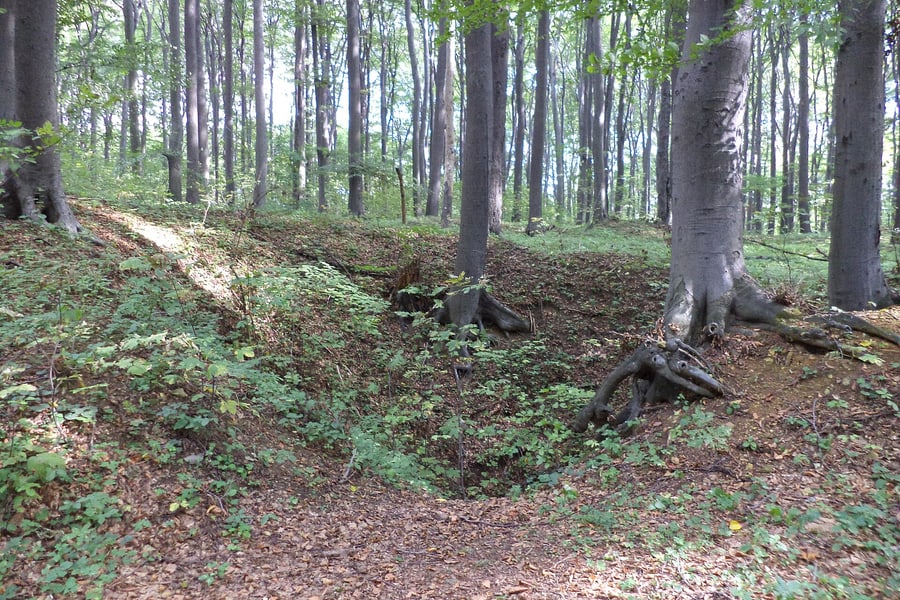 Gabriel Wilk / Wikimedia Commons · CC BY-SA 4.0 · cropped
Segiet
A nature reserve since 1953, 92 hectares of old beech on Srebrna Góra, the Silver Mountain, 347 metres high. The trees, up to 40 metres tall, grow out of the hollows and subsidence left by centuries of lead and silver mining, and the post-mining landscape is part of the World Heritage listing.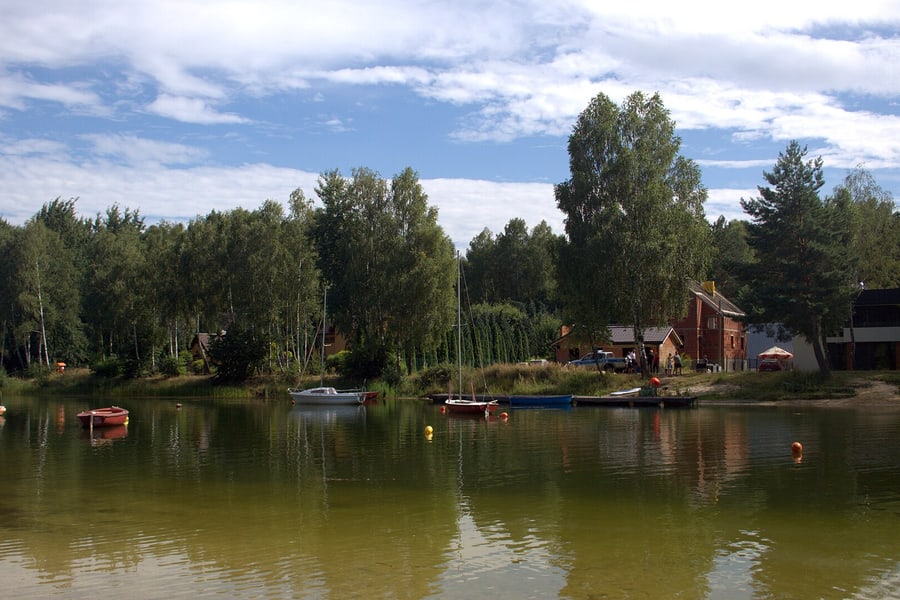 Przykuta / Wikimedia Commons · CC BY-SA 3.0 · cropped
The Nakło-Chechło reservoir
A flooded sand pit: the sand was dug to backfill the region's coal mines, and when the pumps stopped, groundwater took over. It opened for recreation on 27 June 1970 and now covers about 90 hectares, with bathing, boat rental, campsites and paths around the shore.Where to Sleep
Tarnowskie Góry is the handier base for the mine and the northern half of the line; Bytom suits the first train out of the depot.
Where to stay
Hotel Opera
Centre of Tarnowskie Góry
Twenty-seven rooms in the middle of the town, with a restaurant, a lift and top-floor rooms looking over the rooftops.
Check Availability (opens in a new tab, on operahotel.pl)via operahotel.plB&B HOTEL Bytom
Strzelców Bytomskich, Bytom
A chain hotel in Bytom with a 24-hour reception, a breakfast buffet and paid parking.
Check Availability (opens in a new tab, on hotel-bb.com)via hotel-bb.comQuestions or corrections
Planning this trip and stuck on something, or spotted a time, fare or detail that has changed? Send us a message about The Upper Silesian Narrow Gauge Railway. We read every one, and we update this page when something has changed.