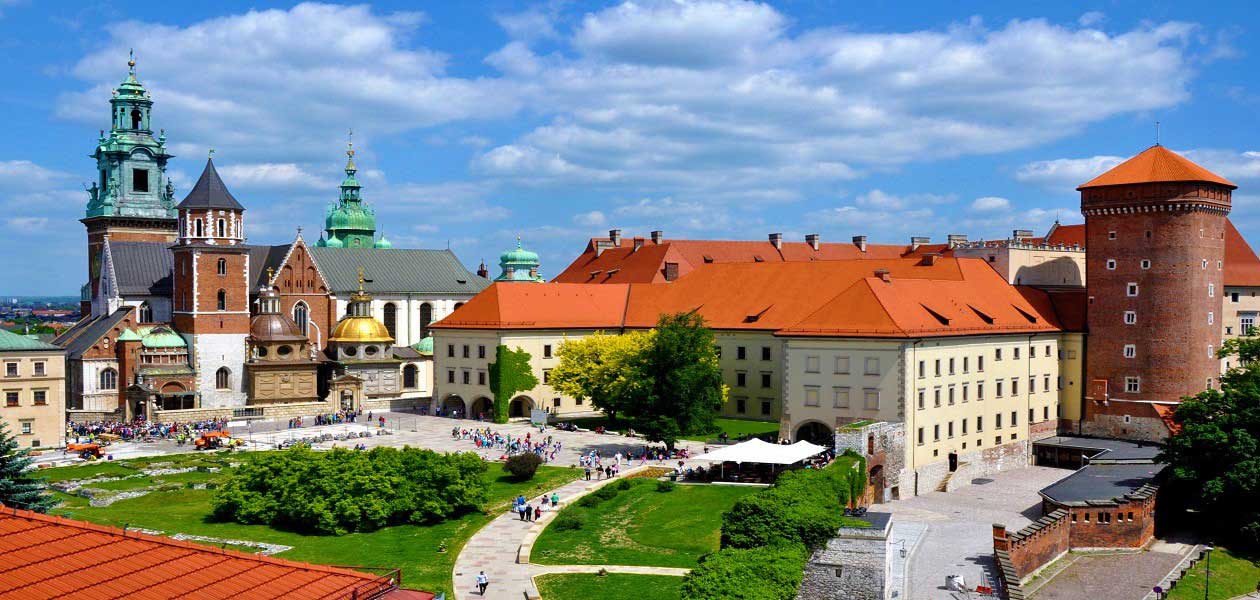
Poland
Ingo Mehling / Wikimedia Commons · CC BY-SA 4.0 · cropped

In a small town in Wielkopolska there is a working roundhouse, a turntable, a coaling stage and a steam locomotive that takes an ordinary timetabled passenger train out at twenty-eight minutes past two every weekday afternoon. Wolsztyn is widely described as the last place in Europe where that is still true — and it very nearly stopped being true, resuming only in March 2026 and resting on a single serviceable engine.
At the other end of the country the line into the Tatras carries a different kind of ghost. In 1936 a streamlined railcar called the Luxtorpeda ran Kraków to Zakopane in two hours eighteen. Poland took eighty-eight years to beat that, and beat it by one minute. The weekend train that carries the name today is half an hour slower.
Rail journeys in Poland
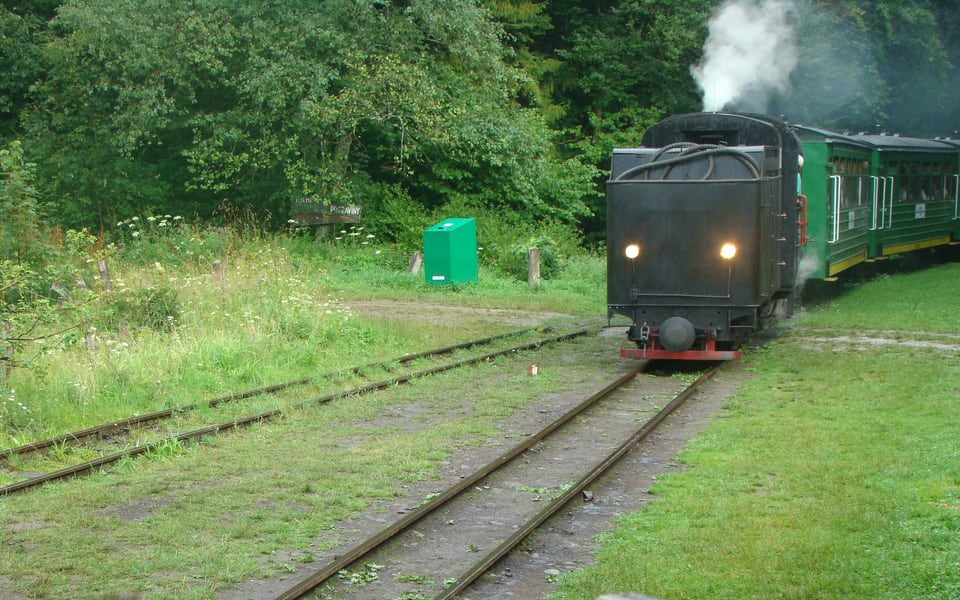
The Bieszczady Forest Railway
Nine kilometres through Carpathian forest to Balnica, a village emptied in 1947 that still has a station and no road for visitors.
View journey →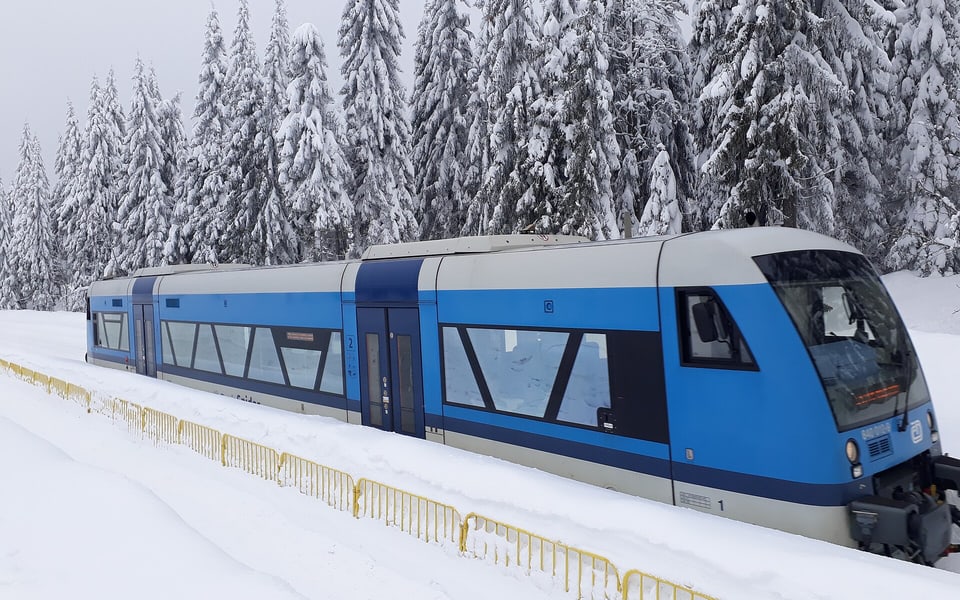
The Izera Railway
A mountain line to Harrachov, whose station was Polish until a 1958 border swap, by way of the highest passenger stop in Poland.
View journey →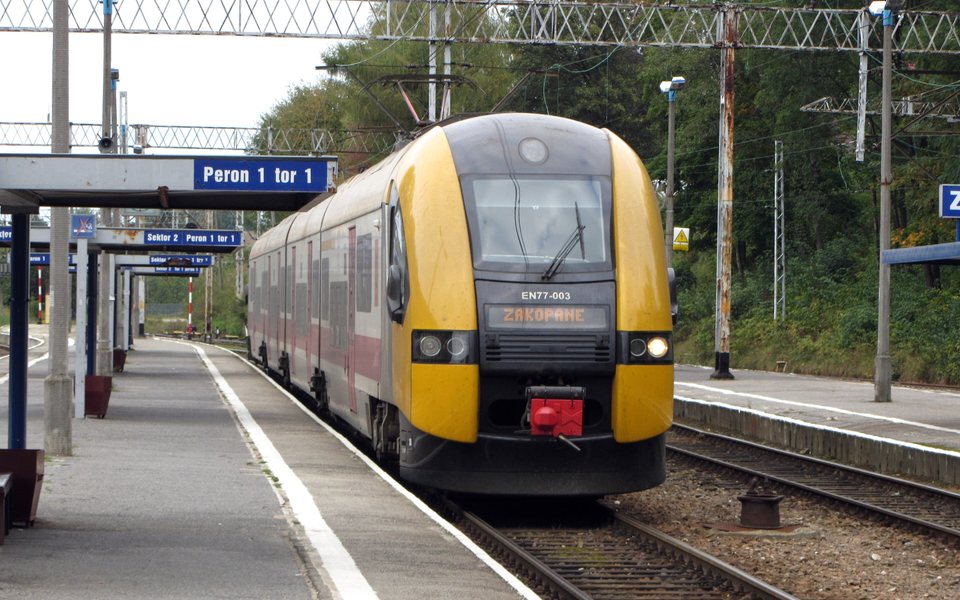
Kraków to Zakopane
In 1936 a streamlined railcar ran this line in two hours eighteen. It took eighty-eight years to beat that — by one minute. The weekend train is slower.
View journey →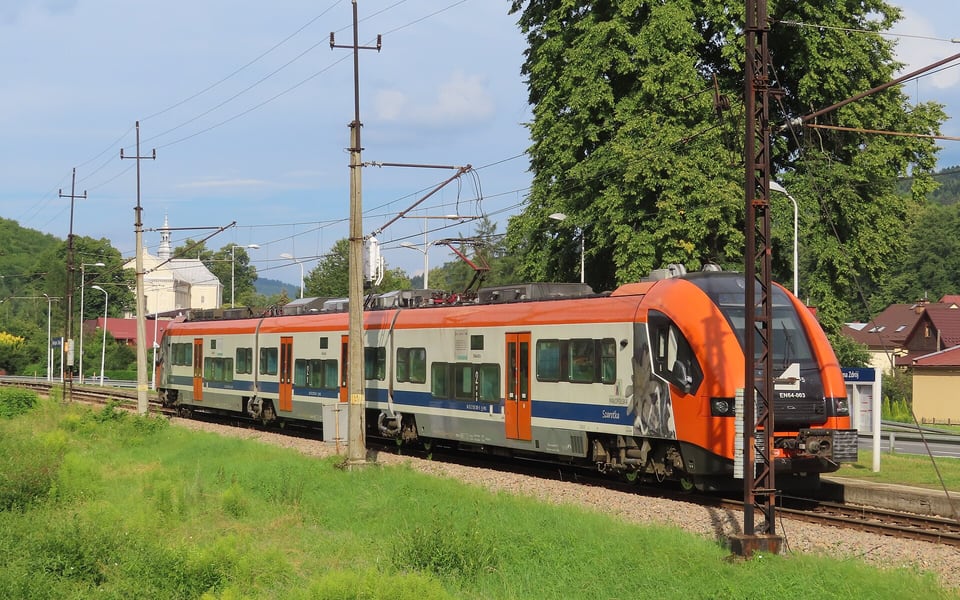
The Krynica Line
A Carpathian line whose stations were drawn by a painter riding without a ticket, put off by conductors. A train on it now bears his name.
View journey →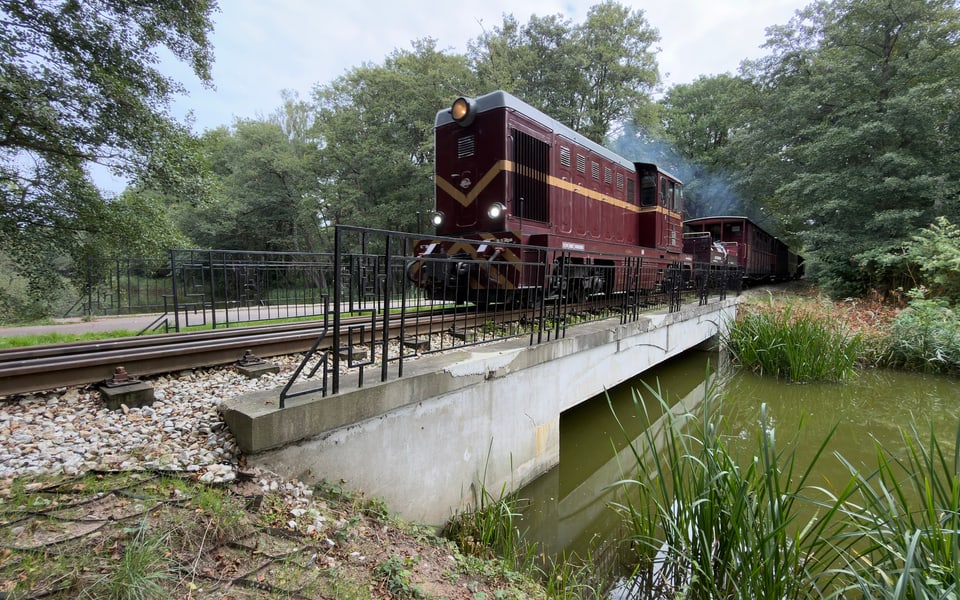
The Seaside Narrow Gauge Railway
A metre-gauge line to the Baltic cliffs that the state set out to sell. One offer came from Kenya; a seaside commune of under 3,500 people kept it.
View journey →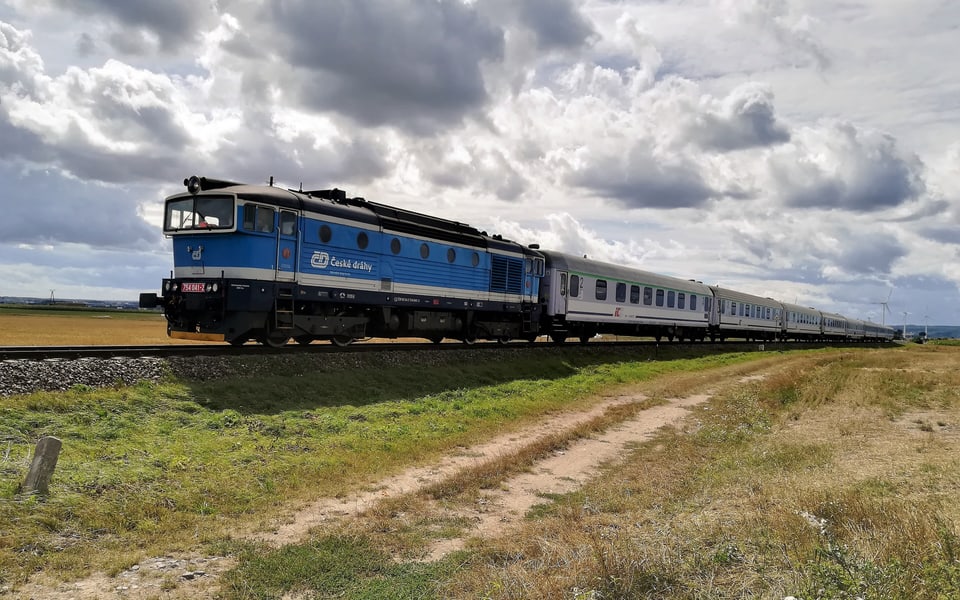
The Hel Peninsula Railway
A train down a Baltic sand spit under 200 metres wide at its narrowest, on a shore kept in place by millions of cubic metres of pumped-in sand.
View journey →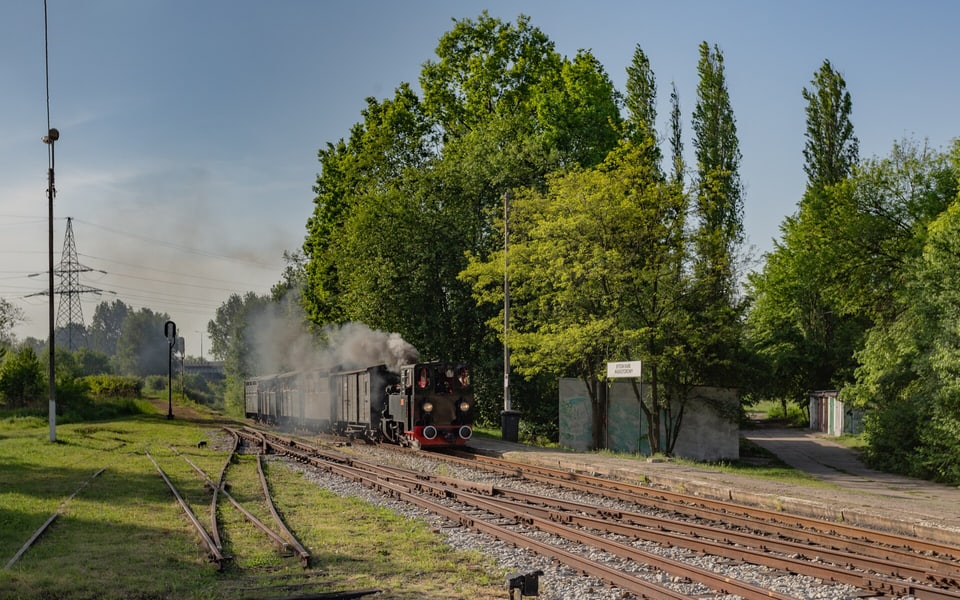
The Upper Silesian Narrow Gauge Railway
Built in 1853 to move coal and ore, this 785 mm railway took up summer passengers only in 1993. Now they are all it carries.
View journey →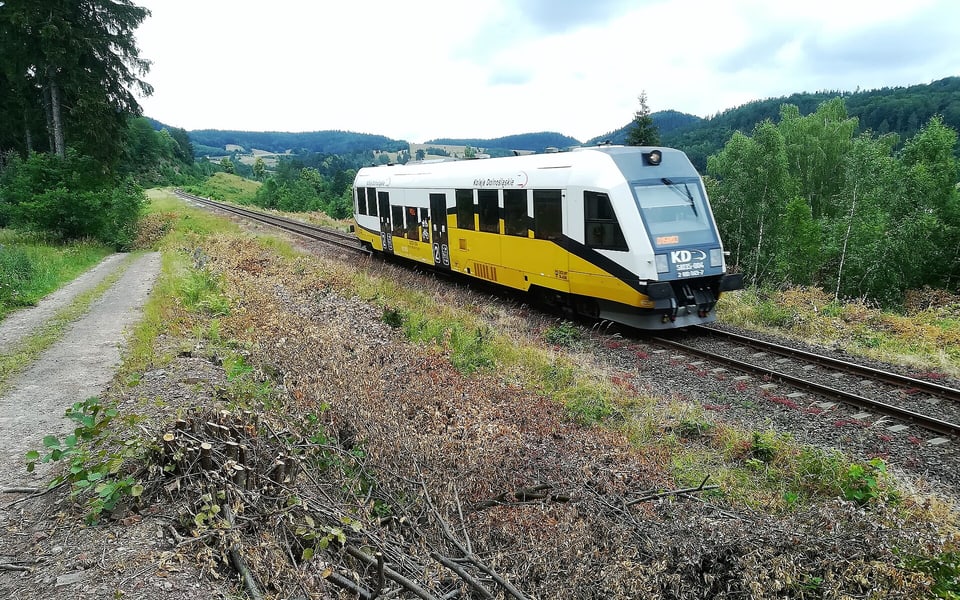
The Wałbrzych–Kłodzko Railway
A Sudeten line where two signalmen saved one viaduct in May 1945 and another was blown up, and the track still shows which was which.
View journey →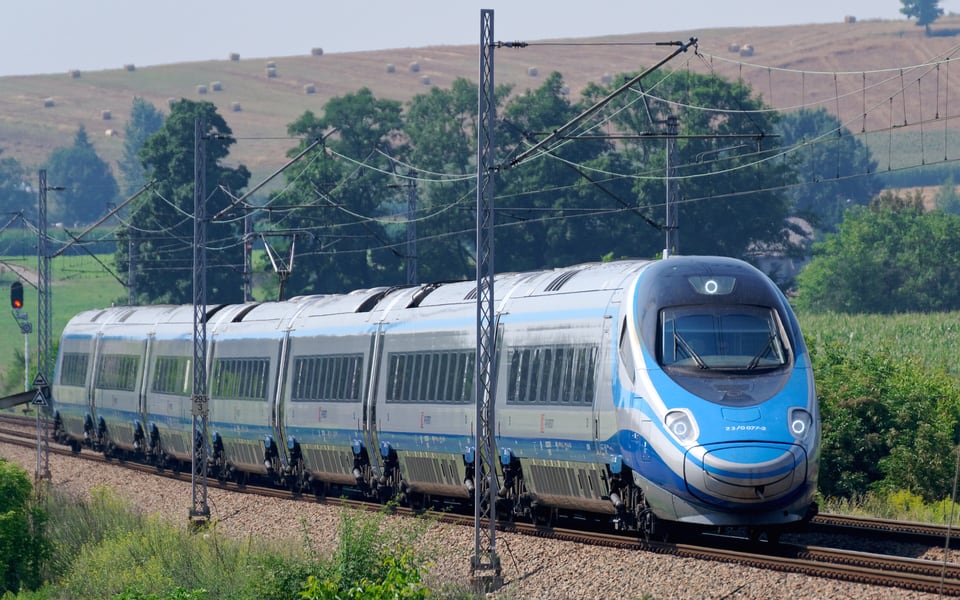
The Central Trunk Line
Warsaw to Kraków on a line designed in the 1970s for 250 km/h. No timetabled train has reached that yet, and the Pendolino is held to 160.
View journey →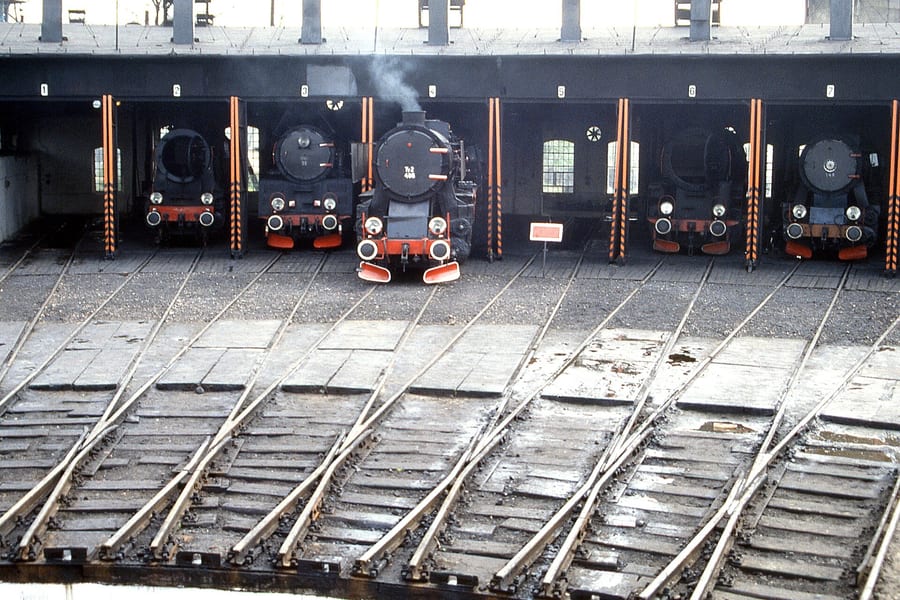
Wolsztyn · Scheduled Steam
An ordinary timetabled passenger train that local people use to get to work, hauled by a 1940s Mikado — widely called the last of its kind in Europe.
View journey →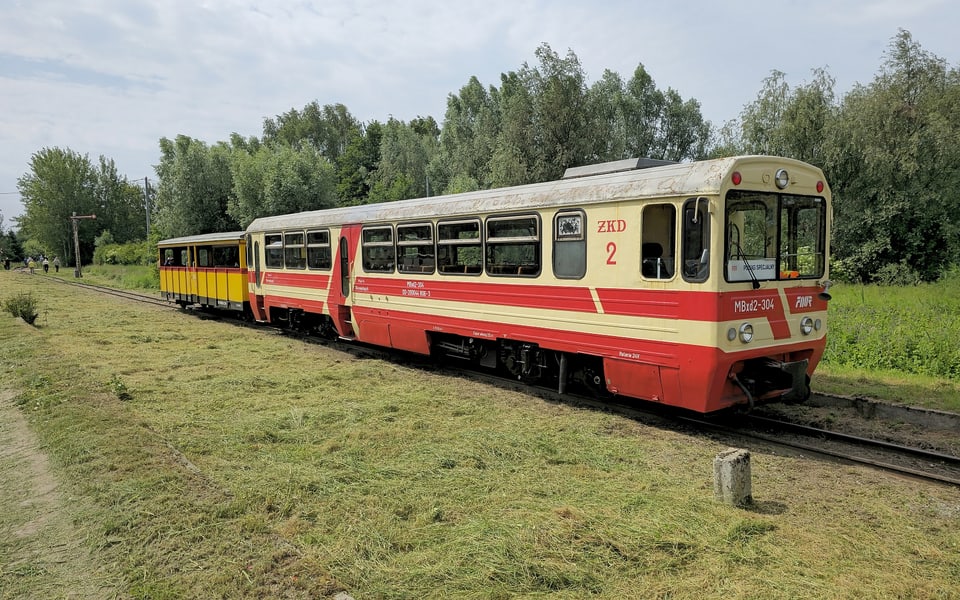
The Żuławy Narrow Gauge Railway
A narrow-gauge line to the Baltic over a hand-turned bridge of 1906. The timetable gives the boats nearly all day and the train 85 minutes.
View journey →Good to know
What are Poland's best rail journeys?
Two, and they could hardly be less alike. Wolsztyn runs scheduled steam-hauled passenger trains in the ordinary public timetable — a weekday round trip to Zbąszynek and a Saturday run to Poznań — at ordinary fares, with no supplement. Kraków to Zakopane is the line into the Tatras, whose weekend regional service is named after the 1936 Luxtorpeda and takes the long, beautiful way through the Beskids for 25 złoty.
Is the Wolsztyn steam service really still running?
Yes — but only since 9 March 2026, and it is fragile. The depot has been in what the railway press calls a serious crisis since the Wolsztyn Experience ended in mid-2023, and the service currently depends on one working main-line locomotive, the 2-8-2 Pt47-65, which had been under overhaul for over six months. A second engine, Ol49-69, has a new boiler but no announced return date. Confirm before you travel — this has stopped and restarted before.
Did anyone ever beat the Luxtorpeda's 1936 record?
Eventually. The Luxtorpeda railcar covered the 147 km from Kraków to Zakopane in 2 hours 18 minutes in 1936 — though on a test run with no passengers that stopped nowhere, which was never a fair comparison. PKP tried and failed once, arriving three minutes late. Then in March 2024 the Ekspres "Tatry" managed 2 hours 17, inside the old mark by a single minute after eighty-eight years. The regional train that carries the name today takes 2 h 48.
When should I go?
For steam, go in February — cold air makes the exhaust stand up in a solid white column, which is why the enthusiasts come then — or in spring for the annual Wolsztyn gala. For the Tatras, September is the best month: warm, clear and quiet. Zakopane's ski season runs from December to March and fills both the town and the trains. Whatever you choose, check the Wolsztyn service is running before you build a trip around it.