Tunisia
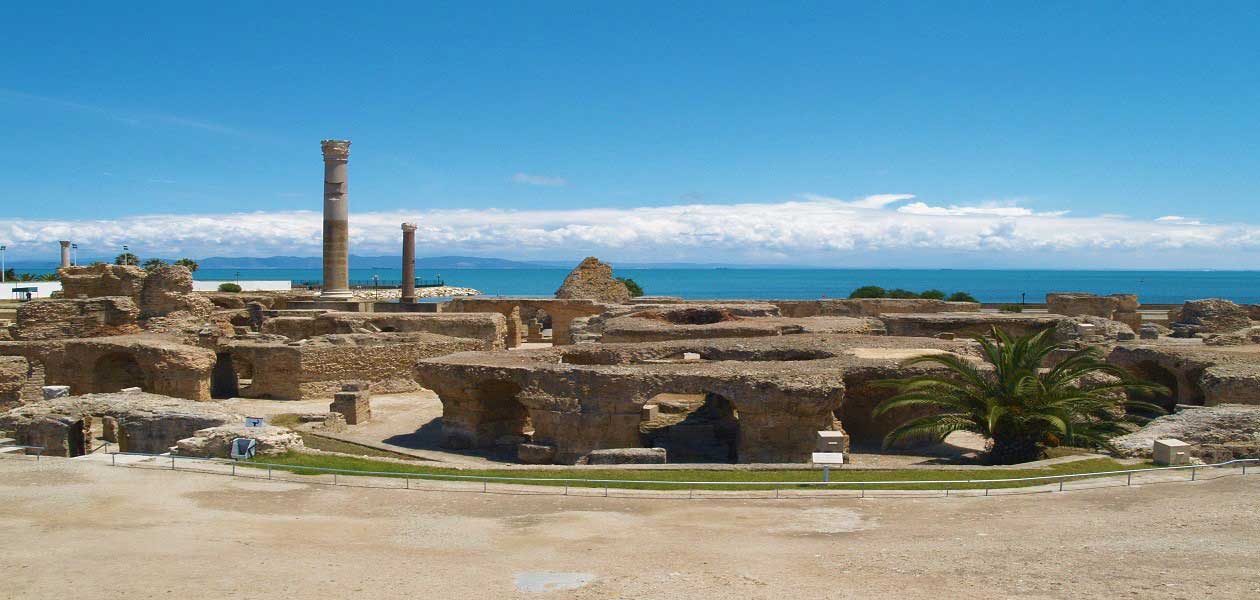
Tunisia has one of the oldest railway networks in Africa and one of the least known. The first line opened in 1872, nearly a decade before France declared its protectorate, running from the edge of the Tunis medina out past ancient Carthage to the sea — and it is still running today, every ten minutes, as an ordinary commuter railway.
Everything else was built for minerals. When a French geologist found phosphate in the southern hills in 1885, the company granted the deposits was obliged to build a railway to the coast to move them, and the whole southern network — 1,688 kilometres of metre gauge, against 471 kilometres of standard gauge in the north — grew out of that bargain. It is why a train can take you from the Mediterranean to the edge of the Sahara in a day, and why a canyon with no road has a railway line running through the bottom of it.
Rail journeys in Tunisia
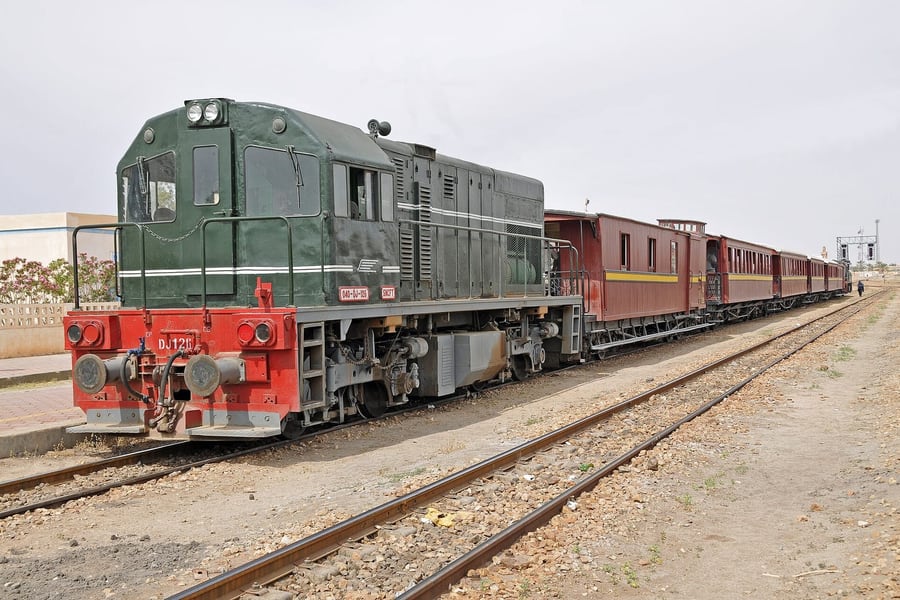
The Lézard Rouge
A carriage built in 1910 for the Bey of Tunis, painted royal red and sent each morning into a gorge that has no road — only a railway, and phosphate.
View journey →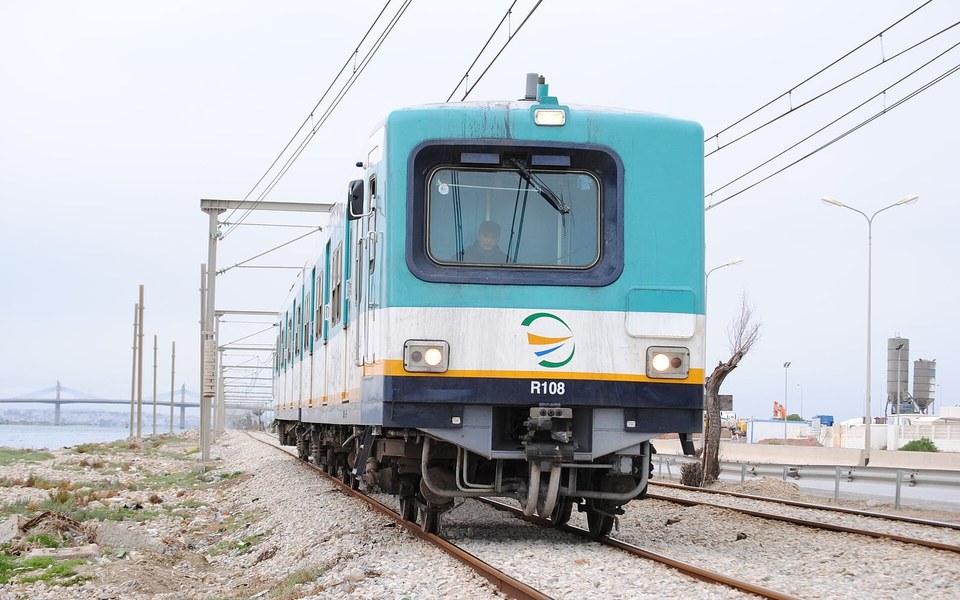
The TGM · Tunis to Carthage
Nineteen kilometres of electric railway from the Tunis medina to the beaches, calling at five stations inside ancient Carthage on the way.
View journey →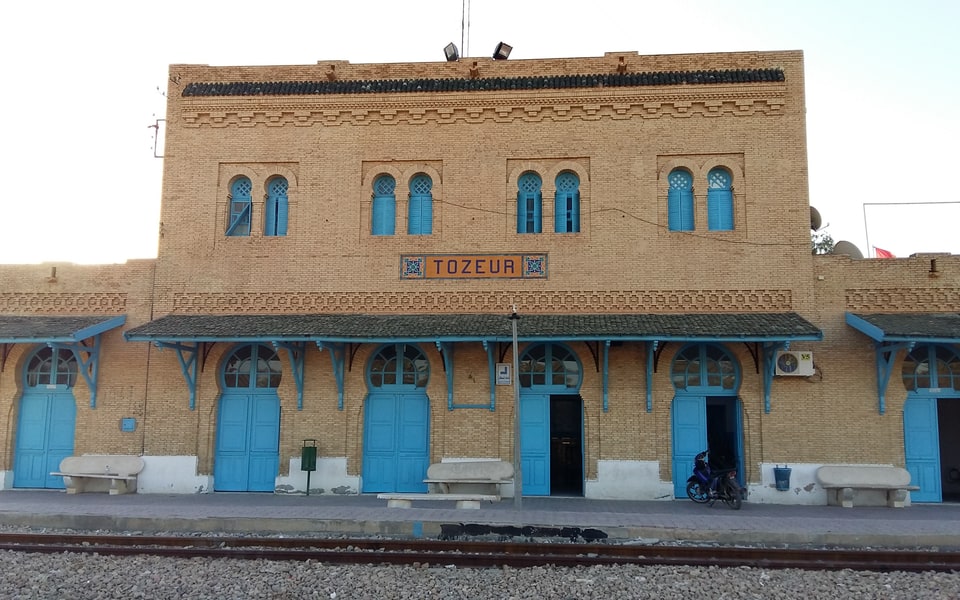
Tunis to Tozeur
Eleven hours on one train, from the Mediterranean to the edge of the Sahara — past the greatest Roman amphitheatre in Africa and into the date palms.
View journey →Good to know
What are Tunisia's best rail journeys?
Three, and they could hardly be more different. The Lézard Rouge takes a carriage built in 1910 for the Bey of Tunis into the Selja Gorge, a canyon in the deep south that has no road through it. Tunis to Tozeur is an eleven-hour run on a single daily train from the Mediterranean coast to a Saharan oasis, calling at the great Roman amphitheatre of El Jem on the way. And the TGM is a nineteen-kilometre electric commuter line that happens to have five stations inside ancient Carthage.
Is Tunisia easy to explore by train?
Partly. The coastal corridor from Tunis through Sousse and Sfax to Gabès is well served, with several trains a day, and the suburban lines around Tunis are frequent and very cheap. Beyond that the network thins fast: the run to Tozeur is one train each way per day, and many towns have no passenger service at all because the southern lines exist mainly to carry phosphate. For anywhere off the main line, Tunisians use the louage — the shared long-distance taxi — and so should you.
How do I book Tunisian trains, and what do they cost?
Buy at the station window. SNCFT runs the national network and Transtu the Tunis suburban lines, and neither has meaningful online booking for foreign cards. Fares are very low by international standards — crossing the entire country costs a fraction of the European equivalent — but book a day ahead for the long southern run in summer or around public holidays, because there is only one train. The dinar is a closed currency: you cannot buy it before you arrive or take it out, so change money on arrival and carry cash.
When is the best time to travel by train in Tunisia?
October to April. Spring and autumn are close to perfect on the coast and comfortable inland. Summer in the interior and the south is genuinely punishing — the trains are not all air-conditioned, the run to Tozeur takes eleven hours, and there is no restaurant car, so carry far more water than you think you need. Winter is fine for the ruins and the medinas, though desert nights get cold. Note that the Lézard Rouge has historically run only in the summer months and has a long record of suspensions — confirm it with SNCFT before travelling south for it.