The Banovići Steam Railway
Herbert Ortner / Wikimedia Commons · CC BY 4.0
- DistanceBanovići–Oskova · about 12 km
- DurationAbout an hour; visits by arrangement
- Best seasonSummer (tourist rides run; steam charters)
Introduction
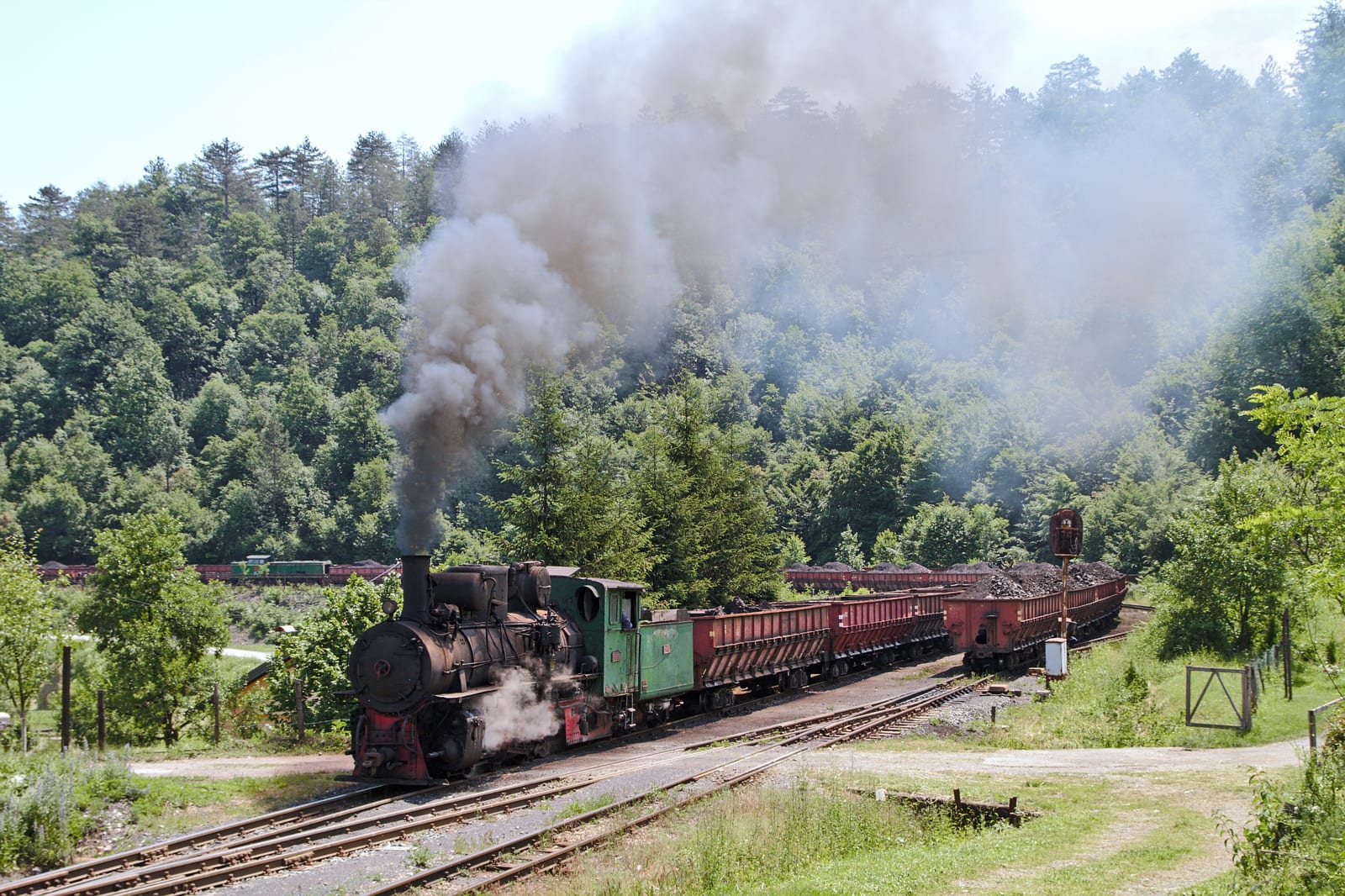
Steam railways survive all over the world — as museums, as heritage lines, as carefully preserved memories of a vanished age. Banovići is something rarer and stranger: a place where the age never quite ended. In this coal town in the hills of north-eastern Bosnia, genuine steam locomotives still go to work every day, shunting wagons of black lignite on a narrow-gauge line, doing the same dirty, thunderous job they were built for a hundred years ago.
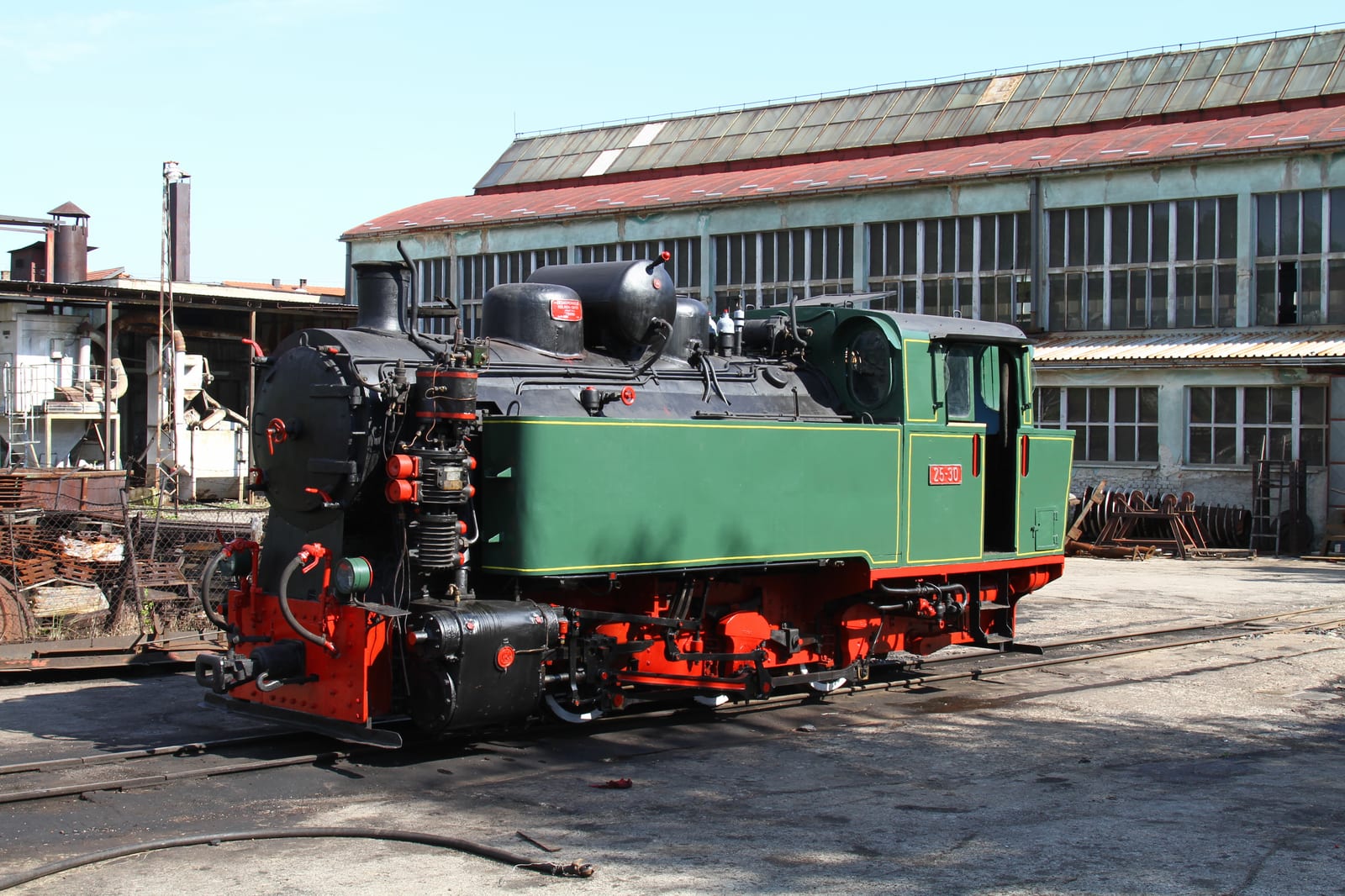
The engines are the point. They run on the slender 760 mm "Bosnian gauge", and among them are wartime class 83 "Kriegsloks" and — most remarkable of all — a locomotive built in 1925, restored and still steaming, widely reckoned to be the last of its kind working anywhere in the world. To stand beside it as it clanks and hisses through the coal yard is to touch the living end of the entire steam era.
Bosnia was once laced with these little lines, and the country loved them enough to give their trains a nickname — "Ćiro". Almost all of that network is gone; the most romantic route of all, from Mostar down to Dubrovnik, is now a cycling trail. Banovići is where the real thing still turns a wheel, which is why railway enthusiasts make the pilgrimage here from across the globe.
Know what this is before you come: Banovići is a working industrial coal railway, not a polished tourist attraction. In summer the mine welcomes visitors and offers rides, and specialist operators run steam charters for photographers — but there is no glossy visitor centre and no fixed public timetable. Arrange a visit ahead, and take it on its own rough, magnificent terms.
The Journey
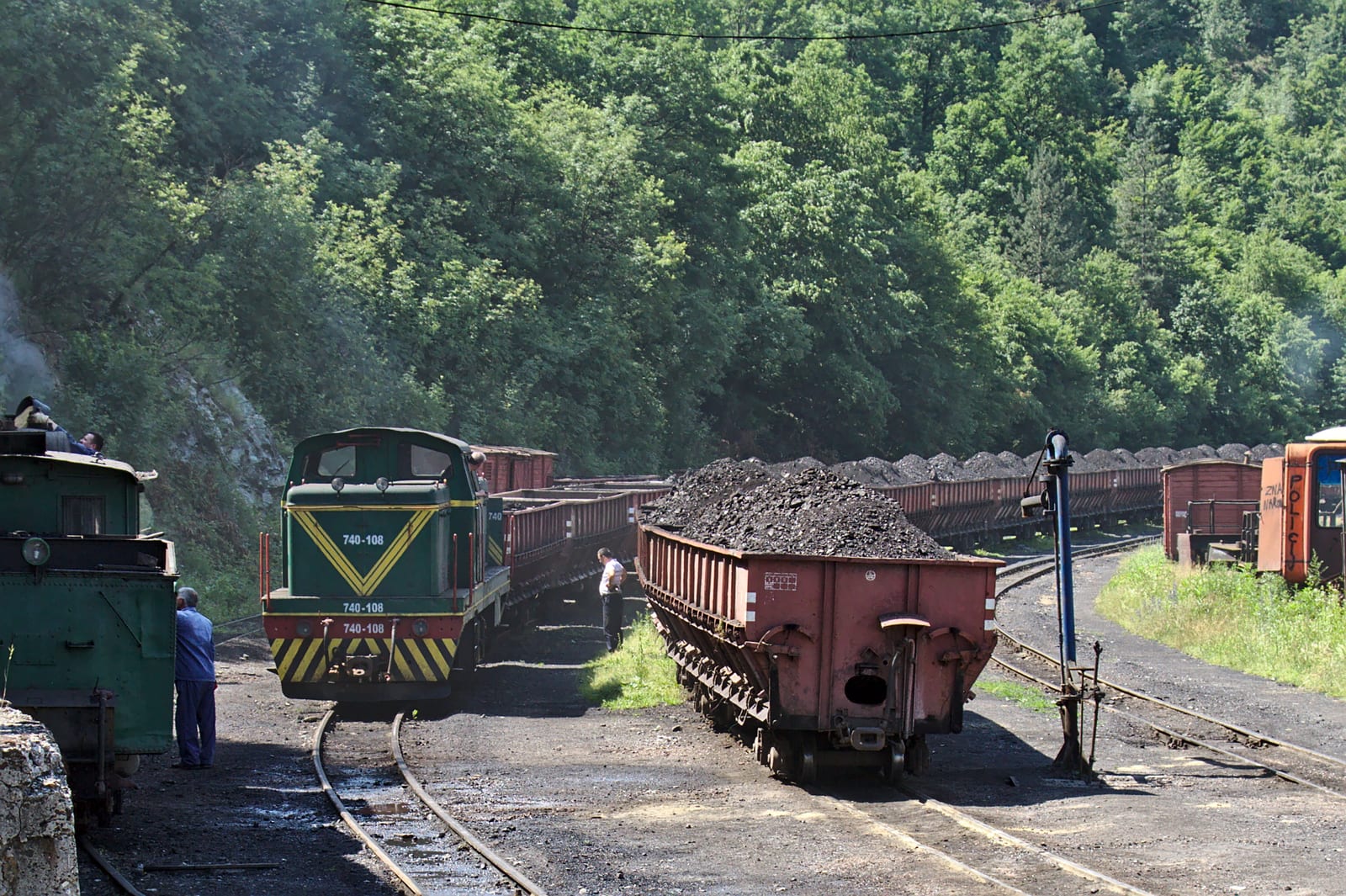
The setting is not pretty in the conventional sense, and that is part of the honesty of the place. Banovići exists because of coal, and the railway exists to move it: a 760 mm narrow-gauge line running some twelve kilometres from the mine down to the yard and washery at Oskova, where the lignite is cleaned and tipped into standard-gauge wagons for the outside world. Pit-head gear, spoil heaps, sidings full of coal — this is a landscape of work, threaded through green Bosnian hills.
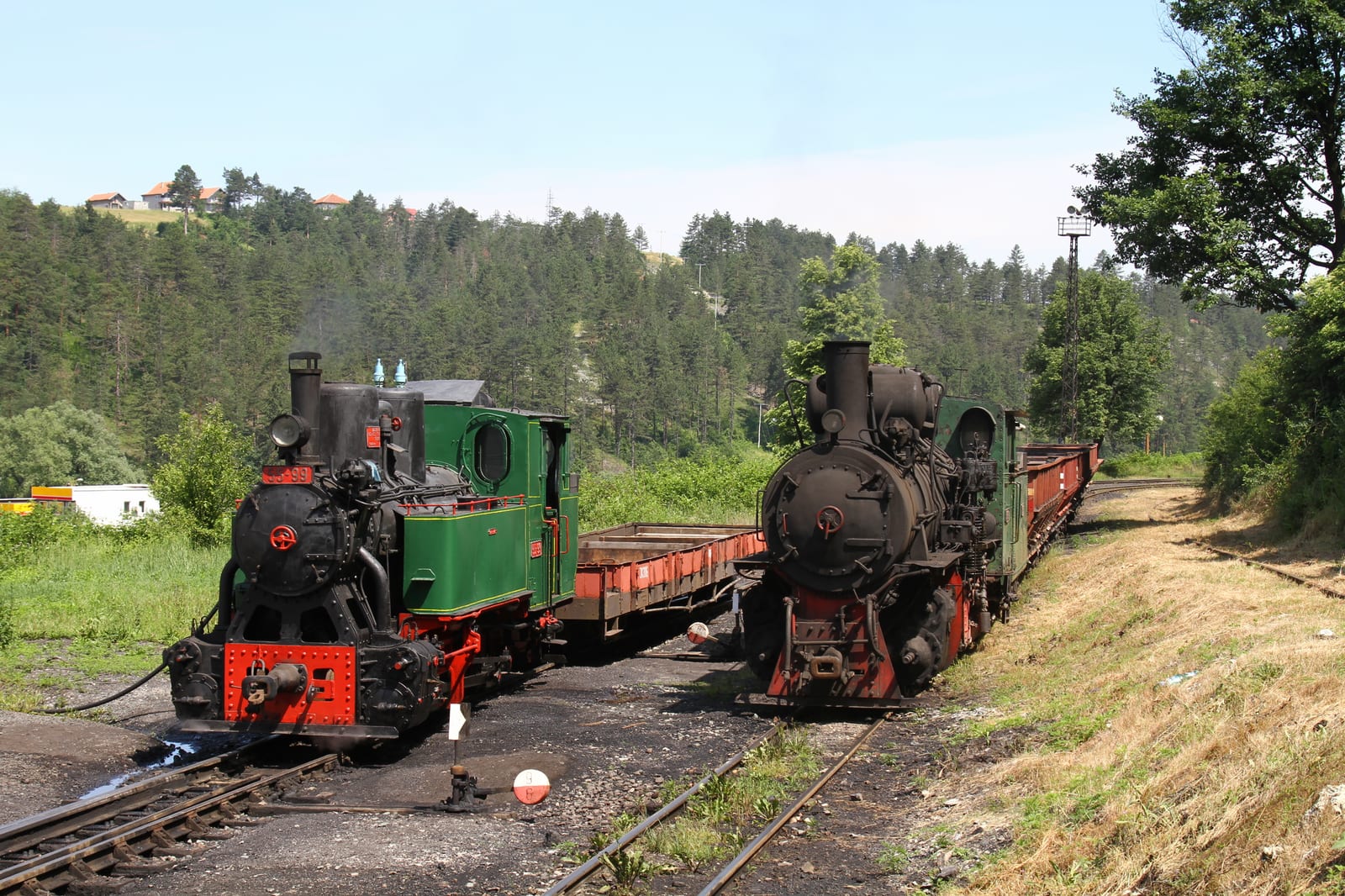
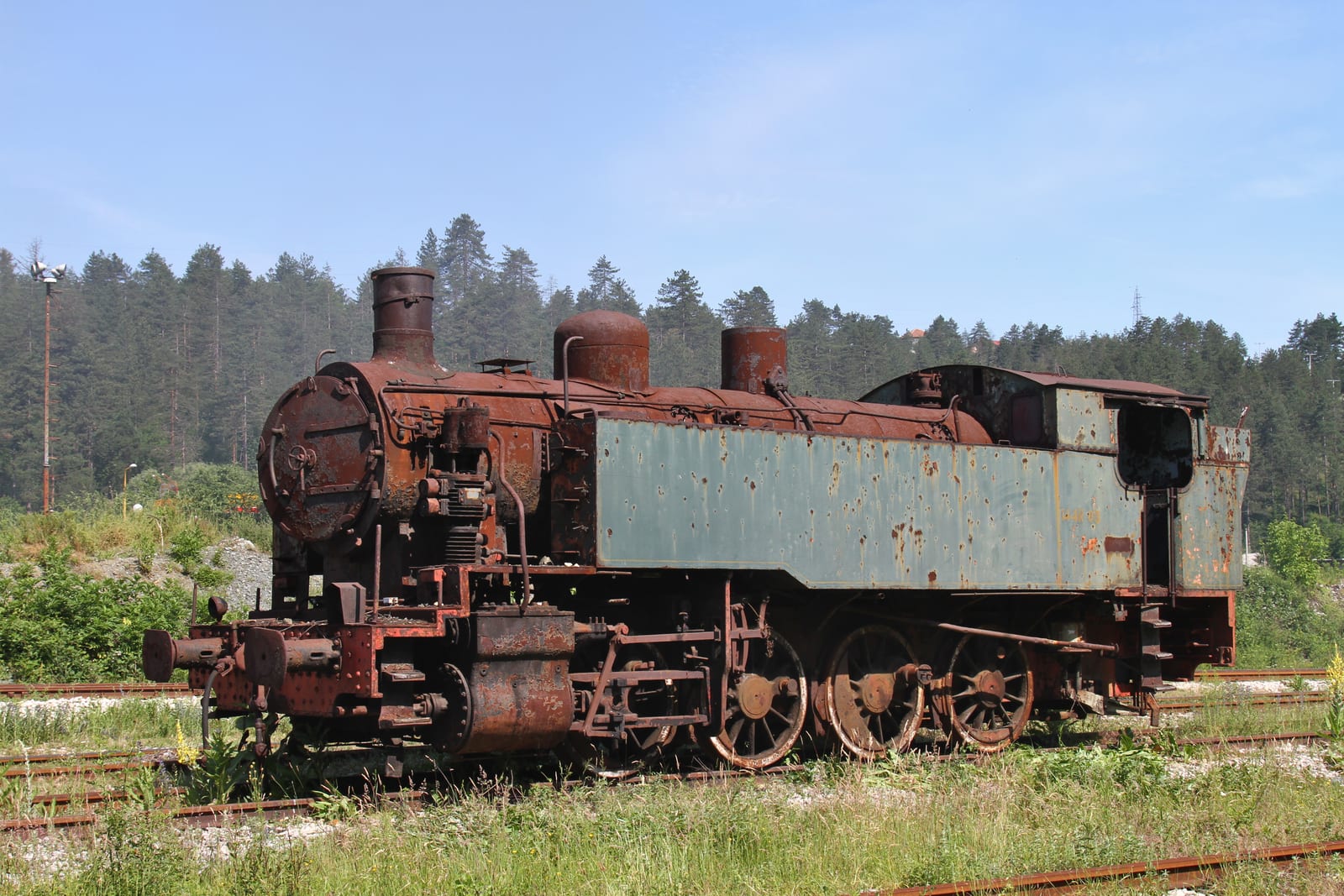
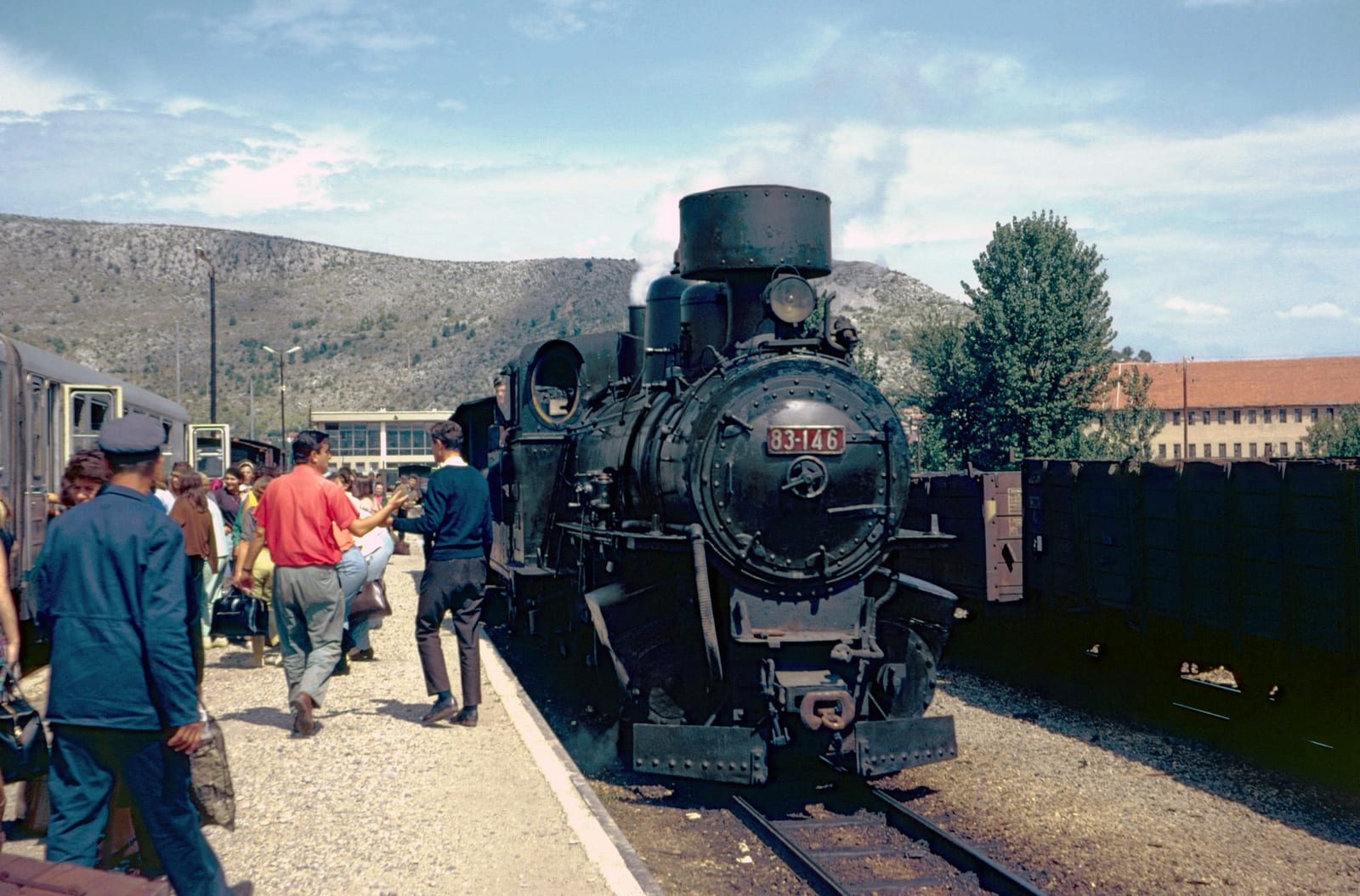
Into it comes the sound that has all but vanished from Europe: a steam whistle, and the hard, rhythmic bark of a locomotive under load. The class 83 engines — squat, black 0-8-2 "Kriegsloks", designed for wartime and built tough for this narrow track — spend their days at Oskova, assembling trains of coal, snorting back and forth between the wagons in clouds of steam. Nearby, the fleet's oldest survivor, a tank engine from 1925, is kept in working order; when it steams, you are watching a machine older than almost anyone alive, still doing its job.
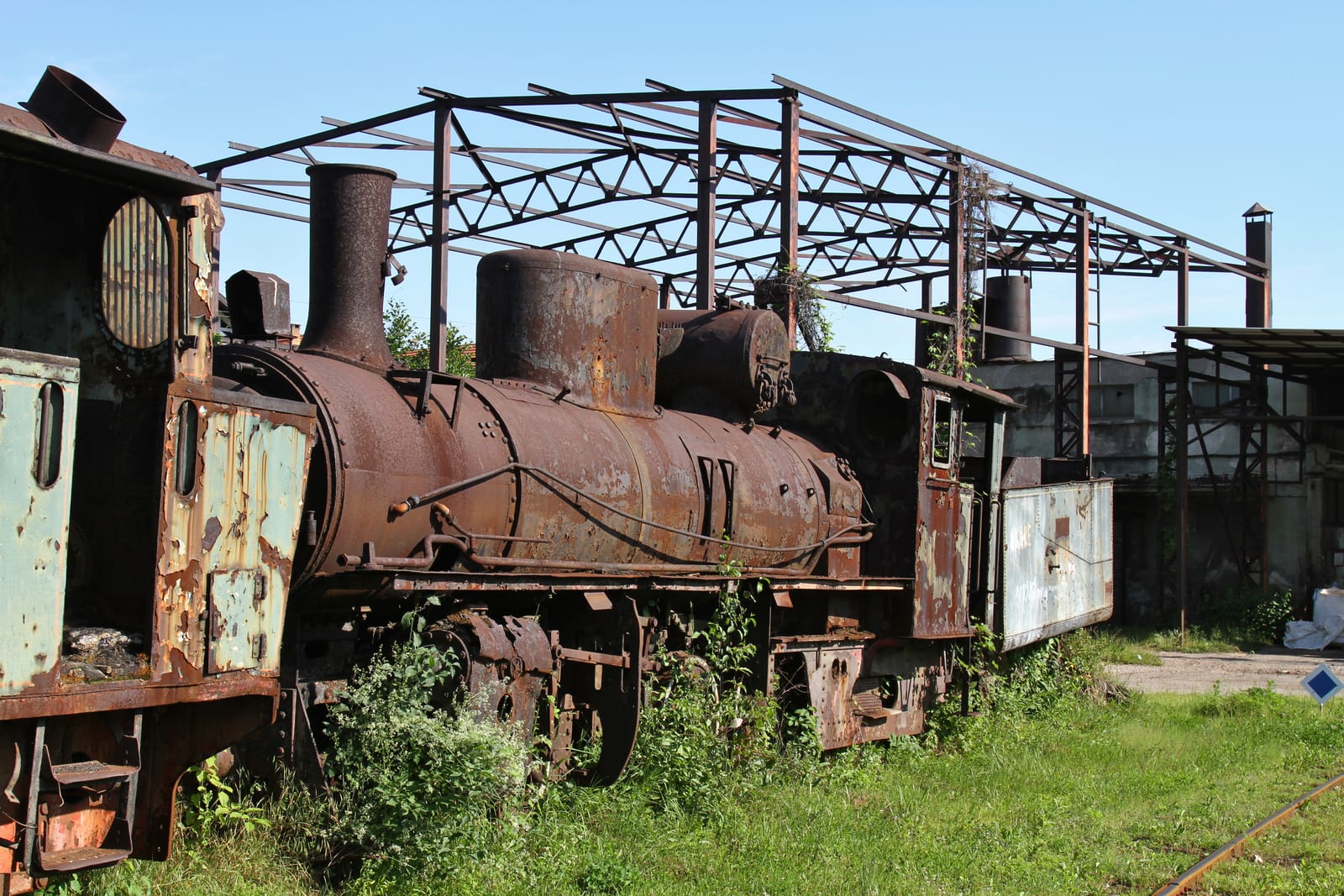
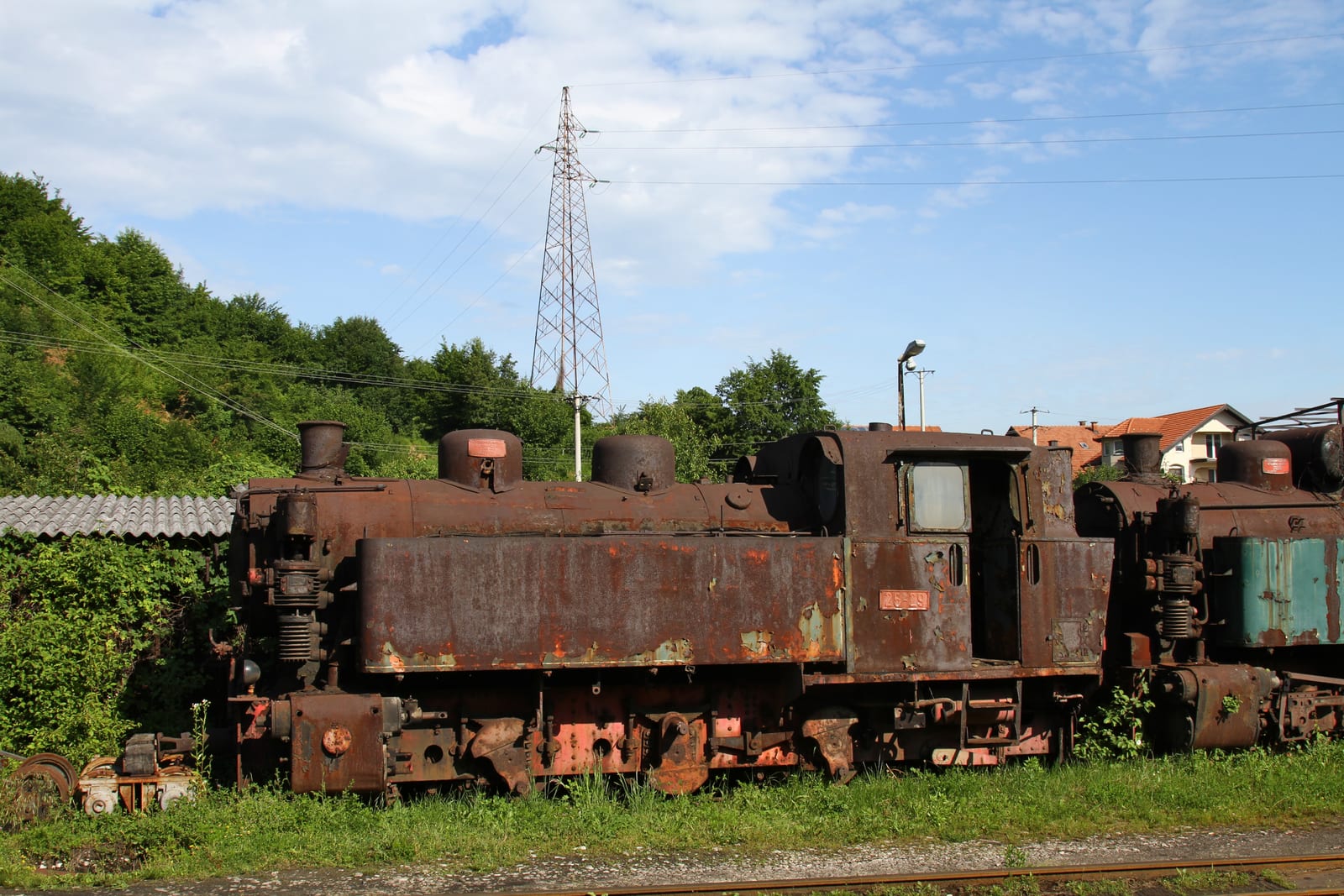
Around the running engines lies a kind of open-air museum that nobody planned: the depot and its sidings hold a scatter of older, retired locomotives, some cannibalised for parts, some quietly waiting for a restoration that may or may not come. It gives Banovići a haunting, end-of-an-era atmosphere — living steam working amid the ghosts of its own kind.
The visitor's experience of it varies. In summer the mine runs tourist trips along the line behind one of the veteran engines — short, smoky, unforgettable. And for the dedicated, specialist tour companies charter "photo freights", putting the working engines to hauling loaded coal trains through the coalfield purely for the cameras, staging the smoke and steam that the daily grind doesn't always provide. Either way, what you come away with is not the polish of a heritage railway but something more valuable: the real thing, still alive, still working, on the very last narrow-gauge steam line of its kind in Europe.
Along the route
Herbert Ortner / Wikimedia Commons · CC BY 4.0Europe's last working steam
Almost everywhere else, steam railways are museums. Banovići is a working coal railway where steam locomotives still earn their keep, shunting lignite day in, day out — among them an engine built in 1925, widely reckoned the last of its type in commercial service anywhere.Tom Burnham / Wikimedia Commons · CC BY 2.0Kriegsloks on the coal line
Most of the working steam here is class 83 — sturdy 0-8-2 Kriegslok engines designed for wartime service and built for the narrow 760 mm Bosnian gauge. They spend their days assembling coal trains at the Oskova washery, snorting between the wagons.Herbert Ortner / Wikimedia Commons · CC BY 4.0The last of the "Ćiro"
Bosnia once had a vast web of these 760 mm lines, and their trains had a fond nickname — Ćiro. Almost all of it is gone; the Mostar–Dubrovnik line is a cycle path. Banovići is where that lost world still turns a wheel.A bit of history
Culture & experiences along the way
Herbert Ortner / Wikimedia Commons · CC BY 4.0Riding behind steam
In summer the mine opens the line to visitors, and you can ride behind one of the veteran engines — a short, smoky, gloriously old-fashioned trip through the coalfield. Be clear about what this is: a working industrial railway that welcomes guests, not a polished tourist line with a fixed timetable. Arrange your visit ahead through the mine, and take it on its own rough, wonderful terms.Herbert Ortner / Wikimedia Commons · CC BY 4.0A photographer's pilgrimage
For steam photographers, Banovići is hallowed ground. Specialist operators run charter "photo freights" here — the working engines put to hauling loaded coal trains for the cameras, smoke and steam to order, in a landscape of pit-head gear and green hills. If you want the classic shots, a charter with a group is the way to get them.Herbert Ortner / Wikimedia Commons · CC BY 4.0Around Banovići and Tuzla
Banovići sits near Tuzla, the lively main city of north-eastern Bosnia — famous for its extraordinary salt lakes, created where centuries of salt mining hollowed the ground, now a summer swimming resort in the middle of town. Together they make an easy, offbeat couple of days well away from the usual tourist trail.Timetables
Banovići is not a scheduled railway, and it is important to come with the right expectations. There is no fixed public timetable and no walk-up ticket window — this is a working coal mine that opens its line to visitors, rather than a heritage railway running to a clock.
In practice there are two ways to ride:
- Summer tourist rides. During the warmer months the mine (RMU Banovići) runs trips along the line behind one of its veteran steam engines. Days and times are irregular and can change year to year, so contact the mine ahead to find out when trains are running and to arrange a visit. Roughly a thousand steam enthusiasts make the trip each year.
- Steam photo charters. Specialist tour operators periodically book charter trains here for railway photographers — the working locomotives hauling coal wagons for the cameras. These are organised, ticketed group tours, advertised in advance; joining one is the surest way to see the engines in full steam.
Good to know:
- Arrange it in advance. Turning up unannounced may mean seeing engines shunting in the yard but no ride. A phone call or email to the mine first is well worth it.
- Best in summer. The tourist rides run in the warmer season; charters are also usually scheduled for the drier months.
- It's an active industrial site. Follow the mine's instructions and keep clear of working tracks; this is a place of real trains doing real work.
- Getting there. Banovići is near Tuzla in north-eastern Bosnia, reached by road; there is no direct passenger-train connection for visitors.
There is no regular published timetable for visitors; days and times vary by season and year. Always arrange your visit with the mine, or book a charter, before you travel (see the Tickets section below).
Tickets
There is no online booking engine for Banovići — it is a working colliery, run by RMU Banovići, that happens to welcome visitors to its remarkable steam railway. Getting aboard takes a little more effort than buying a ticket, and rewards it.
For a summer ride, the practical approach is to contact the mine directly ahead of your trip to ask when trains are running and to arrange a visit; local tourist information in Tuzla can also help. Because the operation is informal and seasonal, flexibility and a little advance planning go a long way.
For the full experience — the engines in hard-working steam, hauling loaded coal trains — the reliable route is a charter tour with a specialist steam-travel operator. These run as organised group trips, advertised well in advance, and take care of access, timings and staging the trains for photography. Several international railway-tour companies have featured Banovići in recent years.
Below are the mine and an example specialist operator as starting points. As always with a place like this, confirm the current arrangements before you commit to travel.
Book your tickets
Banovići steam · visits & rides
A working steam railway
Summer tourist rides behind the mine's veteran narrow-gauge steam engines. This is a working coal railway rather than a scheduled heritage line, so visits are best arranged ahead through the mine (RMU Banovići). Enquire for current days and prices.
Book Tickets (opens in a new tab, on RMU Banovići)via RMU BanovićiSteam photo charters
For railway enthusiasts
Specialist tour operators run charter "photo freight" trains at Banovići, with the working steam engines hauling coal trains for the cameras. If you want the classic action shots, join an organised group charter rather than turning up alone.
Book Tickets (opens in a new tab, on Steam charter tours)via Steam charter toursRail Passes
No rail pass covers this railway, and none ever will. The Banovići line is an industrial coal railway that offers tourist rides — it is not part of the national network, it is not run by either state operator, and it does not appear in any pass scheme.
Getting here is the part a pass can help with
What a pass can do is bring you to the region. There is no One Country Pass for Bosnia and Herzegovina — Interrail says one "is not available" — so the only option is the Interrail Global Pass, or the Eurail Global Pass if you live outside Europe.
Then a warning that matters more here than almost anywhere else in the country. ⚠️ On ŽRS trains — the Republika Srpska operator — only a paper Interrail pass is accepted. A mobile pass on your phone is not. ŽRS runs Doboj–Banja Luka–Novi Grad–Dobrljin and Doboj–Petrovo Novo, which is the network you are most likely to be crossing on the way into this corner of Bosnia. If you are travelling on a pass, bring a paper one.
⚠️ Note also that the Doboj–Tuzla passenger service is currently suspended, so do not plan a rail approach to Banovići on the assumption that it runs. Check before you commit to it, and be ready to finish the trip by road.
Reservations
Not applicable, and not needed anywhere in the country: Bosnian trains carry no seat reservations, and in Interrail's own words "you can board all trains and find your preferred seat."
For the steam train itself
Arrange it directly with the mine. The tourist rides are a separate commercial operation with its own charges, unconnected to any national ticket or pass.
Pass conditions checked against Interrail's Bosnia-Herzegovina page, August 2026.
Places to Visit
Banovići lies in the coal-and-salt country of north-eastern Bosnia, an unglamorous but genuinely interesting corner that few foreign visitors reach. This is working, everyday Bosnia rather than a tourist set-piece — which is exactly its appeal — and the surprise is how much medieval and Ottoman stonework sits within an hour's drive of the pit-heads.
Tuzla is the natural base, and its great oddity is the Panonska jezera — swimming lakes of salt water opened in the city centre in 2003, a legacy of the centuries of salt mining beneath it, complete with beaches and a reconstructed neolithic salt-making village. It is a genuinely surprising way to spend a summer afternoon.
Further afield, the wider region offers the mineral spa at Kreka, and — for the steam pilgrim making a wider tour — a road south toward Sarajevo and the great Neretva canyon railway, tying Bosnia's living steam relic to its most beautiful scenic line.
 Sebleouf / Wikimedia Commons · CC BY-SA 4.0 · cropped
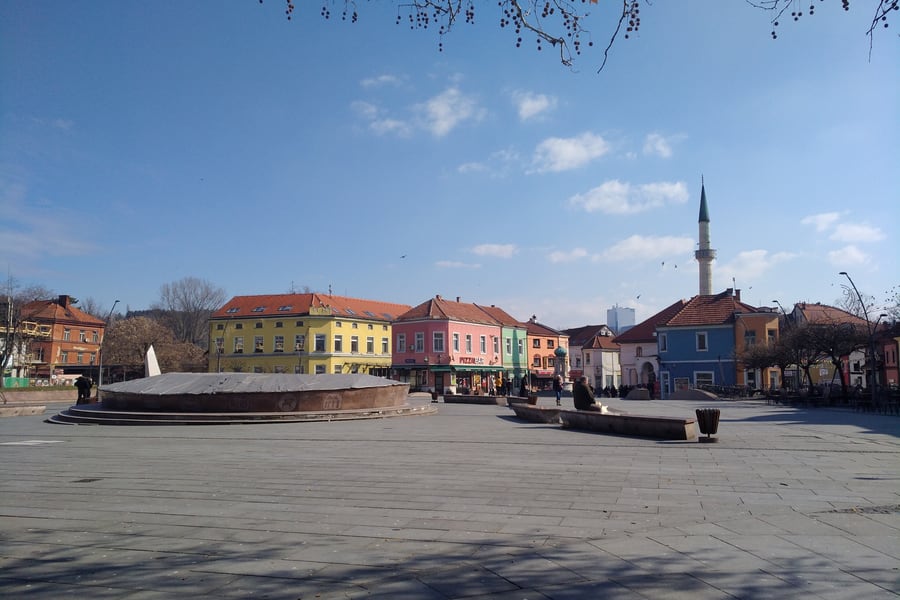
Tuzla
The obvious base, a short drive north, and the third-largest city in the country — 110,979 people at the 2013 census. The name is Ottoman Turkish for salt mine, and salt is the whole story: the Romans knew the place as Salines, it appears as a fort called Salines in 950, and archaeology puts continuous settlement here at more than 6,000 years. Trg slobode is a wide, café-lined square, and Tuzla stayed proudly multi-ethnic through the war.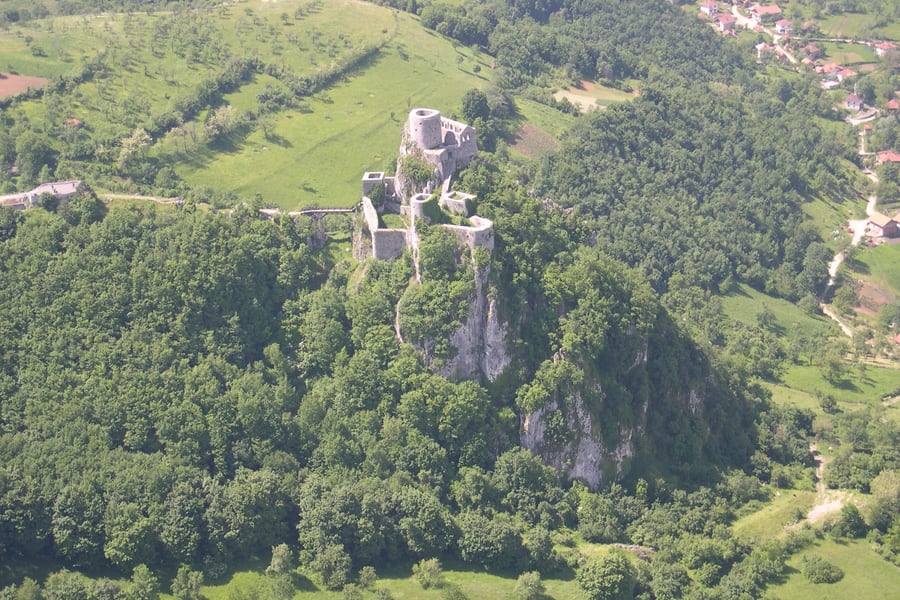 floorbug / Wikimedia Commons · CC BY-SA 3.0 · cropped
Srebrenik Fortress
A medieval stronghold on a limestone finger so steep it is reached by a single small bridge over a cut trench — the most dramatically sited fortress in the country and one of the best preserved. Nobody knows who built it or when; the earliest record is in the charters of Ban Stjepan II to Ragusa in 1333. It has been a national monument since 2 November 2004, and stands about 5 km from Srebrenik town.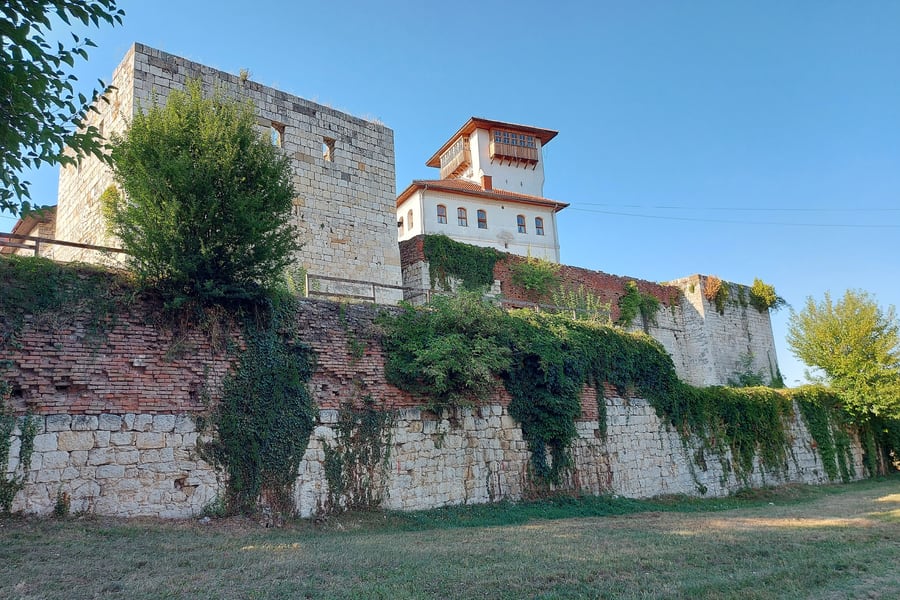 Okimsi / Wikimedia Commons · CC BY-SA 4.0 · cropped
Gradačac
The fort here has 18-metre walls raised between 1765 and 1821, and above them a 22-metre watchtower of 1824 built by Husein-kapetan Gradaščević — the Zmaj od Bosne, the Dragon of Bosnia, who in 1831 led most of the Bosnian captains in revolt against Istanbul. His Husejnija Mosque followed in 1826. The town is also plum country, and holds an international plum fair every August.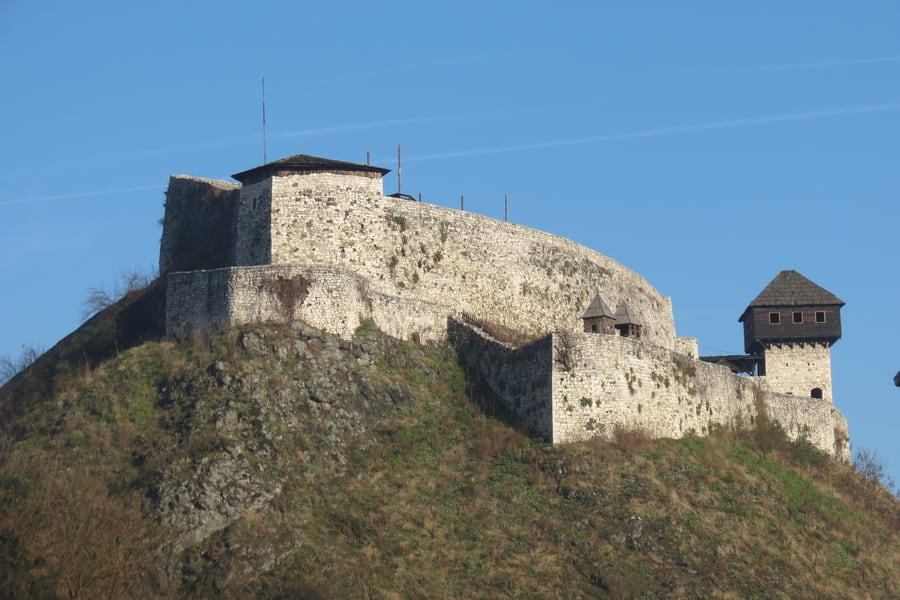 Romain Bréget / Wikimedia Commons · CC BY-SA 4.0 · cropped
Doboj Fortress
A great stone keep on a hill where the Bosna, Usora and Spreča valleys meet — whoever held it held the road into Bosnia. It was raised in the early 13th century on an older timber-and-clay site, rebuilt in Gothic form in 1415, taken by the Ottomans in 1476 and enlarged again from 1490, when 1,500 men worked on it for fifty days. The Battle of Doboj was fought below it in August 1415.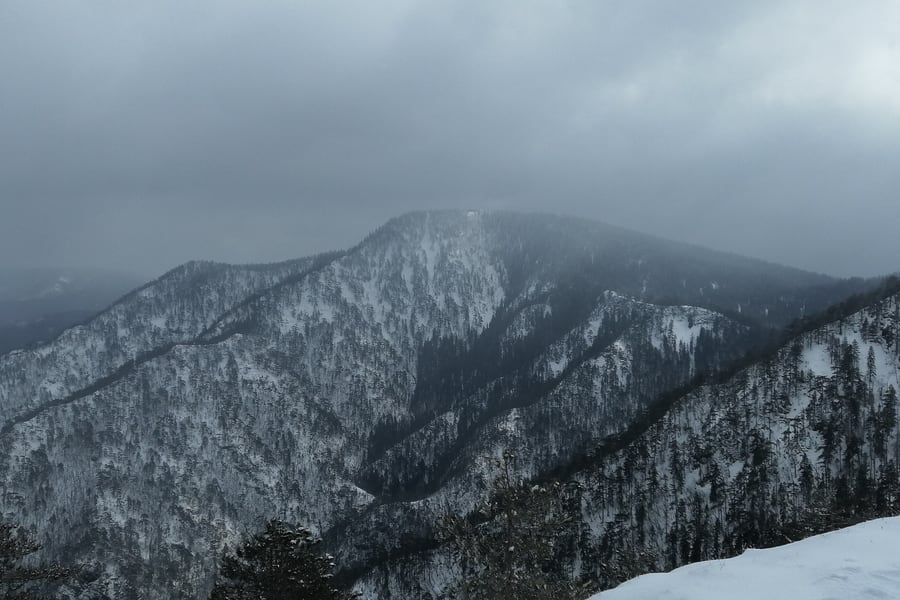 Banoviciminer / Wikimedia Commons · CC BY-SA 4.0 · cropped
The Konjuh range
The mountain wall on Banovići's southern horizon, averaging about 1,000 metres and topping out at Vrh Konjuha, 1,328 m. It is beech and conifer forest, sinkholes and quiet villages, and it is scattered with stećci — the carved medieval tombstones that are Bosnia's own; some 500 are recorded in Kladanj municipality alone. The ruins of the old caravan road that carried Tuzla salt still run across it.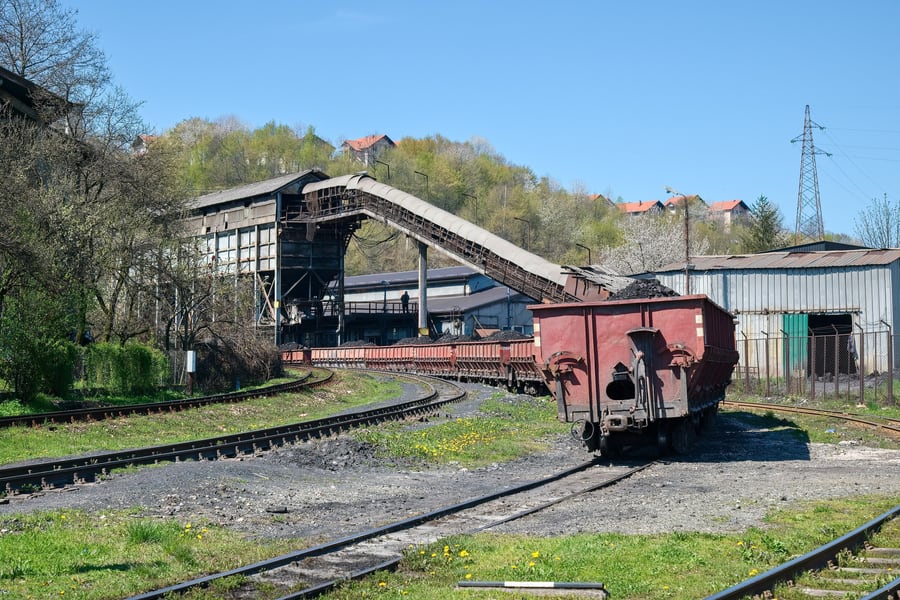 Petr Štefek / Wikimedia Commons · CC BY-SA 3.0 cz · cropped
The coalfield
The mine is not a backdrop to this trip, it is the point of it. RMU Banovići works both opencast and underground brown coal and employs around 2,600 people; the coal has a name across Europe for its quality, and the narrow gauge exists to move it to the separation plant at Oskova. Banovići was barely a handful of houses until the Brčko–Banovići railway was built in 1946; by 1961 it had 4,611 people.Where to Sleep
Banovići is a small mining town with limited accommodation, so most visitors base themselves in nearby Tuzla, about half an hour away, and make Banovići a day trip.
Tuzla has the fullest choice in the region: a handful of comfortable modern hotels in and around the centre, close to the famous salt lakes, plus smaller guesthouses and apartments at budget prices. It is an easy, pleasant place to stay, with good restaurants and a walkable old core, and it puts the Banovići railway within a short drive.
In Banovići itself there are a few simple guesthouses and small hotels, handy if you want to be on the spot for an early start with the engines — ask the mine or local tourist information for current recommendations, as options are modest and change.
For those touring Bosnia's railways more widely, Tuzla also works as a staging point between the steam of Banovići and the scenery of the south: from here it is a half-day's drive to Sarajevo and the start of the Neretva canyon line. Accommodation everywhere in this part of Bosnia is inexpensive and rarely needs booking far ahead, except around local festivals and the peak summer weekends at the Tuzla lakes.
Questions or corrections
Planning this trip and stuck on something, or spotted a time, fare or detail that has changed? Send us a message about The Banovići Steam Railway. We read every one, and we update this page when something has changed.