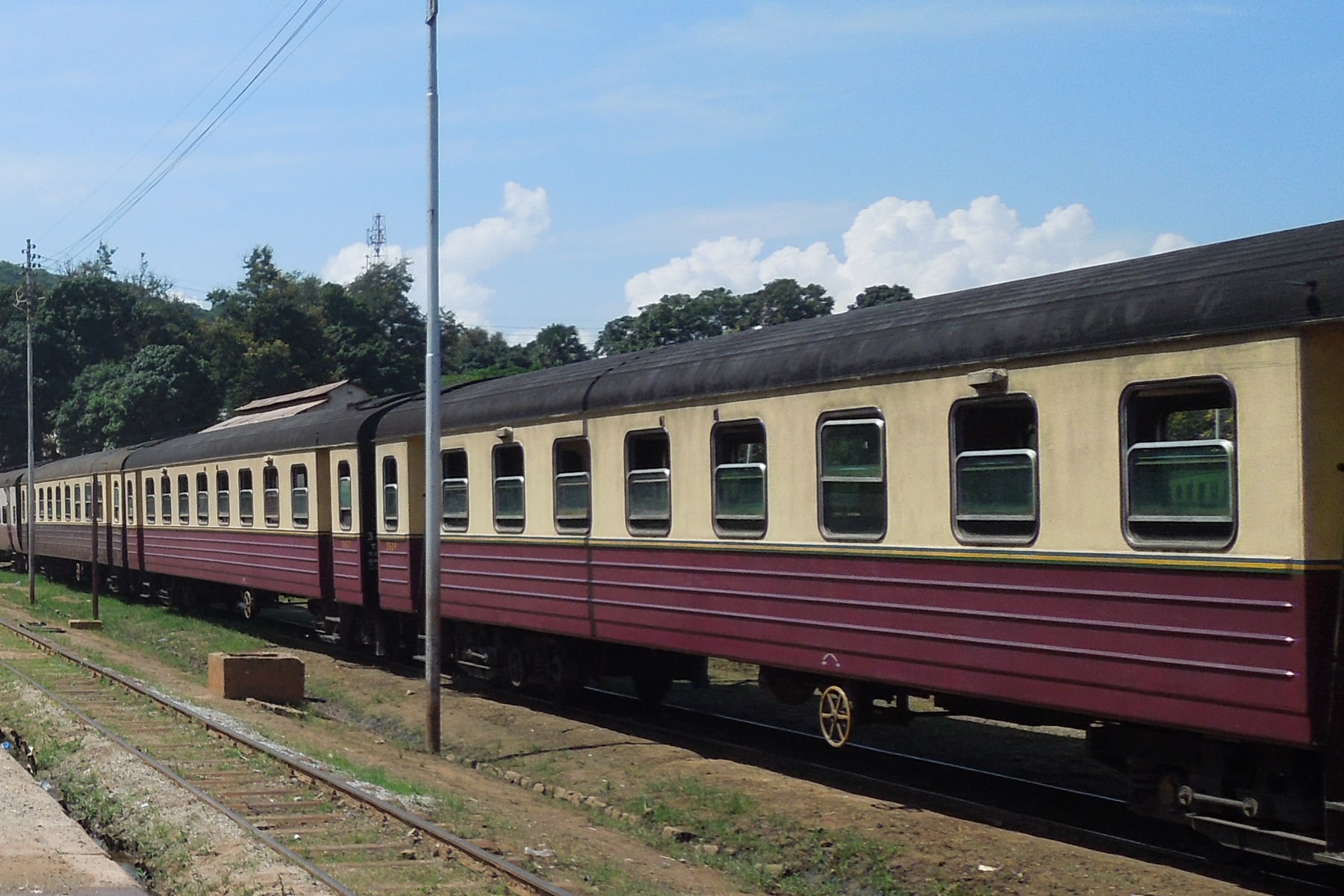
The Central Line, Dodoma to Kigoma
Caligula (Michael Branz) / Wikimedia Commons · CC BY 2.0 · cropped
- DistanceDodoma–Kigoma · metre gauge
- DurationAbout 24 hours
- Best seasonMay to October · the dry season
Introduction
The Central Line is the railway German East Africa built to reach Lake Tanganyika. Work began at Dar es Salaam in 1905, the track followed the old caravan route inland to Tabora, and it reached Kigoma, on the lake, in 1914: 1,252 kilometres of metre gauge, with a timetable of 58 hours end to end. A ship came with it. The Graf von Goetzen, built in Germany, had come out in 5,000 boxes, and the line's own trains carried them up to Kigoma to be put together on the shore.
The train no longer starts at the coast. TRC's metre-gauge train to Kigoma now runs from Dodoma, the capital, which the electric SGR reaches from Dar es Salaam in just over three hours, and the way to ride the whole line today is the SGR from Dar es Salaam to Dodoma and then this train, a day and a night across the dry centre of Tanzania, through Tabora, over the Malagarasi and down to the lake.
The ship is still there. Renamed the Liemba, it went back into service in October 2026 after a refit, and sails from the port at the end of the line.
The Journey
The Central Line was built by the Ostafrikanische Eisenbahngesellschaft, the East African Railway Company, on money from the Disconto-Gesellschaft bank, and it is the largest piece of engineering the German colonial years left in Tanzania. It reached kilometre 200, near Morogoro, in 1907, Kilosa in 1909 and Kigoma just before the First World War. The British added the branch from Tabora to Mwanza on Lake Victoria, finished in 1928, and the branch from Kaliua to Mpanda opened in 1949.
Dodoma to Tabora
The train leaves Dodoma, the capital, and heads west across the dry plateau to Manyoni, where a branch leaves for Singida, and Itigi, a small town beside a rare dense thicket. Tabora is the great junction of the line: a caravan town of the 1850s that the railway made the chief town of central German East Africa, and where the Mwanza line leaves for Lake Victoria.
Tabora to the lake
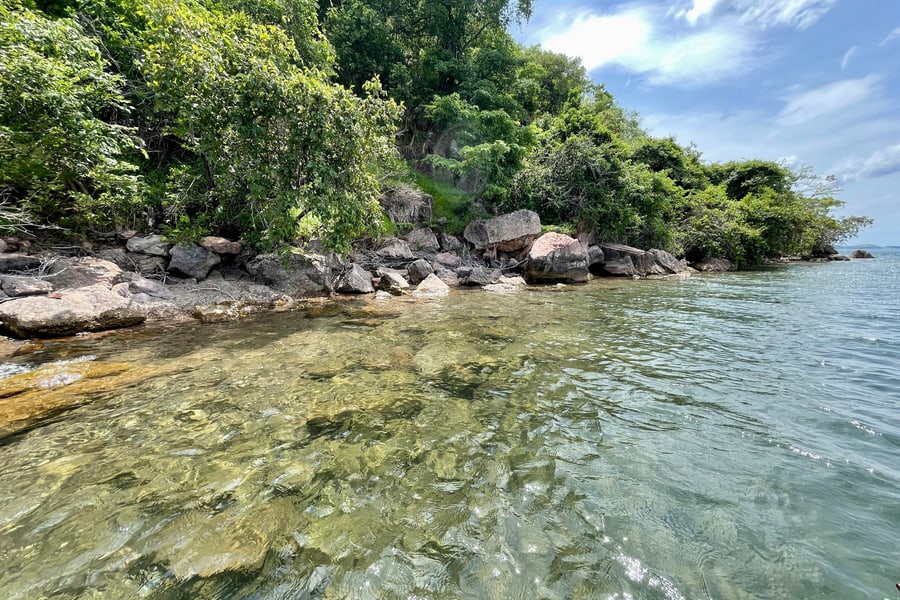
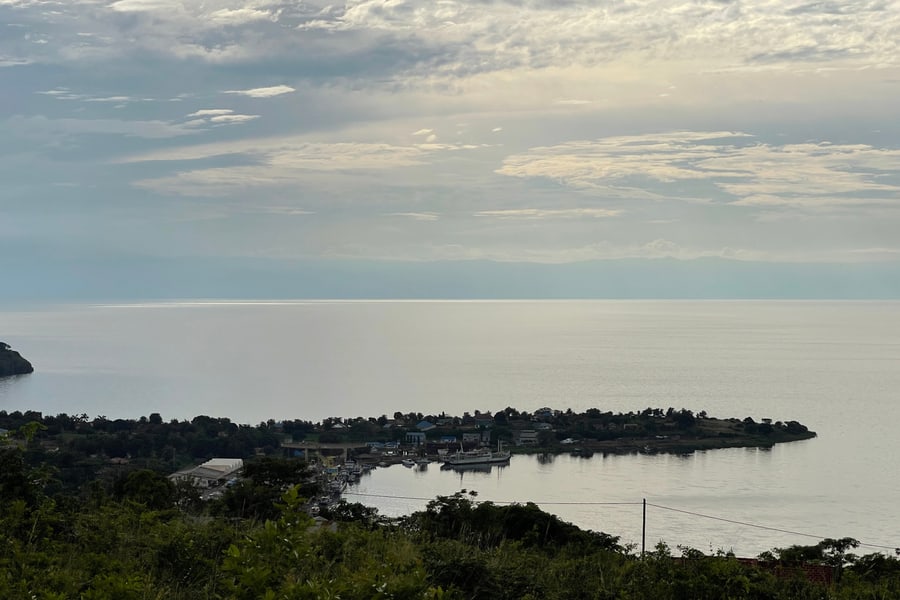
West of Tabora the line runs on through Kaliua, junction for the Mpanda branch, and crosses the Malagarasi, Tanzania's second-longest river. Uvinza is a salt town; beyond it the line comes down to Kigoma, on the north-east shore of Lake Tanganyika, the longest freshwater lake in the world.
The Liemba
The Graf von Goetzen was launched at Kigoma on 5 February 1915 and armed for the war on the lake. Its captain scuttled it in July 1916; a British salvage team raised it in 1924, and it returned to service in 1927 as the Liemba. Suspended in 2018, it began its first voyage after a long refit on the night of 6 October 2026, from Kigoma to Kalemie in the Democratic Republic of the Congo.
The train
The train is TRC's Ordinary, with first-class and second-class sleeping compartments, third-class seats and a restaurant car. TRC also lists fares for its Treni ya Deluxe, a modern train with second-class sleeping and sitting coaches, third class and a restaurant car, but the train on sale in October 2026 was the Ordinary.
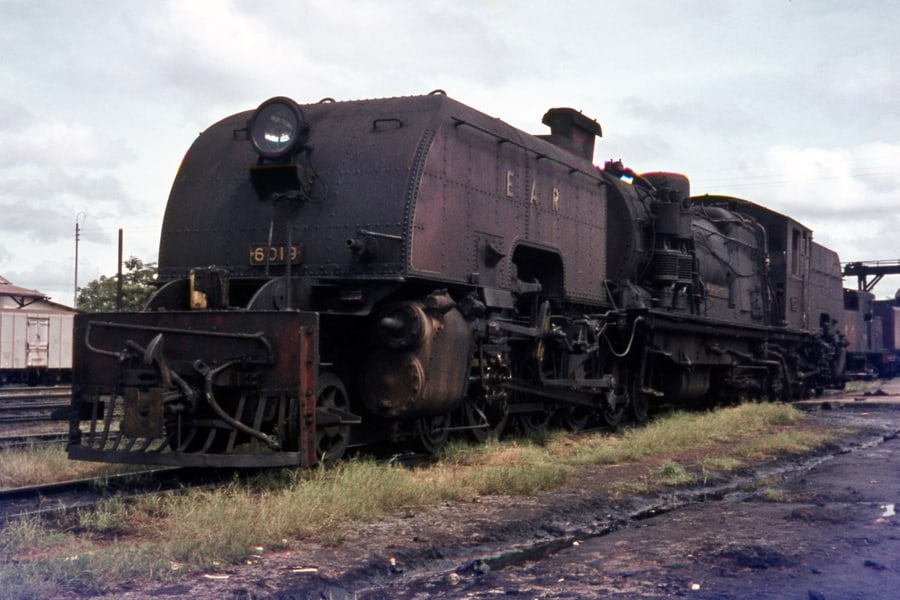
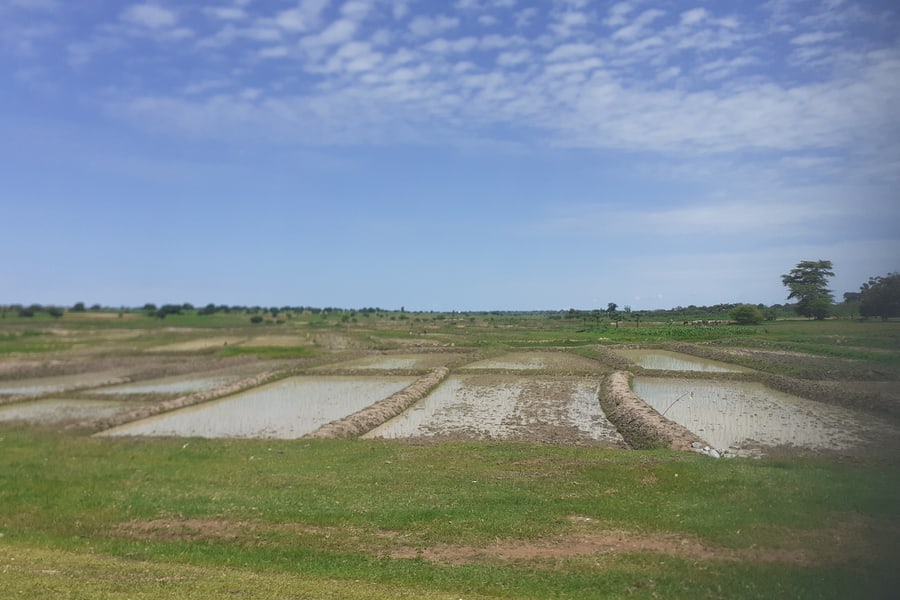
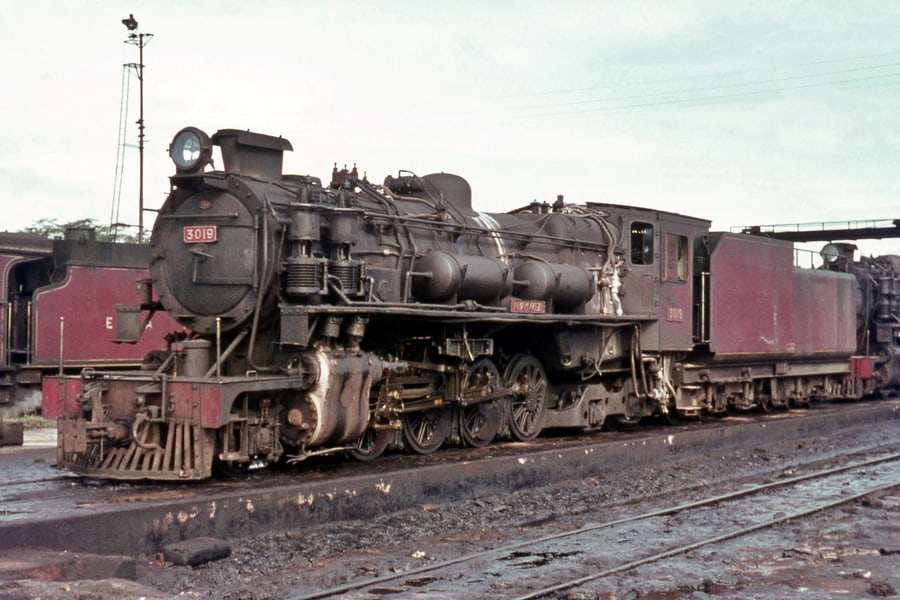
Along the route
 Charstone Simon / Wikimedia Commons · CC BY-SA 4.0 · cropped
Itigi and its thicket
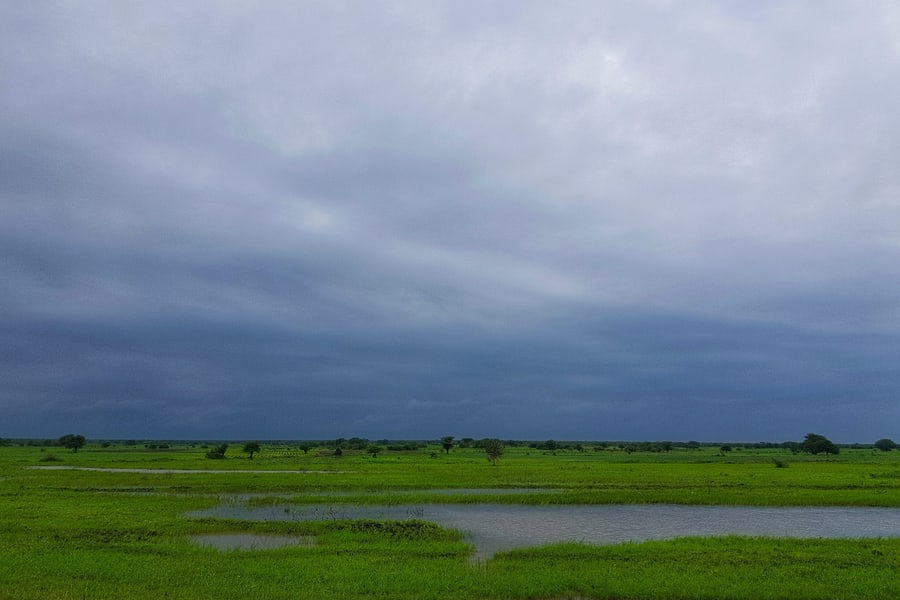
Past Manyoni, where a branch leaves for Singida, the train calls at Itigi. Around the town grows the Itigi thicket, a dense deciduous brush of over 100 species found only here and in a pocket of Zambia and the Congo.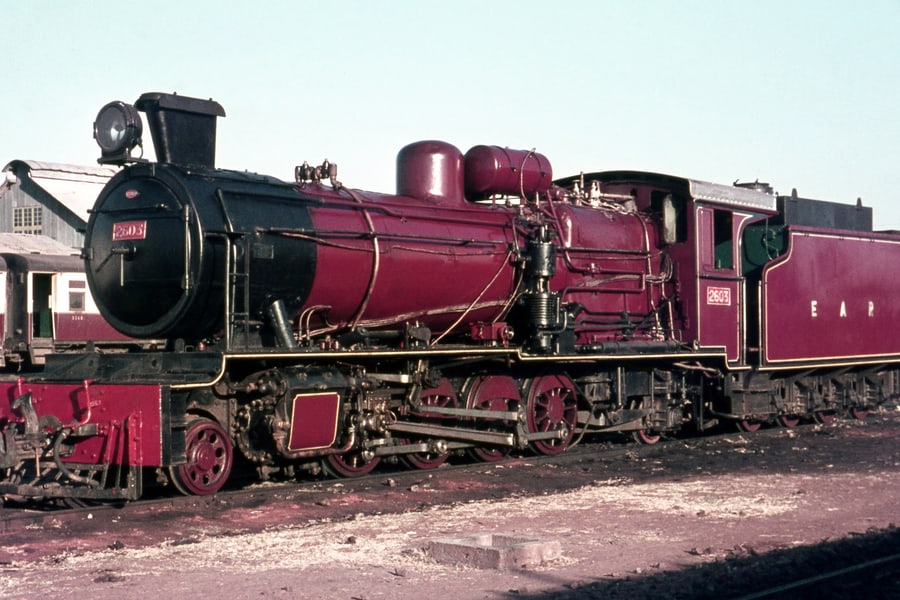 Basil Roberts (1968) / Wikimedia Commons · CC BY-SA 4.0 · cropped
Tabora, the junction
Tabora grew from Kazeh, a caravan town founded by Swahili and Omani traders in the 1850s, and as a station on the line became the chief town of central German East Africa. The line to Mwanza, on Lake Victoria, leaves here.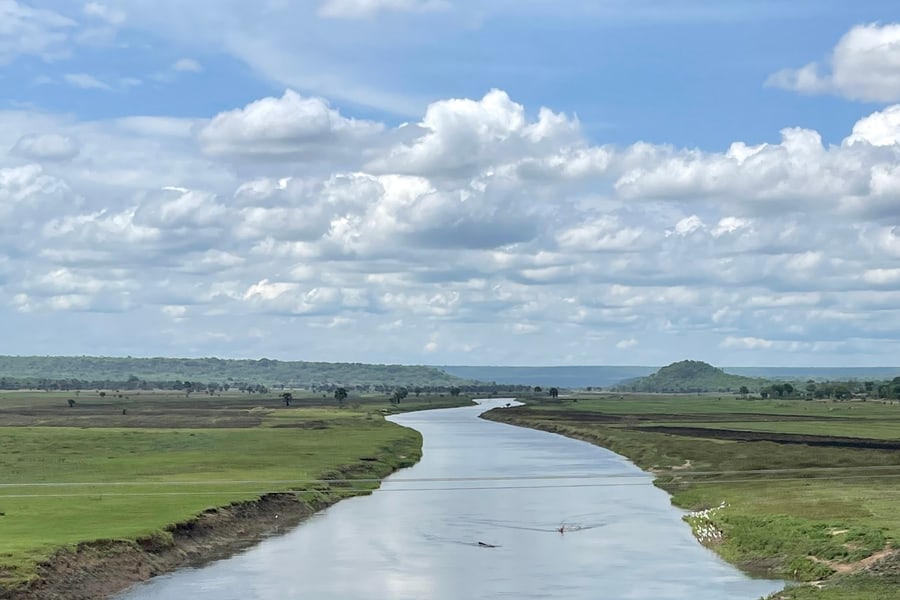 Halidtz / Wikimedia Commons · CC BY-SA 4.0 · cropped
Across the Malagarasi
West of Kaliua, where the Mpanda branch turns south, the line crosses the Malagarasi, Tanzania's second-longest river at 475 km. Its wetlands are a Ramsar site; locally it is called the river of bad spirits.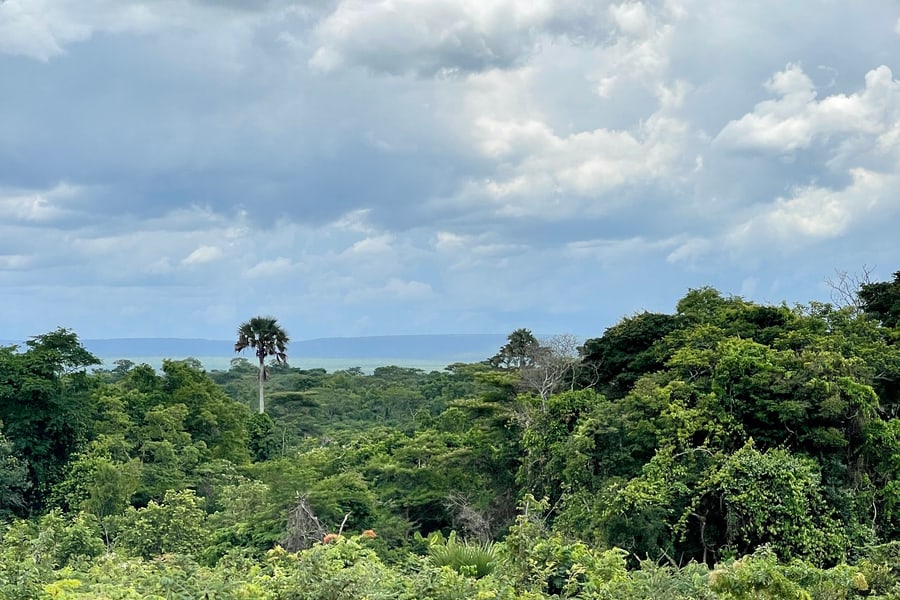 Halidtz / Wikimedia Commons · CC BY-SA 4.0 · cropped
Uvinza and the last miles
Uvinza is named for the Vinza people, who ruled here for centuries; the Germans called it Neu Gottorp. Its district, the largest in Kigoma Region, runs down to Lake Tanganyika, and the line follows it to the water.A bit of history
Culture & experiences along the way
 Halidtz / Wikimedia Commons · CC BY-SA 4.0 · cropped
Uvinza salt
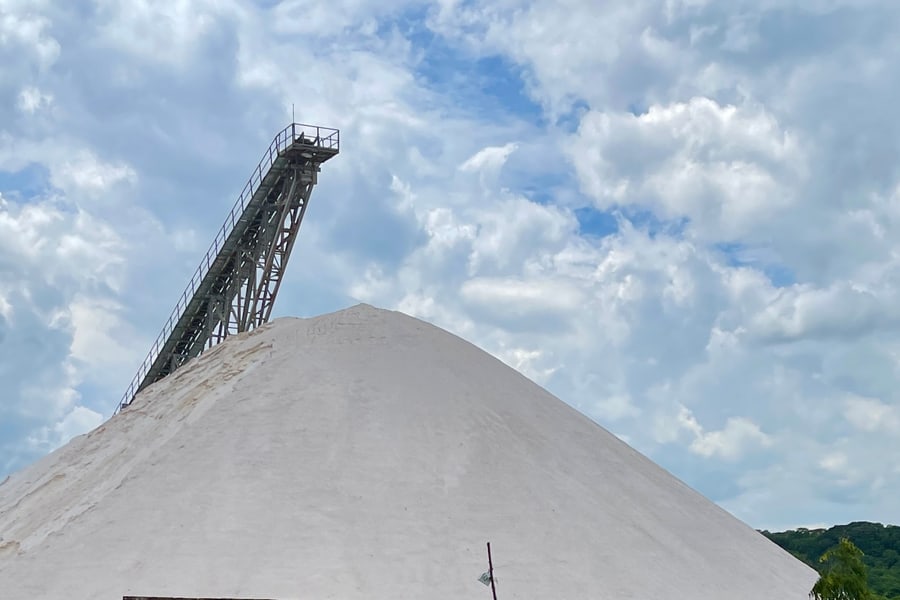
The country around Uvinza has long been known for its salt, and salt is still what the district lives on, with forestry and farming. At the works beside the town the salt is piled in white heaps under the conveyors. Uvinza has a station on the line.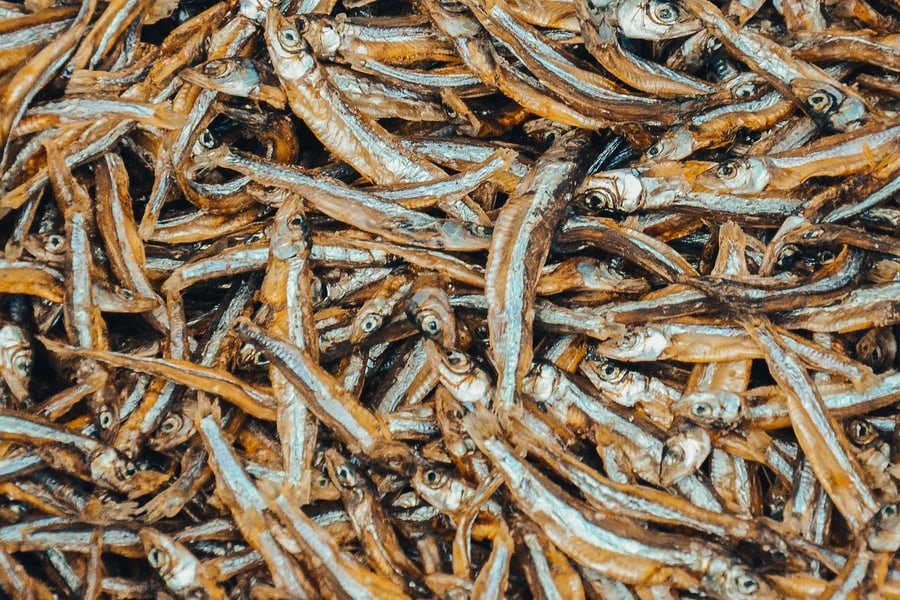 Erasmus Kamugisha / Wikimedia Commons · CC BY-SA 4.0 · cropped
Lake Tanganyika's sardines
Two small silver fish, the Lake Tanganyika sardine and the sprat, make up most of the fish in the lake's open water, travelling in great shoals. Dried, they are sold by the basin in Kigoma's markets. Further south, in Zambia, Malawi and Zimbabwe, the same fish are called kapenta.Timetables
TRC sells its metre-gauge trains on a booking site of their own, separate from the SGR's. On 27 October 2026 the site had one train from Kigoma on sale and none to it, so the westbound times are not given here. The journey takes about 24 hours. No train on sale went beyond Dodoma: from Kigoma, tickets were sold to Dodoma but not to Morogoro or Dar es Salaam.
Times as of October 2026, from TRC's metre-gauge booking site. Check departures on TRC's metre-gauge booking site (opens in a new tab).
Kigoma to Dodoma
| Train | Kigoma | Dodoma |
|---|---|---|
| Ordinary | Wednesday 08:00 | Thursday 08:17 |
A train from Mpanda, on the branch, was also on sale for the same Wednesday: Mpanda 07:00, Dodoma 09:57 on Thursday.
Reading TRC's printed timetable
TRC's own printed timetable is in Swahili time, which counts the hours from sunrise rather than from midnight, six hours apart: saa mbili, "the second hour", is 08:00. The booking site gives times in the AM and PM of the Western clock.
Connecting from Dar es Salaam
Take the SGR to Dodoma, which runs five times a day. The two railways are ticketed separately, so book each train on its own site.
Tickets
Metre-gauge tickets are sold on TRC's metre-gauge booking site, not the SGR one. Choose the stations and the train, then a seat or berth; the site sends a payment reference by text message, to be paid by mobile phone or at an agent, and the ticket is collected at the station with identity documents for every adult travelling.
From Dodoma to Kigoma the Ordinary train costs 51,800 shillings in a first-class sleeping compartment, 38,400 in second-class sleeping and 19,300 in third class. Children pay half, and children under three travel free.
Book your tickets
First class
Sleeping compartment
Dodoma to Kigoma for 51,800 shillings on the Ordinary train, booked on TRC's metre-gauge site.
Book Tickets (opens in a new tab, on TRC)via TRCSecond class
Sleeping compartment
Dodoma to Kigoma for 38,400 shillings in a second-class sleeping compartment on the Ordinary train.
Book Tickets (opens in a new tab, on TRC)via TRCThird class
Seat
Dodoma to Kigoma for 19,300 shillings on the Ordinary train, sitting up for the whole day and night.
Book Tickets (opens in a new tab, on TRC)via TRCRail Passes
No rail pass covers the Central Line. Interrail and Eurail are European schemes, and Tanzania is not among the countries in Interrail's list of covered railway companies (opens in a new tab). Buy a ticket for each journey from TRC.
Checked October 2026 against Interrail's list of covered railway companies (opens in a new tab).
Places to Visit
The railway ends at the water, and almost everything worth the journey is on the lake: the town of Kigoma and old Ujiji beside it, and two national parks further along the shore that can only be reached by boat. The MV Liemba, back in service since October 2026, sails from Kigoma's port.
For the other railways in Tanzania, see the SGR, which brings you to Dodoma from Dar es Salaam, and the TAZARA, which runs south-west to Zambia.
 Halidtz / Wikimedia Commons · CC BY-SA 4.0 · cropped
Kigoma and Ujiji
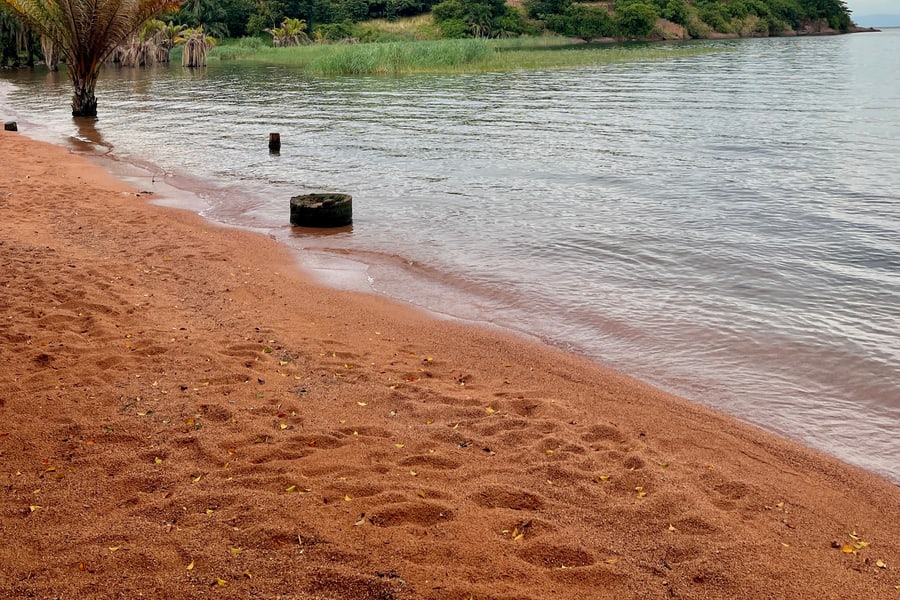
Kigoma is the lake port at the railhead, 775 m up on the north-east shore of Lake Tanganyika, the longest freshwater lake in the world. Six kilometres south-east is Ujiji, the oldest town in western Tanzania, where Burton and Speke reached the lake in 1858 and where Stanley found Livingstone on 10 November 1871. A memorial and a small museum mark the place.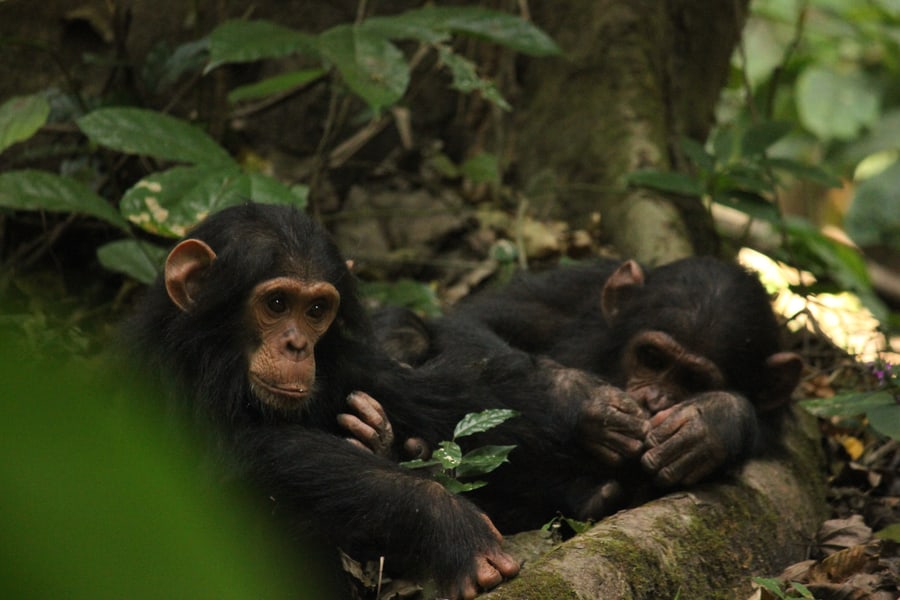 Cethuyghe / Wikimedia Commons · CC BY-SA 4.0 · cropped
Gombe National Park
One of the smallest national parks in Tanzania, 35 km² of steep valleys and forest on the lake shore, established in 1968 and reached only by boat. Jane Goodall began her study of its chimpanzees in 1960, and the Kasakela community she followed still lives here, alongside baboons, red colobus and some 200 kinds of bird.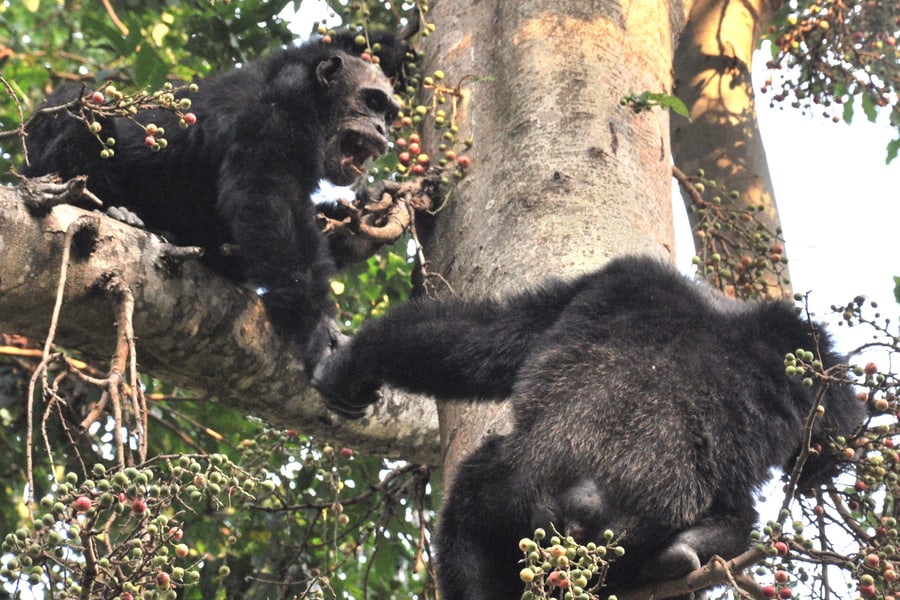 Caelio / Wikimedia Commons · CC BY-SA 3.0 · cropped
Mahale Mountains National Park
Further south down the eastern shore, Mahale is home to the largest known population of chimpanzees, and one of the few places where chimpanzees and lions share a habitat. There are no roads inside the park, which opened in 1985 and is named after the mountains within it: visitors arrive by boat on the lake and explore it on foot.Where to Sleep
Coming from Dar es Salaam, the SGR to Dodoma takes just over three hours, so the connection to this train can be made the same day or after a night in Dodoma; see the SGR page for a hotel there.
At the other end, stay in Kigoma for Ujiji, the Liemba and the boats to Gombe and Mahale.
Where to stay
Kigoma Hilltop Hotel
Above Lake Tanganyika, Kigoma
Thirty cottage-style rooms on an outcrop above the lake, each with a balcony facing the water, and a private beach below.
Check Availability (opens in a new tab, on kigomahilltop.com)via kigomahilltop.comQuestions or corrections
Planning this trip and stuck on something, or spotted a time, fare or detail that has changed? Send us a message about The Central Line, Dodoma to Kigoma. We read every one, and we update this page when something has changed.