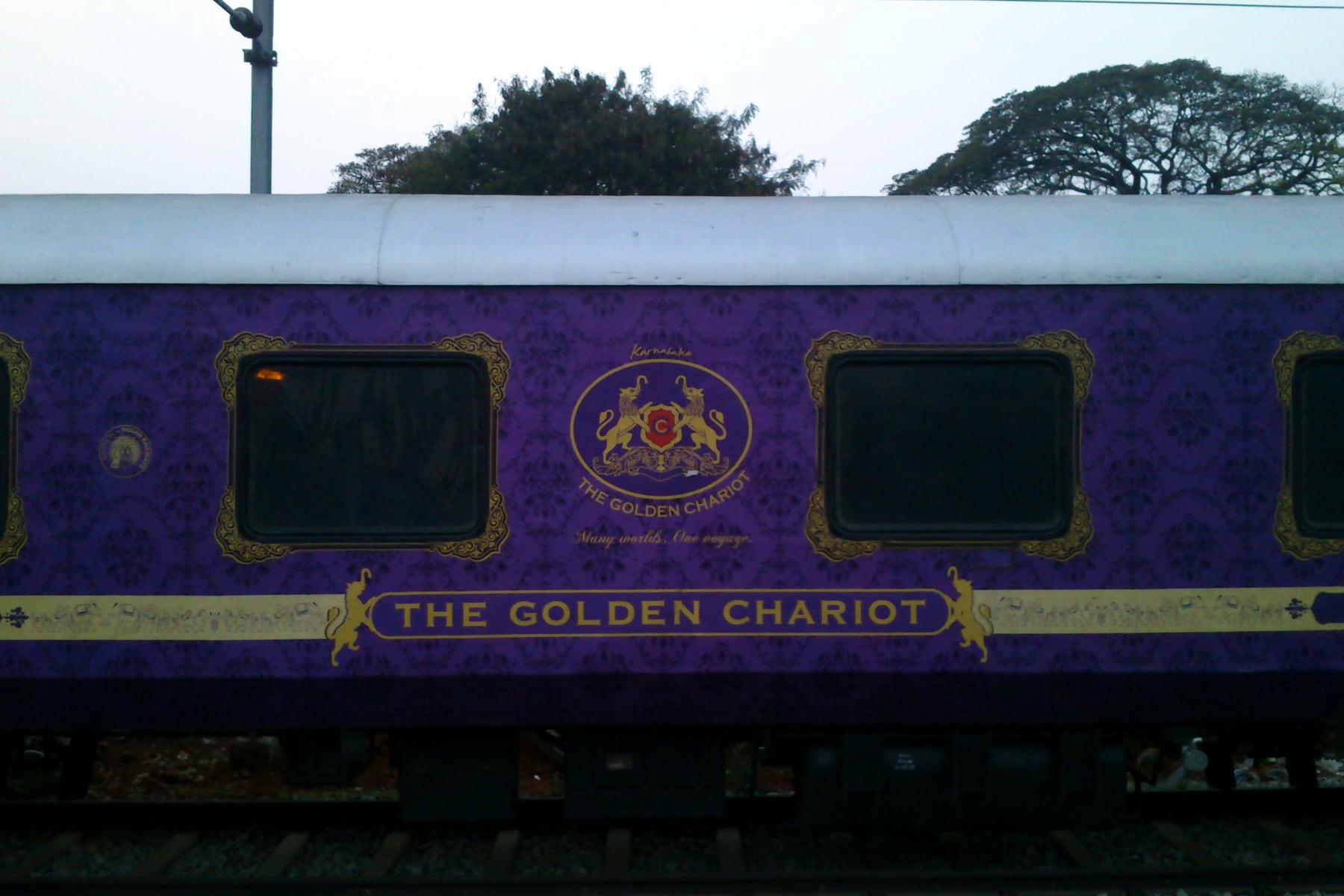
Golden Chariot
Pranchiyettan / Wikimedia Commons · CC BY-SA 2.5 IN · cropped
- DistanceBengaluru round trip by way of Mysore, Hampi and Goa (Pride of Karnataka)
- Duration4 days / 3 nights or 6 days / 5 nights
- Best seasonOctober to March, the only months it runs
Introduction
The Golden Chariot sleeps its guests in the names of the kingdoms they have come to see. Its guest carriages are called after the dynasties that ruled the south: Hoysala, whose capital was Halebidu, and Vijayanagara, whose capital was Hampi, among them. On the Pride of Karnataka the train stops for both, a morning at the Hoysala temple and a day in the ruins of the Vijayanagara city, between Mysore Palace and the churches of Goa.
The train belongs to Karnataka's tourism corporation and is run by IRCTC, the tourism arm of Indian Railways. It runs only in the cool season, from October to March, on three fixed journeys of three or five nights, and every one starts and ends at Yeshwantpur, in Bengaluru. Refitted for 2026–27, it carries up to 80 guests in 40 cabins. Every meal, the house drinks, the guided excursions and the entrance fees are in the fare.
The Journey
The Pride of Karnataka is the train's own state, in five nights. It leaves Yeshwantpur at 09:45 on a Saturday and has lunch on board as it runs south to Nanjangud, where guests leave by road for an evening game drive in Bandipur. The next day is Mysore: the palace in the morning, Srirangapatna for those who want it in the afternoon. Overnight the train climbs north-west to Banavar, the station for the Hoysala temple at Halebidu, then on to Chikkamagaluru in the coffee hills of the Western Ghats. Day four is Hampi. On day five the train is in Goa, at Karmali for the churches of Old Goa and at Madgaon for a gala dinner, and it leaves at 22:30 for Bengaluru, where guests leave the train after breakfast on the Thursday.
The Jewels of South leaves Karnataka behind. After Mysore it runs overnight to Chengalpattu for the Shore Temple at Mahabalipuram, with dinner at a beachfront hotel; then Thanjavur and its Chola temple, the mansions and tile workshops of Chettinad, Kochi and the Mattancherry Palace, and a houseboat cruise on the backwaters near Kumarakom before the run home. The Glimpses of Karnataka is the short version: Bandipur, Mysore and Hampi in three nights, back at Yeshwantpur at 11:00 on the fourth morning.
Excursions leave the train by coach, with an English-speaking guide, and most of them end back on board for lunch.
The train
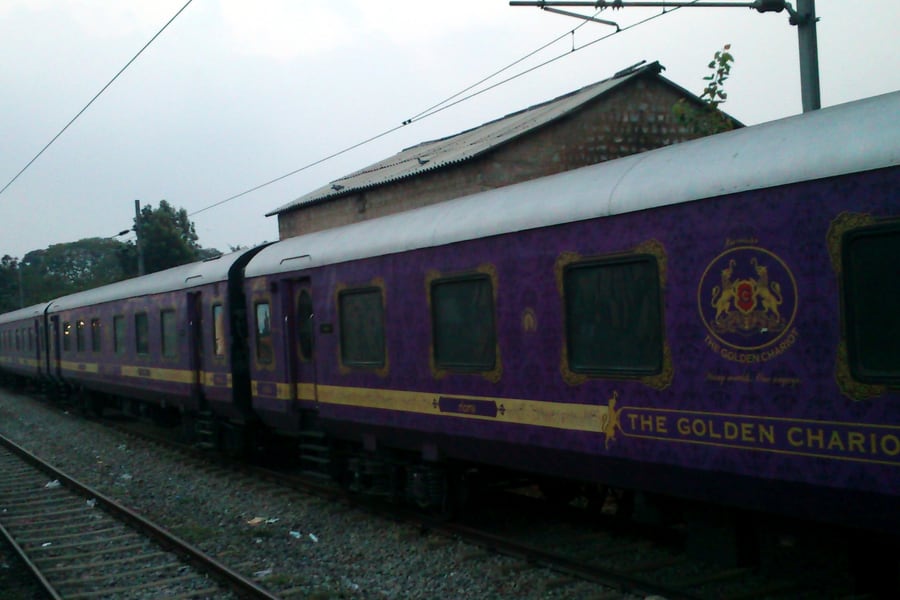
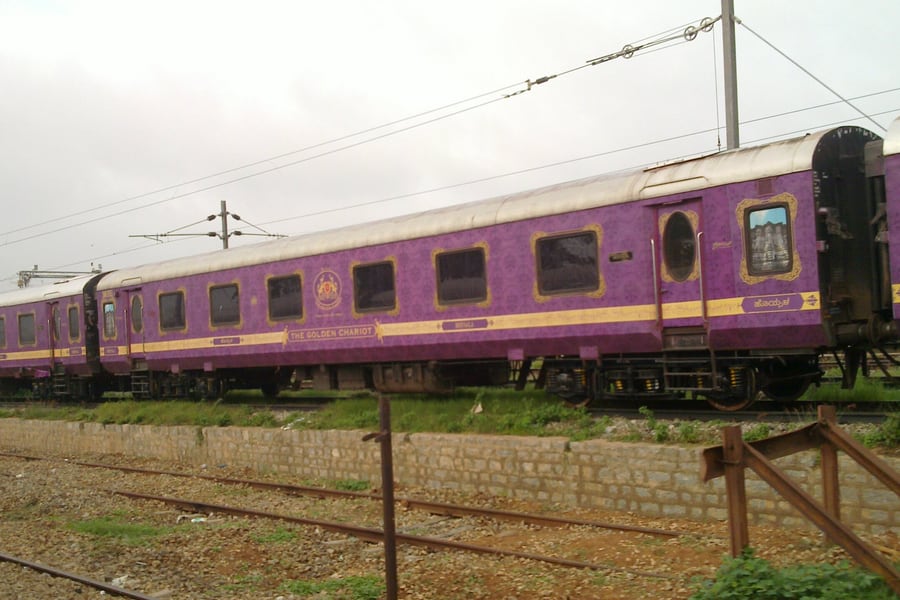
Each guest carriage holds four cabins, a mix of doubles and twins, and one cabin is built for a guest with a disability. A cabin measures 67.5 square feet, about 6 m², with its own bathroom, a television and a safe. The carriages carry the names of southern dynasties: Kadamba, Ganga, Rashtrakuta, Chalukya, Hoysala, Sangama, Vijayanagara, Satavahana, Bahamani, Adilshahi and Yadukula. The livery is purple and gold.
The two restaurants are Ruchi, which means taste, and Nalapaka, after Nala, who in the Mahabharata is one of the finest cooks of his time. Madira is the bar, and Arogya, "free of ailments", has two spa tables and an exercise room. For 2026–27 IRCTC refitted the cabins with new furnishings, smart televisions and Wi-Fi, and added CCTV and new fire alarms.
A train that came back
The Golden Chariot made its first journey, Bengaluru to Goa, on 10 March 2008, designed by the Integral Coach Factory in Chennai for Karnataka's tourism corporation. It stopped running in 2018, over technical problems and cost. Karnataka handed its operation to IRCTC in 2020, and the train returned to the rails on 21 December 2024, when a Jewels of South left Yeshwantpur with 34 guests. The 2026–27 season was flagged off on 24 October 2026, when a Pride of Karnataka left Bengaluru with 75.
IRCTC also runs the Maharajas' Express, through Rajasthan and Agra.
Along the route
 iMahesh / Wikimedia Commons · CC BY-SA 4.0 · cropped
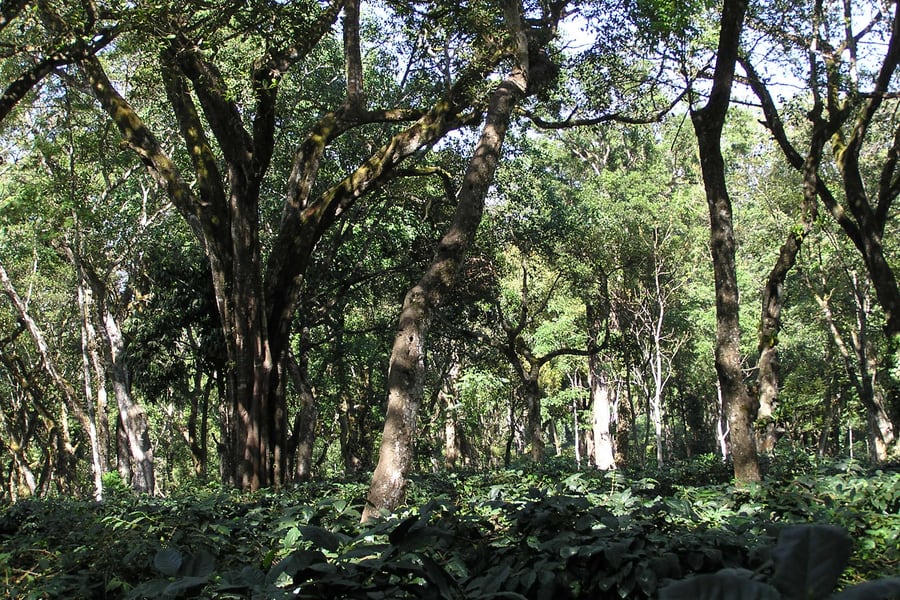
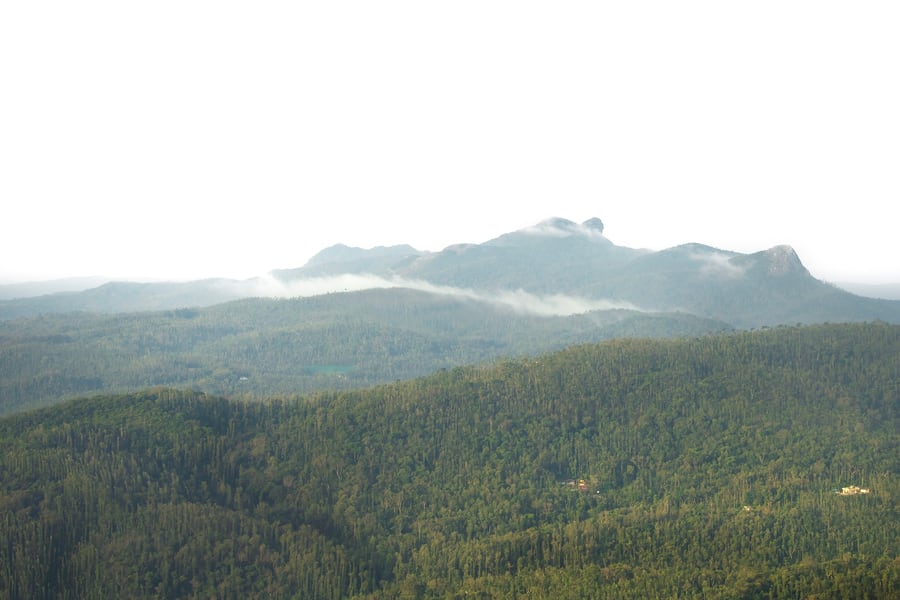
The Western Ghats
At Chikkamagaluru the train is in the hills of the Western Ghats, among coffee estates. Above the town rises Mullayyanagiri, at 1,925 m the highest peak in Karnataka. The evening is spent on a plantation, with dinner and a cultural programme.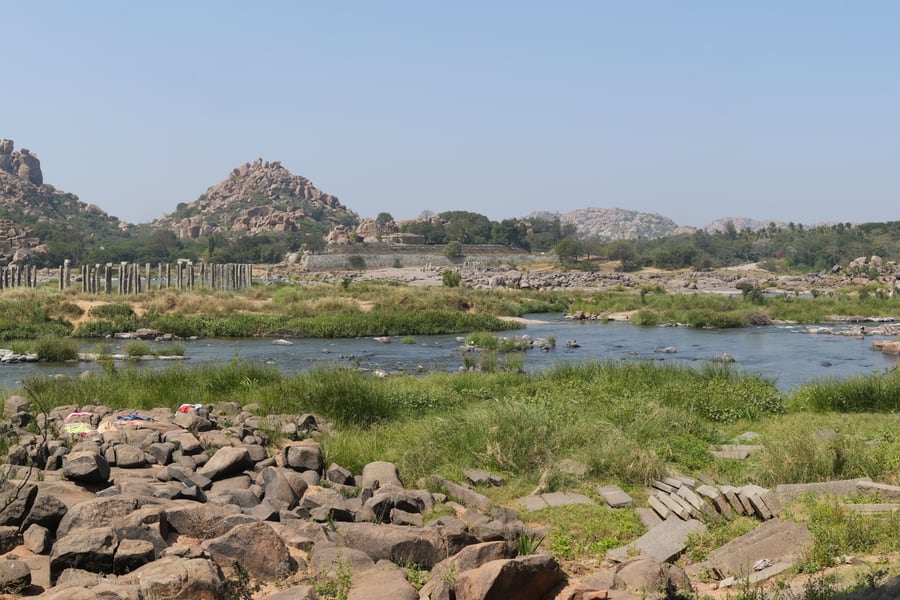 Ingo Mehling / Wikimedia Commons · CC BY-SA 4.0 · cropped
The Tungabhadra at Hampi
The ruins of the Vijayanagara capital spread along the Tungabhadra, among hills of piled granite boulders. The river runs past the Vittala temple, where the stone chariot stands, and the colonnades of the old city come down to its banks.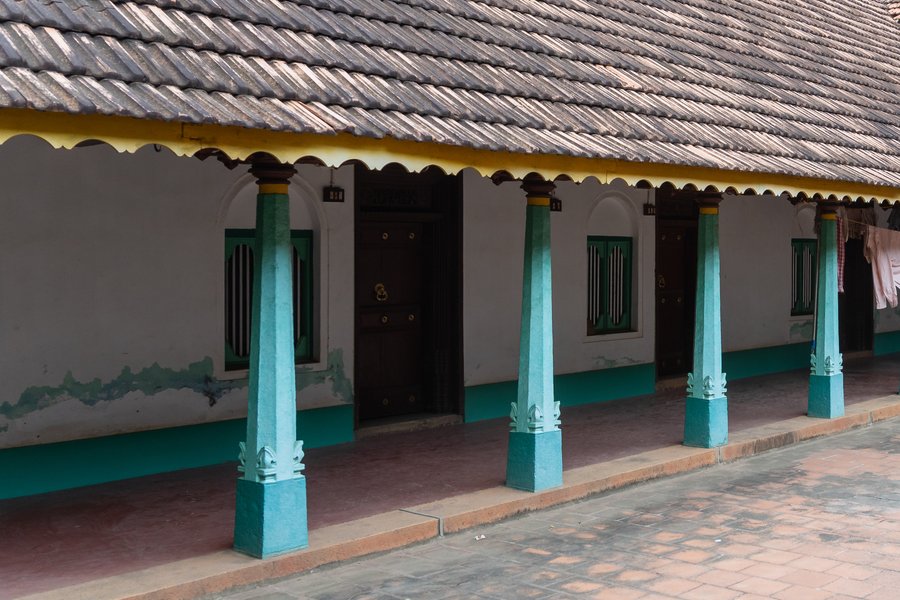 Rainer Halama / Wikimedia Commons · CC BY-SA 4.0 · cropped
Chettinad
Seventy-six villages around Karaikudi, home of the Nagarathar community, whose mansions open on to long courtyards of tiled floors and painted pillars. The Jewels of South stops for an afternoon of mansions and a tile workshop.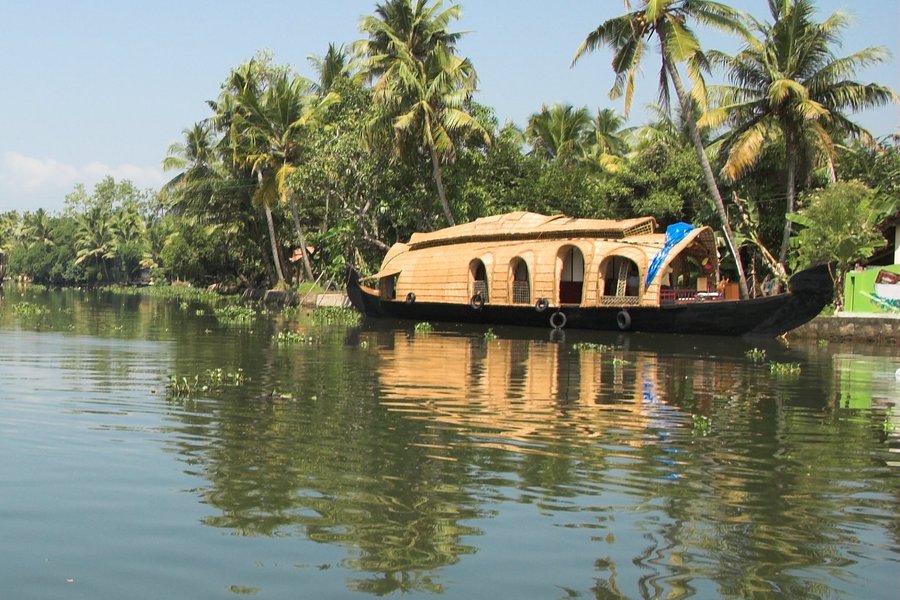 Lenish / Wikimedia Commons · CC BY-SA 3.0 · cropped
Vembanad Lake
Kumarakom lies on Vembanad, the largest lake in Kerala. The Jewels of South spends its last full day on the water, with a houseboat cruise and lunch, before the train runs back to Bengaluru.A bit of history
Culture & experiences along the way
 Charles Haynes / Wikimedia Commons · CC BY-SA 2.0 · cropped
Mysore pak
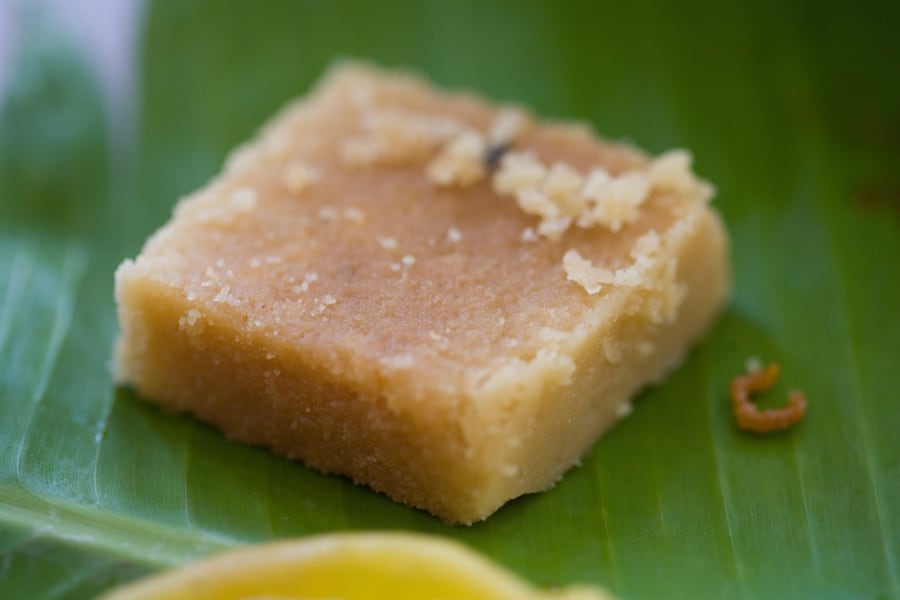
Mysore's own sweet was first made in the royal kitchens of the Kingdom of Mysore: gram flour, sugar and a great deal of ghee, often with cardamom, cooked until it sets somewhere between fudge and a dense, buttery biscuit. It is still the sweet of weddings and festivals across Karnataka.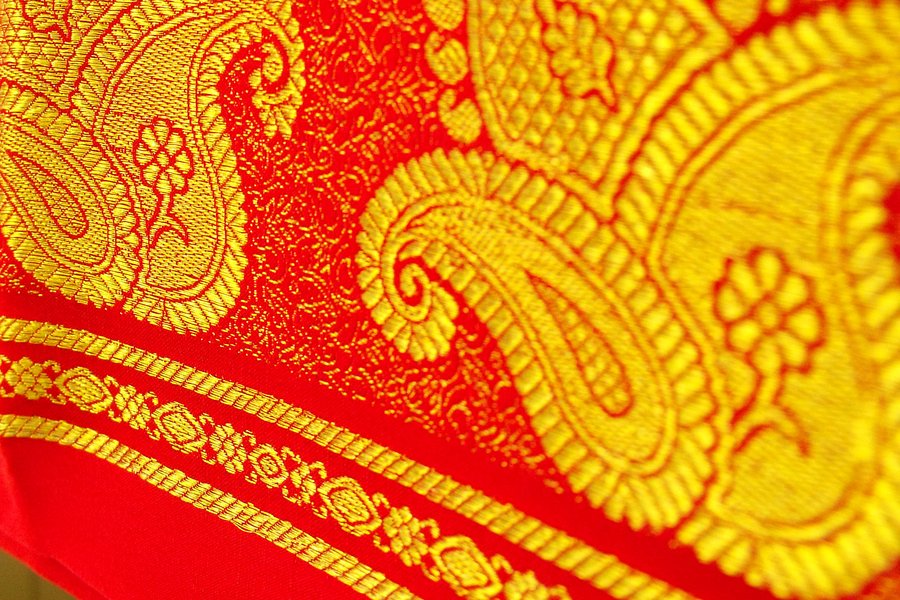 Kiranravikumar / Wikimedia Commons · CC BY-SA 3.0 · cropped
Mysore silk
Mulberry silk, woven in Mysore since the industry was revived under Tipu Sultan in the late 18th century. The silk factory founded by Krishnaraja Wodeyar IV in 1912 still weaves its saris, many bordered with zari of gold thread, and the name has a geographical indication.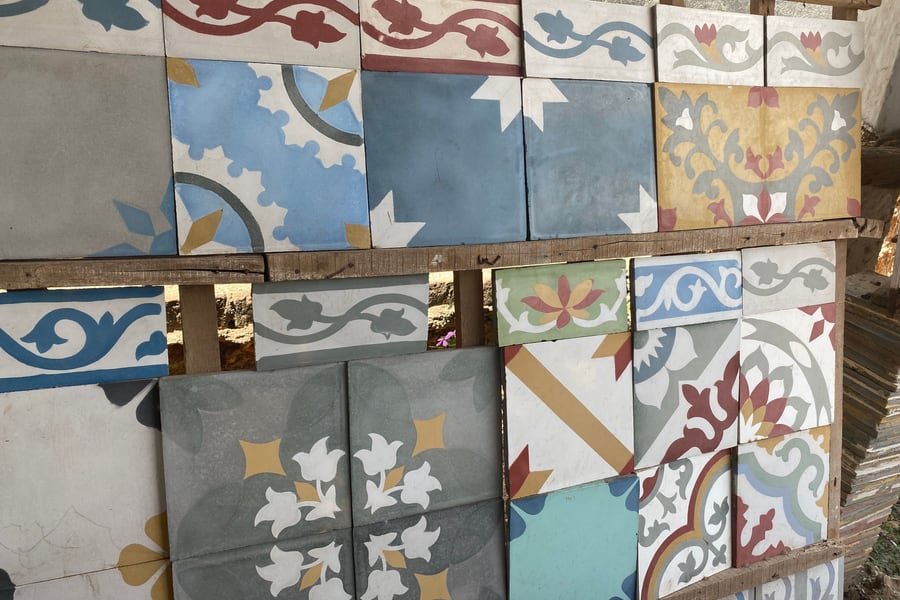 Vinayaraj / Wikimedia Commons · CC BY-SA 4.0 · cropped
Athangudi tiles
Chettinad's floor tiles are not fired. A slurry of cement and coloured oxide is poured into a patterned frame on a glass plate, backed with cement and local sand, then soaked in water for eight to twelve days and dried in the sun. The Jewels of South visits a workshop.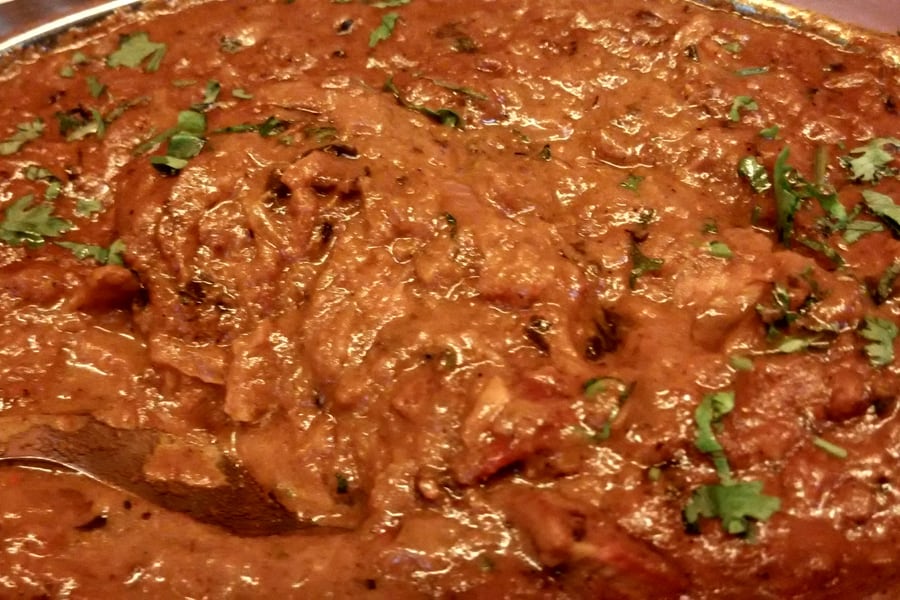 Thamizhpparithi Maari / Wikimedia Commons · CC BY-SA 4.0 · cropped
Chettinad cuisine
The cooking of the Nagarathar community is among the best known in Tamil Nadu, and among the most heavily spiced: star anise, fennel, cinnamon, cloves, pepper and kalpasi, a lichen, ground fresh for each dish. A dry country also taught it to cook with sun-dried meats and salted vegetables.Timetables
The train runs one journey at a time, so each of the three leaves only a few times a season. Every 2026–27 departure is a Saturday from Yeshwantpur (YPR), Bengaluru.
Departures, 2026–27
| Journey | Nights | Nov 2026 | Dec | Jan 2027 | Feb | Mar |
|---|---|---|---|---|---|---|
| Pride of Karnataka | 5 | 14 | 26 | 2, 30 | 27 | 13 |
| Jewels of South | 5 | 28 | — | — | 20 | 27 |
| Glimpses of Karnataka | 3 | — | 19 | — | 6 | — |
On 16 November 2026 the online booking form listed only some of these: the Pride of Karnataka on 26 December and 30 January, the Jewels of South on 28 November, 20 February and 27 March, and the Glimpses of Karnataka on 19 December.
Departures, 2027–28
From October 2027 the train leaves on Mondays (the first Glimpses of Karnataka is a Friday).
| Journey | Oct 2027 | Nov | Dec | Jan 2028 | Feb | Mar |
|---|---|---|---|---|---|---|
| Pride of Karnataka | 18 | 15 | 27 | 24 | 21 | 20 |
| Jewels of South | 25 | 29 | 13 | 10 | 28 | 6 |
| Glimpses of Karnataka | 8 | 8 | 20 | 17 | 7 | 13 |
Boarding and the Pride of Karnataka, day by day
Check-in at Yeshwantpur opens at 08:30 on the first morning.
| Day | Where the train is | Times |
|---|---|---|
| Sat | Yeshwantpur → Nanjangud, for Bandipur | leaves 09:45, arrives 13:30; safari 16:30–18:30, back on board by 20:15 |
| Sun | Mysore, then on to Banavar | dinner on board as the train runs to Banavar (20:00) |
| Mon | Banavar, for Halebidu → Chikkamagaluru | lunch on board between them; leaves at night for Hospet |
| Tue | Hospet, for Hampi | leaves after dinner for Goa |
| Wed | Karmali → Madgaon (Goa) | ashore at Karmali 09:00–12:00; leaves Goa 22:30 |
| Thu | Yeshwantpur | guests leave the train after breakfast |
The Jewels of South leaves Yeshwantpur at 09:45 too and reaches Mysore at 14:15. The Glimpses of Karnataka leaves at 09:30 and is back at Yeshwantpur at 11:00 on day 4.
Dates and times are IRCTC's, as of November 2026, and the operator warns that itineraries and departures can change. Check the Golden Chariot dates and fares (opens in a new tab) before booking.
Tickets
The fare buys the whole journey, per person, sharing a cabin: every meal, soft drinks and the house wines, beer and spirits, butler service, and every excursion on the itinerary with its transport, guide and entrance fees. GST of 5% is added, and optional excursions cost extra. Travelling alone adds a single supplement of ₹370,500 on the five-night journeys and ₹253,500 on the Glimpses of Karnataka.
Book on the Golden Chariot (opens in a new tab) website, at IRCTC offices or through IRCTC's agents; a 20% deposit holds a cabin. IRCTC revises its rupee fares every two months and also quotes them in US dollars ($5,000 and $3,400). The fares below are for 2026–27 and 2027–28, in rupees, per person.
Book your tickets
 Rohit Sharma / Wikimedia Commons · CC BY-SA 4.0 · cropped
Pride of Karnataka
Bengaluru → Hampi → Goa → Bengaluru · 5 nights
Deluxe Cabin ₹487,500 per person sharing, single supplement ₹370,500, plus 5% GST.
Book Tickets (opens in a new tab, on goldenchariot.org)via goldenchariot.org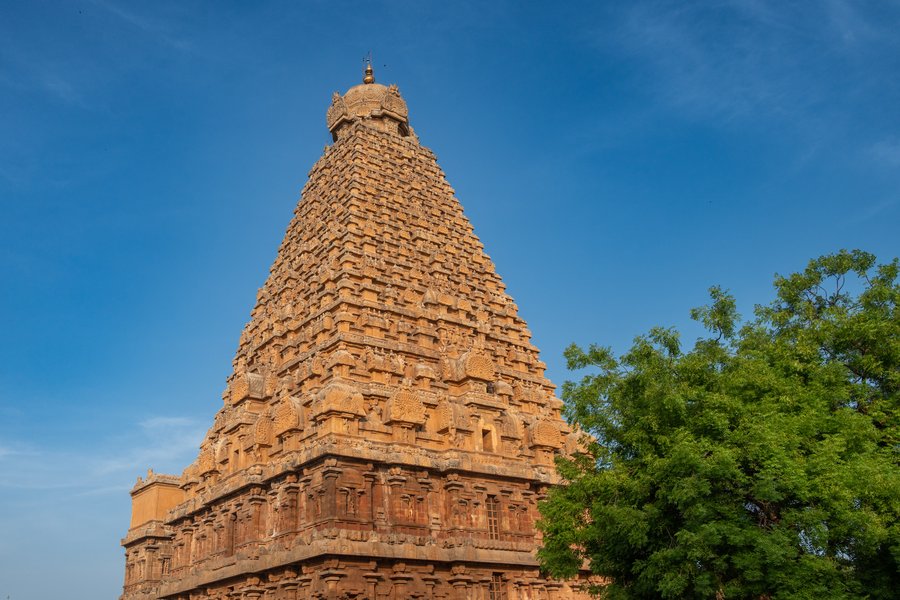 xiquinhosilva / Wikimedia Commons · CC BY 4.0 · cropped
Jewels of South
Bengaluru → Thanjavur → Kochi → Bengaluru · 5 nights
Deluxe Cabin ₹487,500 per person sharing, single supplement ₹370,500, plus 5% GST.
Book Tickets (opens in a new tab, on goldenchariot.org)via goldenchariot.org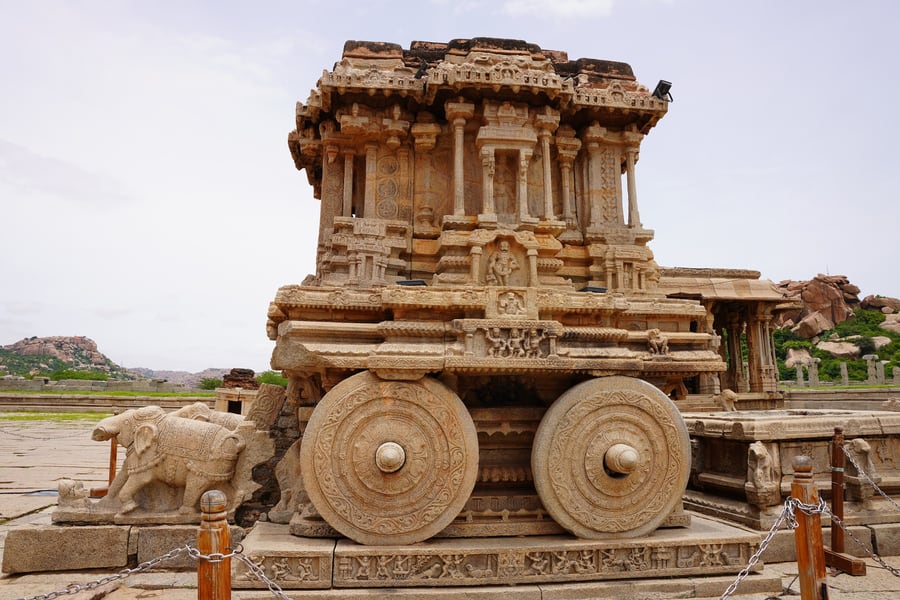 Rupeshsarkar / Wikimedia Commons · CC BY-SA 4.0 · cropped
Glimpses of Karnataka
Bengaluru → Mysore → Hampi → Bengaluru · 3 nights
Deluxe Cabin ₹331,500 per person sharing, single supplement ₹253,500, plus 5% GST.
Book Tickets (opens in a new tab, on goldenchariot.org)via goldenchariot.orgRail Passes
No rail pass covers the Golden Chariot. It is sold only as a whole journey. Indian Railways' own pass for foreign visitors, the Indrail Pass, was withdrawn by Railway Board order on 19 September 2017.
A pass would not help here anyway. The fare already includes every meal, the excursions and the guides, and the train cannot be boarded on an ordinary ticket.
Checked November 2026 against the Indrail Pass (opens in a new tab).
Places to Visit
Every stop below is part of at least one of the three journeys, and the visit is included in the fare. They run in the order of the Pride of Karnataka, with the Jewels of South's Tamil and Kerala stops at the end.
 Shailee Mehendale / Wikimedia Commons · CC BY-SA 4.0 · cropped
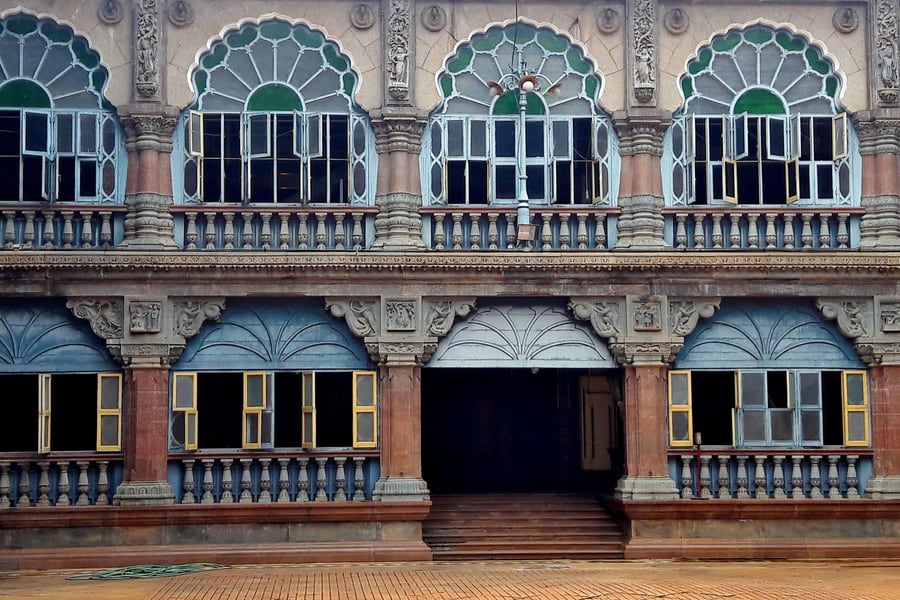
Mysore Palace
The seat of the Wadiyar kings of Mysore, built from 1897 to 1912 after fire destroyed the palace before it, to a design attributed to Henry Irwin. It mixes Indo-Islamic, Rajput, Hoysala and Gothic styles, and is among the largest palaces in India. The Mysore Dasara festival has been held in its grounds every year since the early 19th century. Every journey spends a morning here.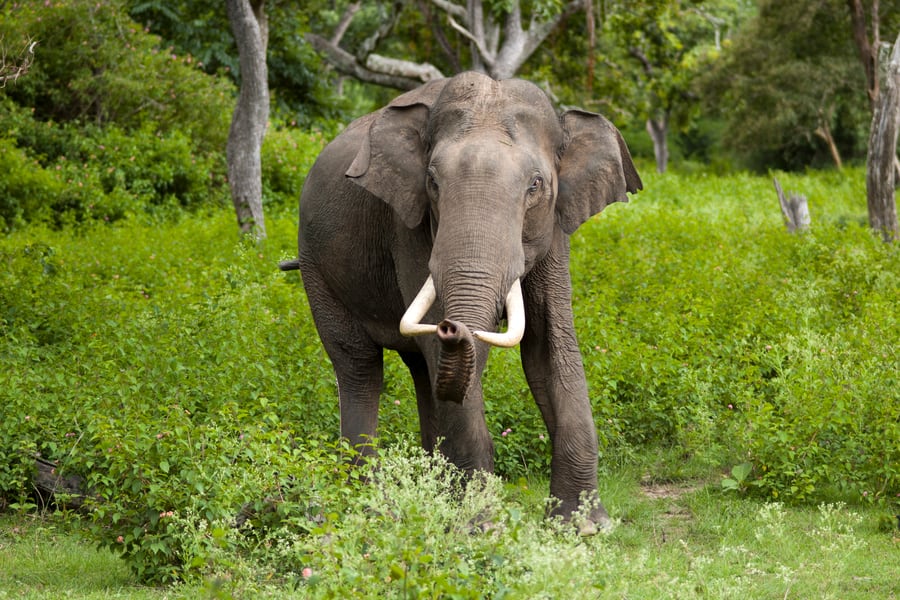 Yathin S Krishnappa / Wikimedia Commons · CC BY-SA 3.0 · cropped
Bandipur National Park
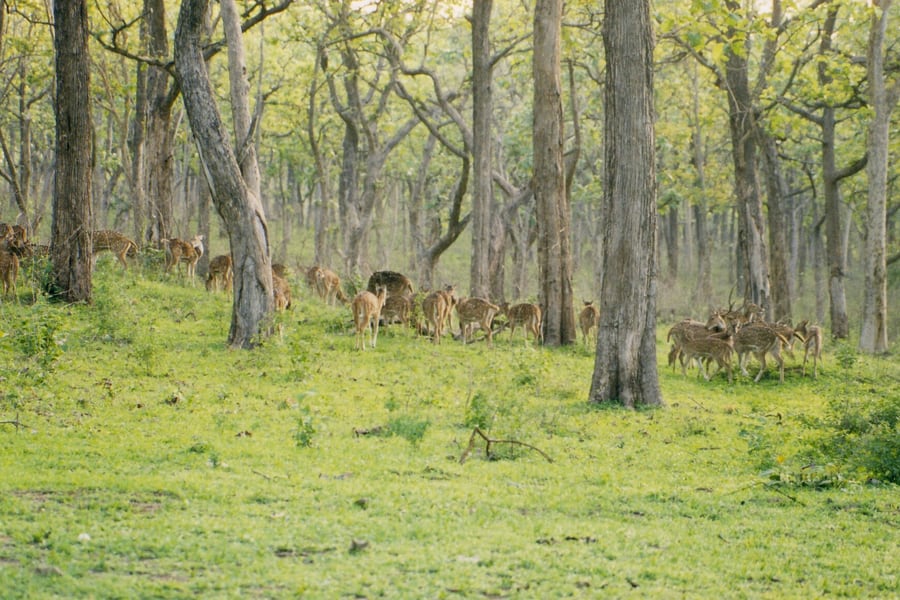
A national park of 1,456 km² in the far south of Karnataka, made a tiger reserve under Project Tiger in 1973 and part of the Nilgiri Biosphere Reserve since 1986. Its forest holds elephants, chital and tigers. The Pride and the Glimpses of Karnataka leave the train at Nanjangud for a two-hour game drive on the first afternoon.Rohit Sharma / Wikimedia Commons · CC BY-SA 4.0 · croppedHalebidu
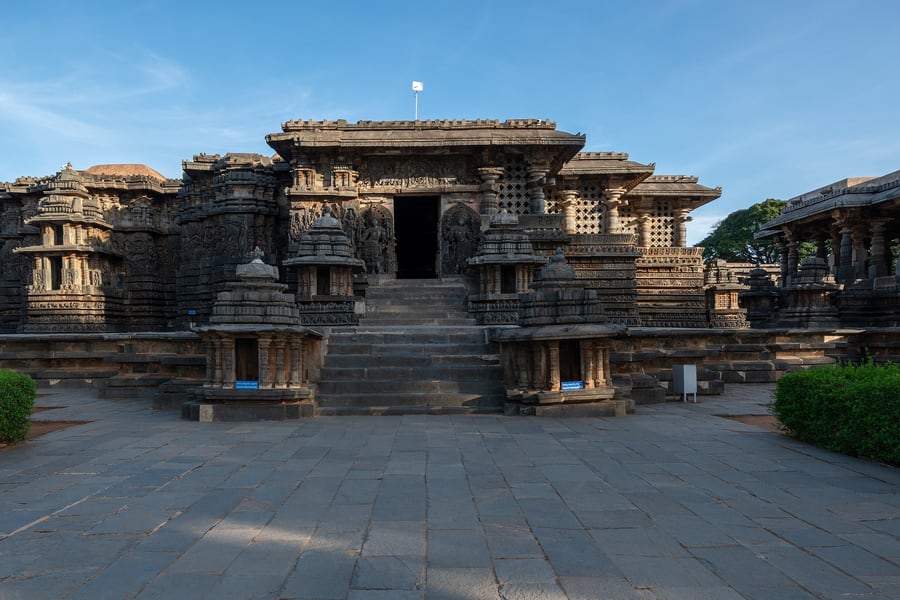
The capital of the Hoysala kings, whose twin Hoysaleswara temple to Shiva was built from about 1121 to 1160 in soapstone, on the bank of a man-made lake. About 340 large reliefs and countless friezes cover its walls, telling the Ramayana and the Mahabharata. It has been a UNESCO World Heritage Site since 2023, with Belur and Somanathapura.Rupeshsarkar / Wikimedia Commons · CC BY-SA 4.0 · croppedHampi
The ruined capital of the Vijayanagara kings, and a UNESCO World Heritage Site. In the courtyard of the Vittala temple stands the stone chariot: a granite shrine to Garuda, the eagle that carries Vishnu, modelled on the chariot temple at Konark, with wheels that were made to turn. It is on the back of the fifty-rupee note. The temple's hall has 56 musical pillars that ring when struck.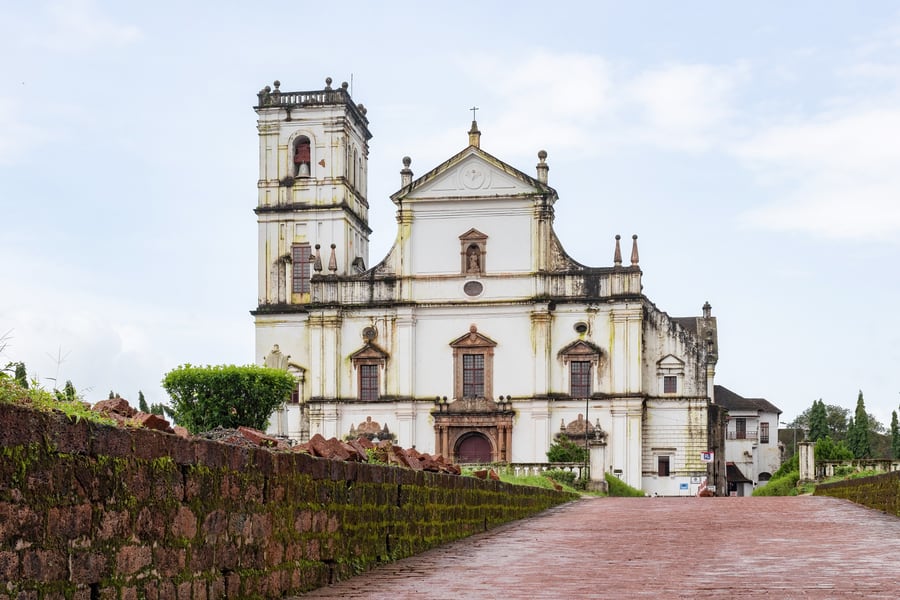 iMahesh / Wikimedia Commons · CC BY-SA 4.0 · cropped
Old Goa
Goa was the capital of Portuguese India until the viceroy moved to Panjim in 1759. Its churches and convents have been a UNESCO World Heritage Site since 1986. The Sé Cathedral, dedicated to Catherine of Alexandria, was rebuilt from 1562 and had its facade completed in 1631; it is the seat of the Archbishop of Goa and Daman. The Pride of Karnataka gives the churches a morning.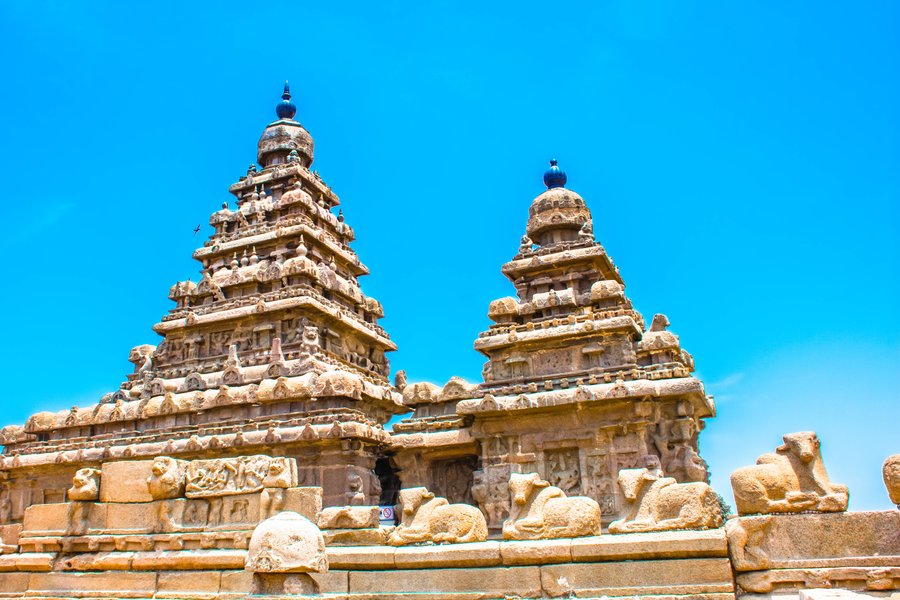 Ajaybeny1989 / Wikimedia Commons · CC BY-SA 4.0 · cropped
Shore Temple
Built of granite blocks around 725, when Mahabalipuram was a busy port of the Pallava king Narasimhavarman II, the Shore Temple overlooks the Bay of Bengal 60 km south of Chennai. It is one of the oldest stone temples in southern India built rather than cut from the rock, and part of a UNESCO World Heritage Site since 1984.xiquinhosilva / Wikimedia Commons · CC BY 4.0 · croppedBrihadisvara Temple
The Chola emperor Rajaraja I built it between 1003 and 1010 on the south bank of the Kaveri, and named it after himself. Its granite vimana, the tower over the shrine, is one of the tallest in southern India, and the temple is one of the Great Living Chola Temples on UNESCO's list. It was here that the bronze Nataraja, Shiva as lord of the dance, was commissioned.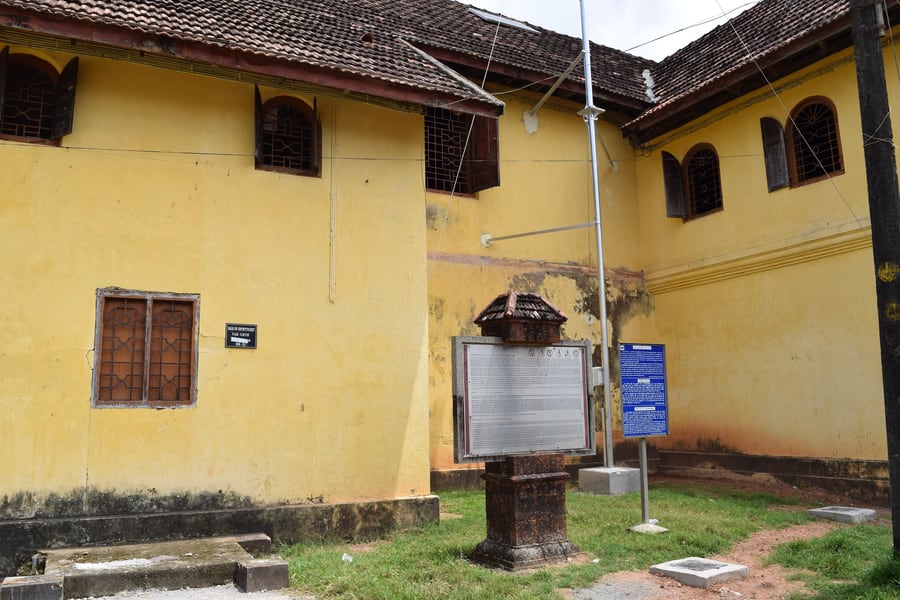 Ranjith Siji / Wikimedia Commons · CC BY-SA 4.0 · cropped
Mattancherry Palace
Known as the Dutch Palace, though the Portuguese built it, about 1545, as a gift to the king of Cochin; the Dutch took over Mattancherry in 1663. Murals of Hindu religious art cover its walls, and portraits of the Rajas of Cochin hang in what was once the coronation hall. The Jewels of South visits it, with a performance of Kerala dance.Where to Sleep
Check-in at Yeshwantpur opens at 08:30, and every journey starts and ends there, so a night in Bengaluru before the train makes the first morning easy.
Where to stay
 Thejeshgn / Wikimedia Commons · CC BY-SA 4.0 · cropped
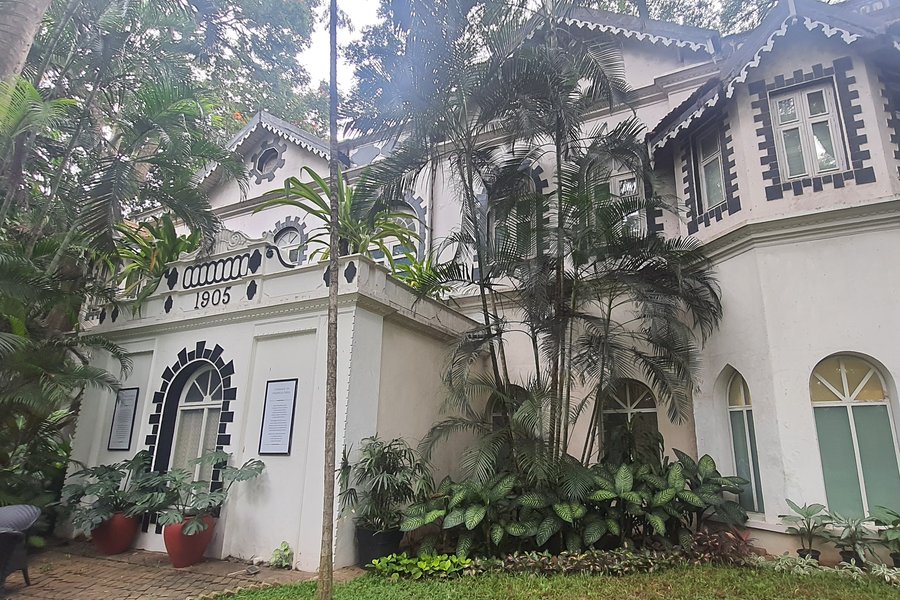
Taj West End
Race Course Road, Bengaluru
A Taj hotel of 95 rooms and 22 suites in 20 acres of old gardens, with Bengaluru's second-oldest known rain tree.
Check Availability (opens in a new tab, on tajhotels.com)via tajhotels.comQuestions or corrections
Planning this trip and stuck on something, or spotted a time, fare or detail that has changed? Send us a message about Golden Chariot. We read every one, and we update this page when something has changed.