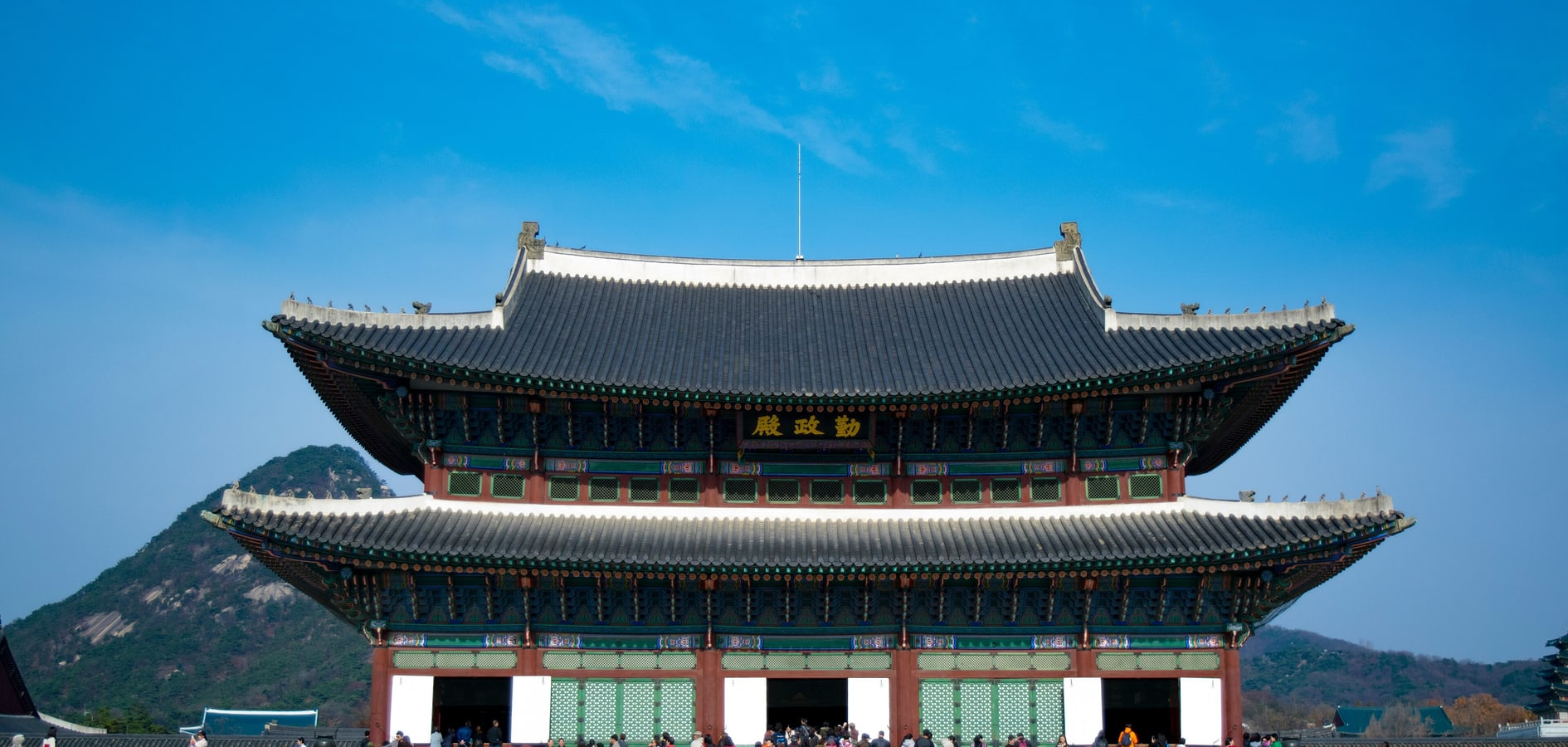
South Korea

South Korea bought a French railway in 1994 and then learned to build its own. The first KTX trains were TGV derivatives; by 2013 a Korean-designed prototype had run at 430 km/h, making this the fourth country on earth — after Japan, France and China — to develop a train that fast. High-speed lines now radiate from Seoul to most of the country, and Busan, four hundred kilometres away at the far end of the peninsula, is a day trip.
The other Korean railway is the one the high-speed network left behind: single-track lines back into the mountains of Gangwon, built for coal, emptied by the closure of the mines, and kept alive — where they have been kept alive at all — by tourist trains running two or three days a week. The two experiences could hardly be less alike, and both are worth having.
Rail journeys in South Korea
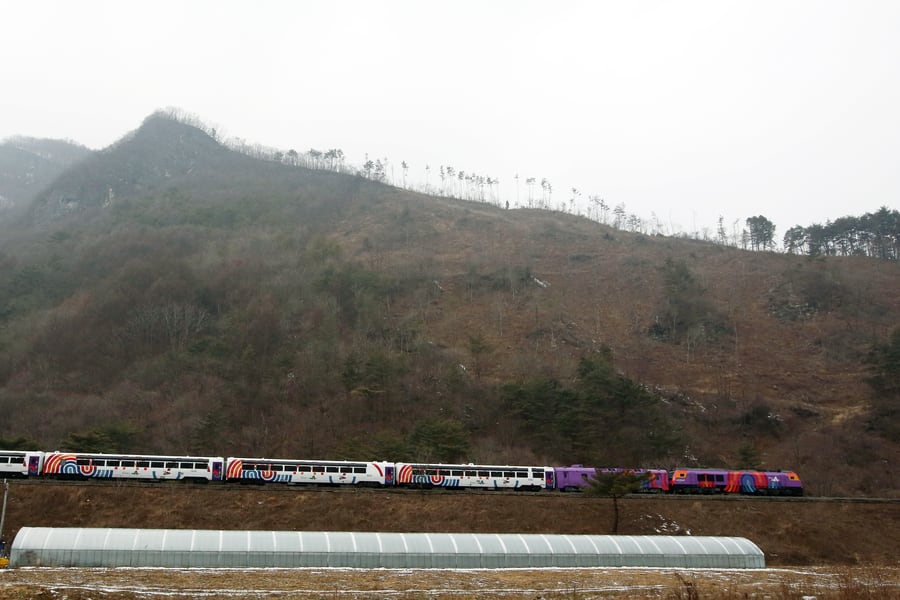
The Jeongseon Arirang Train
A coal railway that lost its coal, kept alive by a tourist train named after a folk song — running two days a week, plus the days the market is on.
View journey →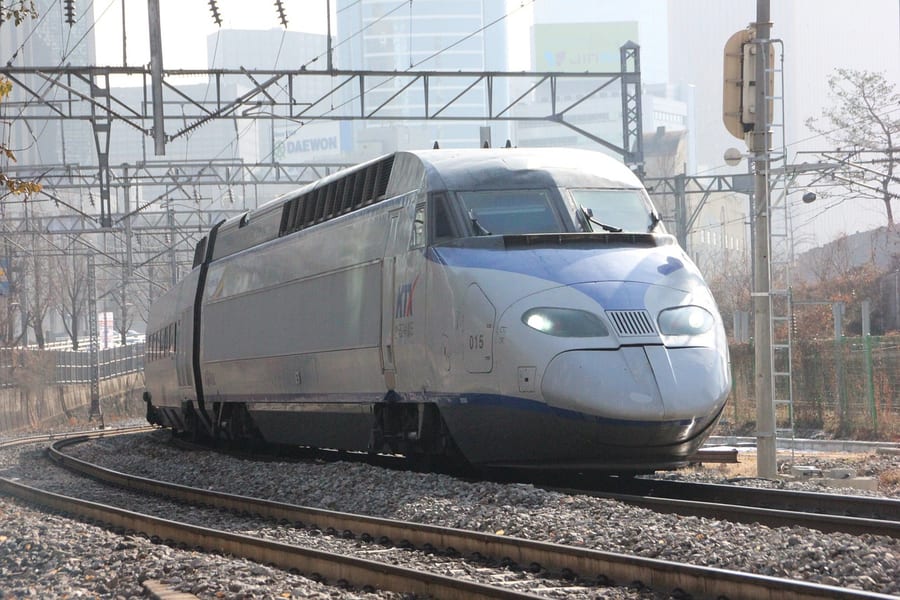
The KTX · Seoul to Busan
The length of South Korea in two and a quarter hours at 305 km/h, on a line built with French technology and now worked by trains the Koreans designed.
View journey →Good to know
What are South Korea's best rail journeys?
Two, at opposite extremes. The KTX from Seoul to Busan crosses the country in about two and a quarter hours at 305 km/h, on a line that took twenty-three years to finish. The Jeongseon Arirang Train runs two days a week — plus the days the five-day market is on — up a former coal railway in the mountains of Gangwon, to the valley where the folk song Arirang is believed to have come from.
Is South Korea easy to explore by train?
Very. Korail runs a dense, punctual, inexpensive network, with high-speed KTX services radiating from Seoul, ITX-Saemaeul expresses and all-stations Mugunghwa trains beneath them. English booking and signage are good at major stations. The one thing visitors miss is SRT, a second high-speed operator running from Suseo in south-eastern Seoul over the same line to Busan, usually a little cheaper — worth comparing, and not covered by the Korail pass.
How do I book, and is there a rail pass?
Book through Korail at letskorail.com or the Korail Talk app; foreign cards work and tickets are held on the phone. Foreign visitors can buy a KORAIL PASS for unlimited travel on Korail services over two, three, four or five days, which pays for itself quickly if you are doing Seoul–Busan and anything else — but it does not cover SRT. Book well ahead for Seollal and Chuseok, when the entire country travels at once.
When is the best time to travel by train in South Korea?
April to May for the blossom and September to November for the autumn colour, which is spectacular in the mountains. Midsummer is hot, very humid and includes the jangma rainy season; winter is cold and dry, and in Gangwon province genuinely severe. Note that the scenic trains follow their own calendars — the Jeongseon Arirang Train runs at weekends and on the 2nd, 7th, 12th, 17th, 22nd and 27th of each month, and has been suspended more than once, so confirm before you travel.