Portugal
TheDumpy / Wikimedia Commons · CC BY-SA 4.0 · cropped
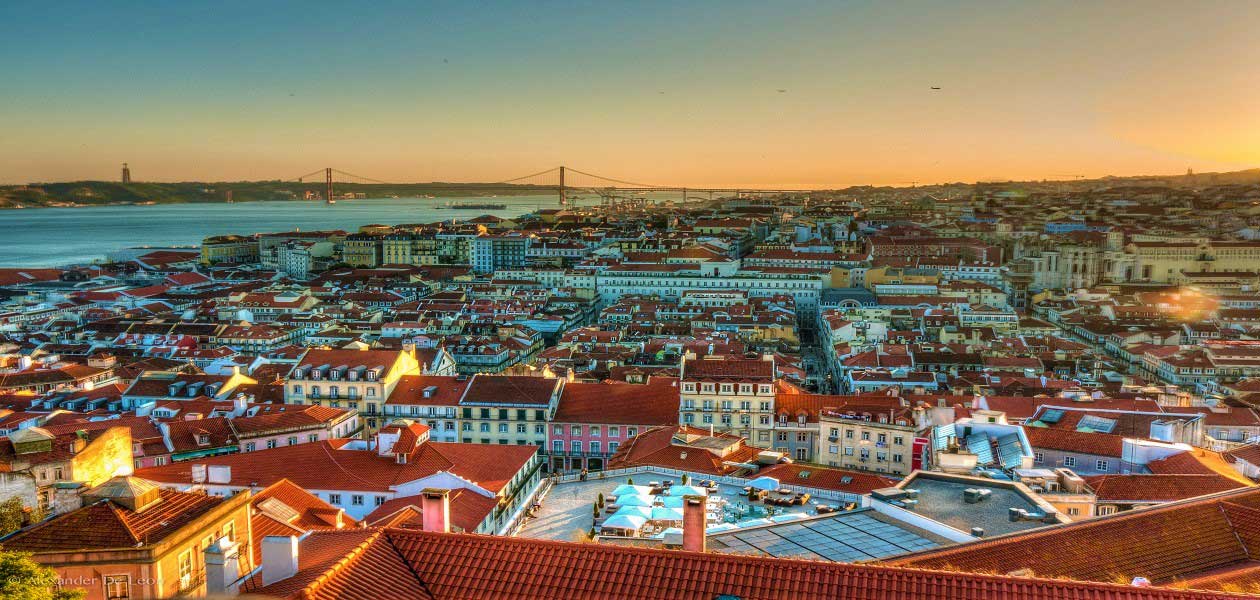
Portugal occupies the south-western corner of the Iberian Peninsula, with Spain along its northern and eastern border and the Atlantic everywhere else, and it takes in the island archipelagos of Madeira and the Azores far out in the ocean — sea and internal waters together account for two-fifths of its territory. Lisbon is the capital and largest city, Porto the second, and the mainland changes quickly as you move inland, from Atlantic coast to a mountainous interior.
Because nothing is far from anything else, the railway is an easy way to see it. Comboios de Portugal links Lisbon and Porto with fast intercity trains and then, off the main line, keeps some of the most beautiful regional railways in Europe — river valleys, terraced vineyards, and the last surviving metre-gauge line in the country. Fares are low, the journeys are short, and the regional trains are best taken slowly, with a glass of something and no particular hurry.
Rail journeys in Portugal
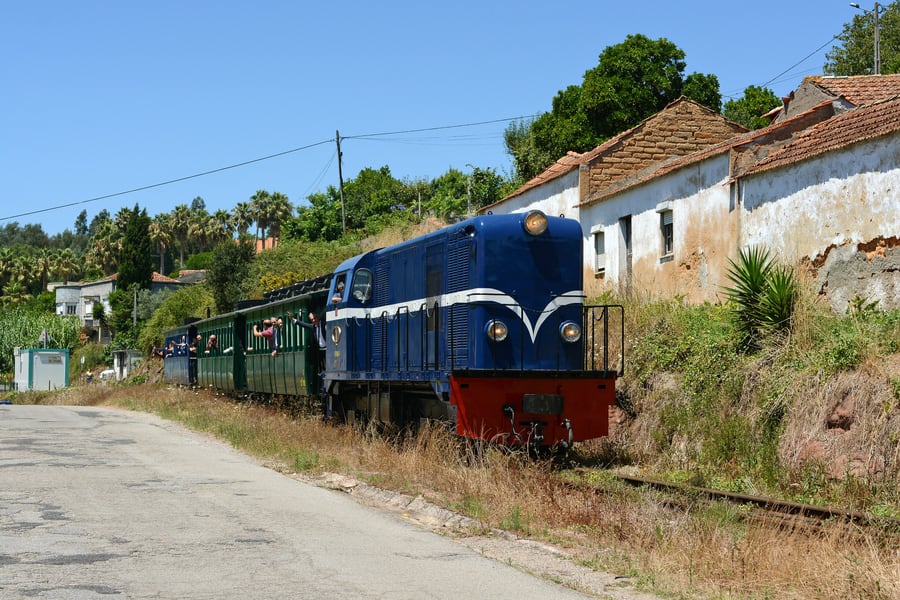
Comboio Histórico do Vouga
Portugal's last metre-gauge railway and the historic train that works it — wooden carriages from the early 1900s, on a line still broken in the middle.
View journey →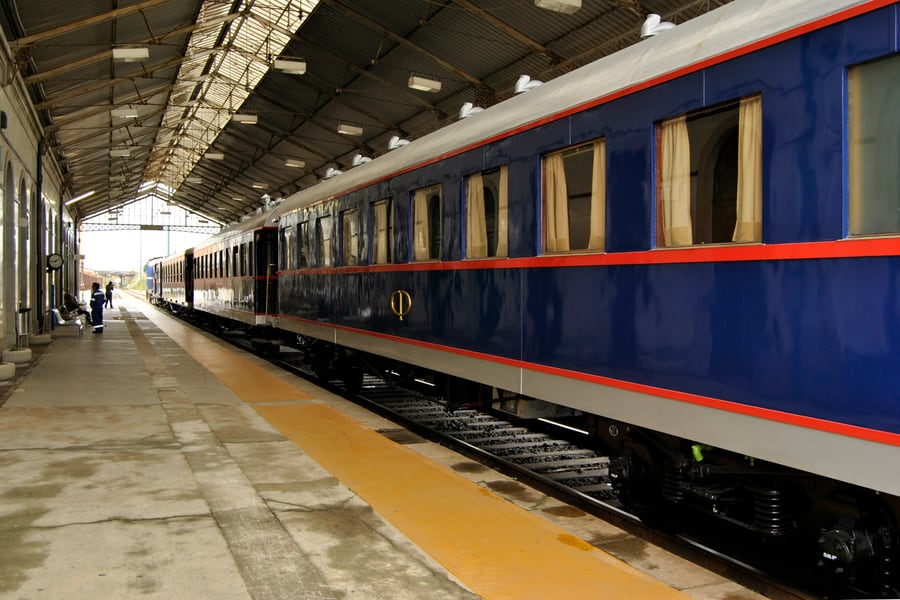
Comboio Presidencial
Portugal's royal train of 1890, which became the Presidential Train when the monarchy fell — and now runs the Douro as a museum you can eat dinner in.
View journey →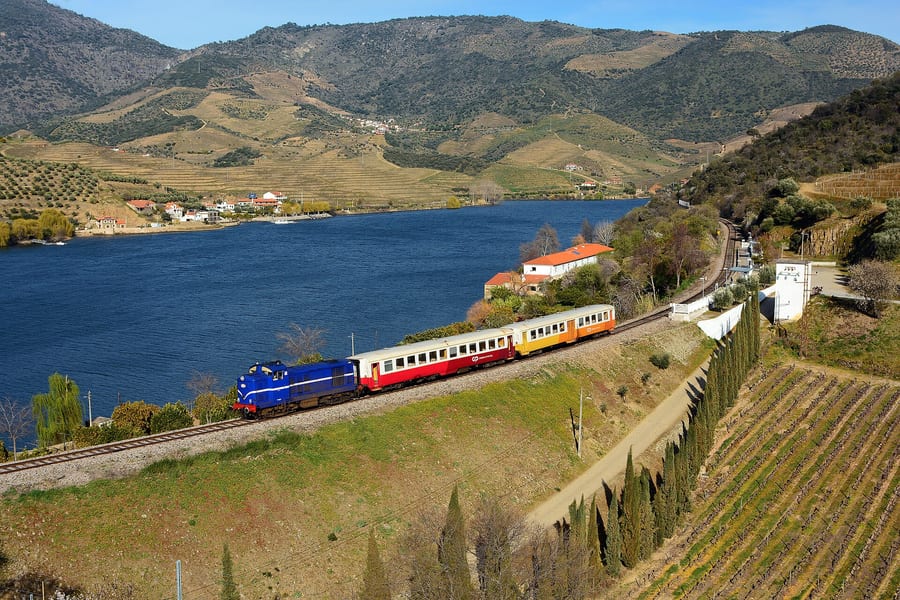
The Douro Line
Portugal's most beautiful railway — an ordinary regional train that leaves Porto and hugs the Douro for hours, through the world's oldest wine region.
View journey →Good to know
What are Portugal's best rail journeys?
The scenic star is the Linha do Douro, which hugs the river up through the port-wine country to Pocinho. For something rarer, the Comboio Histórico do Vouga runs early-1900s carriages on the only narrow-gauge line left in Portugal, and the Comboio Presidencial — the country's royal-turned- presidential train — runs the Douro a few Saturdays a year. The fast Lisbon–Porto main line, the green Minho lines and the historic trams of Lisbon and Porto round out the list.
Is Portugal easy to explore by train?
Yes. CP links the main cities and regions: fast Alfa Pendular and Intercidades trains connect Lisbon and Porto in around three hours, and regional lines reach the Douro, the Minho and the Algarve. Fares are low and the cities are compact, so the train is an easy way to get around. The one caveat is the branch lines — the Vouga line, for instance, has carried no passengers through its middle section since 2013.
How do I buy tickets or do I need a pass?
For most trips you just buy each journey on cp.pt or at the station. Long-distance Alfa Pendular and Intercidades trains are reserved and cheaper booked a few days ahead; regional and urban trains are turn-up-and-go. A rail pass rarely pays off for a Portugal-only trip, so point-to-point tickets are usually best. The heritage trains are separate products with their own dates, and both sell out — book those first and plan around them.
When is the best time to visit Portugal?
Spring (April–June) and autumn (September–October) are mild and pleasant and the nicest for travelling; summer is hot and busy, especially on the coast. Autumn brings the Douro grape harvest, which is when the Presidential Train is at its best. If you want the Vouga historic train, though, you have no choice — it only runs on nine Saturdays in July and August.