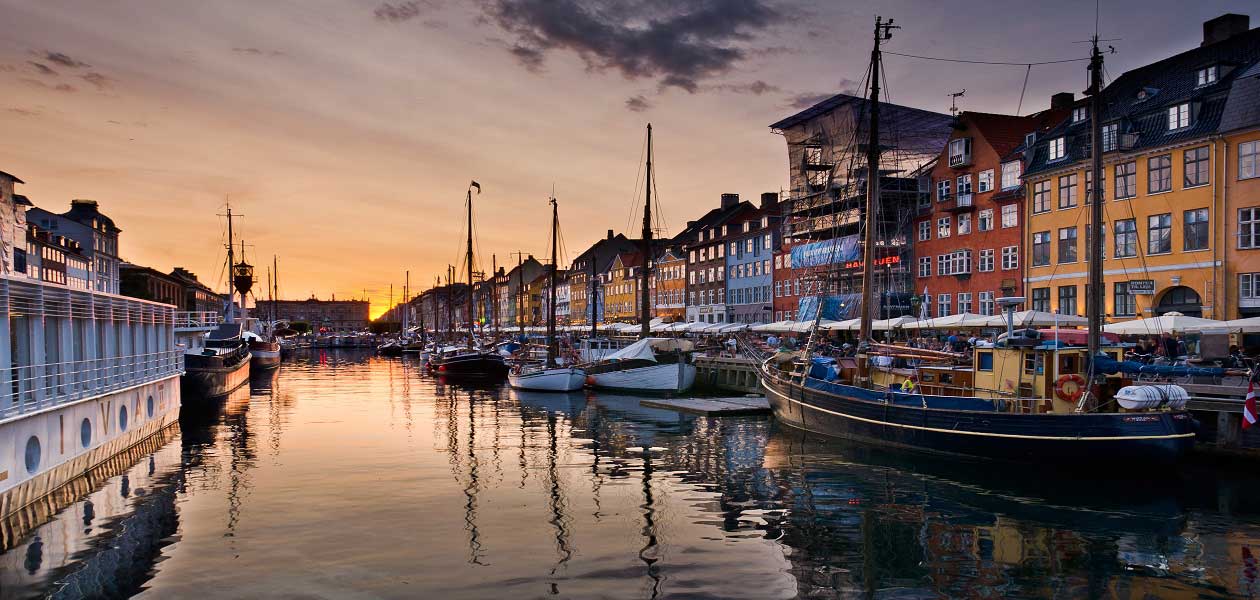
Denmark

Denmark is the smallest and southernmost of the Nordic countries, made up of the Jutland peninsula and an archipelago of some 406 islands, of which about 70 are inhabited. It covers roughly 43,000 square kilometres and is home to around six million people, most of them in and around the capital, Copenhagen, on the island of Zealand. Denmark shares its only land border with Germany to the south, faces Sweden across the Øresund and the Kattegat, and faces Norway across the Skagerrak; the land itself is almost entirely flat, low-lying and given over to farmland, coast and dune.
Trains here mostly do ordinary work: the state operator DSB and a handful of private regional companies run frequent, everyday services between the mainland's cities and out onto Zealand and Funen, connected by bridges rather than the ferries that once linked them. The network is compact — some 2,600 kilometres of track in total — and only about a third of it is electrified, so diesel and battery trains still do much of the regional work outside the main Copenhagen corridor. Around the capital one zone ticket covers train, bus, S-tog and metro alike, and an ordinary commuter fare is often all that stands between a city platform and somewhere worth going.
Rail journeys in Denmark
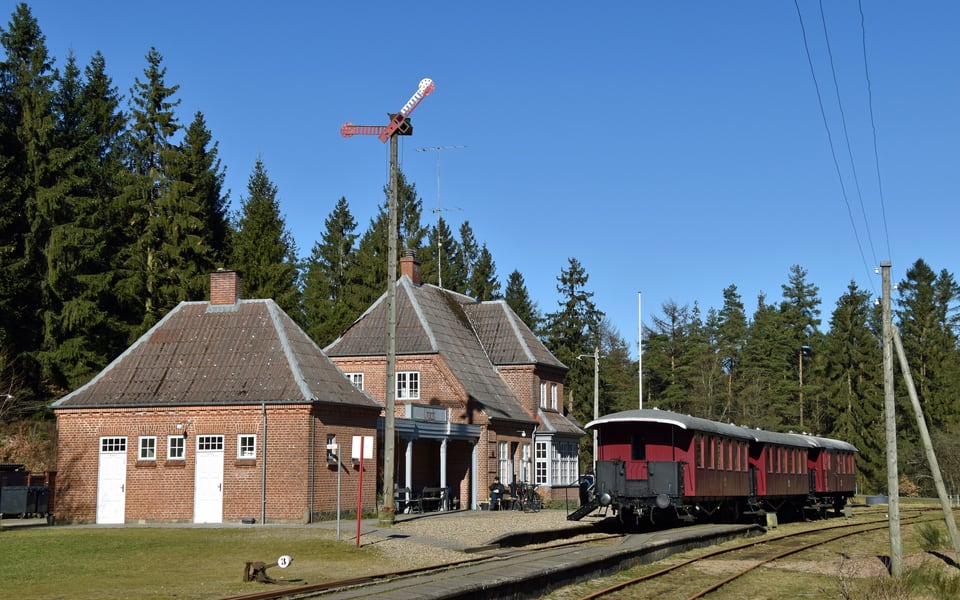
Bryrup to Vrads: Denmark's Most Beautiful Railway
Five kilometres of woodland railway in Jutland — all that survives of the last private line Denmark ever built, kept going by the sidelines that outlived it.
View journey →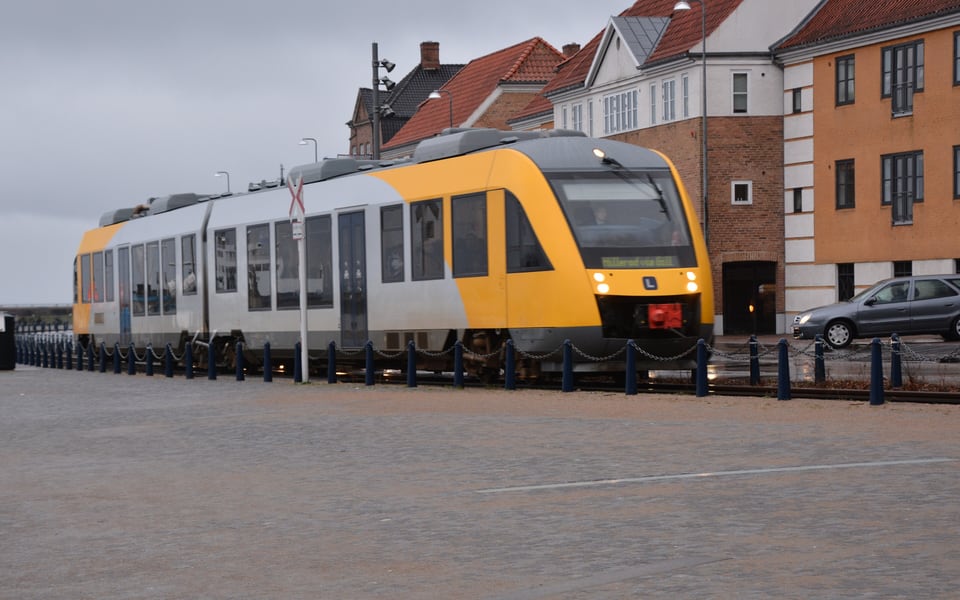
Helsingør to Gilleleje: the Hornbækbanen
Twenty-five kilometres along the top of Zealand to a working fishing harbour, on a railway authorised in 1894 that nobody built until a rival threatened it.
View journey →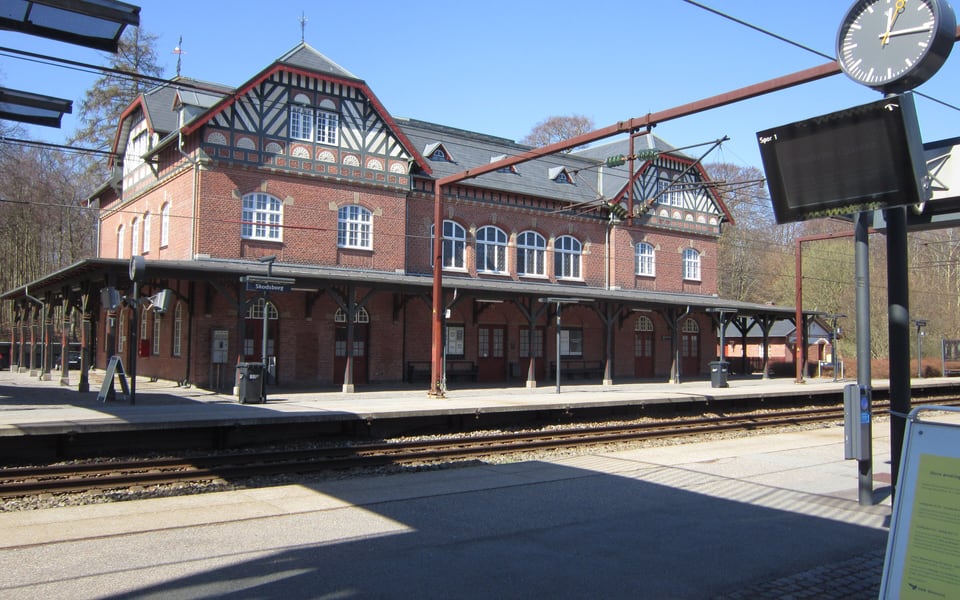
Copenhagen to Helsingør: Denmark's Coast Line
A line called the Coast Line that the War Ministry would only allow if it was kept back from the coast — 46 kilometres to Elsinore on a commuter ticket.
View journey →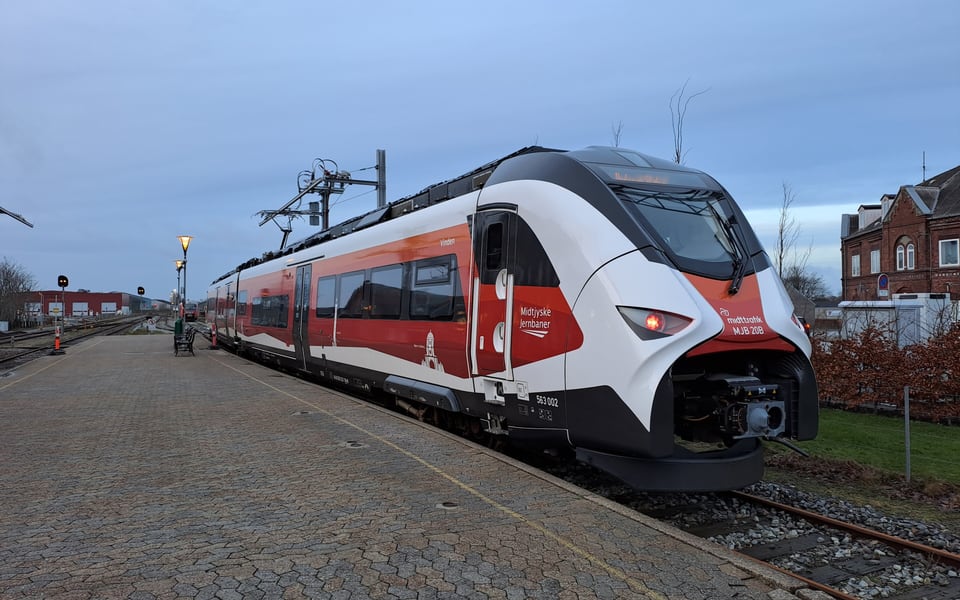
Vemb to Thyborøn: the Lemvigbanen
Fifty-seven kilometres to a North Sea fishing harbour, on a line the town of Lemvig built itself — and the first railway in Denmark to run on batteries.
View journey →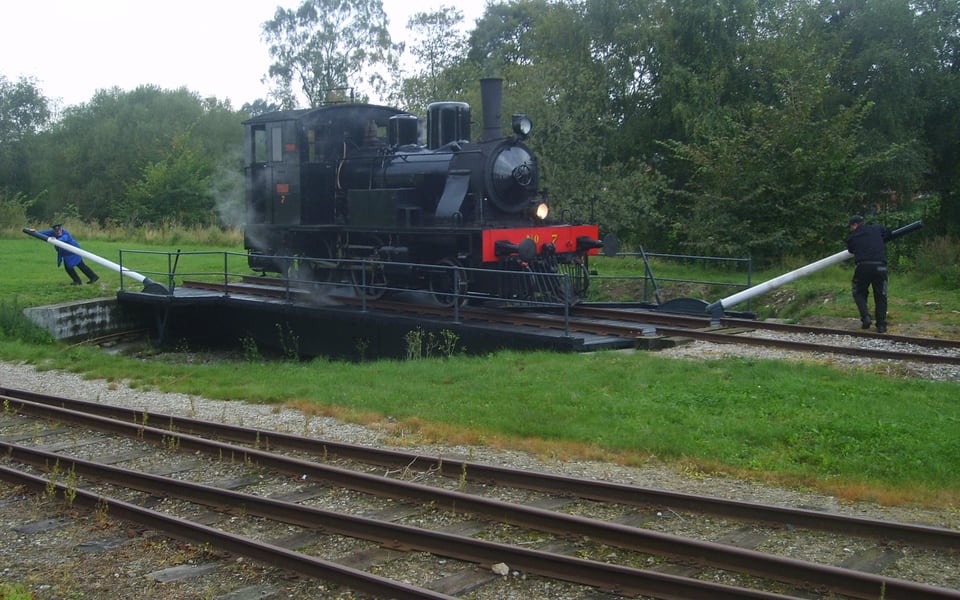
Mariager to Handest: Denmark's Longest Heritage Railway
Seventeen kilometres from a fjord market town into the Himmerland hills, worked by wooden motor coaches and carriages built between 1900 and 1950.
View journey →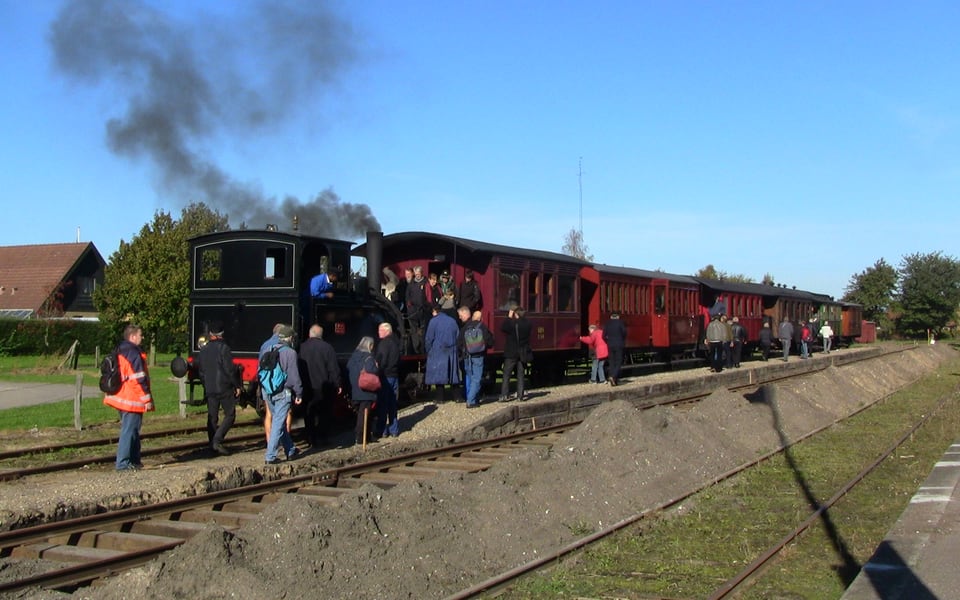
Maribo to Bandholm: Denmark's oldest heritage railway
Eight kilometres of steam across Lolland — Denmark's first private railway of 1869, worked since 1962 by the country's oldest preservation society.
View journey →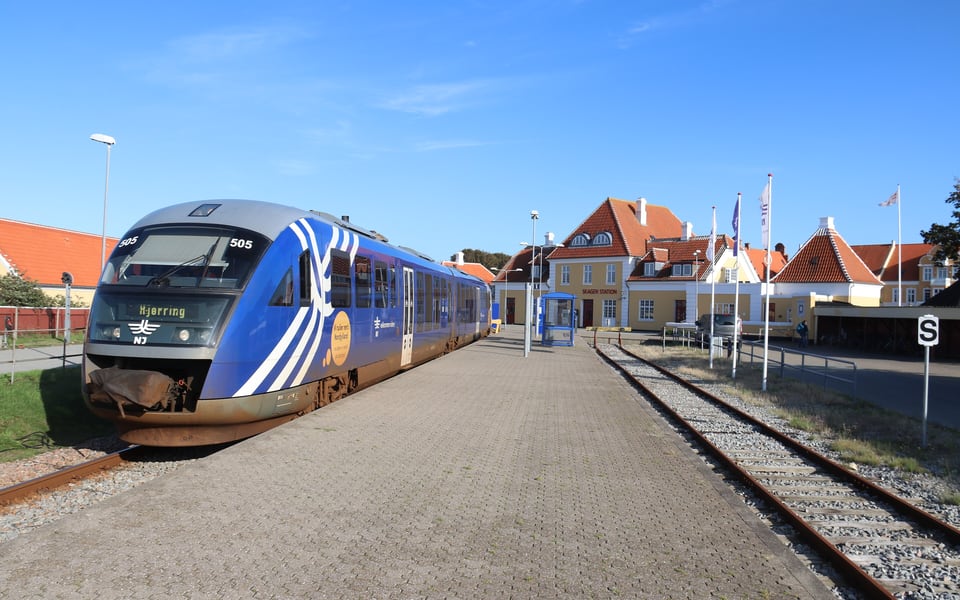
Frederikshavn to Skagen: the Skagensbanen
A half-hourly train up the North Jutland coast to Denmark's northernmost town — built for fish, rebuilt for fish, and still an ordinary ticket.
View journey →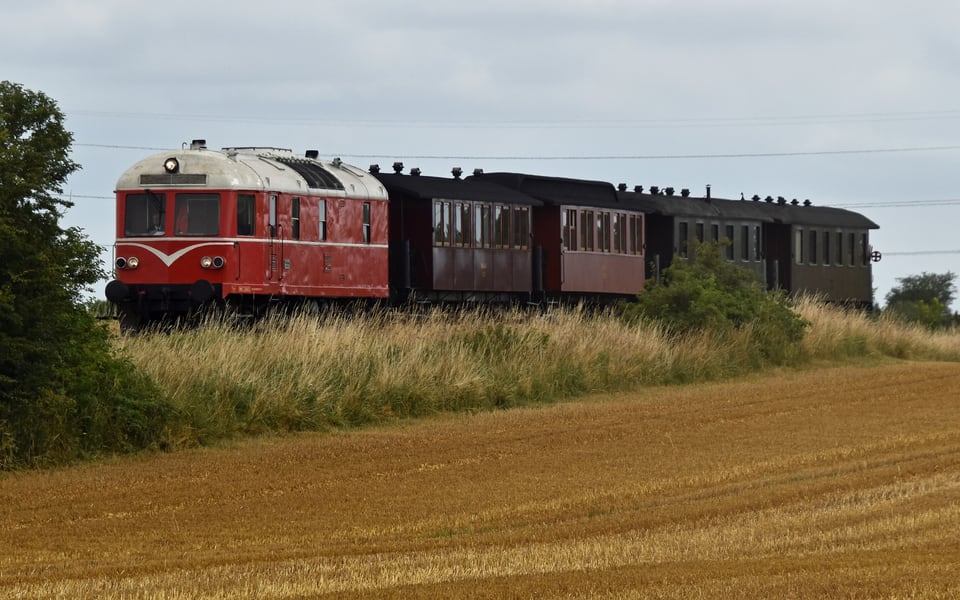
Vojens to Haderslev: The Railway That Owns No Trains
A branch line saved from becoming a cycle path by volunteers who took on the rails but deliberately not a single carriage — every train here is borrowed.
View journey →Good to know
Is Denmark easy to explore by train?
Yes. Denmark's rail network is compact and the country is flat, so journeys between the main cities are short and frequent. DSB runs the national network, with private regional operators covering secondary lines such as the one out to Skagen at the country's northern tip.
How do tickets and passes work?
DSB's national tickets, including its discounted Orange fares, cover most of the network and also carry across onto several regional operators. Interrail and Eurail passes are fully valid on DSB, Arriva and Øresundståg trains, but only give a discount — not free travel — on some smaller regional operators, so it is worth checking which applies to any given line.
When is the best time to visit Denmark?
Denmark's trains run on ordinary year-round schedules rather than a seasonal calendar, so there is no single best time to travel by rail here. Late spring to early autumn is generally the most pleasant for the coast and countryside either side of the tracks.
What rail experiences stand out in Denmark?
For now, the Skagensbanen is the one to know: a half-hourly regional train that runs, on an ordinary ticket, the length of the North Jutland coast to Skagen — the northernmost town in Denmark, and a short walk from the point where two seas meet.