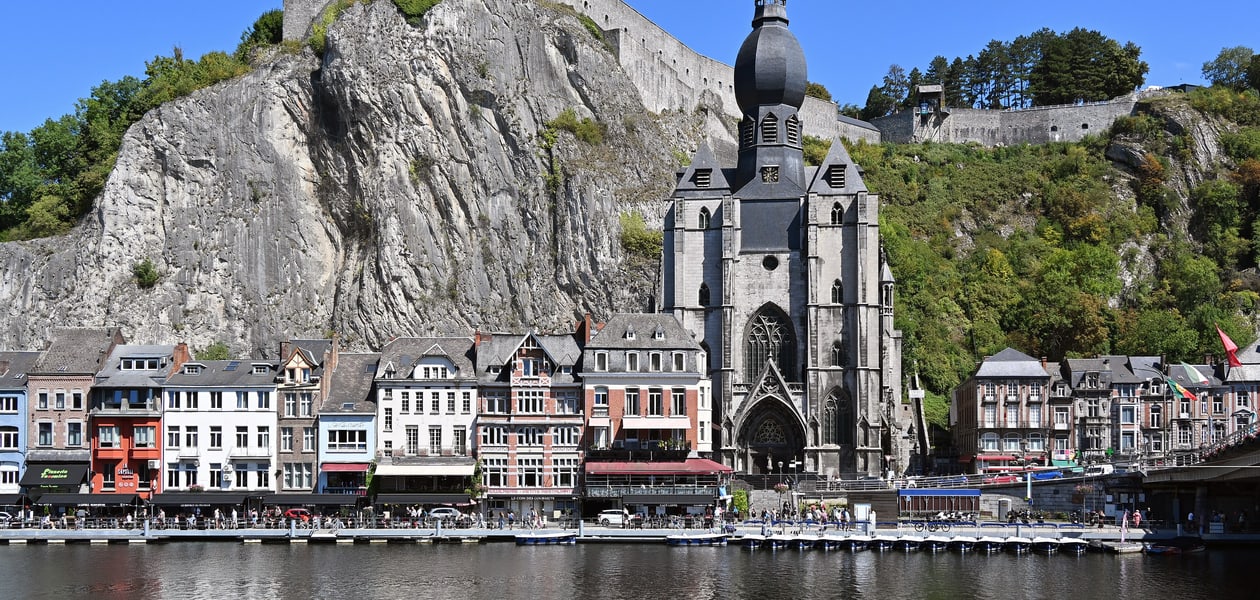
Belgium
DimiTalen / Wikimedia Commons · CC0 · cropped

Belgium is a small, crowded country in the Low Countries, wedged between the Netherlands, Germany, Luxembourg, France and the North Sea. Some 11.8 million people live in fewer than 31,000 square kilometres, which gives it the sixth-highest population density in Europe, and they do so in three official languages — Dutch in the north, French in the south, German along the eastern border. Brussels is the capital and largest city; Antwerp, Ghent, Liège and Bruges all lie within about an hour of it.
That compactness is what makes the country such easy railway territory. SNCB/NMBS runs frequent, inexpensive trains between every city worth visiting, so no journey lasts long and none needs planning far ahead, and Brussels is a high-speed hub for Paris, London and Amsterdam. The land is flat until the south-east, where the Ardennes give the network its scenery — wooded river valleys, tunnels and gradients. Alongside the national network, volunteers keep a remarkable amount of older railway running: coal-fired steam, vintage railcars and preserved tramway, mostly at weekends between April and October.
Rail journeys in Belgium
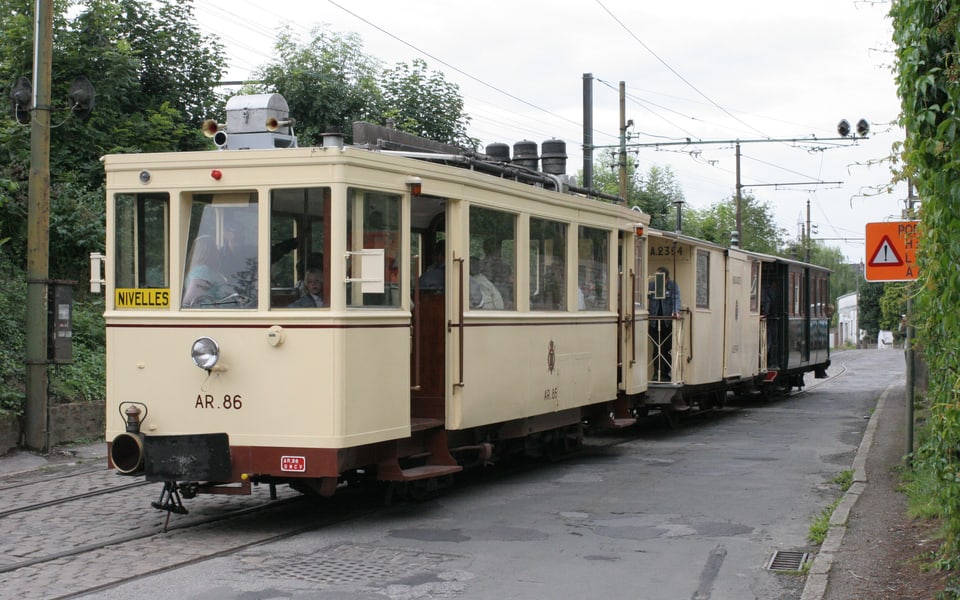
ASVi Vicinal Tramway, Thuin–Lobbes
Belgium invented the vicinal tram and then lifted almost all of it. At Thuin, volunteers still run eight kilometres of it — including a regauged main line.
View journey →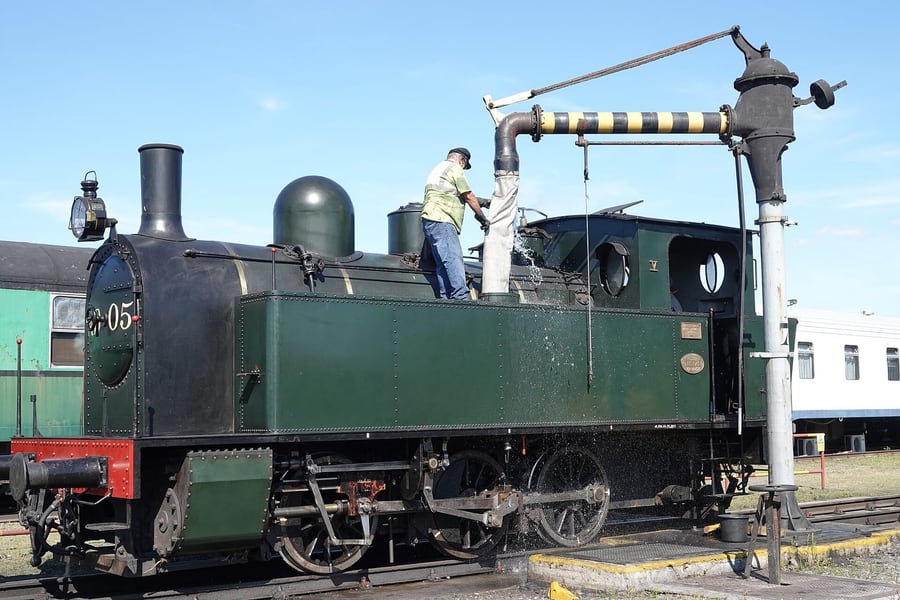
Chemin de Fer à Vapeur des Trois Vallées
Belgium's great steam railway — coal-fired locomotives working fourteen kilometres up three Ardennes valleys to one of Europe's finest railway museums.
View journey →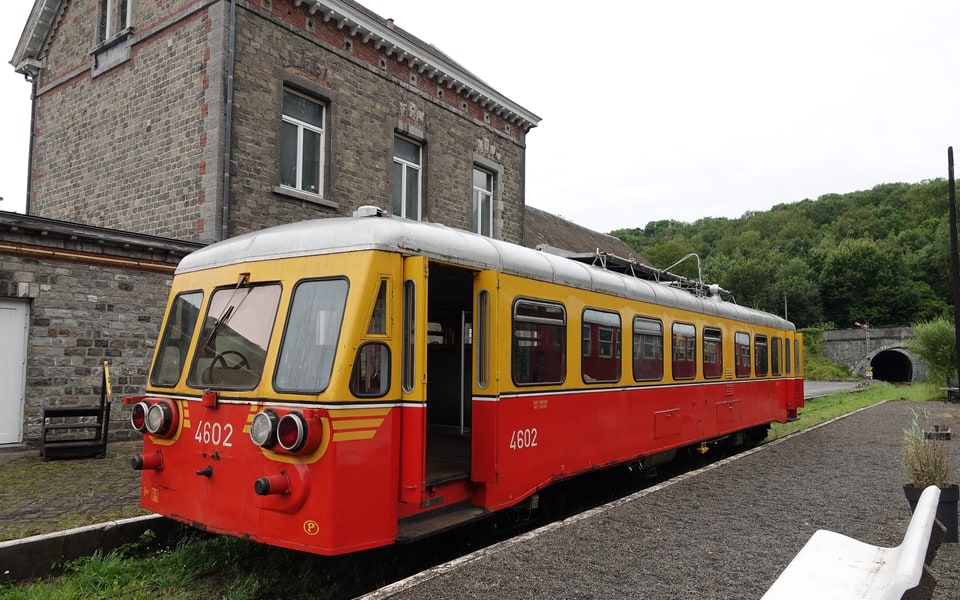
Chemin de Fer du Bocq
A 1950s Belgian railcar in a wooded limestone gorge — five tunnels, a dozen viaducts, and a line reconnected to the national network in 2026.
View journey →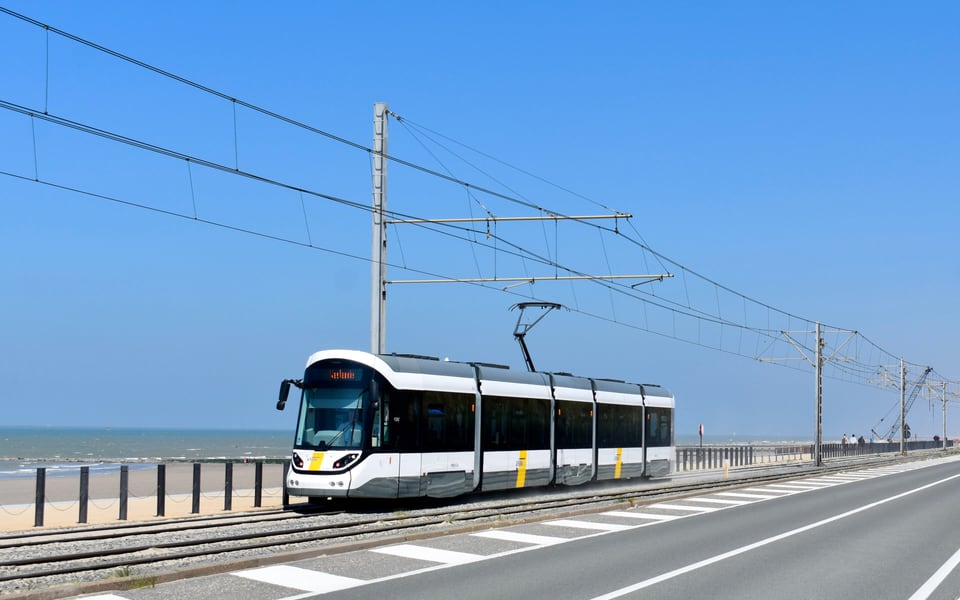
Kusttram
Belgium's whole coast on one metre-gauge tramway: 67 stops from the French border to the Dutch, and a tram every ten minutes in August.
View journey →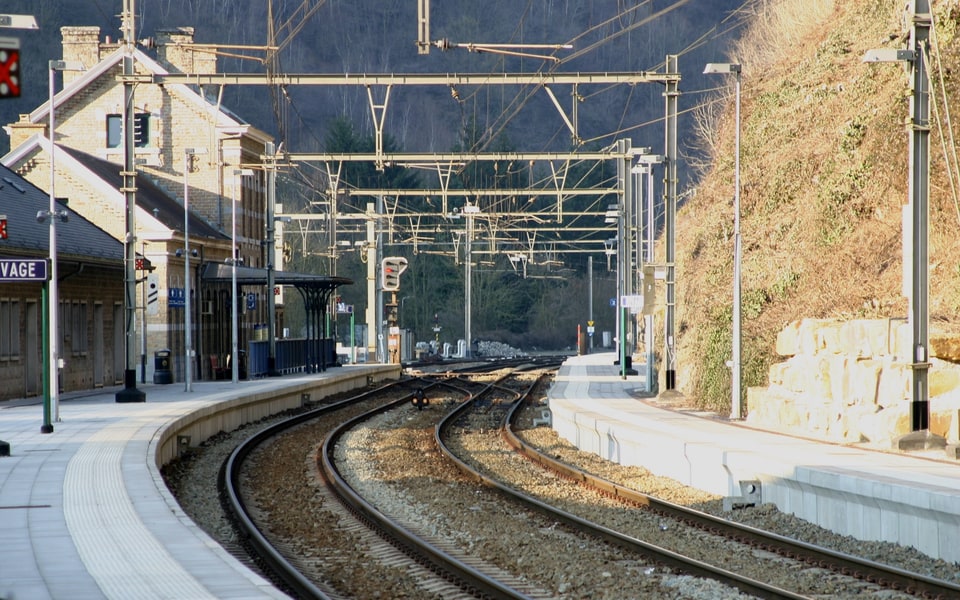
Liège to Gouvy: the Amblève Valley Line
Belgium's Ardennes main line — an ordinary hourly intercity that spends an hour threading the Amblève and the Salm through eight tunnels. No supplement.
View journey →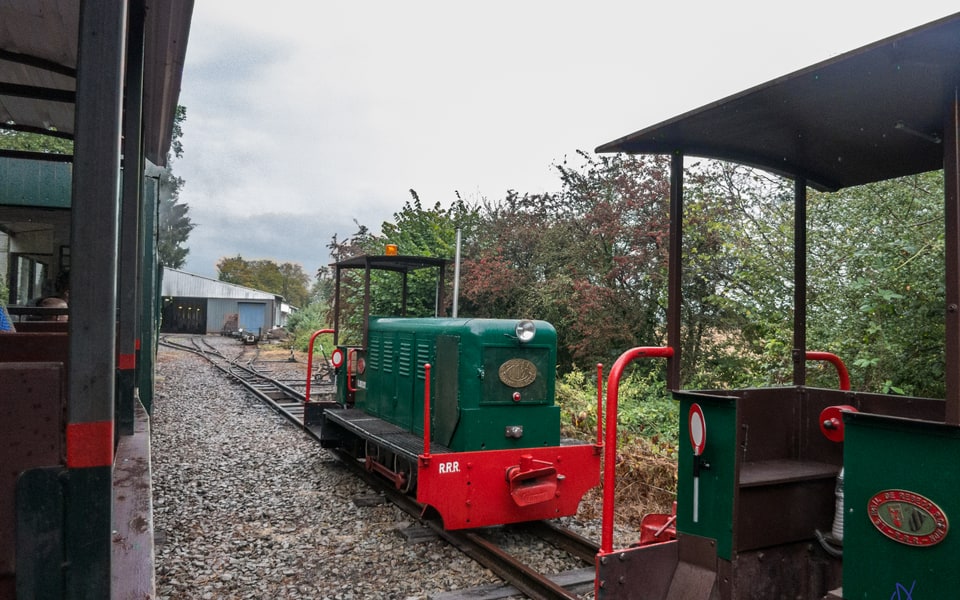
Rail Rebecq Rognon
A 600-millimetre railway laid by volunteers on a closed main line, whose steam engine takes three hours to light — so some Sundays are steam and some diesel.
View journey →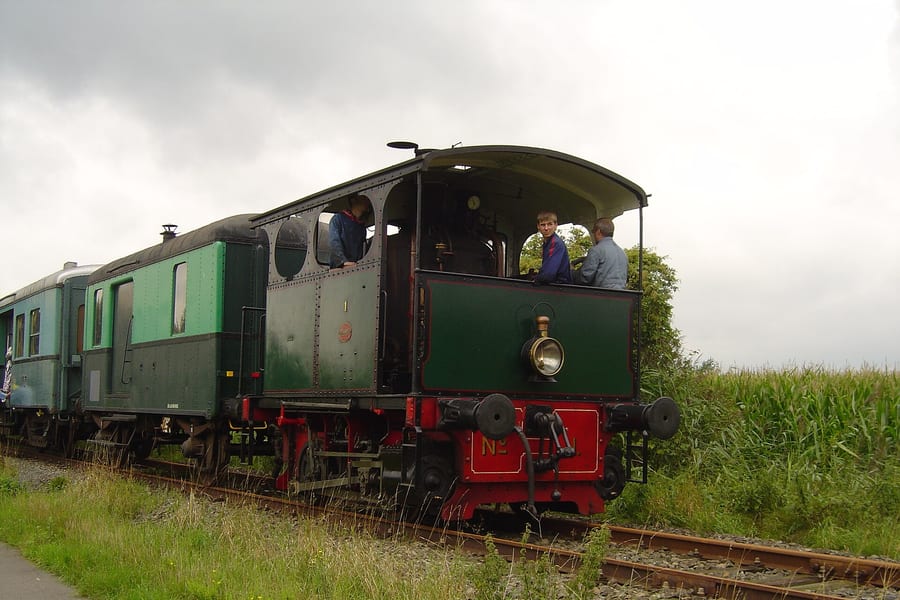
Stoomtrein Dendermonde-Puurs
Flanders in steam — fourteen kilometres along the river Scheldt behind locomotives dating back as far as 1859, run by the volunteers who saved them.
View journey →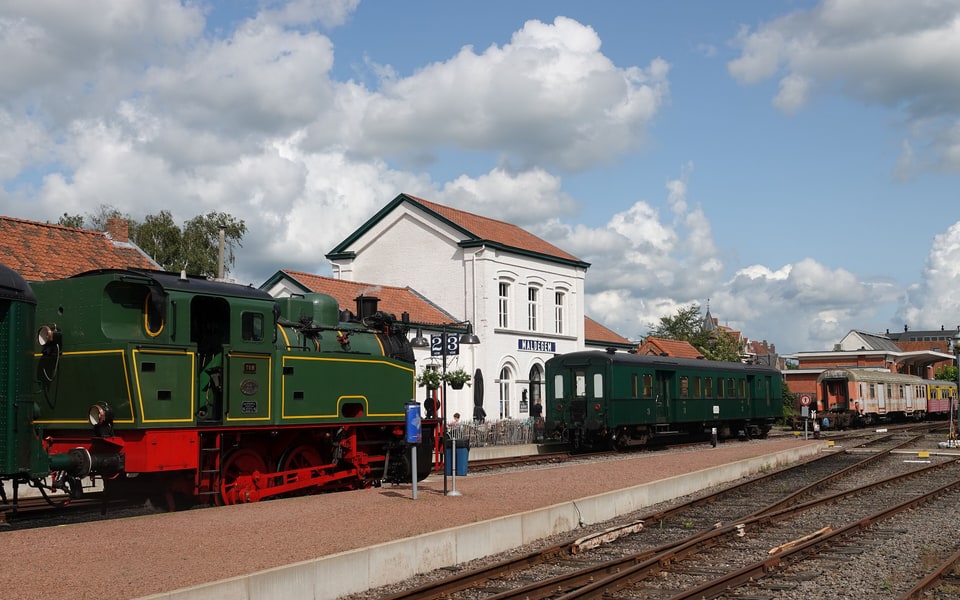
Stoomtrein Maldegem-Eeklo
The largest working steam collection in Flanders — a full-size locomotive across the Meetjesland and a 600-millimetre line in the same yard, on one ticket.
View journey →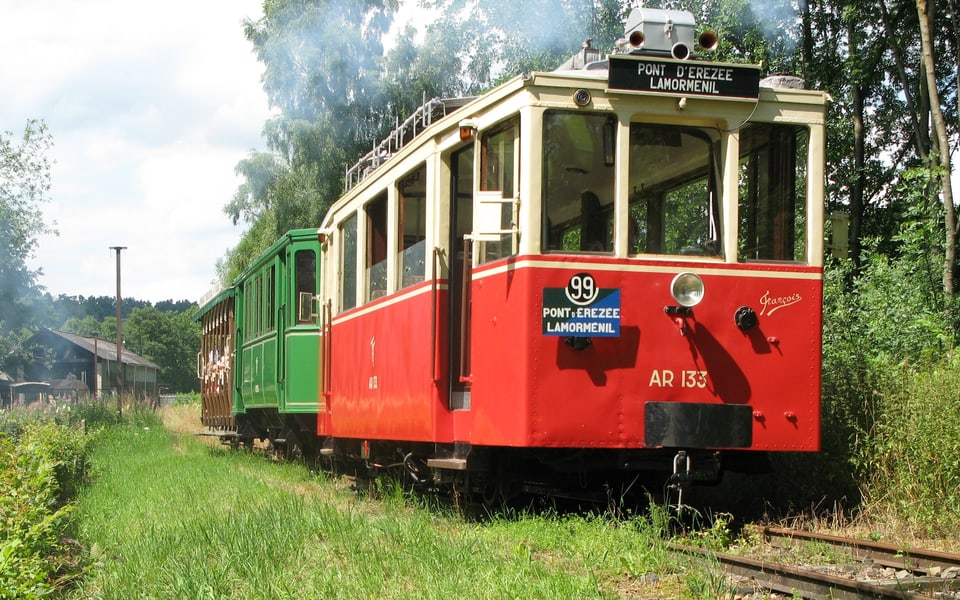
Tramway Touristique de l'Aisne
Eleven kilometres of single-track vicinal tramway through Ardennes forest, behind the 1935 railcar that worked the province's last real vicinal services.
View journey →Good to know
Is Belgium easy to explore by train?
Exceptionally so. Belgium has one of the densest rail networks in the world, run by SNCB/NMBS, and frequent, inexpensive trains link Brussels, Antwerp, Ghent and Bruges in an hour or so — making it one of Europe's best countries for a compact, train-based city-hopping trip.
How do tickets and passes work?
Domestic trains need no reservation — just buy a ticket and board. Multi-journey passes, plus weekend, youth and senior discounts, offer good value, and Brussels is a high-speed hub with fast links to Paris, London and Amsterdam.
When is the best time to visit Belgium?
Spring to autumn (April–October) is the most pleasant for the art cities and the countryside; December brings Christmas markets. The volunteer-run heritage steam railways operate mainly on weekends and holidays from spring to autumn.
What rail experiences stand out in Belgium?
For scenery on an everyday ticket, the Liège–Gouvy line follows the Amblève and the Salm through the Ardennes hourly, all year. For steam, there are four volunteer heritage railways — the Chemin de Fer à Vapeur des Trois Vallées, the Chemin de Fer du Bocq, the Dendermonde–Puurs railway and the Stoomtrein Maldegem-Eeklo. For the tramway network Belgium has otherwise erased, the vicinal survives at Thuin and Érezée, and a 600-millimetre line runs along the Senne at Rebecq. All of them run on set days in season, so their calendars are worth checking before you travel. The exception is the Kusttram, which is not preserved at all — it carries ordinary passengers the length of the coast every day of the year, and is the one piece of the vicinal still doing the job it was built for.